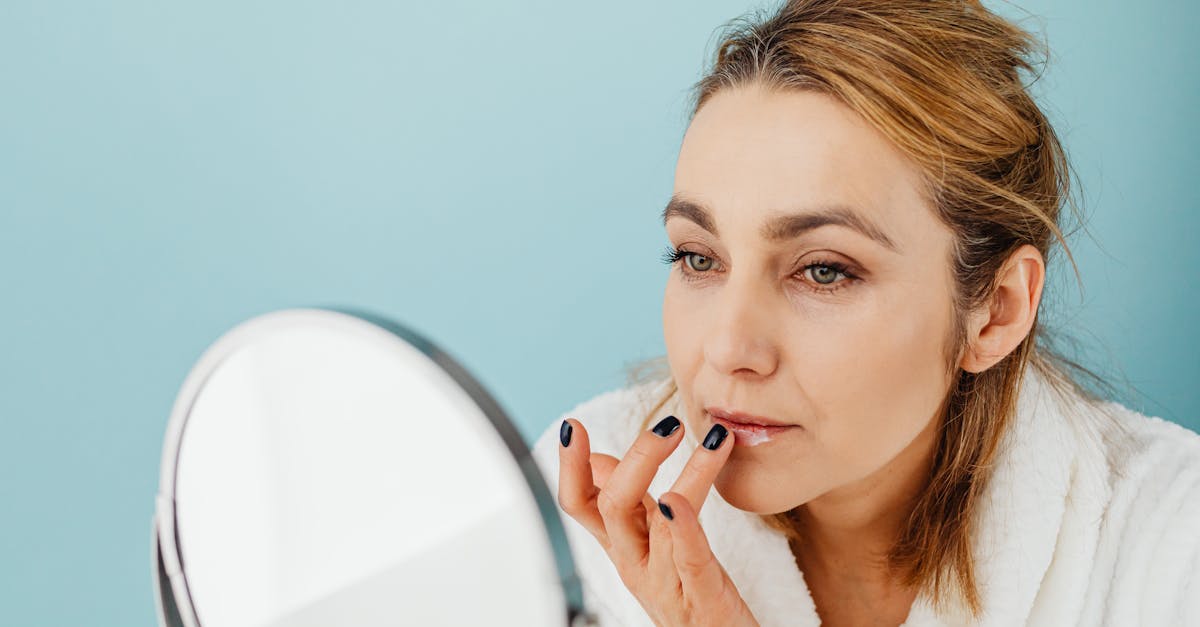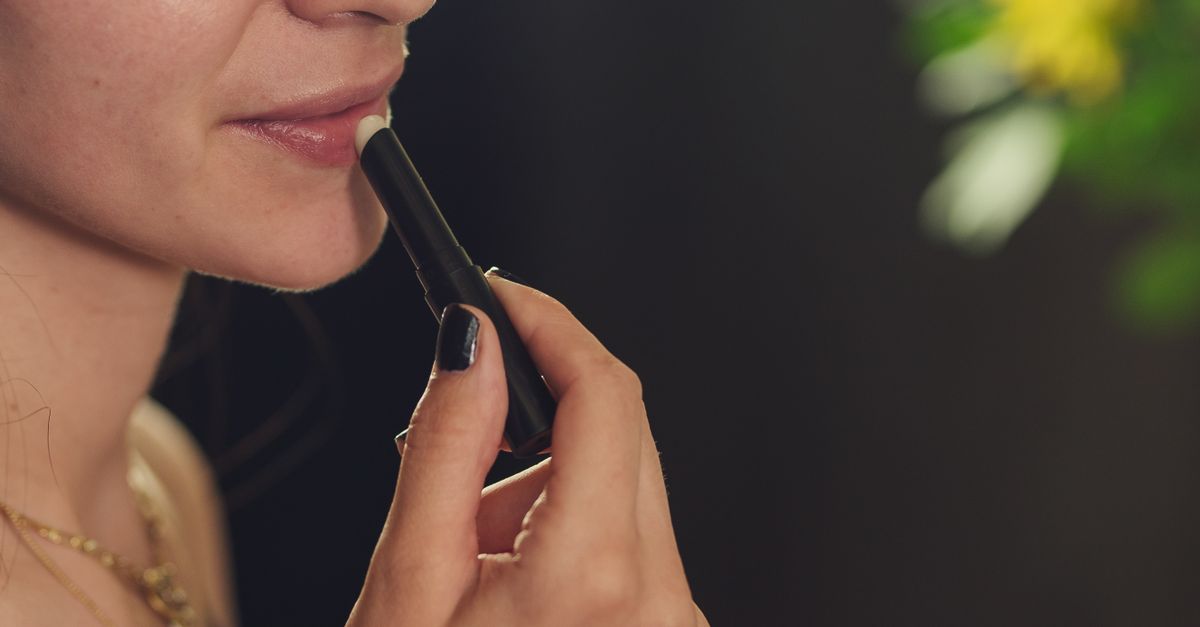
1. Introduction & Mechanism of Action for Eos Natural SPF 15 Lip Balm
Eos Natural SPF 15 Lip Balm is a dermatological preparation formulated with zinc oxide to provide broad-spectrum ultraviolet radiation protection to the delicate mucosal tissue of the lips. The most commonly reported side effect is a temporary, cosmetically undesirable white cast on the skin, occasionally accompanied by mild localized dryness.
The primary pharmacological mechanism relies entirely on physical photoprotection. Zinc oxide acts as an inorganic, physical sunscreen agent. When applied to the labial mucosa and surrounding skin, it forms an inert superficial barrier that actively scatters, reflects, and physically blocks both ultraviolet A and ultraviolet B wavelengths. This mechanism starkly contrasts with chemical sunscreens, which absorb ultraviolet energy and convert it into heat.
Because zinc oxide is a highly stable mineral compound that is not absorbed systemically through intact skin, it provides exceptional localized protection against actinic damage, photoaging, and the potential development of squamous cell carcinomas on the lips. The supporting emollient base of the balm serves to hydrate the stratum corneum and maintain the integrity of the epidermal barrier.
2. Warnings & Before Taking Eos Natural SPF 15 Lip Balm
Individuals with a known, severe hypersensitivity to zinc compounds or any of the botanical emollients used in the balm formulation must perform a patch test prior to full application. While true zinc oxide allergies are exceedingly rare, allergic contact dermatitis driven by inactive botanical fragrances or preservatives remains a clinical possibility.
Patients suffering from severe, actively bleeding lip fissures, deep lacerations, or second-degree thermal burns on the labial mucosa should strictly avoid applying thick physical barrier creams without prior medical consultation. Applying heavy lipid-based balms over deep wounds can inadvertently trap opportunistic bacteria and delay the natural cellular healing process.
Furthermore, this product is designed strictly for external topical use on the lips. It must not be ingested in large quantities or applied to the ocular mucosa. Accidental contact with the eyes can cause severe mechanical irritation and corneal abrasions due to the particulate nature of the mineral oxide.
3. Indications & Dosage Guide for Eos Natural SPF 15 Lip Balm
This preparation is indicated for the prevention of sunburn on the lips and for providing daily broad-spectrum photoprotection against environmental ultraviolet exposure. It is highly recommended for individuals engaging in prolonged outdoor activities, specifically high-altitude winter sports or marine environments where ultraviolet reflection is intense.
The standard application protocol requires the user to apply a generous, even layer to the upper and lower lips fifteen minutes prior to direct sun exposure. For optimal photoprotection, the physical barrier must remain intact and uninterrupted.
Reapplication is an absolute clinical necessity. The balm must be reapplied at least every two hours, and immediately following swimming, heavy sweating, or vigorous eating and wiping of the mouth, as mechanical friction easily removes the protective mineral layer.
4. In-Depth Side Effects Analysis of Eos Natural SPF 15 Lip Balm
Given the inert nature of the active ingredient, systemic toxicity is virtually non-existent, but localized dermal reactions require monitoring.
Common Side Effects
The most prevalent issue is primarily cosmetic; zinc oxide frequently leaves a noticeable white or chalky cast on the lips. Depending on the emollient base, some patients may experience mild localized dryness or a slight feeling of heaviness on the labial mucosa due to the occlusive nature of the mineral barrier.
Serious Side Effects You Should Report
Any sudden onset of severe, spreading erythema, extreme pruritus, or the development of painful vesicles on the lips following application strongly suggests acute allergic contact dermatitis. This requires immediate cessation of the product and clinical evaluation by a dermatologist to identify the offending inactive ingredient.
Rare Side Effects
In highly sensitive populations, chronic use of heavily occlusive balms can rarely lead to localized comedogenesis around the vermilion border of the lips, presenting as small, closed comedones. Rare instances of mild angular cheilitis can occur if moisture becomes trapped at the corners of the mouth under the lipid barrier.
Side Effects That Usually Do Not Require Medical Attention
A fleeting sensation of greasiness upon initial application or the rapid mechanical wearing off of the product during speech or eating are standard, harmless occurrences. These minor issues do not affect the physiological health of the patient and simply require reapplication.
| Side Effect Category | Specific Symptoms |
|---|---|
| Cosmetic / Physical | White cast, heavy sensation on lips |
| Dermatological | Mild localized dryness, rare comedones |
| Severe Hypersensitivity | Spreading erythema, severe pruritus, vesicles |
5. Overdose Symptoms of Eos Natural SPF 15 Lip Balm and Management
Because zinc oxide is not absorbed into the systemic circulation through intact mucosal tissue, a traditional pharmacological overdose via topical application is impossible. The primary risk of toxicity arises solely from massive, deliberate oral ingestion of multiple tubes of the product.
If substantial ingestion occurs, symptoms would present as mild to moderate gastrointestinal distress, including nausea, vomiting, and temporary diarrhea, primarily driven by the heavy lipid base and waxes rather than the zinc oxide itself. In such cases, the patient should drink water, and a poison control center should be contacted for supportive guidance.
6. Missed Dose & What to Avoid with Eos Natural SPF 15 Lip Balm
Since this is a preventative photoprotection product rather than a scheduled therapeutic drug, missing an application simply leaves the labial mucosa vulnerable to acute ultraviolet damage and sunburn. If sun exposure is ongoing, the patient should apply the balm immediately upon remembering.
During use, patients must avoid stacking this product with aggressive chemical exfoliating agents on the lips, such as high-concentration salicylic acid or glycolic acid peels. Applying thick occlusive balms directly over compromised, chemically peeled skin can lead to severe localized irritation and painful inflammation.
7. Drug & Alcohol Interactions with Eos Natural SPF 15 Lip Balm
Topical zinc oxide does not enter the systemic circulation and therefore exhibits zero interactions with oral prescription medications, systemic antibiotics, or cardiovascular drugs. It is clinically safe to use alongside standard oral pharmacotherapies.
Alcohol consumption does not directly interact with the topical efficacy of the sunscreen. However, systemic dehydration caused by excessive ethanol intake can significantly dry out the labial mucosa, making the lips more prone to severe chapping and counteracting the hydrating efforts of the balm emollients.
8. Precautions, Safety & Duration of Action for Eos Natural SPF 15 Lip Balm
The photoprotective action is immediate upon application, as the physical barrier instantly reflects ultraviolet rays. However, the duration of action is strictly limited by the physical adherence of the balm to the skin, typically necessitating reapplication every two hours under standard conditions.
This physical sunscreen is widely considered the safest photoprotective option for pregnant and nursing women, as the lack of systemic absorption entirely eliminates the risk of fetal or infant exposure to chemical ultraviolet filters. It is also highly recommended for pediatric populations over six months of age.
9. How to Stop Taking Eos Natural SPF 15 Lip Balm & Storage Guidelines
Use of the product can be discontinued at any time without any physiological withdrawal or rebound effects. However, ceasing use during periods of high ultraviolet index exposure will rapidly subject the lips to the risk of severe actinic damage.
The lip balm must be stored at controlled room temperature and kept strictly away from excessive heat or direct prolonged sunlight. High temperatures, such as leaving the product inside a hot vehicle, will cause the lipid base to melt, destroying the emulsion matrix and rendering the zinc oxide distribution uneven and ineffective.
10. When to See a Doctor Regarding Eos Natural SPF 15 Lip Balm
Medical evaluation is critical if the patient experiences a severe sunburn on the lips characterized by massive blistering, extreme pain, and localized swelling, despite proper application of the product. This indicates severe thermal damage requiring professional burn management.
If the patient develops persistent, non-healing sores on the lips, chronic scaling, or unusual pigmented lesions, they must immediately consult a board-certified dermatologist. These are definitive clinical signs of potential actinic keratosis or squamous cell carcinoma that mandate a professional tissue biopsy.
Frequently Asked Questions (FAQ)
1. Why does this lip balm make my lips look slightly white?
The active ingredient, zinc oxide, is a white mineral powder that sits on top of the skin to reflect the sun. This physical barrier naturally creates a slight white cast.
2. Does this product absorb into my bloodstream like chemical sunscreens?
No. Zinc oxide is a physical blocker composed of large particles that strictly remain on the surface of the stratum corneum and do not enter systemic circulation.
3. Can I use this lip balm if I have extremely sensitive skin?
Yes, dermatologists highly recommend physical mineral sunscreens over chemical filters for patients with sensitive skin, as they are completely inert and non-irritating.
4. Is it safe to lick my lips while wearing this product?
Occasional, accidental ingestion from licking the lips is harmless, as the total volume of zinc oxide ingested is microscopic and biologically inert.
5. Can I use this product on my child?
Yes, mineral-based photoprotection is universally recognized as the safest sunscreen option for pediatric patients over the age of six months.
6. How often do I truly need to reapply it?
For guaranteed ultraviolet protection, strict reapplication every two hours is medically required, and even more frequently if eating or drinking.
7. Will this product heal a cold sore?
No. While it protects the lips from sun exposure which can trigger cold sores, it possesses no antiviral properties and will not cure an active herpes simplex virus outbreak.
8. What happens if the lip balm melts in my car?
If the lipid base melts completely, the zinc oxide particles may clump together. Once solidified, the protection will be uneven, and the product should be discarded.
Bibliography
Disclaimer: The content is for informational purposes only and does not replace medical advice. Always consult your doctor or pharmacist for personalized treatment.