
1. Introduction & Mechanism of Action of Flucelvax
Flucelvax is a highly advanced, cell-cultured, inactivated influenza vaccine utilized to confer active immunity against seasonal influenza viruses. The primary side effect is transient, localized reactogenicity presenting as mild to moderate soreness, visible erythema, and subtle swelling directly at the intramuscular injection site.
The fundamental mechanism of action is the deliberate stimulation of the adaptive immune system without introducing live pathogenic material. The vaccine contains precisely purified, chemically inactivated hemagglutinin and neuraminidase surface antigens derived from specific circulating influenza A and B viral strains. Upon intramuscular injection, specialized antigen-presenting cells engulf these viral proteins, migrating to local lymph nodes to activate specific T-lymphocytes and B-lymphocytes.
This precise activation cascade forces the B-lymphocytes to manufacture and secrete high volumes of highly specific, neutralizing antibodies directly into the systemic circulation. Flucelvax differentiates itself fundamentally from traditional vaccines through its highly specific manufacturing process. The viral seed strains are grown entirely within isolated mammalian cell cultures rather than inside traditional embryonated chicken eggs. This cell-based methodology prevents egg-adapted genetic mutations from occurring during production, theoretically providing an antigen that more accurately mimics the circulating wild-type virus, while completely eliminating all traces of egg protein from the final formulation.
2. Warnings & Before Taking Flucelvax
The administration of any influenza vaccine demands careful clinical screening. A severe, life-threatening allergic reaction, such as anaphylaxis, to any specific component of the vaccine, including trace amounts of the chemical inactivating agents, serves as a strict absolute contraindication.
Patients harboring a documented medical history of Guillain-Barre syndrome occurring within exactly six weeks of receiving any previous influenza vaccination must undergo rigorous clinical evaluation. The treating physician must carefully weigh the theoretical risk of triggering a recurrent, severe neurological paralytic event against the highly realistic threat of severe, life-threatening respiratory complications resulting from a natural influenza infection.
Furthermore, administration should be temporarily delayed in patients presenting with a moderate to severe acute febrile illness. Vaccinating an actively ill patient severely confuses the clinical picture, making it impossible to determine if a subsequent high fever or severe malaise is a dangerous progression of their underlying acute illness or simply a robust, expected immunological reaction to the injected antigens.
3. Indications & Dosage Guide for Flucelvax
Flucelvax is clinically indicated for active immunization against specific influenza disease caused by influenza A subtype viruses and type B viruses contained precisely within the vaccine formulation. Due to its unique cell-based manufacturing, it is frequently the preferred formulation for individuals harboring profound, life-threatening allergies to avian egg proteins.
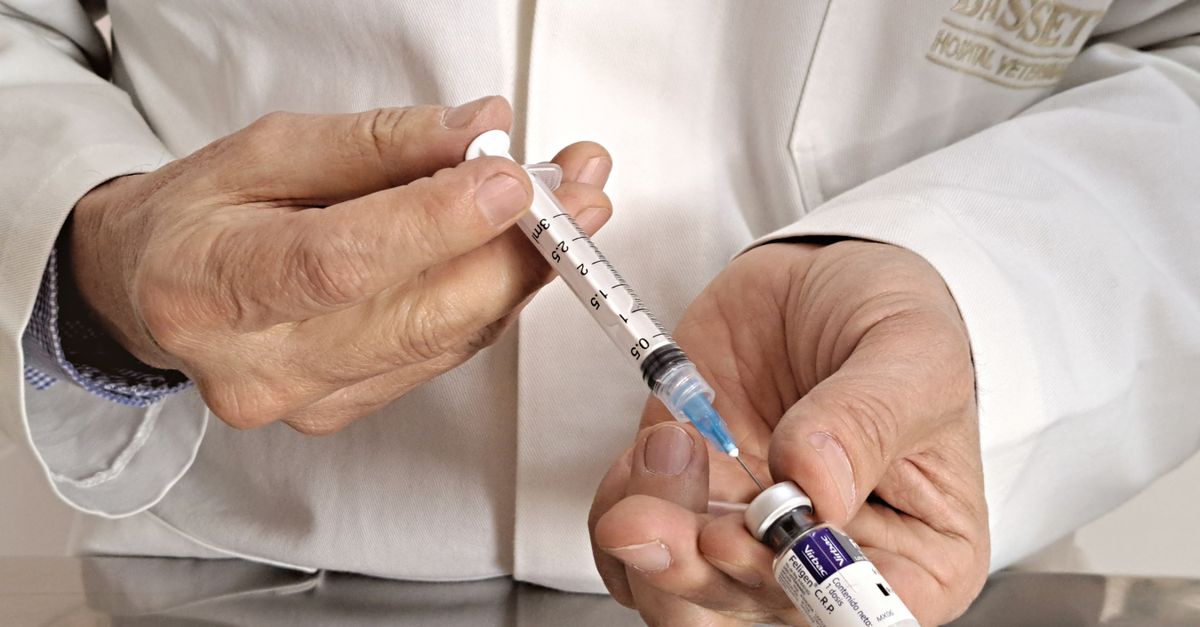
The vaccine is administered exclusively by a trained healthcare professional as a single, zero point five milliliter dose via deep intramuscular injection. The preferred anatomical site for administration is the dense deltoid muscle of the upper arm in older children and adults, or the anterolateral aspect of the thigh in younger pediatric populations. Subcutaneous or intravascular injection is strictly prohibited, as improper placement drastically alters the absorption kinetics and significantly increases severe localized tissue irritation.
Because the influenza virus undergoes rapid, constant genetic mutation, the circulating viral strains change globally every year. Consequently, the specific cell-cultured antigens included in the formulation are updated annually. Therefore, a new, updated dosage must be administered every single year, ideally prior to the onset of the winter respiratory virus season, to ensure adequate protective antibody titers are maintained.
4. In-Depth Side Effects Analysis of Flucelvax
The adverse reaction profile of Flucelvax is generally highly favorable, characterized primarily by its deliberate, necessary induction of a localized immune response.
Common Side Effects
Localized injection site reactions remain universally the most prevalent complaints. Patients routinely report notable pain, muscular tenderness, localized warmth, and visible erythema at the deltoid insertion site. Systemic immunological responses are also highly common, presenting rapidly as generalized fatigue, diffuse myalgia, mild headache, and transient joint pain persisting for one to three days post-vaccination.
Serious Side Effects You Should Report
Immediate clinical intervention is mandatory if the patient develops signs of acute anaphylaxis within minutes or hours of the injection. Symptoms including the sudden swelling of the tongue or throat, profound difficulty breathing, widespread severe hives, or a sudden collapse in blood pressure require emergency epinephrine administration. Additionally, the delayed onset of progressive muscle weakness or severe tingling starting in the lower extremities requires urgent neurological evaluation for potential Guillain-Barre syndrome.
Rare Side Effects
In exceptionally rare clinical scenarios, patients may experience vasovagal syncope immediately following the injection, an autonomic nervous system reaction to the physical trauma of the needle rather than the chemical composition of the vaccine itself. This sudden drop in heart rate and blood pressure can lead to sudden fainting and potential traumatic injury if the patient falls.
Side Effects That Usually Do Not Require Medical Attention
A low-grade fever occurring within the first twenty-four hours, accompanied by a very mild, fleeting chill, is a completely standard physiological indicator that the immune system is actively generating protective antibodies. These minor systemic shifts typically resolve entirely with simple rest and require no targeted medical therapy.
| Side Effect Category | Specific Symptoms |
|---|---|
| Injection Site | Moderate pain, localized erythema, muscular tenderness |
| Systemic | Generalized fatigue, myalgia, headache, low-grade fever |
| Hypersensitivity | Severe anaphylaxis, rapid airway swelling, widespread hives |
| Neurological | Rare risk of Guillain-Barre syndrome, vasovagal syncope |
5. Overdose Symptoms & Management for Flucelvax
In the highly regulated context of vaccine administration by trained medical professionals using pre-filled, single-dose syringes, a true volumetric overdose is an exceedingly rare medical error. However, inadvertently administering multiple doses of the vaccine simultaneously would primarily amplify the expected physiological reactogenicity.
A patient receiving an excessive dose would likely experience profound, severe pain and significant swelling directly at the injection site. The systemic immunological response would be heavily exaggerated, rapidly plunging the patient into a state of severe, influenza-like illness characterized by a high-grade fever, intense, debilitating muscle aches, profound lethargy, and severe joint stiffness as the body reacts to the massive antigenic load.
Medical management for a vaccine overdose is entirely supportive. There is no pharmacological mechanism to reverse or mechanically extract the injected antigens. The physician will recommend potent antipyretic and nonsteroidal anti-inflammatory medications to aggressively control the severe fever and mitigate the profound muscular discomfort while the immune system processes the heavy chemical load over several days.
6. Missed Dose & What to Avoid While Using Flucelvax
Because the seasonal influenza vaccine is administered as a single, annual prophylactic injection, the concept of a missed dose is clinically distinct from daily oral medications. If a patient fails to receive their annual injection during the early autumn months, they remain entirely susceptible to the circulating wild-type viral strains. They should seek administration as soon as possible, even if the winter influenza season is already actively underway.
In the immediate days following the intramuscular injection, patients should actively avoid strenuous, heavy weightlifting or intense, targeted exercise involving the injected arm. The muscle fibers are actively experiencing localized, necessary inflammation. Placing them under massive physical stress will significantly exacerbate the cellular damage, drastically prolonging the localized pain and stiffness.
Furthermore, patients should avoid applying deep, aggressive massage or intense thermal heating pads directly to the injection site immediately after receiving the vaccine. Aggressive manipulation of the tissue can physically alter the intended slow, steady localized absorption of the viral antigens into the regional lymph nodes, potentially altering the precision of the resulting immune response.
7. Drug & Alcohol Interactions with Flucelvax
The administration of Flucelvax does not engage in traditional, cytochrome P450-mediated pharmacokinetic interactions with standard oral medications. However, potent immunological interactions require highly careful clinical orchestration.
Patients actively undergoing heavily immunosuppressive therapies, such as high-dose systemic corticosteroids, advanced chemotherapy, or targeted biologic agents utilized for severe autoimmune diseases, will experience a severely blunted response to the vaccine. Because their immune systems are chemically paralyzed, they cannot mount the necessary cellular response to the injected antigens, rendering the vaccine significantly less effective.
Systemic alcohol consumption does not chemically alter the inactivated viral antigens. However, heavy, acute alcohol consumption heavily suppresses optimal immune function. Binge drinking in the days immediately following vaccination can theoretically impair the body’s ability to generate the maximum necessary protective antibody titers. Ensuring the immune system is robust is a critical component of successful therapy, a concept heavily mirrored in our clinical guides concerning immune-modulating treatments like tacrolimus.
8. Precautions, Safety & Duration of Action of Flucelvax
The duration of action is intended to provide active, robust immunity strictly for the duration of a single seasonal influenza outbreak. The circulating antibody titers naturally wane over a period of six to eight months following the injection. This natural decay, combined with the rapid, constant mutation of the live virus in the global environment, strictly mandates the necessity of a brand new, updated vaccination every single year.
Specific safety precautions regarding post-vaccination syncope must be strictly implemented by the administering clinician. Sudden, vasovagal fainting episodes are a known physiological response to the physical act of receiving an injection. Patients, particularly adolescents, should remain seated or lying down under direct medical observation for exactly fifteen minutes following the administration to prevent severe traumatic injuries resulting from a sudden fall.
The cell-cultured nature of Flucelvax makes it a highly valuable, profoundly safe option for individuals with severe egg allergies. Because the virus is grown entirely in mammalian cells, the final fluid contains absolutely zero ovalbumin or avian proteins, completely eliminating the risk of an egg-induced anaphylactic reaction.
9. How to Stop Taking Flucelvax & Storage Guidelines
There is no physical cessation process for the patient, as the medication is administered entirely as a single, finite prophylactic event. The body naturally processes the antigens and develops the necessary cellular memory without any required tapering or subsequent at-home medical management.
Storage and handling of the pre-filled syringes or multi-dose vials fall strictly under the purview of the pharmacy and medical clinic. The vaccine must be stored continuously under highly precise refrigeration, maintaining a strict temperature range between two and eight degrees Celsius. The product must be fiercely protected from light and absolutely never be frozen. If the vaccine is accidentally subjected to freezing temperatures, the delicate structural integrity of the complex antigens is permanently destroyed, and the fluid must be discarded immediately.
Disposal of the utilized needles and empty syringes must comply with strict hospital and clinic protocols for biological and sharp medical waste. The materials must be deposited directly into certified, puncture-proof biohazard containers to prevent accidental needle-stick injuries.
10. When to See a Doctor Regarding Flucelvax
While the mild localized reaction is managed at home, specific delayed systemic symptoms require immediate consultation with a physician in the days following the injection. If the patient develops a high-grade, unremitting fever exceeding one hundred and three degrees Fahrenheit, or severe, productive coughing, they must be evaluated rapidly. The inactivated vaccine cannot cause the flu, meaning these symptoms strongly indicate the patient was exposed to a wild-type respiratory virus just prior to vaccination.
The patient must seek urgent neurological evaluation if they notice a sudden, progressive tingling or profound muscle weakness beginning in their feet and slowly moving upward into their legs. This specific, ascending paralysis is the hallmark clinical presentation of Guillain-Barre syndrome, a severe, rare neurological complication that requires immediate hospital admission for intensive supportive care.
Finally, if the localized redness and swelling at the injection site continue to aggressively expand down the arm after three days, become exquisitely painful to the touch, or begin weeping purulent fluid, a physician must evaluate the arm immediately. This presentation strongly suggests that bacteria entered the muscle during the injection process, creating a severe secondary cellulitis requiring prompt systemic antibiotic intervention.
Frequently Asked Questions (FAQ)
1. How is this vaccine different from a standard flu shot?
Traditional flu vaccines grow the virus inside chicken eggs. This specific vaccine grows the virus entirely in specialized mammalian cell cultures. This process completely eliminates all traces of egg protein and prevents the virus from undergoing unwanted genetic changes during the manufacturing process.
2. Can this vaccine actually give me the flu?
Absolutely not. The viral particles contained within the syringe have been completely dismantled and chemically killed. It is biologically impossible for the vaccine to cause an active influenza infection in your respiratory tract.
3. Why do I need to get this vaccine every single year?
The influenza virus mutates and changes its physical shape constantly as it travels around the globe. The specific antibodies you created last year will not recognize the new shape of the virus this year, requiring a completely updated, newly matched vaccine.
4. Is it entirely safe to take this vaccine if I have a severe egg allergy?
Yes. Because the entire manufacturing process utilizes isolated mammalian cells and completely bypasses chicken eggs, the final fluid contains absolutely zero egg protein, making it exceptionally safe for individuals with severe egg allergies.
5. Is it normal to feel incredibly tired and achy the day after the shot?
Yes. Generalized fatigue, mild muscle aches, and a low-grade fever are highly common, safe indicators that your immune system is working very hard to recognize the newly injected viral proteins and build long-lasting protective antibodies.
6. How long does it take for the vaccine to fully protect me?
It takes approximately two full weeks for your immune system to manufacture a sufficient quantity of circulating antibodies. During this two-week window, you remain entirely vulnerable to catching the natural, wild-type influenza virus.
7. Why did the nurse make me sit in the clinic for fifteen minutes after the injection?
Many individuals, particularly young adults, experience a sudden drop in blood pressure and heart rate following the stress of an injection, causing them to faint. Sitting for fifteen minutes ensures you do not fall and sustain a severe head injury.
Bibliography
Disclaimer: The content is for informational purposes only and does not replace medical advice. Always consult your doctor or pharmacist for personalized treatment.

