1. Introduction & Mechanism of Action of Binosto
Binosto is a specialized prescription medication containing alendronate sodium, formatted uniquely as an effervescent tablet for the management of osteoporosis. The most notable side effect involves severe irritation and ulceration of the upper gastrointestinal mucosa. This potent bisphosphonate operates by heavily altering the continuous biological remodeling cycle of human bone tissue.
Alendronate sodium exerts its powerful therapeutic effect by actively seeking out and binding tightly to the hydroxyapatite mineral crystals located precisely at sites of active bone resorption. Once integrated into the bone matrix, the medication is ingested by osteoclasts, the specialized cellular units solely responsible for dismantling and degrading bone tissue.
Inside the osteoclast, the drug catastrophically disrupts key intracellular metabolic pathways, specifically inhibiting the farnesyl pyrophosphate synthase enzyme. This blockade entirely paralyzes the osteoclast, forcing the cell into rapid apoptosis. By severely halting the destruction of bone while allowing bone-building osteoblasts to function normally, Binosto steadily increases overall bone mass and significantly restores skeletal structural integrity.
2. Warnings & Before Taking Binosto
Binosto carries extremely strict clinical warnings regarding profound gastrointestinal toxicity. Patients with pre-existing abnormalities of the esophagus, such as strictures, achalasia, or severe severe gastroesophageal reflux disease, must avoid this medication entirely. The active compound is highly caustic; prolonged contact with the esophageal lining guarantees massive, highly painful ulceration and potential perforation.
Administration is completely contraindicated in patients who are physically incapable of standing or sitting upright for at least thirty consecutive minutes following ingestion. Gravity is the only mechanism ensuring the highly acidic medication moves rapidly through the esophagus and deeply into the stomach. Failure to remain completely upright guarantees severe esophageal damage.
Patients with severe baseline hypocalcemia must have their metabolic deficiency thoroughly corrected before initiating therapy. Because Binosto aggressively halts the release of calcium from the skeleton, patients with low calcium levels will suffer a rapid, massive drop in serum calcium, precipitating severe muscle tetany and dangerous cardiac arrhythmias.
3. Indications & Dosage Guide for Binosto
Binosto is clinically indicated for the treatment of severe osteoporosis in postmenopausal women, effectively reducing the risk of catastrophic vertebral fractures and debilitating hip fractures. It is uniquely utilized for patients who require highly potent bisphosphonate therapy but struggle to swallow large, solid tablets.
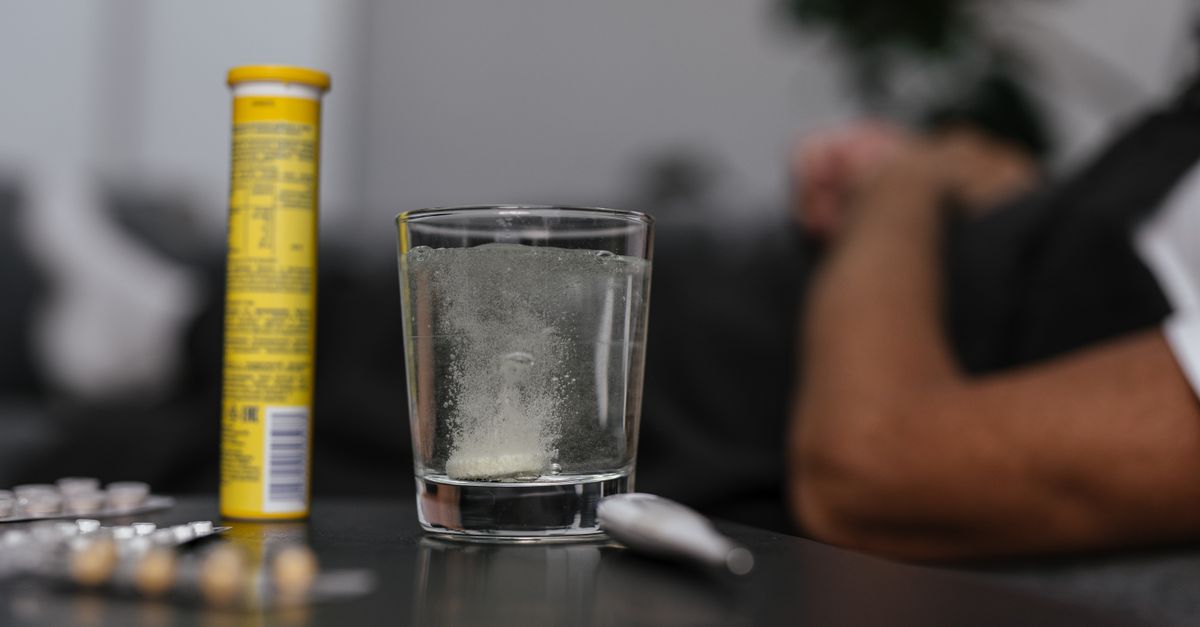
The standard clinical dosage is exactly seventy milligrams administered strictly once per week. The effervescent tablet must be dissolved completely in exactly four ounces of plain, unflavored water. It must never be dissolved in mineral water, coffee, juice, or soda, as these liquids completely destroy the bioavailability of the active pharmaceutical compound.
Timing is absolutely critical for therapeutic survival. The dissolved liquid must be consumed immediately upon waking in the morning, on a completely empty stomach. After swallowing the medication, the patient must wait exactly thirty minutes before consuming any food, beverages, or other medications, and must remain entirely upright during this entire waiting period.
4. In-Depth Side Effects Analysis of Binosto
The adverse event profile is heavily dominated by direct chemical irritation of the mucosal tissues and the long-term biological consequences of freezing bone turnover.
4.1 Common Side Effects
Most patients experience minor gastrointestinal or musculoskeletal adjustments as the body adapts to the potent antiresorptive agent.
– Mild to moderate heartburn or acid reflux
– Epigastric distress and mild nausea
– Deep, generalized bone or joint pain
– Mild abdominal cramping
4.2 Serious Side Effects You Should Report
Severe gastrointestinal damage or profound localized bone pathologies demand immediate medical evaluation and cessation of the drug.
– Severe, agonizing pain when swallowing food or liquids
– Vomiting bright red blood or material resembling dark coffee grounds
– Sudden, deep pain in the groin or thigh area without an injury
– Severe pain, swelling, or exposed bone in the jaw region
4.3 Rare Side Effects
Atypical femur fractures represent a highly rare but catastrophic side effect resulting from prolonged suppression of bone remodeling. Osteonecrosis of the jaw, a severely painful condition where the jawbone dies and is exposed through the gums, is heavily associated with invasive dental procedures during bisphosphonate therapy.
4.4 Side Effects That Usually Do Not Require Medical Attention
A brief, minor alteration in taste immediately following the consumption of the effervescent liquid is expected due to the buffering agents in the formulation and does not signal a clinical hazard.
| Side Effect Category | Specific Symptoms |
|---|---|
| Gastrointestinal | Esophageal ulcer, severe heartburn, dysphagia |
| Musculoskeletal | Severe bone pain, atypical femur fracture |
| Dental | Osteonecrosis of the jaw, severe gum infection |
| Metabolic | Symptomatic hypocalcemia, muscle spasms |
5. Overdose Symptoms & Management for Binosto
An acute pharmacological overdose of Binosto is a severe medical emergency characterized by profound gastrointestinal burns and dangerous systemic metabolic alterations. Overdose typically results from a patient taking multiple weekly doses simultaneously or consuming the medication repeatedly throughout the week by mistake.
Clinical manifestations of a massive overdose include agonizing abdominal and esophageal pain, intractable vomiting, and severe hypocalcemia. The massive drop in serum calcium heavily sensitizes the neuromuscular junctions, causing the patient to exhibit violent muscle twitching, severe facial spasms, and potentially fatal cardiac arrhythmias.
Emergency management must heavily prioritize preventing further absorption. First responders or hospital staff must immediately administer milk or liquid antacids to directly bind the unabsorbed alendronate in the stomach, turning it into an inert compound. Inducing vomiting is strictly and absolutely forbidden, as the caustic medication will massively burn the esophagus a second time as it exits the body. Intravenous calcium is heavily required to stabilize the heart.
6. Missed Dose & What to Avoid with Binosto
If a scheduled once-weekly dose is missed, patients must take the dissolved medication on the morning they remember it. However, they must strictly return to taking their next dose on their originally scheduled day. Patients must never, under any circumstances, take two doses of Binosto on the exact same day to compensate for a missed week.
Patients must rigorously avoid undergoing invasive dental surgeries, such as heavy tooth extractions or deep dental implants, while on this medication. The suppressed bone turnover prevents the jawbone from healing properly after dental trauma, heavily triggering the onset of devastating osteonecrosis of the jaw. All major dental work should strictly be completed before starting therapy.
Avoid taking calcium supplements, heavy iron pills, or liquid antacids within two hours of consuming Binosto. These heavy multivalent cations bind irreversibly to the bisphosphonate molecule in the stomach, rendering the medication entirely unabsorbable and assuring complete clinical treatment failure. To understand the safety profile of other bisphosphonates, review our clinical guide on risedronate side effects.
7. Drug & Alcohol Interactions Involving Binosto
The drug interaction profile dictates extreme caution regarding gastrointestinal integrity. Concurrent use of non-steroidal anti-inflammatory drugs, including heavy ibuprofen or naproxen regimens, is massively dangerous. Both agents aggressively damage the gastric mucosa; combining them multiplies the risk of suffering a catastrophic, bleeding gastric ulcer.
Patients utilizing oral corticosteroids face a complicated risk profile. While steroids heavily cause osteoporosis necessitating Binosto therapy, the combined use drastically increases the long-term risk of developing an atypical femur fracture due to extreme, synergistic suppression of normal bone healing mechanisms.
Alcohol consumption significantly compounds the severe gastrointestinal side effects of Binosto. Systemic alcohol acts as a direct gastric irritant and violently relaxes the lower esophageal sphincter. Combining heavy alcohol use with this highly acidic medication severely increases the risk of acid reflux and deeply painful esophageal ulceration.
8. Precautions, Safety & Duration of Action for Binosto
The therapeutic onset of Binosto is progressive. The medication rapidly binds to the bone matrix, but clinically meaningful increases in bone mineral density heavily require six to twelve months of continuous, strictly compliant weekly dosing. Once embedded in the skeleton, the terminal half-life of alendronate exceeds ten years.
In pediatric and young adult populations, Binosto is strictly not indicated. The long-term consequences of permanently embedding potent bisphosphonates into the rapidly developing, highly active skeletons of children are entirely unknown and theoretically highly dangerous to skeletal maturation.
For pregnant and nursing patients, Binosto is universally contraindicated. The medication crosses the placenta and aggressively binds to the developing fetal skeleton, posing an immense risk of causing severe fetal bone deformities and dangerous neonatal hypocalcemia.
9. How to Stop Taking Binosto & Storage Guidelines
Discontinuing Binosto requires careful clinical evaluation. Because the medication embeds permanently into the bone, its antiresorptive effects continue for several years after the patient stops taking it. Clinicians frequently employ a “drug holiday” after five years of continuous therapy to mitigate the risk of atypical femur fractures while maintaining adequate bone density.
The effervescent tablets must be stored strictly in their original, sealed blister packages at room temperature. They must be heavily protected from ambient moisture and humidity. Exposing an effervescent tablet to the air will cause it to rapidly absorb humidity and prematurely degrade, rendering it therapeutically useless.
Proper disposal requires discarding the expired medication safely. Do not flush the tablets down the toilet. Dissolve unused tablets in an unpalatable liquid and seal them in a secure container in the municipal trash to absolutely prevent accidental ingestion by children or household pets.
10. When to See a Doctor Regarding Binosto
Immediate emergency evaluation is mandated if a patient experiences agonizing pain behind the breastbone, severe difficulty swallowing even soft food, or vomits bright red blood. These exact symptoms strictly indicate an acute esophageal ulcer or perforation demanding emergency surgical intervention.
Patients must contact their physician urgently if they develop a dull, continuous, aching pain deep in the groin or thigh. This symptom is the primary warning sign of an impending atypical femur fracture and requires immediate radiological evaluation and cessation of the drug.
A clinical evaluation is also strictly necessary if the patient experiences sudden facial numbness, heavy jaw pain, or notices exposed bone breaking through the gum tissue in the mouth. This heavily indicates osteonecrosis of the jaw and demands an immediate, coordinated intervention between an endocrinologist and a specialized oral surgeon.
Frequently Asked Questions (FAQ)
1. Why must I remain standing or sitting completely upright for thirty minutes after taking this drug?
The medication is highly caustic to the tissue in your esophagus. Gravity is entirely necessary to force the dissolved liquid quickly into your stomach. Lying down allows the medication to wash back up into your throat, guaranteeing severe chemical burns and ulcers.
2. Can I dissolve the tablet in a cup of hot coffee or orange juice?
Absolutely not. You must strictly use only four ounces of plain, unflavored water. Any other liquid, especially coffee or acidic juice, heavily interacts with the drug and completely prevents your body from absorbing the active medication.
3. Why can I not eat breakfast immediately after drinking the medicine?
Binosto absorbs very poorly into the human bloodstream. Even the smallest amount of food, milk, or other medication in your stomach will bind to the drug and completely block it from working. You must strictly wait a full thirty minutes before eating.
4. Will this medication completely cure my severe osteoporosis?
No. Binosto dramatically slows down bone loss and increases bone density to prevent catastrophic fractures, but osteoporosis remains a chronic condition. The medication manages the disease but does not cure the underlying metabolic issue.
5. Is it safe to get a routine dental cleaning while taking this medication?
Routine dental cleanings and superficial cavity fillings are highly safe. However, you must inform your dentist that you take a bisphosphonate, because deep, invasive procedures like tooth extractions carry a severe risk of causing permanent jawbone damage.
6. What should I do if I experience severe heartburn after my first dose?
If you develop severe, burning heartburn or sharp pain when swallowing, you must immediately stop taking the medication and contact your doctor. This means the drug is actively damaging the lining of your esophagus.
7. Why does my doctor want me to stop taking this drug after five years?
Because the medication embeds permanently into your bones, taking it continuously for too long essentially freezes bone turnover completely. This drastically increases the risk of your thigh bone snapping randomly. Your doctor uses a “drug holiday” to ensure your bones remain safely flexible.
Bibliography
Disclaimer: The content is for informational purposes only and does not replace medical advice. Always consult your doctor or pharmacist for personalized treatment.