1. Introduction & Mechanism of Action of Foster and Thrive Lice Killing
Foster and Thrive Lice Killing is a topical pediculicide formulation combining pyrethrum extract and piperonyl butoxide to eradicate human head, body, and pubic lice. The most notable side effects are localized dermatological reactions, including scalp pruritus and mild erythema, typically resolving shortly after the product is rinsed off.
Pyrethrum extract acts directly on the nervous system of the lice. It interferes with neural transmission by delaying the closure of voltage-gated sodium channels in the insect, leading to prolonged nerve excitation, paralysis, and ultimately death of the parasite. This botanical extract is derived from the chrysanthemum flower and exhibits highly selective toxicity toward insects compared to mammals.
Piperonyl butoxide serves as a chemical synergist in this formulation. By itself, it possesses no insecticidal properties. However, it inhibits the hydrolytic enzymes within the lice that would normally metabolize and neutralize the pyrethrins. This inhibition ensures that the pyrethrum extract remains active long enough to achieve a lethal neurotoxic effect, preventing the parasite from recovering from paralysis.
2. Warnings & Before Using Foster and Thrive Lice Killing
Before applying this pediculicide, it is crucial to assess for any hypersensitivity to chrysanthemums, ragweed, or other botanicals in the Asteraceae family. Individuals with known cross-sensitivities to these plants may experience acute allergic contact dermatitis or respiratory symptoms upon exposure to pyrethrum extract.
This product is strictly for external use on intact skin. It must never be applied to inflamed, broken, or severely infected dermal areas. Application to mucous membranes, including the eyes, lips, mouth, or vaginal mucosa, is strictly contraindicated due to the high risk of severe chemical irritation and enhanced systemic absorption.
Asthmatic patients should use this product with caution. The aerosolization of the liquid during application can occasionally trigger bronchospasm in highly sensitive individuals. If treating pubic lice, sexual partners must be notified and treated concurrently to prevent the cyclical transmission of the infestation.
3. Indications & Dosage Guide for Foster and Thrive Lice Killing
This combination medication is clinically indicated for the treatment of pediculosis capitis, pediculosis corporis, and pediculosis pubis. It is effective in neutralizing live lice, but it does not possess complete ovicidal activity, meaning it may not kill all unhatched nits.
The solution must be applied thoroughly to dry hair or the affected dry body areas. The treated area must remain saturated with the medication for exactly ten minutes. Leaving the product on longer than recommended does not improve clinical efficacy and significantly increases the risk of severe epidermal irritation. After ten minutes, warm water should be added to form a lather, followed by a thorough rinsing.
Because the formulation is not fully ovicidal, a second application is strictly required seven to ten days after the initial treatment. This secondary application targets any newly hatched nymphs before they mature and lay new eggs, breaking the reproductive lifecycle of the parasite.
4. In-Depth Side Effects Analysis of Foster and Thrive Lice Killing
While topical pyrethrins and piperonyl butoxide are generally safe and exhibit negligible systemic absorption, local dermal reactions are relatively common during the eradication process.
Common Side Effects
The most prevalent adverse reactions involve transient irritation at the application site. Patients frequently report mild stinging, burning, or an exacerbation of the itching that initially accompanied the lice infestation. Mild scalp erythema may also be observed immediately following the rinsing phase.
Serious Side Effects You Should Report
Allergic reactions require immediate medical intervention. If a patient develops intense, spreading urticaria, severe swelling of the face or scalp, or respiratory distress, the treatment must be washed off immediately. Chemical conjunctivitis can occur if the medication accidentally contacts the ocular surface, necessitating continuous eye flushing and ophthalmological review.
Rare Side Effects
Rarely, prolonged cutaneous exposure or application to extensively excoriated skin may result in systemic absorption, leading to localized numbness or a generalized contact dermatitis that persists for weeks. Secondary bacterial infections can arise if the intense pruritus leads to severe scratching and skin barrier breakdown.
Side Effects That Usually Do Not Require Medical Attention
Temporary dryness of the hair shaft, minor flaking of the scalp, and brief tingling sensations are normal pharmacological responses to the solvents used in the shampoo base. These effects resolve spontaneously and require no targeted medical therapy.
| Side Effect Category | Specific Symptoms |
|---|---|
| Dermatological | Pruritus, mild erythema, temporary stinging, scalp dryness |
| Ophthalmic | Chemical conjunctivitis, burning if accidental eye contact occurs |
| Immunological | Severe allergic dermatitis, facial edema, bronchospasm |
5. Overdose Symptoms & Management for Foster and Thrive Lice Killing
Topical overdose is rare when the product is used as directed. However, accidental ingestion of the pediculicide formulation presents a medical emergency. The liquid base often contains petroleum distillates and specialized surfactants that pose serious systemic toxicity risks.
Symptoms of oral ingestion include severe nausea, vomiting, abdominal cramping, and central nervous system disturbances such as ataxia and lethargy. A critical risk is chemical pneumonitis, which can occur if the petroleum distillates are aspirated into the lungs during ingestion or subsequent vomiting.
If ingestion occurs, vomiting must not be induced due to the aspiration hazard. Emergency medical services must be contacted immediately, or the patient should be taken to the nearest emergency department. Management focuses on continuous respiratory support and symptomatic care. If the product causes severe ocular exposure, flush the eyes with tepid water for at least fifteen minutes.
6. Missed Dose & What to Avoid with Foster and Thrive Lice Killing
The concept of a missed dose applies specifically to the mandatory second treatment. If the patient forgets to reapply the shampoo seven to ten days after the first application, they must perform the second treatment as soon as they remember. Delaying the second dose allows surviving nits to hatch and mature, causing a rapid recurrence of the infestation.
Patients must strictly avoid using regular hair conditioners or oil-based hair styling products immediately before applying this medication. These cosmetic products coat the hair shaft and can prevent the pyrethrins from effectively penetrating the exoskeleton of the lice.
Additionally, patients should avoid treating multiple individuals in poorly ventilated areas to minimize the inhalation of the chemical vapors. Towels, bedding, and clothing must be washed in extremely hot water to prevent environmental reinfestation.
7. Drug & Alcohol Interactions with Foster and Thrive Lice Killing
Given the topical nature of pyrethrum extract and piperonyl butoxide, clinically significant drug interactions with systemic oral medications are highly improbable. The medication remains localized on the stratum corneum and hair shafts, with minimal entry into the systemic circulation.
However, concurrent use of other topical dermatological therapies, such as prescription corticosteroid creams or medicated shampoos, should be avoided during the ten-minute application window. Mixing chemical agents on the scalp can induce severe, unpredictable contact dermatitis. If the patient uses medications like permethrin, they should wait for clinical guidance before alternating different classes of pediculicides.
Alcohol consumption has no known pharmacological interaction with the topical application of this lice-killing formula. Nevertheless, patients must ensure that the product itself, which may contain combustible alcohols in its base, is kept away from open flames.
8. Precautions, Safety & Duration of Action of Foster and Thrive Lice Killing
To ensure safety, caregivers applying the treatment to young children should consider wearing disposable gloves to prevent unnecessary chemical exposure to their own hands. The eyes of the patient should be protected with a washcloth during application and rinsing.
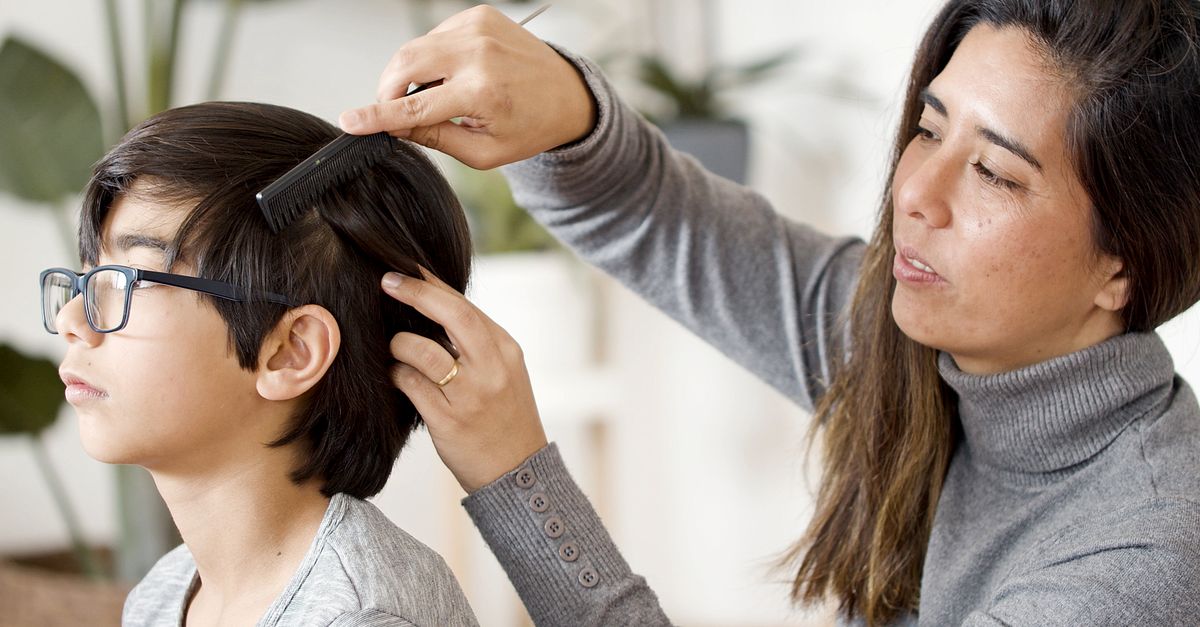
The duration of action is limited to the physical presence of the medication on the scalp. Once the product is thoroughly rinsed away, there is no residual pediculicidal activity. This lack of residual action is precisely why mechanical removal of the nits using a specialized fine-toothed comb is strongly recommended immediately following the hair washing process.
Children under two years of age should not be treated with this specific over-the-counter formulation without direct evaluation and authorization from a pediatrician, as their skin barriers are highly permeable.
9. How to Store & Dispose of Foster and Thrive Lice Killing
The medication must be stored at a stable room temperature, securely away from direct sunlight, excess humidity, and significant heat sources. The bottle must be tightly sealed when not in active use.
Proper disposal is critical due to the environmental toxicity of pyrethrins. These compounds are highly toxic to aquatic life, including fish and aquatic invertebrates. Unused medication must never be poured down household drains, sinks, or flushed into the sewage system.
Empty containers should be placed in standard household trash. Any substantial amount of leftover, expired liquid should be disposed of in accordance with local hazardous waste disposal regulations to protect local water supplies.
10. When to See a Doctor
Medical evaluation is mandatory if the lice infestation persists after the complete two-treatment cycle, indicating potential pharmacological resistance. Super lice, which carry genetic mutations rendering them immune to pyrethrins, may require prescription-grade oral or topical alternatives.
A doctor should be consulted immediately if the scalp develops severe purulent discharge, intense crusting, or increasing pain, which are clinical signs of a secondary bacterial infection requiring antibiotic intervention. Furthermore, any sudden onset of wheezing or facial swelling during application warrants emergency medical care.
Frequently Asked Questions (FAQ)
1. Why do I have to use the shampoo again after seven days?
The initial treatment kills live adult and nymph lice, but it does not destroy all the unhatched eggs. The second treatment eliminates any newly hatched lice before they can reproduce.
2. Can I leave the shampoo on for longer than ten minutes for better results?
No. Leaving the medication on the scalp for extended periods will not increase its effectiveness but will significantly increase the risk of severe skin irritation and chemical burns.
3. Should I use regular shampoo before applying the lice treatment?
No. You must apply the lice-killing product to completely dry hair. Water and regular shampoo can dilute the active ingredients and reduce their effectiveness.
4. Is it necessary to use a nit comb after washing the hair?
Yes. Since the medication is not fully ovicidal, physically removing the nits with a specialized fine-toothed comb is a critical step in preventing reinfestation.
5. Can I use this product on my pets to treat fleas?
No. Human pediculicides are strictly formulated for human skin. They can be highly toxic or lethal to animals, particularly cats, who lack the liver enzymes to process pyrethrins.
6. What should I do if the medication gets into my child’s eyes?
Flush the eyes immediately with generous amounts of cool, clean water for at least fifteen minutes. If redness or pain persists, seek immediate medical attention.
7. How can I prevent the lice from spreading to others in the house?
Avoid sharing hats, combs, and hair accessories. Wash all bedding, towels, and clothing used by the infested person in hot water, and dry them on the highest heat setting.
Bibliography
Disclaimer: The content is for informational purposes only and does not replace medical advice. Always consult your doctor or pharmacist for personalized treatment.