
1. Introduction
Hemiparesis is a neurological condition characterized by weakness on one entire side of the body. This weakness is not an issue with the muscles themselves, but rather stems from damage to the neural pathways in the brain or spinal cord that control motor function. Patients experiencing this condition may struggle with basic movements, such as lifting an arm, gripping an object, or walking steadily.
Understanding the root cause is a fundamental step toward recovery. Hemiparesis is a primary indicator of a central nervous system injury and requires immediate clinical evaluation to prevent further neurological decline.
The journey to regain motor function involves a dedicated combination of medical management and intensive physical rehabilitation. While the weakness can be profound, the concept of neuroplasticity provides a biological foundation for meaningful recovery and functional independence.
2. Defining Hemiparesis vs. Hemiplegia
In clinical terminology, precision is vital. Hemiparesis refers to unilateral muscle weakness, whereas hemiplegia denotes complete unilateral paralysis. Although the underlying causes are often identical, the severity of the motor deficit is what distinguishes the two conditions.
A patient with hemiparesis retains some degree of voluntary muscle contraction. They may be able to move their limbs against gravity or provide slight resistance during a physical examination. In contrast, hemiplegia involves a total loss of voluntary movement on the affected side.
These terms exist on a continuum of motor impairment. Depending on the progression or resolution of the underlying neurological event, a patient might transition from complete paralysis to weakness as neurological healing occurs, or vice versa if the condition worsens.
3. Neurological Mechanisms of Weakness
Motor control begins in the cerebral cortex of the brain. The primary motor cortex sends electrical signals down nerve tracts, predominantly the corticospinal tract, which travel through the brainstem and cross over to the opposite side of the spinal cord.
Due to this crossover, known as decussation, an injury to the right hemisphere of the brain results in weakness on the left side of the body, and an injury to the left hemisphere causes weakness on the right side. This anatomical fact is crucial for localizing the source of the injury during a clinical examination.
When these neural pathways are damaged by lack of oxygen, pressure, or inflammation, the signals are disrupted. The muscles remain intact, but they do not receive the adequate electrical impulses required for normal contraction, leading to the clinical presentation of unilateral weakness.
4. Common Causes: Stroke and Ischemia
A cerebrovascular accident, commonly known as a stroke, is the leading cause of unilateral weakness. Ischemic strokes occur when a blood clot blocks an artery supplying blood to the brain. Deprived of oxygen and glucose, brain tissue begins to die rapidly.
Hemorrhagic strokes happen when a weakened blood vessel ruptures, spilling blood into the brain tissue. This bleeding creates localized pressure and toxicity, which damages the delicate neural networks responsible for movement.
A transient ischemic attack can also cause temporary weakness. In these events, the blood flow is briefly interrupted but restores itself before permanent tissue damage occurs. However, such an attack is a critical warning sign of impending, more permanent neurological events.
5. Traumatic Brain Injury
Physical trauma to the head can inflict severe damage on the motor pathways. Motor vehicle collisions, falls, and sports injuries are common mechanisms of traumatic brain injury. The force of impact can cause direct contusions to the brain tissue or shearing forces that tear the axonal pathways.
In the aftermath of trauma, secondary injury mechanisms, such as brain swelling and localized bleeding, can compress the motor cortex or the brainstem. This compression disrupts the transmission of motor signals down the spinal cord.
The resulting weakness may be evident immediately after the injury or may develop gradually as inflammation peaks over the following days. Continuous neurological monitoring in an intensive care setting is essential for managing trauma patients.
6. Tumors and Central Nervous System Lesions
Primary brain tumors or metastatic lesions from cancers elsewhere in the body can grow and compress the motor regions of the brain. Unlike the sudden onset seen in vascular events, weakness caused by a tumor typically presents as a slowly progressive symptom.
As the mass expands, it encroaches on the motor strip or the internal capsule, a critical bottleneck of nerve fibers. Patients may first notice subtle clumsiness or mild fatigue in one limb, which gradually evolves into distinct weakness affecting the entire side of the body.
The surrounding edema associated with the tumor often exacerbates the motor deficit. Medical treatment frequently involves corticosteroids to reduce this swelling, which can temporarily improve motor function while definitive treatments like surgery or radiation are planned.
7. Infections Leading to Unilateral Weakness
Certain infectious processes can target the central nervous system and cause localized neurological deficits. Encephalitis, which is an inflammation of the brain parenchyma, and meningitis, an inflammation of the protective membranes covering the brain, are profound medical emergencies.
Brain abscesses are localized collections of pus resulting from bacterial or fungal infections. As an abscess grows, it acts as a space-occupying lesion, similar to a tumor, pressing against motor tracts and causing focal neurological signs, including weakness.
Specific pathogens have a predilection for causing central nervous system complications. Prompt diagnosis through cerebrospinal fluid analysis and targeted antimicrobial therapy are critical to halting the spread of the infection and minimizing permanent nerve damage.
8. Primary Symptoms and Motor Deficits
The hallmark symptom is weakness affecting the face, arm, and leg on one side of the body. The severity can vary; a patient might only experience a slight drooping of the facial muscles and a weak hand grip, or they may struggle to bear weight on the affected leg.
Fine motor skills are frequently impaired. Tasks that require dexterity, such as buttoning a shirt, tying shoes, or holding a utensil, become highly challenging.
Muscle tone is also affected. In the acute phase following an injury, the affected limbs may appear flaccid and heavy. Over time, as the central nervous system attempts to reorganize, this flaccidity often transitions into abnormal muscle stiffness or spasticity.
9. Sensory and Cognitive Implications
Motor weakness rarely exists in isolation. Because the sensory pathways run adjacent to the motor pathways in the brain, patients often experience concurrent sensory deficits. These include numbness, tingling, or a decreased ability to perceive temperature and pain on the affected side.
Cognitive and speech impairments are also common, particularly when the injury involves the dominant brain hemisphere. Aphasia, a disorder affecting the ability to comprehend or express language, frequently accompanies weakness on the right side of the body.
Neglect syndromes may occur, where the patient loses awareness of the weakened side of their body or the space surrounding it. Addressing these complex sensory and cognitive challenges is a vital component of holistic rehabilitation.
10. Clinical Evaluation and Diagnosis
The diagnostic process begins with a rigorous neurological examination. The clinician assesses muscle strength using a standardized grading scale, evaluates deep tendon reflexes, and tests sensory perception across various dermatomes.
Observation of the patient gait and posture provides critical clues about the extent of the motor deficit. The examiner will look for signs of facial asymmetry and test the coordination of the limbs.
A detailed medical history is crucial for establishing the timeline of symptom onset. Sudden onset strongly points toward a vascular event, whereas progressive weakness suggests a growing lesion or an underlying neurodegenerative process.
11. Neuroimaging Techniques
Accurate visualization of the brain is essential for identifying the precise cause of the weakness. Computed tomography scans are usually the first imaging modality employed, especially in emergency settings, to quickly rule out active intracranial bleeding.
Magnetic resonance imaging provides superior detail of the soft tissues of the brain and spinal cord. It is highly sensitive to early ischemic changes and can clearly delineate tumors, inflammatory lesions, or demyelinating plaques.
In specific cases, angiography may be utilized to map the blood vessels of the brain. This technique helps identify aneurysms, vascular malformations, or areas of severe arterial narrowing that contribute to the neurological deficits.
12. Acute Medical Management
Initial treatment strategies are dictated by the underlying etiology. In cases of acute ischemic stroke, time is of the essence. Thrombolytic medications, designed to dissolve blood clots, can restore blood flow and significantly reduce the severity of long-term weakness if administered within a narrow time window.
For hemorrhagic strokes, controlling blood pressure and managing intracranial pressure are the primary goals. Neurosurgical intervention may be necessary to evacuate a hematoma or secure a ruptured blood vessel.
When infections or inflammatory conditions are the root cause, immediate administration of appropriate antibiotics, antivirals, or high-dose corticosteroids is standard protocol to protect the delicate neural tissues from ongoing destruction.
13. Physical Therapy and Rehabilitation
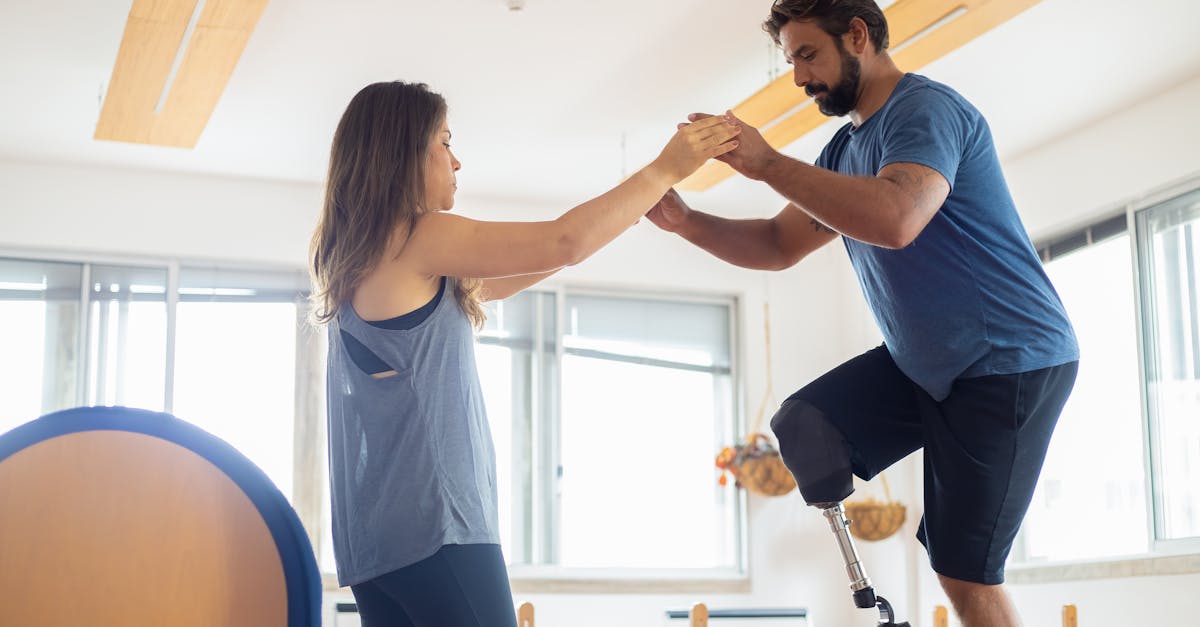
Rehabilitation should commence as soon as the patient is medically stable. Physical therapy is the cornerstone of recovery, aiming to improve strength, coordination, and overall mobility.
Therapists employ repetitive movement exercises to stimulate neuroplasticity. This biological process allows the healthy areas of the brain to form new neural connections and take over the functions previously controlled by the damaged regions.
Gait training is a major focus for patients with lower extremity weakness. This may involve the use of assistive devices, parallel bars, and body-weight supported treadmill training to help the patient relearn safe and efficient walking patterns.
14. Occupational Therapy Strategies
While physical therapy focuses heavily on gross motor functions and mobility, occupational therapy targets the fine motor skills necessary for activities of daily living. The goal is to maximize independence in self-care tasks.
Therapists teach adaptive techniques for dressing, bathing, and eating. They may introduce modified utensils or tools designed to be used with one hand if the weakness in the upper extremity is severe.
Constraint-induced movement therapy is a specialized technique sometimes utilized by occupational therapists. By physically restricting the unaffected limb, the patient is forced to use the weaker limb, which can accelerate the retraining of the neural pathways.
15. Long-term Prognosis
The trajectory of recovery is highly individualized. It depends on the size and location of the brain injury, the age of the patient, and their overall health status prior to the event.
The most rapid functional improvements typically occur within the first three to six months following the injury. However, with dedicated and continuous rehabilitation, patients can continue to make meaningful gains for years.
Maintaining a positive outlook and adhering to a structured home exercise program are essential for maximizing long-term outcomes. Support groups and psychological counseling can provide invaluable assistance in coping with the emotional challenges of chronic physical limitations.
16. Frequently Asked Questions (FAQ)
1. Is hemiparesis the same as a stroke?
No, it is a symptom rather than a disease itself. While a stroke is the most common cause, other conditions like brain tumors, infections, and head trauma can also cause this type of unilateral weakness.
2. Can full strength be regained after an episode of weakness?
Recovery varies greatly among individuals. Many patients regain significant function through intensive physical therapy and neuroplasticity, though some may experience lingering minor deficits.
3. Why does weakness affect the side opposite to the brain injury?
The nerve pathways that control voluntary movement cross over to the opposite side of the body in the brainstem. Therefore, a lesion in the left brain hemisphere results in right-sided weakness.
4. How does physical therapy help the brain heal?
Physical therapy utilizes repetitive exercises to encourage neuroplasticity, which is the ability of the brain to reorganize itself and form new neural connections to compensate for the damaged areas.
5. What role do caregivers play in the rehabilitation process?
Caregivers provide crucial emotional support and practical assistance. They help ensure safety at home, assist with prescribed exercise routines, and facilitate attendance at ongoing medical appointments.
17. Bibliography
Disclaimer: The content is for informational purposes only and does not replace medical advice. Always consult your doctor for personalized treatment.

