1. Introduction and Mechanism of Action for Sulfur
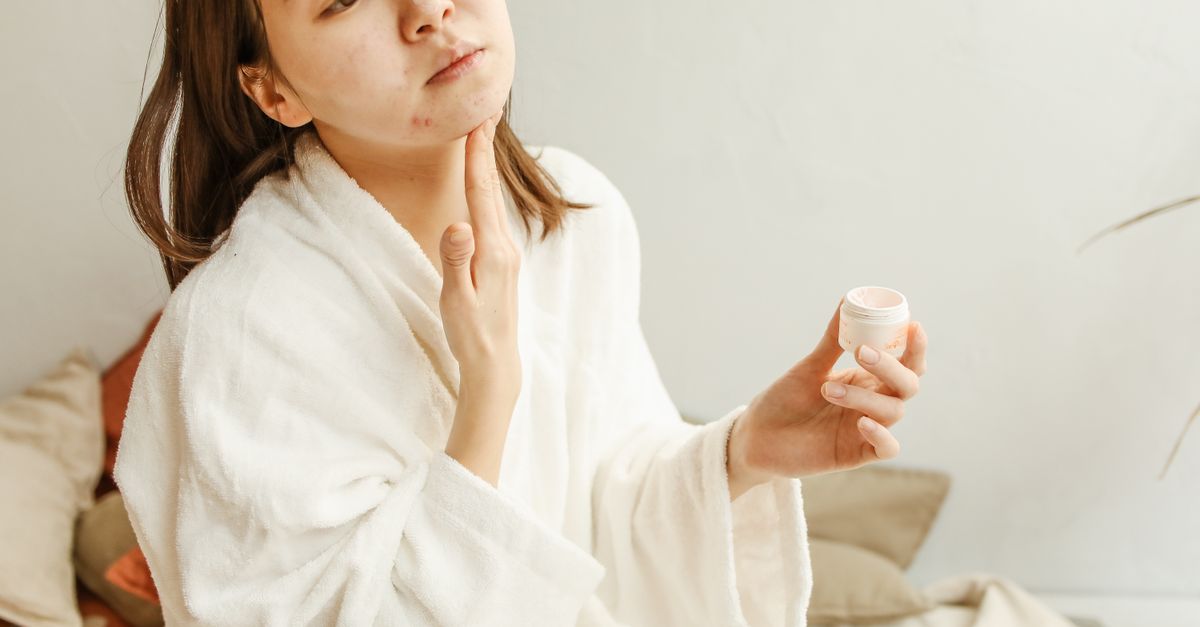
Sulfur Spot Treatment is a topical dermatological formulation indicated for the targeted management of acne vulgaris lesions. The active ingredient is elemental sulfur, which exerts both mild antibacterial and keratolytic effects, with localized dryness, peeling, and a distinctive odor being its most notable side effects.
Upon application to the epidermis, elemental sulfur interacts with organic tissues to form hydrogen sulfide and polythionic acid. These specific compounds exhibit bacteriostatic properties against Cutibacterium acnes, actively inhibiting bacterial proliferation within the isolated follicle. Concurrently, the keratolytic action of sulfur promotes the shedding of dead corneocytes from the stratum corneum. This localized exfoliation helps to actively unblock the sebaceous gland, clear the impacted comedone, and draw out excess trapped sebum, resulting in the rapid flattening of the targeted inflammatory lesion.
2. Vital Warnings and Prerequisites Before Using Sulfur
Patients with a known hypersensitivity to sulfur or sulfite compounds must strictly avoid this medication to prevent severe contact dermatitis. Applying this product to broken, severely irritated, or sunburned skin will precipitate significant stinging and worsen the underlying epidermal damage.
A practical clinical warning regarding sulfur treatments is the highly distinct, often unpleasant odor, frequently compared to rotten eggs. While manufacturers attempt to mask this scent, the natural odor of sulfur can linger on the skin and transfer to clothing or bedding. Patients should be aware of this aesthetic consideration prior to application.
Furthermore, sulfur possesses potent drying capabilities. Patients with inherently dry or severely compromised skin barriers must use this spot treatment with extreme caution, as it will rapidly dehydrate the localized area, potentially leading to painful cracking and prolonged erythema.
3. Indications and Dosage Guide for Sulfur Spot Treatment
Sulfur Spot Treatment is clinically indicated for the rapid, targeted resolution of active, inflammatory acne papules and pustules. It is also frequently utilized in dermatological protocols for the management of mild rosacea flare-ups, as sulfur possesses inherent anti-inflammatory properties that reduce facial redness.
The product must be applied exclusively as a spot treatment. The patient should gently cleanse the face and pat it completely dry. A very small amount of the treatment should be dabbed directly onto the active lesion using a clean cotton swab or fingertip. It must not be spread over large areas of the face like a moisturizer or standard serum.
Therapy typically involves applying the treatment one to three times daily, strictly depending on the patient’s tolerance and the specific formulation instructions. If severe dryness or excessive peeling occurs, the frequency of application must be reduced to once daily or every other day until the skin acclimates.
4. In-Depth Side Effects Analysis of Sulfur
Applying a potent drying agent directly to an inflamed lesion generates specific localized side effects. Monitoring the application site ensures the medication does not cause unnecessary epidermal trauma.
| Side Effect Category | Specific Symptoms |
|---|---|
| Dermatological | Localized dryness, erythema, pronounced peeling, flaking |
| Sensory | Mild burning, temporary stinging upon application |
| Immunological | Contact dermatitis (rare) |
| Systemic | None expected with localized topical use |
Common Side Effects
The most universally expected pharmacological effect of sulfur is profound localized drying and peeling at the exact site of application. The skin directly surrounding the treated pimple will often become red, flaky, and tight as the sulfur draws out the excess oil and fluid. A mild, transient stinging sensation lasting a few seconds upon initial application is also highly common.
Serious Side Effects You Should Report
Immediate discontinuation of the product is necessary if the patient develops signs of severe allergic contact dermatitis. These clinical signs include the rapid onset of weeping blisters, severe unremitting pain, significant spreading redness beyond the application site, or severe facial swelling. These symptoms indicate a true hypersensitivity reaction to the sulfur compound.
Rare Side Effects
True systemic allergic reactions to topical sulfur are exceptionally rare. However, in highly sensitive individuals, repeated application can lead to a severe localized inflammatory response that mimics a chemical burn, requiring the use of topical corticosteroids to resolve the severe inflammation.
Side Effects That Usually Do Not Require Medical Attention
Standard, moderate skin peeling, temporary localized redness, and a brief stinging sensation are normal indicators that the medication is actively drying out the blemish. These effects do not require a physician’s intervention and resolve quickly once the spot treatment is discontinued after the pimple flattens.
5. Recognizing Sulfur Overdose Symptoms
An acute systemic overdose from Sulfur Spot Treatment is clinically impossible through standard topical application, as the elemental sulfur does not enter the systemic circulation in any significant quantities.
A localized topical overdose occurs when a patient applies an excessively thick layer of the treatment, applies it to a large area of the face rather than a single spot, or uses it too frequently. This presents as a localized chemical burn, characterized by painful erythema, aggressive sloughing of the skin, and severe dehydration of the epidermis. Medical management for a topical overdose requires immediately stopping the product, cleansing the area gently with water, and applying a thick, healing emollient to restore the damaged skin barrier.
6. Managing a Missed Dose and What to Avoid
Because Sulfur Spot Treatment is utilized strictly on an as-needed basis for acute symptom management of active blemishes, a missed dose is clinically irrelevant. If the patient forgets an application, they may simply apply the treatment when they remember, ensuring they do not exceed the recommended daily frequency.
During therapy, patients must diligently avoid applying other highly abrasive or drying skincare products directly over the treated spot. The concurrent use of physical exfoliating scrubs, benzoyl peroxide creams, or strong alpha-hydroxy acids on the same lesion will synergistically destroy the stratum corneum, leading to raw, painful, and severely compromised skin.
7. What Drugs Interact with Sulfur?
Elemental sulfur has specific topical pharmacological interactions that must be managed to prevent severe epidermal damage. Co-administration of sulfur with topical formulations containing resorcinol or sodium sulfacetamide is common and highly synergistic for treating severe acne or rosacea, but this combination heavily amplifies the localized drying and peeling effects.
Furthermore, utilizing sulfur concurrently with topical retinoids, specifically tretinoin or adapalene, on the same exact spot is highly discouraged. Both agents are potent exfoliants; combining them will cause severe chemical irritation, burning, and increased photosensitivity. If a patient is using an all-over topical retinoid, the sulfur spot treatment should be reserved for morning use to strictly separate the application times.
8. Precautions, Safety, and Duration of Action
Clinical precaution is mandated when applying this treatment near the delicate skin of the eyes, as sulfur vapors can cause mild ocular irritation and watering. Pregnant women should consult their obstetrician before utilizing sulfur-based treatments, although topical application is generally considered highly safe during gestation.
The onset of visual clinical improvement is typically rapid. Sulfur effectively begins to dry out and flatten inflammatory papules and pustules within twenty-four to forty-eight hours of application. The localized antimicrobial and keratolytic effects persist strictly while the medication remains on the skin.
9. How to Stop Taking the Drug and Proper Storage
Sulfur Spot Treatment is not associated with any physiological withdrawal symptoms. The medication can and should be discontinued abruptly the moment the targeted blemish has flattened and healed. Continued use on healed skin provides no benefit and will only cause unnecessary dryness and peeling.
Store the medication at a stable room temperature, strictly between twenty and twenty-five degrees Celsius. The container must be kept tightly sealed to prevent the formulation from drying out and hardening. Ensure the product is stored completely out of the reach of children.
10. When to See a Doctor
A dermatological consultation is strictly required if the patient’s targeted acne lesions fail to demonstrate any clinical improvement after several days of consistent application, or if the blemishes continue to grow, become severely painful, or develop into deep cystic nodules.
Immediate medical evaluation is absolutely mandatory if the spot treatment induces severe blistering, persistent weeping of the skin, or significant facial swelling indicative of a severe allergic hypersensitivity reaction or a secondary bacterial infection at the application site.
Frequently Asked Questions (FAQ)
1. How exactly does Sulfur Spot Treatment make pimples go away?
Sulfur actively draws out excess oil and moisture from the pimple, drying it up rapidly. It also kills the acne-causing bacteria and forces the dead skin cells blocking the pore to peel away.
2. Why does this medication smell so bad?
Elemental sulfur naturally possesses a distinct odor often compared to rotten eggs. While manufacturers try to mask it, the smell is a natural, unavoidable property of the active ingredient.
3. Can I use this treatment all over my face as a preventative mask?
No. You must only apply it to active, individual pimples. Applying a spot treatment over your entire face will cause severe, widespread dryness, intense redness, and painful peeling.
4. Is it safe to leave the spot treatment on overnight?
Yes. It is highly common and effective to apply the treatment directly to a pimple before bed and leave it on overnight to dry out the lesion while you sleep.
5. Will sulfur bleach my clothing or pillowcases like other acne creams?
No. Unlike oxidizing agents, sulfur does not possess bleaching properties and will not permanently remove the color from your fabrics or towels.
6. Should I apply a moisturizer over the spot treatment?
It is generally best to apply your moisturizer first, let it dry, and then dab the spot treatment directly onto the pimple. This ensures the sulfur can dry out the blemish without being diluted.
7. Can I use this medication to treat a deep, painful cystic pimple?
Sulfur is highly effective for surface-level pimples (pustules). It is generally less effective for deep, blind cysts because it cannot penetrate deeply enough into the skin to reach the infection.
8. What should I do if the skin around the pimple becomes extremely raw and red?
You have likely over-applied the product. Stop using the spot treatment immediately, wash the area with cool water, and apply a healing ointment until the raw skin barrier repairs itself.
9. Is sulfur a safe acne treatment to use during pregnancy?
Topical sulfur is widely considered one of the safest acne treatments available during pregnancy, but you must always verify any new skincare products with your obstetrician first.
10. Can I pop the pimple before applying the sulfur treatment?
Absolutely not. Applying strong drying agents to an open, popped pimple will cause severe, intense stinging and can drastically slow down the healing process, increasing your risk of a permanent scar.
Bibliography
Disclaimer: The content is for informational purposes only and does not replace medical advice. Always consult your doctor or pharmacist for personalized treatment.