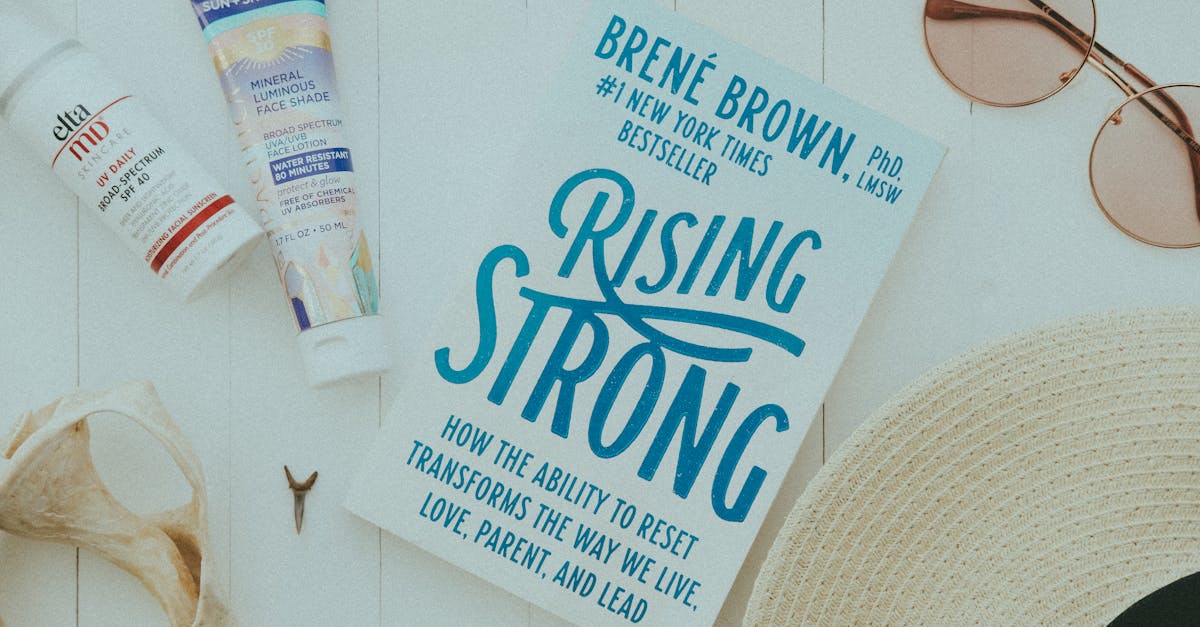
Sun Guard is a topical photo-protective agent utilizing the active mineral zinc oxide to shield the skin from harmful ultraviolet radiation. The most frequently encountered side effect is localized skin dehydration and a temporary, mild irritation, resulting directly from the compound’s highly astringent and moisture-absorbing physical properties.
1. Introduction & Mechanism of Action of Sun Guard
Unlike chemical sunscreens that absorb ultraviolet radiation and convert it into heat, Sun Guard operates strictly as a physical inorganic filter. Upon application, the zinc oxide particles rest entirely upon the outermost layer of the epidermis, the stratum corneum. These highly refractive mineral particles form an opaque, physical shield.
This inert barrier actively reflects and scatters both Ultraviolet A and Ultraviolet B radiation away from the skin surface before the photons can penetrate living cellular tissue. By preventing ultraviolet penetration, zinc oxide effectively halts the immediate erythema associated with sunburns and mitigates the long-term cumulative DNA damage that precipitates premature photoaging and cutaneous malignancies.
2. Warnings & Prerequisites Before Using Sun Guard
Zinc oxide is exceptionally safe and widely tolerated; however, application requires careful consideration of the epidermal surface. Sun Guard is contraindicated for use over deep puncture wounds, severe third-degree burns, or actively bleeding lacerations. Applying a thick, occlusive mineral paste into deep fascial tissue can trap anaerobic bacteria, significantly increasing the risk of a severe, localized infection.
Patients utilizing powder-based formulations of zinc oxide must exercise extreme caution to avoid inhalation. While topically inert, inhaling fine zinc oxide particulate matter can induce severe chemical pneumonitis and acute respiratory distress, a syndrome often referred to clinically as metal fume fever.
3. Clinical Indications & Sun Guard Dosage Guide
Sun Guard is clinically indicated for the prevention of ultraviolet-induced erythema, commonly known as sunburn, and as a broad-spectrum prophylactic measure against skin cancer and premature cutaneous aging. Because zinc oxide possesses mild astringent properties, it is also occasionally utilized to soothe minor, superficial skin chafing.
For optimal photo-protection, the formulation must be applied generously and evenly to all exposed skin surfaces at least fifteen minutes prior to sun exposure. The dosage is strictly volume-dependent; inadequate application thickness exponentially reduces the sun protection factor. Complete reapplication is mandatory every two hours, and immediately following heavy diaphoresis, swimming, or vigorous towel drying.
4. In-Depth Sun Guard Side Effects Analysis
Due to its inability to cross the stratum corneum and enter the systemic circulation, adverse reactions to zinc oxide are entirely localized and predominantly cosmetic or mild in severity.
Common Side Effects
The most universally observed reaction is the lingering presence of a white, chalky cast on the skin, which is a direct reflection of the mineral’s physical barrier properties. Patients frequently report mild localized dryness or a sensation of skin tightness after prolonged use, owing to the mild astringent and moisture-drawing characteristics of the zinc compound.
Serious Side Effects You Should Report
Severe dermatological reactions are exceedingly rare but require prompt clinical evaluation. Patients must seek medical care if the application site develops painful, weeping sores, severe localized swelling, or if the skin becomes fiery red and hot to the touch, which may indicate a secondary bacterial infection. The sudden onset of widespread hives or facial edema indicates a systemic allergic reaction to a carrier ingredient or preservative in the lotion base.
Rare Side Effects
Allergic contact dermatitis specifically attributed to zinc oxide is virtually non-existent; however, hypersensitivity to added botanical fragrances, chemical stabilizers, or heavy lipid bases within the formulation can rarely occur. This presents as a pruritic, spreading rash strictly confined to the areas where the product was applied.
Side Effects That Usually Do Not Require Medical Attention
Mild difficulty in washing the product off at the end of the day is an expected characteristic of highly water-resistant mineral barriers. A transient worsening of acne vulgaris may occur in patients with highly sebaceous skin due to the occlusive nature of the heavy cream bases often used to suspend the zinc particles.
| Side Effect Category | Specific Symptoms |
|---|---|
| Dermatological | Mild skin dryness, localized peeling, white cosmetic cast |
| Follicular | Mild comedogenesis, exacerbation of acne |
| Allergic | Rare contact dermatitis to formulation additives |
5. Recognizing a Sun Guard Overdose
A toxic overdose via topical application of zinc oxide is physiologically impossible, as the heavy mineral molecules cannot penetrate intact skin to enter the bloodstream. Applying an excessively thick layer merely wastes the product and exacerbates the white cosmetic cast without providing proportional increases in photo-protection.
Accidental oral ingestion of zinc oxide sunscreen, most commonly observed in pediatric settings, constitutes a minor toxicological event. Ingestion typically results in mild gastrointestinal distress, presenting as nausea, localized stomach cramping, and mild vomiting due to the irritating nature of the heavy lipid base and the mineral content. Supportive care and fluid replacement are generally sufficient, though a poison control center should be consulted.
6. Missed Dose & What to Avoid While Using Sun Guard
As a prophylactic barrier, there is no strict dosing schedule. However, missing a reapplication interval during active sun exposure directly exposes the skin to severe ultraviolet damage. If a reapplication is missed, the patient must immediately seek physical shade and reapply the mineral shield generously.
While using this product, patients must avoid relying solely on sunscreen for ultraviolet protection during peak solar hours. Furthermore, care must be taken to avoid applying the cream directly onto the conjunctiva or internal mucosal membranes, as the thick, gritty paste will cause severe mechanical irritation and require extensive ocular flushing.
7. Sun Guard Drug & Topical Interactions
Systemic pharmaceutical interactions are entirely non-existent. However, topical absorption interactions must be carefully managed. Zinc oxide must not be applied concurrently over prescription topical treatments, such as hydrocortisone or antifungal creams, without strategic spacing.
If prescribed both, the targeted pharmaceutical medication must be applied first and allowed to absorb completely into the skin for a minimum of fifteen minutes. Applying the dense zinc oxide barrier first will physically block the absorption of the prescription drug, rendering the targeted therapy entirely ineffective.
8. Precautions, Safety Profile & Duration of Action for Sun Guard
The photo-protective effect of Sun Guard is instantaneous upon application, eliminating the waiting period typically required for chemical sunscreens to bind with the epidermis. The duration of action relies entirely on the physical presence of the cream; it remains effective until it is physically wiped, washed, or sweated off the skin.
The safety profile of physical zinc oxide is exceptional, making it the preferred photo-protective agent for pediatric patients, pregnant women, and individuals with highly reactive or compromised skin barriers.
9. How to Safely Stop Sun Guard & Storage Guidelines
Use of the sunscreen can be discontinued immediately without any physiological withdrawal effects. Thoroughly washing the skin with a mild, oil-based cleanser is often necessary to break down the highly water-resistant mineral barrier and prevent pore occlusion.
Store the product at controlled room temperature. Exposure to extreme heat, such as inside a parked vehicle, will cause the heavy cream emulsions to melt and permanently separate from the heavy zinc powder, severely compromising the even distribution and integrity of the physical barrier. Keep the product securely sealed.
10. When to Seek Medical Attention for Sun Guard Side Effects
Urgent medical assessment is required if the patient develops a severe, blistering sunburn despite the use of the product, which may indicate a catastrophic failure of application technique or product expiration resulting in sun poisoning. Furthermore, if a severe, itchy rash rapidly spreads across all application areas, a physician must evaluate the patient for a severe hypersensitivity reaction to the formulation’s preservatives.
Frequently Asked Questions FAQ
1. How does zinc oxide differ from standard chemical sunscreens?
Zinc oxide acts as a physical shield that sits on top of the skin and reflects sunlight away. Chemical sunscreens absorb into the skin and convert sunlight into heat through a chemical reaction.
2. Why does this sunscreen leave my skin looking so white?
The white cast is the actual physical zinc oxide mineral resting on your skin. Because it reflects light, it appears opaque and white, proving that the physical barrier is in place.
3. Do I need to wait fifteen minutes before going outside after applying it?
No. Because zinc oxide provides a physical barrier, it begins reflecting ultraviolet rays the exact moment you apply an even layer to your skin.
4. Can I use this product if I have acne-prone skin?
Yes, zinc oxide itself is non-comedogenic and mildly anti-inflammatory, but the heavy creams used to suspend the mineral can sometimes trap sweat and worsen acne. Proper cleansing at night is required.
5. What should I do if my child eats a handful of the cream?
Wipe out their mouth with a damp cloth and offer them water. It is generally not highly toxic, but it may cause mild vomiting or stomach upset. Contact poison control for specific reassurance.
6. Is it safe to apply this over my prescription steroid cream?
You must apply the prescription cream first and wait at least fifteen minutes for it to absorb. If you apply the zinc first, the steroid cream will not be able to penetrate the physical barrier.
7. How do I effectively wash this heavy cream off at night?
Because zinc oxide is highly water-resistant, standard soap may struggle to remove it. Using an oil-based cleanser or micellar water first helps break down the barrier effectively.
Bibliography
Disclaimer: The content is for informational purposes only and does not replace medical advice. Always consult your doctor or pharmacist for personalized treatment.