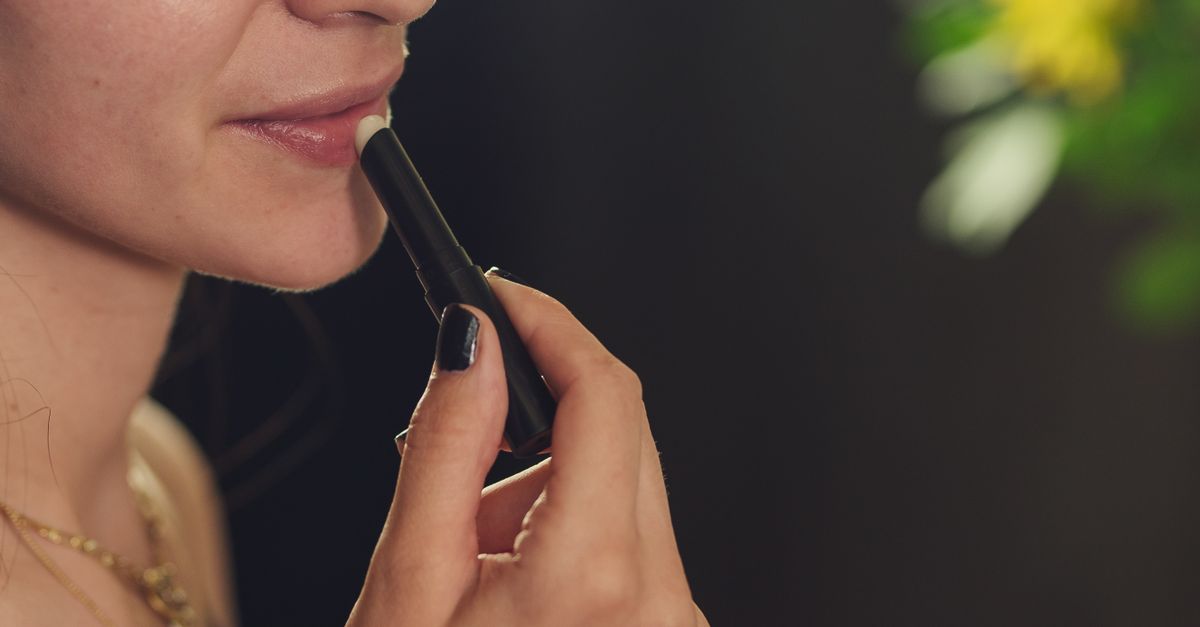
Sweet Honey Lip Balm is a topical protective formulation utilizing zinc oxide and Calendula officinalis flower extract to shield and repair severely compromised labial tissue. The most frequently observed side effect is a localized, paradoxical drying of the lips, primarily driven by the potent astringent and moisture-absorbing physical properties of the zinc oxide component.
1. Introduction & Mechanism of Action of Sweet Honey Lip Balm
The therapeutic efficacy of this specialized lip balm relies on the synergistic actions of a physical inorganic mineral and an active pharmacological botanical extract. Zinc oxide serves as the primary barrier agent. When applied to the lips, it does not penetrate the mucosal tissue; instead, it rests entirely on the surface, forming an impenetrable, hydrophobic physical shield. This opaque barrier actively reflects ultraviolet radiation and physically blocks environmental wind and cold from further damaging the delicate tissue.
Simultaneously, the lipophilic extracts of Calendula officinalis penetrate the superficial layers of the lips to deliver high concentrations of bisabolol and active triterpenoids. These potent biochemical agents actively inhibit local inflammatory pathways, fundamentally suppressing the production of pro-inflammatory cytokines. This targeted reduction in localized inflammation quickly alleviates the severe erythema, swelling, and throbbing pain inherently associated with severely chapped or wind-burned lips.
2. Warnings & Prerequisites Before Using Sweet Honey Lip Balm
While formulated with highly gentle ingredients, careful tissue assessment is required prior to application. Sweet Honey Lip Balm is strictly contraindicated for use on deep, actively bleeding lacerations of the lip, or severe, weeping second-degree thermal burns. Applying a thick, occlusive wax paste deep into bleeding tissue can trap anaerobic bacteria, massively increasing the risk of a severe, localized infection and delaying natural wound closure.
Patients must also ensure they do not possess a known hypersensitivity to plants in the Asteraceae botanical family, which includes ragweed, chrysanthemums, and daisies. Due to the high concentrations of calendula, cross-reactivity is remarkably high and can trigger severe allergic responses upon application to the highly sensitive mucosal tissues of the mouth.
3. Clinical Indications & Sweet Honey Lip Balm Dosage Guide
Sweet Honey Lip Balm is clinically indicated for the daily management and symptomatic relief of severe labial xerosis, environmental windburn, minor sunburn of the lips, and superficial fissures resulting from extreme dehydration.
For optimal therapeutic benefit, the balm should be applied generously to the lips immediately prior to environmental exposure or immediately after washing the face. Patients should glide the stick gently over the lips, ensuring the entire mucosal surface is covered with a visible, protective film. Application can be repeated as frequently as needed throughout the day, particularly after eating, drinking, or aggressively wiping the mouth, which physically removes the zinc barrier.
4. In-Depth Sweet Honey Lip Balm Side Effects Analysis
Due to the inert chemical nature of zinc oxide and the localized application of the botanical extracts, adverse reactions are exceptionally rare and restricted entirely to the labial mucosa and surrounding skin.
Common Side Effects
The most universally observed reaction is the lingering presence of a white, chalky cast on the lips, which is a direct reflection of the zinc mineral’s physical barrier properties. Patients frequently note mild, localized dryness or slight peeling of the lips after prolonged, exclusive use. This paradoxical drying is a direct result of the zinc compound’s astringent properties actively drawing moisture away from the mucosal surface over time.
Serious Side Effects You Should Report
Severe localized reactions require immediate medical evaluation. Patients must seek urgent clinical care if the lips rapidly worsen, develop deep, oozing sores filled with yellow pus, or if the surrounding skin becomes fiery red and hot to the touch, indicating a secondary bacterial infection. The sudden onset of widespread hives, severe swelling of the tongue, or difficulty swallowing indicates a rare systemic allergic reaction to a carrier ingredient or the botanical extracts.
Rare Side Effects
In exceedingly rare instances, patients may develop allergic contact dermatitis specifically to the natural beeswax, propolis, or specific botanical resins utilized to formulate the solid stick. This immune-mediated hypersensitivity presents as a severe, weeping, and intensely itchy rash strictly confined to the borders of the lips.
Side Effects That Usually Do Not Require Medical Attention
A lingering, earthy, or mildly floral odor and taste is an expected, harmless characteristic of the unrefined calendula extract and requires no medical intervention. Minor, temporary tingling that immediately improves after the balm forms a barrier is a normal physiological response on severely chapped, raw lips.
| Side Effect Category | Specific Symptoms |
|---|---|
| Dermatological | Mild lip dryness, localized peeling, white cosmetic residue |
| Infectious (Secondary) | Worsening erythema if applied over active bacterial infection |
| Allergic | Rare contact dermatitis to botanical proteins or formulation additives |
5. Recognizing a Sweet Honey Lip Balm Overdose
Topical overdose of this formulation is physiologically impossible, as the heavy zinc molecules and complex botanical polysaccharides cannot penetrate the intact mucosal barrier in sufficient quantities to enter the systemic circulation. Applying excessively thick layers simply wastes the product and exacerbates the white, chalky appearance on the lips.
Accidental oral ingestion of the balm, a scenario frequently seen in pediatric populations who may bite or chew the stick, constitutes a minor toxicological event. Ingestion typically results in mild to moderate gastrointestinal distress, presenting as nausea, localized stomach cramping, and mild diarrhea due to the heavy lipid wax base and the complex plant resins. Emergency medical services should be contacted for supportive care guidelines.
6. Missed Dose & What to Avoid While Using Sweet Honey Lip Balm
Since this lip balm is used strictly as a protective barrier on an as-needed basis for symptom control, there is no formal dosing schedule. If an application is missed and the lips begin to feel dry or chapped, the patient should simply apply a fresh layer to re-establish the protective, soothing barrier.
Patients must strictly avoid aggressively biting, picking, or peeling the dry skin off their lips while using this product. Mechanical tearing of the delicate mucosal tissue creates deep fissures that the balm cannot immediately repair, drastically increasing the risk of agonizing pain and severe bacterial infections. Furthermore, avoid sharing the lip balm stick with any other individual to prevent the transmission of highly contagious oral pathogens, such as the herpes simplex virus.
7. Sweet Honey Lip Balm Drug & Topical Interactions
Systemic pharmaceutical interactions are entirely non-existent. However, topical interactions must be managed carefully. Sweet Honey Lip Balm must not be applied concurrently over prescription topical treatments for the lips, such as topical antiviral creams for cold sores, unless explicitly directed by a physician.
If directed to use both, the prescription medication must be applied first and allowed to absorb completely into the tissue for at least fifteen minutes. Applying the dense zinc oxide and wax barrier first will completely block the absorption of the prescription drug, rendering the targeted pharmaceutical therapy entirely ineffective.
8. Precautions, Safety Profile & Duration of Action for Sweet Honey Lip Balm
The soothing, anti-inflammatory effect of the calendula begins within minutes of application, while the physical barrier protection persists as long as the waxy paste remains visible on the lips. Reapplication is definitively required after eating, heavy drinking, or continuous mechanical friction.
The safety profile of both zinc oxide and calendula is excellent, making it a highly preferred treatment for daily environmental protection. However, patients utilizing the formulation must ensure the stick is kept meticulously clean. Debris, food particles, or bacteria on the surface of the stick can easily be transferred directly into micro-fissures on the lips during application.
9. How to Safely Stop Sweet Honey Lip Balm & Storage Guidelines
Use of the barrier balm can be discontinued immediately once the lips have fully healed and the severe chapping has resolved. Patients may choose to transition to a standard, non-medicated daily emollient or continue use strictly prior to severe environmental exposure.
Store the tube at controlled room temperature. Exposure to extreme heat, such as inside a hot vehicle, will cause the heavy lipid bases to melt entirely and separate from the zinc powder, severely compromising the physical integrity of the protective paste and destroying the applicator mechanism. Ensure the cap is secured tightly to prevent contamination and keep the tube out of the reach of infants.
10. When to Seek Medical Attention for Sweet Honey Lip Balm Side Effects
Urgent medical assessment is required if the severely chapped lips show no clinical improvement after seven days of continuous, proper treatment, or if deep fissures begin to bleed continuously. Furthermore, if the patient develops a high systemic fever, or if the lips begin to present with bright red streaks spreading outward, a physician must evaluate the patient immediately for a prescription antibacterial intervention to treat a secondary infection.
Frequently Asked Questions FAQ
1. How exactly does zinc oxide protect my lips?
Zinc oxide does not absorb into your skin. It sits directly on the surface of your lips like a physical shield, reflecting harsh sunlight and physically blocking cold wind from causing further damage to the delicate tissue.
2. Why does this lip balm leave a white film on my mouth?
The white cast is the actual physical zinc oxide mineral resting on your lips. Because it reflects light, it appears opaque and white, proving that the physical protective barrier is securely in place.
3. Why do my lips feel drier after using this balm for a week?
Zinc oxide acts as a mild astringent, which means it can actively draw moisture away from the surface of the skin. Prolonged use without applying a hydrating water-based product underneath can cause paradoxical dryness.
4. What should I do if my child eats a chunk of the lip balm?
Wipe out their mouth with a soft, damp cloth and offer them water. The wax and zinc are generally not highly toxic, but ingestion may cause mild vomiting or diarrhea. Contact poison control for specific reassurance.
5. Can I use this balm on a cold sore?
You should consult a doctor first. While the barrier protects the sore, sharing the stick will contaminate the entire product with the herpes virus. Furthermore, a heavy wax barrier will completely block prescription antiviral creams from working.
6. Is it safe to share this lip balm with my family members?
Absolutely not. The stick directly touches mucosal tissue and saliva. Sharing the stick will instantly transfer highly contagious viruses, bacteria, and dead skin cells directly to another person’s mouth.
7. Why did the lip balm melt into a liquid and ruin the tube?
Natural waxes and heavy lipid bases have low melting points. If you left the tube in a hot environment, the product melted, permanently breaking the emulsion and destroying the twist-up mechanism. The product must be discarded.
Bibliography
Disclaimer: The content is for informational purposes only and does not replace medical advice. Always consult your doctor or pharmacist for personalized treatment.