1. Introduction and Mechanism of Action for Vanilla Mint Lip Balm
Vanilla Mint Lip Balm is an over-the-counter photoprotective agent utilizing a blend of organic chemical filters to shield the vulnerable labial mucosa from harmful solar radiation. The most notable side effect experienced by patients is localized contact dermatitis, which frequently presents as a brief stinging sensation or superficial redness, occasionally provoked by the artificial vanilla and mint flavoring agents interacting with the active sunscreens.
The therapeutic efficacy of this product is rooted in the synergistic action of four specific ultraviolet absorbers. Avobenzone is a premier chemical filter that provides comprehensive protection against Ultraviolet A radiation, the primary culprit behind deep cellular aging and long-term DNA damage. To counteract avobenzone’s natural tendency to degrade when exposed to sunlight, octocrylene is incorporated as a critical chemical stabilizer.
Furthermore, octocrylene, octinoxate, and octisalate function collectively as highly efficient Ultraviolet B absorbers. These compounds rapidly penetrate the superficial layers of the lip mucosa. When struck by high-energy ultraviolet photons, these filters absorb the radiation, undergo a harmless conformational change, and release the absorbed energy as imperceptible thermal heat. The mint component adds a direct sensory effect, interacting with localized nerve receptors to provide a distinct cooling sensation.
2. Warnings and Prerequisites Before Using Vanilla Mint Lip Balm
Prior to integrating this chemical protectant into a daily regimen, patients must carefully review their history of dermatological allergies. Individuals with a known hypersensitivity to organic ultraviolet filters or peppermint extracts must completely avoid this formulation. Applying these chemicals to sensitized labial tissue can precipitate profound mucosal swelling, intense pruritus, and painful blistering.
This formulation is designed strictly for external topical use on the lips. While the incidental ingestion of trace amounts during normal oral function is unavoidable and safe, the product must never be consumed in large quantities. Intentional ingestion of the concentrated chemical filters and lipid base poses a substantial risk for gastrointestinal distress and systemic toxicity.
Clinical caution is strongly advised regarding pediatric applications. The use of complex chemical sunscreens is contraindicated in infants under the age of six months. The epidermal barrier in infants is highly immature, allowing for the rapid systemic absorption of the active chemical filters. For this vulnerable population, physical shade and protective clothing remain the standard of care.
3. Indications and Dosage Guide for Vanilla Mint Lip Balm
Vanilla Mint Lip Balm is clinically indicated for the prevention of acute labial erythema, commonly known as sunburn, caused by Ultraviolet B rays. It is also indicated for the long-term prevention of actinic cheilitis and premature photoaging resulting from chronic Ultraviolet A exposure, significantly lowering the risk of mucosal malignancies.
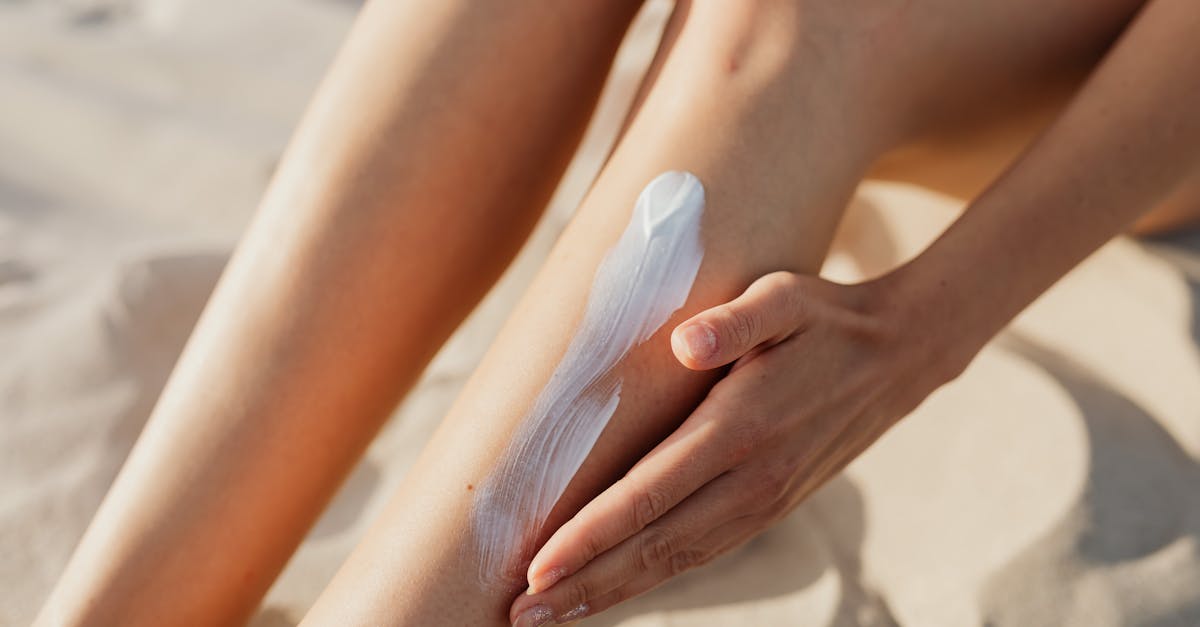
To ensure adequate photoprotection, the application technique must be thorough. The patient should apply a generous, opaque layer of the balm across the entire surface of the upper and lower lips. Crucially, this application must occur a minimum of fifteen minutes before direct exposure to sunlight. This waiting period is biologically necessary for the chemical filters to adhere properly to the mucosal cells.
Routine reapplication is the cornerstone of effective chemical sun protection. The protective capabilities of the organic filters inherently degrade under continuous ultraviolet bombardment. Consequently, the balm must be entirely reapplied every two hours. Immediate reapplication is also mandated after eating, drinking, or any physical activity that introduces friction to the mouth area.
4. In-Depth Side Effects Analysis of Vanilla Mint Lip Balm
Applying a combination of potent chemical ultraviolet absorbers and artificial flavoring agents to the highly sensitive and vascularized lip tissue carries an inherent risk of localized adverse reactions.
Common Side Effects
The interaction between the active organic chemicals, the vanilla mint flavoring, and the delicate mucosal lining frequently triggers transient sensory responses.
| Side Effect Category | Specific Symptoms |
|---|---|
| Sensory Reactions | Mild stinging, distinct cooling sensation upon initial application |
| Dermatological | Slight localized redness, feeling of superficial dryness |
Serious Side Effects You Should Report
Patients must immediately discontinue use and seek a clinical evaluation if they develop signs of a severe allergic contact cheilitis. The rapid onset of significant swelling of the lips extending to the surrounding skin, severe burning pain, or the formation of weeping blisters indicates a profound hypersensitivity reaction requiring immediate medical management.
Rare Side Effects
A rare, distinct clinical complication associated with the ingredient octocrylene is photoallergic contact dermatitis. In this specific scenario, the chemical filter remains inert until it is bombarded by ultraviolet light. The radiation alters the molecule, transforming it into an allergen. This triggers a delayed, intensely itchy, and severe rash on the lips that can take up to forty-eight hours to manifest.
Side Effects That Usually Do Not Require Medical Attention
A lingering waxy or heavy sensation on the lips is a completely normal physical characteristic of the lipid matrix used to suspend the chemical filters. Additionally, an unpleasant, sharp chemical taste experienced when licking the lips is an expected consequence of the active sunscreen ingredients and requires no medical intervention.
5. Vanilla Mint Lip Balm Overdose Symptoms and Management
A life-threatening systemic overdose caused by the standard topical application of this balm on adult lips is biologically impossible. However, the chronic, excessive application of the heavy lipid base without proper evening cleansing can severely occlude the perioral pores. This occlusion frequently leads to localized acneiform eruptions or worsening of pre-existing perioral dermatitis.
The accidental oral ingestion of an entire container of the balm, particularly by a small child, presents a significant toxicity hazard. The concentrated ingestion of avobenzone, octinoxate, and octisalate can induce substantial gastrointestinal disturbances, manifesting as severe nausea, abdominal cramping, and vomiting. The high concentration of waxes and oils will also produce a pronounced laxative effect.
In the event of severe localized irritation, the patient should gently wipe the balm off and cleanse the lips with cool water. If a pediatric patient accidentally ingests the entire product, caregivers must absolutely not induce vomiting. Immediate contact with a regional poison control center or transport to a local emergency department is required for supportive care.
6. Missed Dose and What to Avoid During Therapy
Because photoprotection is a preventative measure, a missed dose refers to failing to apply the product prior to sun exposure or neglecting the two-hour reapplication schedule. If this occurs, the patient must immediately move to a shaded area, apply a generous layer of the balm, and wait the necessary fifteen minutes before returning to the sun to ensure the chemical barrier is fully operational.
While utilizing this product, patients must strictly avoid applying it to labial tissue that is severely compromised. If the lips are actively bleeding, severely cracked, or presenting with open herpetic lesions, the balm must not be used. Applying complex organic chemicals to open wounds allows for direct systemic absorption, heightening the risk of severe pain and profound allergic reactions.
Furthermore, patients should avoid applying this chemical protectant simultaneously with topical prescription medications that actively exfoliate the skin, such as those discussed in clinical guides on fluorouracil. Combining exfoliating agents with chemical sunscreens severely thins the mucosal barrier, drastically increasing the stinging sensation and vulnerability to chemical irritation.
7. Drug and Alcohol Interactions with Vanilla Mint Lip Balm
The risk of significant systemic drug interactions is exceptionally low. The active organic ultraviolet filters act locally on the mucosal surface and do not enter the systemic circulation in volumes large enough to interfere with the hepatic metabolism of orally administered medications.
However, localized topical interactions remain a critical consideration in dermatological practice. Patients using prescription topical treatments for the perioral region, such as topical antibiotics or steroidal creams, must exercise diligence. Applying a heavy, occlusive balm containing chemical filters over a prescription medication can significantly alter its intended absorption rate and clinical efficacy.
There is no direct pharmacological interaction between this lip balm and the consumption of oral alcohol. However, substantial alcohol intake severely impairs judgment and induces systemic dehydration, which rapidly dries out the labial tissue. Impaired individuals frequently forget to adhere to the strict two-hour reapplication protocol, commonly resulting in severe, painful mucosal sunburns.
8. Precautions, Safety, and Duration of Action
The protective mechanism of this formulation is not instantaneous. The chemical filters require a minimum of fifteen minutes to properly distribute across the lips, dry, and bind securely to the superficial cells. Venturing into direct sunlight immediately after application completely circumvents the product’s protective abilities, leaving the tissue exposed to radiation.
A paramount safety precaution is the strict observance of the reapplication timeline. Chemical ultraviolet filters are sacrificial molecules, meaning they physically break down as they absorb solar radiation. Combined with the physical friction of talking and eating, the protective barrier is quickly depleted. Reapplication every two hours is medically mandatory for continuous protection.
For pediatric populations older than six months, safety requires careful monitoring. While generally recognized as safe, the potent organic filters and artificial mint flavorings can irritate highly sensitive pediatric mucosa. Caregivers should monitor the child for any signs of profound redness or discomfort following the first few applications to rule out chemical hypersensitivity.
9. How to Stop Taking Vanilla Mint Lip Balm and Storage Guidelines
Discontinuing the use of this topical protectant requires no formal medical tapering schedule. Once the period of sun exposure has concluded, patients should gently wipe any remaining balm from their lips using a clean cloth or warm water. This prevents the prolonged occlusion of the mucosal pores and surrounding perioral skin.
To preserve the chemical stability of the photounstable avobenzone and its stabilizer octocrylene, the product must be stored with care. The container must be kept tightly closed and stored at controlled room temperature. Exposing the balm to high temperatures, such as leaving it inside a hot vehicle, will melt the lipid matrix and permanently destroy the chemical filters, rendering the product useless.
Expired products must be discarded promptly. The active organic ingredients lose their structural integrity over time, offering a false sense of security and leaving the user completely vulnerable to severe ultraviolet damage. Proper disposal involves placing the sealed container into standard household waste.
10. When to Seek Medical Attention for Vanilla Mint Lip Balm Use
Medical evaluation is mandatory if a patient develops a severe, blistering sunburn on their lips despite the diligent and generous application of the product. Such an occurrence points to either a complete failure of the expired product or an underlying pathological condition, such as a severe medication-induced photosensitivity, which requires urgent diagnostic investigation.
Patients must seek prompt clinical care if they notice signs of a profound bacterial infection following a sunburn or severe localized allergic reaction on the mouth. The emergence of rapidly expanding redness, significant heat radiating from the tissue, or the presence of thick, purulent discharge signals a dangerous secondary infection necessitating prescription antimicrobial therapy.
Emergency medical intervention is absolutely critical if the patient displays symptoms of a systemic anaphylactic response. The rapid onset of swelling in the tongue and throat, profound difficulty breathing, a sudden drop in blood pressure, or a widespread rash immediately following application indicates a life-threatening hypersensitivity to the chemical filters or flavoring agents.
Frequently Asked Questions (FAQ)
1. Why do my lips sting and feel cool when I first put this balm on?
The active chemical filters, combined with the mint flavoring, can cause a brief stinging and distinct cooling sensation when they interact with sensitive lip tissue, especially if your lips are already dry.
2. Does this product protect me the second I apply it?
No. The chemical filters require at least fifteen minutes to bond with your skin cells. If you go into the sun immediately after applying it, you are not protected from the radiation.
3. Is it safe to use this specific sunscreen balm on my infant?
Medical guidelines strictly advise against using chemical sunscreens on infants under six months of age. For older toddlers, observe their lips closely after the first application to ensure they are not allergic.
4. Why does this product taste so bitter if I accidentally lick my lips?
The active ingredients are complex organic chemicals designed solely to absorb solar radiation. The intensely bitter taste is a natural, unavoidable property of these chemical ultraviolet filters.
5. Will applying it once in the morning protect my lips all day?
Absolutely not. The chemical filters break down as they absorb the sun, and regular mouth movements wipe the balm away. You must completely reapply the product every two hours.
6. Can I apply this lip balm over my regular lipstick?
You can, but it is highly recommended to apply the sunscreen balm as the base layer directly touching your skin. Applying it over heavy lipstick significantly reduces its ability to bond and protect.
7. What should I do if my lips swell up significantly after using the balm?
You must wipe the product off immediately and seek emergency medical care. Substantial swelling of the lips is a critical warning sign of a severe, potentially life-threatening allergic reaction.
Bibliography
Disclaimer: The content is for informational purposes only and does not replace medical advice. Always consult your doctor or pharmacist for personalized treatment.