
1. Introduction & Mechanism of Action of Theracare Roll-On Menthol 4%
TheraCare Roll-on Menthol 4 Percent Pain Relief is a topical counterirritant utilized for the temporary management of minor muscle and joint aches. The active ingredient is menthol, and the most notable side effect is mild skin irritation presenting as transient erythema or a tingling sensation at the application site.
Menthol achieves clinical analgesia by functioning as a robust topical counterirritant. When applied directly to the skin via the roll-on applicator, the four percent concentration of menthol penetrates the stratum corneum and stimulates the transient receptor potential melastatin 8 sensory neurons. These specific receptors are located on peripheral sensory nerve endings and are responsible for the physiological detection of environmental cold. By stimulating these pathways, menthol generates a cooling signal that effectively overrides and distracts the central nervous system from processing underlying nociceptive pain signals.
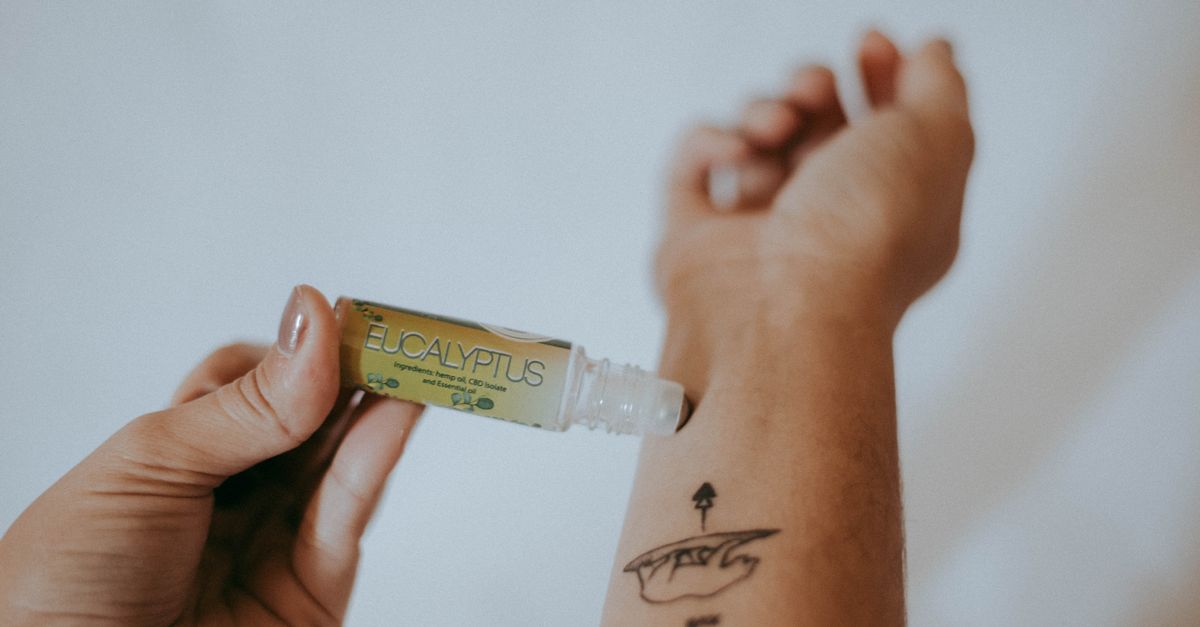
The roll-on liquid delivery system ensures the volatile active ingredient is deposited over the affected musculature without contaminating the hands. Following the initial cooling phase, menthol induces localized vasodilation. This increases superficial blood flow, which results in a secondary sensation of soothing warmth that further aids in masking deep tissue pain and relaxing tense muscle fibers.
2. Warnings & Before Taking Theracare Roll-On Menthol 4%
Inspection of the intended application site is mandatory before utilizing TheraCare Roll-on Menthol 4 Percent Pain Relief. The epidermal barrier must be intact. Applying a menthol solution over open wounds, deep abrasions, severe sunburns, or actively inflamed dermatitis will cause notable pain and facilitate unintended systemic absorption of the active compound.
A critical safety warning involves the concurrent use of external heat sources. Patients must never apply a heating pad, electric blanket, hot water bottle, or tight occlusive bandages over the treated area. Introducing external thermal energy forces cutaneous vasodilation. This drastically accelerates drug absorption and elevates the risk of chemical burns or localized tissue irritation.
Individuals with a documented history of hypersensitivity to menthol or mint derivatives must avoid this product entirely. Pregnant or nursing patients should seek professional medical advice prior to use, although systemic absorption of topically applied menthol remains minimal under standard physiological conditions.
3. Indications & Dosage Guide for Theracare Roll-On Menthol 4%
TheraCare Roll-on Menthol 4 Percent Pain Relief is clinically indicated for the temporary alleviation of minor aches and pains of muscles and joints. It is routinely utilized for symptomatic management associated with simple backaches, arthritic joint pain, muscle strains, ligament sprains, and contusions.
For adults and pediatric patients twelve years of age and older, the prescribed clinical dosage involves rolling a thin layer of the liquid over the affected anatomical area up to three to four times daily. Because the roll-on format successfully deposits the medication cleanly, vigorous manual massage with the hands is unnecessary. The targeted area should be allowed to air dry to prevent the medication from transferring to clothing.
Administration to pediatric patients under twelve years of age requires mandatory prior medical consultation. The epidermal layers of younger children are considerably thinner and highly permeable, increasing their susceptibility to adverse localized reactions from counterirritant therapies.
4. In-Depth Side Effects Analysis of Theracare Roll-On Menthol 4%
When utilized in strict accordance with clinical guidelines, TheraCare Roll-on Menthol 4 Percent Pain Relief is highly effective and well tolerated. Adverse reactions are predominantly confined strictly to the immediate dermal application site.
Common Side Effects
The expected pharmacological response includes a sensation of cold followed by localized warmth. Patients frequently observe mild erythema or redness at the application site. A transient tingling, notable stinging, or pricking sensation upon initial application is also considered a normal neurological reaction as the sensory nerves acclimate to the counterirritant.
Serious Side Effects You Should Report
Patients must wash the medication off immediately and seek medical evaluation if they develop serious contact dermatitis. Symptoms warranting medical attention include unremitting burning, swelling of the local tissue, or the eruption of fluid-filled vesicles and painful blisters. These physical manifestations indicate a localized chemical burn.
Rare Side Effects
Systemic allergic reactions are rare but represent a critical medical emergency. Signs of severe anaphylaxis include generalized widespread urticaria, facial swelling, difficulty drawing breath, and acute hypotension.
Side Effects That Usually Do Not Require Medical Attention
Patients will likely notice a lingering scent of menthol and temporary superficial skin dryness due to the alcohol-based liquid evaporating. This superficial dryness can usually be managed safely with a standard, unmedicated moisturizer applied between scheduled doses.
| Side Effect Category | Specific Symptoms |
|---|---|
| Expected Localized Reactions | Mild redness, cooling sensation, temporary tingling |
| Dermatological Toxicity | Notable burning, painful blistering, skin peeling, local edema |
| Allergic Hypersensitivity | Widespread hives, profound pruritus, facial swelling, wheezing |
5. Overdose of Theracare Roll-On Menthol 4%
A topical dermal overdose resulting from standard application of a four percent concentration is clinically improbable. However, applying amounts of the liquid over vast areas of the body can theoretically lead to excessive systemic absorption. Symptoms of systemic menthol toxicity include severe nausea, abdominal cramping, lethargy, ataxia, and in serious clinical scenarios, central nervous system depression and respiratory failure.
Accidental oral ingestion of the liquid constitutes a serious medical emergency. Swallowing menthol poses a chemical toxicity risk. If ingestion occurs, contact emergency medical services or a poison control center immediately. Emesis should strictly not be induced unless explicitly directed by a trained clinical toxicologist to prevent aspiration pneumonitis.
If localized over-application leads to intense skin distress, do not use hot water to clean the area, as heat intensifies the burning sensation. Flush the skin gently with copious amounts of completely cool water and mild soap to halt further chemical penetration.
6. Missed Dose & What to Avoid with Theracare Roll-On Menthol 4%
Because this targeted analgesic is utilized strictly on an as-needed basis for symptomatic pain relief, the concept of a missed dose is clinically irrelevant. Patients should simply roll on the medication when musculoskeletal pain returns, ensuring they do not exceed the maximum frequency of four applications within a twenty-four-hour period.
Patients must strictly avoid applying the liquid to mucous membranes, the face, or the delicate genital region. Menthol causes notable, agonizing pain and serious inflammation upon contact with these highly sensitive tissues. If accidental ocular exposure occurs, the eye must be flushed thoroughly with cool water for at least fifteen minutes to prevent corneal irritation.
Furthermore, avoid layering other topical medications directly over the same anatomical site. Using products containing capsaicin or ibuprofen concurrently alters epidermal permeability and increases the risk of compounding dermatological injury.
7. Drug & Alcohol Interactions with Theracare Roll-On Menthol 4%
Due to the minimal systemic absorption of topically applied menthol across intact skin, significant pharmacokinetic interactions with oral systemic medications are highly unlikely. Patients undergoing systemic therapies for chronic conditions such as hypertension, hyperlipidemia, or diabetes can generally utilize this medication with safety.
However, strict clinical caution is necessary if the patient is utilizing other prescription dermatological therapies. The concurrent application of topical corticosteroids or strong astringents compromises the essential integrity of the epidermal barrier. Applying menthol over compromised skin actively facilitates unintended systemic absorption and notable localized pain.
Alcohol consumption does not chemically interact with the mechanism of topical menthol. Nevertheless, heavy alcohol intake depresses the central nervous system and impairs sensory perception. An intoxicated patient might fail to notice the early warning signs of a developing chemical burn at the application site resulting from improper use.
8. Precautions, Safety & Duration of Action for Theracare Roll-On Menthol 4%
The onset of analgesia generally begins rapidly within five to fifteen minutes after application. The therapeutic desensitization of the peripheral sensory nerves provides continuous, highly effective relief for up to two to three hours. If localized pain persists unmitigated beyond seven days, perfectly resolves and returns, or worsens, patients must discontinue therapy and consult a physician.
A crucial precaution strictly involves avoiding applying the medication immediately before engaging in activities that severely raise body temperature, such as intense cardiovascular exercise, as heavy sweat reactivates the cooling and burning sensation of the menthol. Additionally, patients should ensure the roll-on cap is tightly secured after every use to prevent the volatile liquid from evaporating.
Special clinical care should be observed in elderly patients. Geriatric skin is inherently thinner and more fragile, increasing the susceptibility to notable burning sensations and mechanical skin tearing during application.
9. How to Stop Taking Theracare Roll-On Menthol 4% & Storage/Disposal
Discontinuing the targeted use of TheraCare Roll-on Menthol 4 Percent Pain Relief is entirely safe and requires no complex tapering protocol. Since menthol does not cause physical dependence, physiological tolerance, or cellular receptor downregulation, patients can safely stop application abruptly once their musculoskeletal pain fully resolves.
Proper rigorous storage strictly preserves the integrity of the active ingredient and the stable liquid base. Store the roll-on bottle tightly capped at room temperature. Extreme environmental heat will rapidly evaporate the highly volatile menthol and ruin the formulation. Keep the product secure and out of the reach of children, infants, and domestic pets.
For safe disposal, discard the completely closed bottle in a secure waste receptacle strictly according to local pharmacological regulations. Do not attempt to forcefully pour significant residual medication down the sink drain, as active pharmaceutical ingredients can contaminate local delicate water treatment systems.
10. When to See a Doctor Regarding Theracare Roll-On Menthol 4%
Patients should schedule a rigorous medical evaluation if the targeted muscle or joint pain worsens or fails to completely improve after a week of consistent therapy. Chronic, unresponsive pain strongly indicates an underlying condition, such as a fractured bone, profound ligament tear, or advanced osteoarthritis requiring systemic medical intervention.
Immediate medical attention is warranted if alarming signs of a serious allergic reaction manifest, or if the skin directly at the application site develops deep ulcerations, fluid-filled blistering, or distinct signs of secondary bacterial infection such as purulent discharge or localized warmth.
Additionally, if an infant or young child accidentally accesses and dangerously ingests the liquid, caregivers must secure emergency medical care completely without delay, as the concentrated active ingredients can rapidly cause life-threatening systemic distress.
Frequently Asked Questions FAQ
1. How does this menthol roll-on relieve my joint pain?
Menthol works as a strong counterirritant. It vigorously stimulates the specific cold receptors in your skin, which distracts your brain and blocks the deeper pain signals coming from your inflamed joints or muscles.
2. Can I use a warm heating pad after applying the liquid for extra relief?
Never use a heating pad or any external heat source directly over this medication. The combination of the chemical action and physical trapped heat can easily cause dangerous skin blistering and chemical burns.
3. Why does my skin feel like it is burning instead of cooling?
Menthol stimulates both specific cold receptors and local blood flow simultaneously. This dual action can sometimes be perceived as a burning sensation. If the burning becomes severe or unbearable, you must wash the medication off immediately.
4. Is it safe to apply this liquid immediately after a hot shower?
No. You must wait until your skin has completely cooled down after bathing. Applying potent menthol when your pores are fully open from hot water will cause intense pain and skin damage.
5. Will this topical interact with my daily oral blood pressure medications?
Topical menthol strictly acts directly at the site of application and does not absorb systemically in large enough amounts to interact with oral maintenance medications like blood pressure pills.
6. Can I use this product directly on my forehead for a migraine headache?
No. This product is indicated only for muscle and joint pain. Rolling aggressive menthol near your delicate face or temples risks accidental and dangerous exposure to your eyes.
7. How many times a day can I safely apply the medication?
You should apply the medication no more than three to four times within a twenty-four-hour period to avoid notable localized skin irritation and localized toxicity.
8. Is this product safe to use during pregnancy?
While the medication stays mostly on the skin, pregnant individuals should always consult their physician before using any over-the-counter analgesic products to ensure optimal maternal and fetal safety.
Bibliography
Disclaimer: The content is for informational purposes only and does not replace medical advice. Always consult your doctor or pharmacist for personalized treatment.



