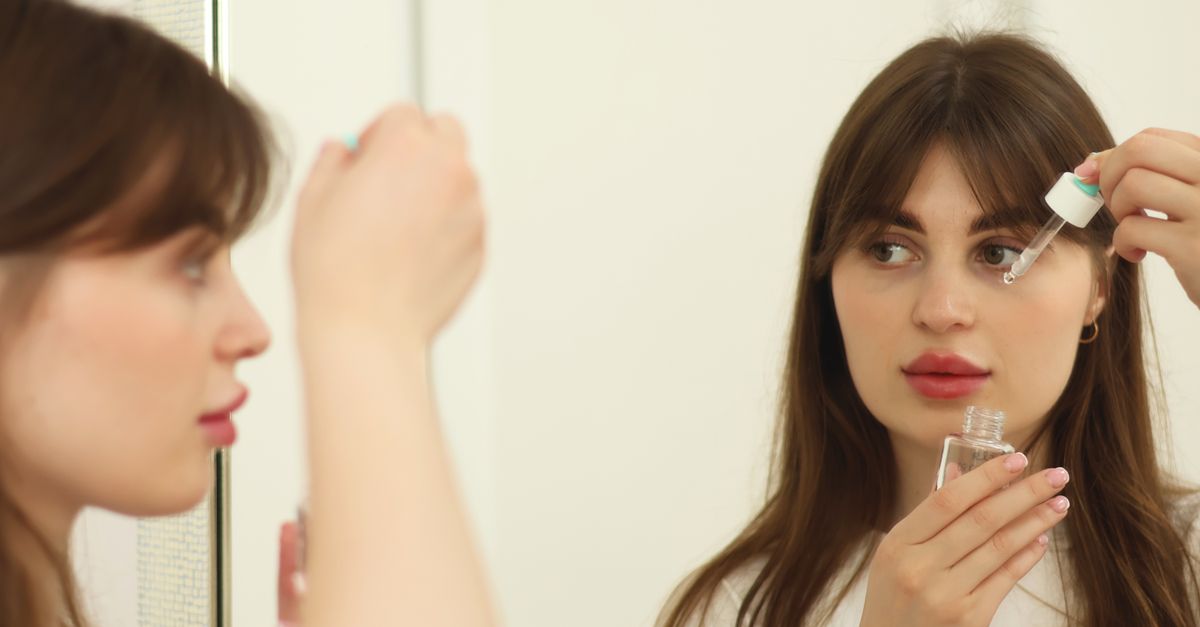
1. Introduction & Mechanism of Action for Lbri Pure N Natural Klearaway
Lbri Pure N Natural Klearaway features salicylic acid to chemically exfoliate the epidermis and resolve impacted acne lesions. The primary side effect is localized epidermal peeling accompanied by mild stinging directly at the application site.
Salicylic acid functions as a potent beta-hydroxy acid, bestowing it with highly effective comedolytic and keratolytic properties. The unique lipophilic structure of this acid allows it to effortlessly penetrate the lipid-rich sebum that occludes facial and truncal pores. Upon entering the pilosebaceous unit, the acid breaks down the desmosomes, which are the intercellular structures binding dead keratinocytes together.
By actively dissolving this hardened cellular debris and emulsifying excess sebum, the medication unplugs existing comedones and halts the microcomedone formation cycle. Furthermore, the active ingredient exerts a mild localized anti-inflammatory effect, significantly reducing the pronounced erythema and tissue edema associated with active papules and pustules. This dual action facilitates the rapid clearance of blemishes while simultaneously accelerating overall epidermal renewal.
2. Warnings & Before Taking Salicylic Acid
This concentrated chemical exfoliant is formulated strictly for targeted topical application and must never be applied to internal mucous membranes. Patients must exercise extreme caution to keep the solution away from the periorbital tissue, the lips, and the nasal mucosa to prevent severe chemical irritation and tissue necrosis.
Application over actively bleeding lesions, deeply excoriated cystic acne, or severely sunburned skin is absolutely contraindicated. The profoundly stripped epidermal barrier in these conditions allows the acid to penetrate too deeply, causing severe agony and dramatically increasing the risk of permanent hypertrophic scarring. Individuals with a documented hypersensitivity to salicylates or nonsteroidal anti-inflammatory drugs must avoid this formulation.
Patients diagnosed with severe rosacea, active eczema, or compromised skin barriers must consult a dermatologist prior to usage. The inherently drying and desquamative properties of this beta-hydroxy acid will severely exacerbate the chronic inflammation and fissuring characteristic of these underlying dermatological conditions.
3. Indications & Dosage Guide for Lbri Pure N Natural Klearaway
This targeted therapy is indicated for the acute management of comedonal acne, inflammatory papules, and localized sebaceous impactions. It is highly effective at reducing the lifespan of active blemishes and preventing the localized spread of acnegenic bacteria through continuous pore exfoliation.
Administration requires the patient to thoroughly cleanse the affected area with a mild, non-abrasive wash and dry the skin completely. Using a clean fingertip or a sterile applicator, a very thin layer of the product should be applied directly onto the active blemish, ensuring the surrounding healthy tissue is minimally exposed to the acid.
Clinical protocol dictates starting with a single application daily, preferably in the evening, to assess dermal tolerance. If the skin responds favorably without severe irritation, the dosage may be cautiously increased to twice daily. The treated area must dry completely before the application of any subsequent non-comedogenic moisturizers or cosmetics.
4. In-Depth Side Effects Analysis of Salicylic Acid
Common Side Effects
Due to its robust keratolytic mechanism, side effects are universally localized to the treated cutaneous surface. Patients frequently note a transient stinging, prickling, or warming sensation immediately upon application as the beta-hydroxy acid permeates the follicular canal.
Significant localized desquamation, presenting as visible flaking and peeling of the blemish, is the intended therapeutic response. Mild, transient erythema and localized dryness of the immediate surrounding tissue are highly common during the initial phases of the chemical exfoliation process.
Serious Side Effects you should report
Severe cutaneous toxicity requires immediate cessation of therapy and clinical evaluation. Patients must report any profound exacerbation of localized inflammation, the onset of severe, unrelenting burning pain, or the rapid formation of fluid-filled vesicles at the application site. These presentations strongly suggest an acute chemical hypersensitivity reaction or a severe chemical burn.
If the treated lesion becomes excessively hot to the touch, significantly swollen, and begins producing foul-smelling purulent exudate, this indicates a secondary bacterial infection. The aggressively stripped epidermal barrier allows opportunistic pathogens, such as Staphylococcus aureus, to infiltrate, necessitating targeted prescription antibiotic intervention.
Rare Side Effects
Systemic salicylate toxicity, known clinically as salicylism, is exceedingly rare from localized acne spot treatments. However, if massive volumes of the product are applied continuously over large anatomical areas, sufficient transdermal absorption may theoretically occur, leading to symptoms such as systemic nausea, neurological confusion, and tinnitus.
Side effects that usually do not require medical attention
A temporary intensification of visible acne lesions during the first two weeks, commonly recognized as dermal purging, is a routine physiological response as deep impactions are accelerated to the surface. Minor localized skin tightness is a standard reaction requiring only the application of a basic hydrating lotion.
| Side Effect Category | Specific Symptoms |
|---|---|
| Localized Dermal Reactions | Stinging, transient peeling, mild dryness |
| Hypersensitivity | Severe erythema, blistering, intense burning |
| Secondary Complications | Purulent discharge indicating bacterial invasion |
| Post-Treatment Responses | Dermal purging, temporary post-inflammatory redness |
5. Overdose Symptoms with Lbri Pure N Natural Klearaway
Systemic overdose through standard, targeted topical application is clinically improbable due to the highly restricted surface area of treatment. Toxicological emergencies are exclusively tied to the accidental oral ingestion of the concentrated liquid.
If the preparation is swallowed, the acidic composition induces immediate, severe irritation to the gastrointestinal mucosa. Symptoms of ingestion include intense localized burning in the esophagus, severe nausea, abdominal cramping, and vomiting. While the total volume in an acne treatment is usually small, the concentrated acid can cause significant internal distress.
In the event of accidental oral consumption, a poison control center must be contacted immediately. Clinical management relies heavily on symptomatic relief and mucosal protection. Emesis should generally not be induced due to the potential for the caustic liquid to cause secondary chemical burns during regurgitation.
6. Missed Dose & What to avoid while using Lbri Pure N Natural Klearaway
If a scheduled spot treatment is forgotten, the patient should apply the product as soon as they remember. If the subsequent scheduled dose is near, the missed application should be bypassed. Applying a thick, double layer of the chemical exfoliant will rapidly precipitate severe chemical burns, profound peeling, and extreme pain.
During the active treatment course, patients must strictly avoid unprotected exposure to direct sunlight. Salicylic acid continuously strips the protective stratum corneum, significantly increasing the skin’s vulnerability to ultraviolet radiation and dramatically elevating the risk of severe sunburns and post-inflammatory hyperpigmentation. Daily application of a broad-spectrum sunscreen is mandatory.
Patients must strictly avoid utilizing abrasive physical scrubs, harsh alcohol-based astringents, or adhesive pore strips concurrently with this treatment. The combination of mechanical trauma and chemical exfoliation will catastrophically destroy the skin’s lipid barrier, leading to deep fissures and severe localized inflammation.
7. Drug & Alcohol Interactions with Salicylic Acid
Systemic interactions with orally administered prescription medications are highly unlikely given the targeted topical application. However, localized chemical interactions on the epidermis require meticulous clinical management to prevent severe adverse reactions.
Patients must completely avoid applying other potent topical acne therapies, such as fluorouracil, prescription retinoids, or concentrated benzoyl peroxide, directly over the salicylic acid treated area unless explicitly directed by a dermatologist. The simultaneous layering of multiple chemical exfoliants guarantees severe epidermal stripping, extreme pain, and contact dermatitis.
Systemic alcohol consumption does not chemically interact with the localized pharmacological action. However, if the formulation utilizes an alcohol-based carrier solvent, applying it to aggressively popped or heavily bleeding acne lesions will cause immediate, sharp, and agonizing stinging.
8. Precautions, Safety & Duration of Action for Lbri Pure N Natural Klearaway
Therapy with this comedolytic agent can be maintained as an acute intervention for active lesions. However, continuous application to a single spot should not exceed several weeks if the lesion shows no improvement, to prevent localized chemical necrosis of the healthy surrounding tissue.
Patients utilizing systemic isotretinoin therapy must absolutely avoid this topical product. Systemic retinoids severely suppress sebaceous gland activity and thin the epidermis; adding a topical beta-hydroxy acid will cause the facial skin to severely crack, bleed profusely, and risk permanent, disfiguring scarring.
Topical application of targeted salicylic acid is generally considered safe during pregnancy when restricted to small, localized blemishes. Nevertheless, expecting mothers must consult their obstetrician before utilizing any chemical exfoliants to ensure complete maternal and fetal safety.
9. How to stop taking Salicylic Acid & Storage/Disposal
Discontinuation of this targeted facial therapy requires no tapering schedule and can be halted abruptly once the blemish has resolved. If the patient experiences intolerable burning, extreme crusting, or severe tissue cracking, the application must be discontinued immediately.
The product must be stored tightly sealed at controlled room temperature, safely isolated from excessive heat and direct ultraviolet exposure. Prolonged heat can permanently alter the chemical stability of the acid and evaporate the carrier solvents, rendering the remaining product dangerously concentrated.
Disposal of expired or unused medication should follow standard household safety protocols. The liquid must be disposed of in a sealed container within the household waste, entirely out of the reach of young children and domestic animals. It should not be poured directly into the plumbing system.
10. When to see a doctor regarding Lbri Pure N Natural Klearaway
A dermatological evaluation is critical if deeply inflamed, cystic lesions persist or multiply despite consistent, targeted application. Severe nodulocystic acne rarely responds to over-the-counter beta-hydroxy acids and requires aggressive systemic prescription therapy, such as oral antibiotics or hormonal modulators.
Immediate medical attention is warranted if the patient observes signs of a severe secondary bacterial infection. The sudden appearance of rapidly expanding redness, localized warmth, severe throbbing pain, or honey-colored crusting emanating from the treated blemish requires prompt prescription antibiotic intervention.
Furthermore, if the acid is accidentally introduced into the ocular cavity, causing severe pain and sustained visual disturbances, or if symptoms indicative of a severe systemic allergic reaction occur, immediate emergency ophthalmological or medical care is absolutely mandatory.
Frequently Asked Questions (FAQ)
1. How does salicylic acid actually make my pimple go away?
The acid penetrates deeply into the clogged pore and dissolves the hardened oil and dead skin cells holding the blockage together, allowing the pimple to drain and heal.
2. Why did the skin around my pimple turn red and start peeling?
The medication causes chemical exfoliation. Peeling is the intended effect, but redness around the area means you may be applying the product too broadly onto healthy skin.
3. Can I use this product immediately after popping a pimple?
Absolutely not. Applying strong acid to an open, bleeding wound will cause severe stinging, delay the natural healing process, and dramatically increase the risk of a dark scar.
4. Is it normal for my skin to feel extremely tight where I applied the liquid?
Yes, localized tightness and dryness are standard reactions due to the removal of surface lipids. Applying a gentle, oil-free moisturizer can help alleviate this discomfort.
5. Do I need to wear sunscreen if I only apply the spot treatment at night?
Yes. The chemical exfoliant thins the top layer of your skin, leaving it highly sensitive to ultraviolet light and prone to sunburns even the following day.
6. Can I apply the treatment to my eyelids to get rid of a small bump?
No. The skin on the eyelids is incredibly thin. Applying salicylic acid near the eyes will cause severe chemical irritation and potential ocular damage.
7. What should I do if the treated area starts crusting over completely?
If severe crusting or scabbing occurs, you must stop applying the medication immediately to allow the epidermal barrier to regenerate naturally.
8. Can I use a strong benzoyl peroxide cream at the exact same time?
You should avoid layering these two strong medications simultaneously, as the combination will severely burn, dry, and irritate the skin. Use them at completely different times of the day.
Bibliography
Disclaimer: The content is for informational purposes only and does not replace medical advice. Always consult your doctor or pharmacist for personalized treatment.