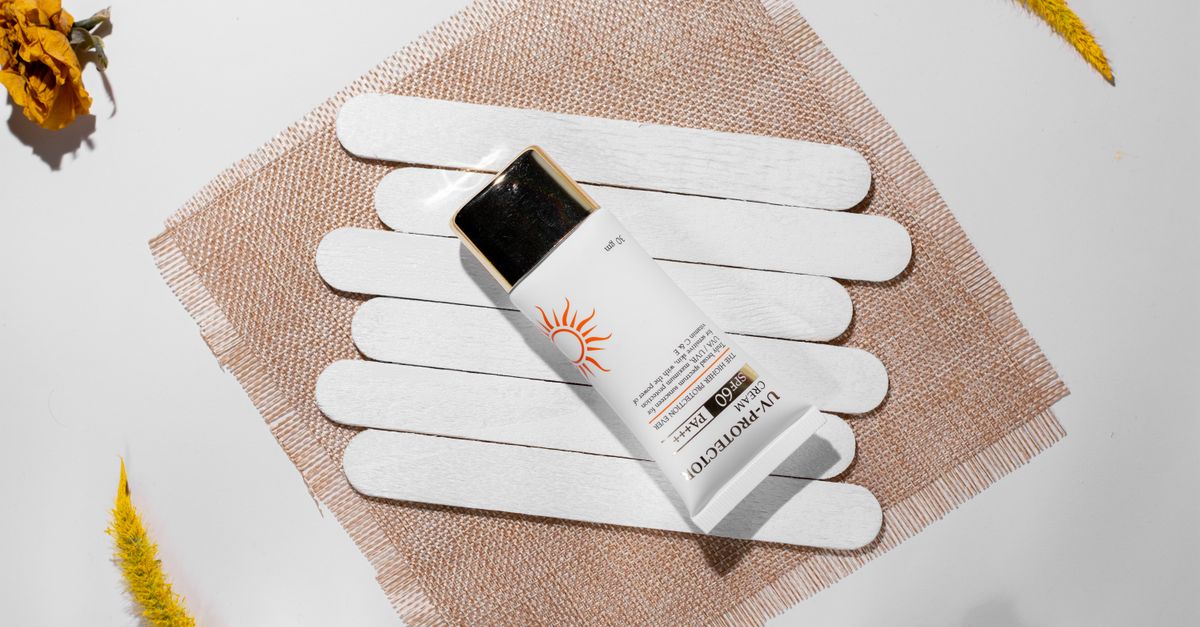
1. Introduction & Mechanism of Action of Trader Joes Daily Facial Mineral Sunscreen
Trader Joes Daily Facial Mineral Sunscreen is a topical photoprotective formulation containing zinc oxide as its primary active ingredient. Its most common side effect is a visible white cast on the skin surface, while true dermatological adverse reactions are rare and generally limited to mild follicular occlusion.
Zinc oxide functions as an inorganic physical ultraviolet light filter. Rather than absorbing ultraviolet radiation into the cutaneous tissues, the mineral particles rest upon the stratum corneum to establish an immediate physical shield. This barrier effectively scatters, reflects, and absorbs both ultraviolet A and ultraviolet B rays, preventing high-energy photons from penetrating the epidermal layers and inducing cellular damage.
Because zinc oxide is a biologically inert mineral, it does not absorb into the systemic circulation through intact human skin. This characteristic makes it an exceptionally safe prophylactic agent against acute solar erythema and long-term photoaging, offering immediate protection the moment it is applied to the face without requiring a biochemical activation period.
2. Warnings & Before Applying Trader Joes Daily Facial Mineral Sunscreen
Although widely considered one of the safest photoprotective agents, this facial mineral sunscreen should never be applied to severely blistered, punctured, or acutely infected skin without explicit medical clearance. Applying a dense mineral layer over an active weeping lesion can trap pathogenic bacteria and purulent exudate, exacerbating the infection and delaying proper tissue regeneration.
Patients with a known hypersensitivity to any of the inactive botanical extracts, emulsifiers, or preservatives used in the facial lotion base should carefully review the full ingredient list prior to widespread application. While zinc oxide itself is highly hypoallergenic, the carrier vehicle can occasionally trigger contact dermatitis in susceptible individuals.
Users must exercise caution to prevent the mineral suspension from entering the ocular cavity. Direct contact with the conjunctiva can cause severe mechanical irritation, redness, and a gritty sensation. The product must be stored out of reach of infants to prevent accidental oral ingestion, which could lead to mild gastrointestinal discomfort.
3. Indications & Dosage Guide for Facial Mineral Sunscreen
This topical mineral preparation is indicated for the prevention of acute facial sunburn and the reduction of long-term risks associated with ultraviolet exposure, including cutaneous malignancies and premature photoaging. It is clinically appropriate for daily use across all skin types, including highly sensitive facial skin and pediatric patients over six months of age.
Proper application dictates spreading a generous, even layer over all exposed areas of the face and anterior neck prior to sun exposure. To cover an average adult face adequately, dermatologists typically recommend using approximately one-quarter teaspoon of the sunscreen. Patients should gently massage the product into the skin to minimize the visible white residue while maintaining an unbroken physical barrier.
Reapplication is clinically mandatory during continuous outdoor exposure. The protective physical shield must be replenished every two hours. It is also critical to reapply the sunscreen immediately after heavy facial perspiration, swimming, or aggressive towel drying, as mechanical friction easily disrupts the zinc oxide particles on the skin surface.
4. In-Depth Side Effects Analysis of Trader Joes Daily Facial Mineral Sunscreen
Common Side Effects
The most universally reported issues are cosmetic and physical in nature. Patients frequently observe a prominent white chalky cast on their facial skin, which is more pronounced on darker skin tones. Some individuals also report a feeling of heaviness or slight skin tightness due to the highly occlusive nature of the mineral formulation.
Serious Side Effects you should report
True allergic reactions to the active mineral are virtually nonexistent in clinical literature. However, if a patient develops severe contact dermatitis featuring intense facial erythema, severe itching, or vesicular eruptions, they are likely reacting to an inactive ingredient in the lotion base. In such cases, use must be discontinued and a healthcare professional should be consulted.
Rare Side Effects
In individuals heavily predisposed to acne, the thick occlusive carrier necessary to suspend the zinc oxide can theoretically contribute to comedone formation. By trapping sebum and sweat within the facial follicular ostia, localized acneiform eruptions or mild folliculitis may occur, necessitating thorough evening facial cleansing.
Side effects that usually do not require medical attention
A mild transient tingling sensation upon application to a recently shaved face is a common physical interaction. Additionally, patients often experience minor difficulty washing the tenacious mineral paste off at the end of the day, which requires no medical intervention.
| Side Effect Category | Specific Symptoms |
|---|---|
| Cosmetic Reactions | White cast, mild cutaneous dryness, heavy skin feel |
| Allergic Irritation | Facial erythema, intense pruritus linked to inactive ingredients |
| Follicular Occlusion | Acne exacerbation, localized mild folliculitis |
| Mechanical Irritation | Eye stinging upon contact, difficulty removing product |
5. Overdose Symptoms with Zinc Oxide Facial Sunscreen
A systemic toxic overdose resulting from the topical application of zinc oxide is biologically impossible. The inorganic mineral molecules are significantly too large to penetrate the intact stratum corneum and enter the bloodstream. Consequently, applying excessively massive quantities of the sunscreen will merely result in severe cosmetic unappealing and a highly occlusive epidermal layer.
If a pediatric patient accidentally ingests the facial sunscreen, systemic zinc toxicity remains highly unlikely due to the minimal gastrointestinal absorption rate of the compound. However, the inactive lotion bases and emulsifiers can induce mild nausea, abdominal cramping, or self-limiting diarrhea.
In the event of accidental oral ingestion, caregivers should clear the patient mouth and administer plain water to soothe the gastrointestinal tract. Contacting a local poison control center is advised to ensure safety based on the specific inactive ingredients involved, though emergency intervention is rarely warranted.
6. Missed Dose & What to avoid while using Trader Joes Daily Facial Mineral Sunscreen
Failing to reapply the mineral sunscreen every two hours severely compromises photoprotection, leading to an immediate risk of acute epidermal radiation damage known as sunburn. A missed application directly exposes unprotected facial cellular DNA to mutagenic ultraviolet rays.
While relying on this physical sunscreen, patients must avoid the dangerous misconception that sunscreen alone confers complete immunity from solar radiation. Dermatological guidelines strongly advise wearing wide-brimmed hats and avoiding direct intense sun exposure during peak ultraviolet hours, typically between ten in the morning and four in the afternoon.
Patients should also avoid layering other thick occlusive topical medications directly beneath the zinc oxide barrier. Applying heavy ointments under the sunscreen can alter the uniform distribution of the mineral particles, severely degrading the broad-spectrum protective efficacy of the product.
7. Drug & Alcohol Interactions with Zinc Oxide Facial Sunscreen
Because zinc oxide functions purely externally as a physical shield and undergoes zero systemic absorption, it completely lacks pharmacological interactions with oral or intravenous medications. Patients utilizing systemic photosensitizing drugs can safely rely on zinc oxide for superior non-reactive topical facial protection.
Alcohol consumption exhibits no pharmacological interaction with the efficacy or safety profile of topical zinc oxide. However, excessive alcohol intake during sun exposure frequently impairs a patient judgment, leading to forgotten reapplications, prolonged sun exposure, and consequently severe cutaneous facial burns.
When applying this sunscreen in conjunction with other topical dermatological treatments, such as an acne therapy containing benzoyl peroxide or a prescription tretinoin cream, the medicinal product should be applied first and allowed to dry completely. The zinc oxide sunscreen must be applied last to ensure an unbroken physical ultraviolet barrier.
8. Precautions, Safety & Duration of Action for Trader Joes Daily Facial Mineral Sunscreen
The protective action of zinc oxide commences the exact moment it is distributed across the facial skin surface. Unlike organic chemical filters, there is absolutely no biochemical activation period required. The duration of this protection is strictly mechanical, persisting only as long as the physical particles remain undisturbed on the epidermis.
Although universally deemed the safest sunscreen variant, pediatricians advise that infants under six months of age should be shielded entirely from direct sunlight rather than relying on sunscreens. If protective clothing and shade are entirely unavailable, mineral sunscreens should be used strictly in minimal amounts on small exposed areas.
Patients managing chronic inflammatory facial dermatological conditions like severe eczema or rosacea often find zinc oxide soothing, as it possesses mild astringent and skin-protectant properties. However, active weeping lesions require proper clinical management prior to being covered with a dense sunscreen layer.
9. How to stop using Trader Joes Daily Facial Mineral Sunscreen & Storage/Disposal
Discontinuing the use of a physical facial sunscreen mandates a thorough cleansing routine to detach the adherent mineral particles from the cutaneous tissue. Dermatologists recommend utilizing a gentle oil-based cleanser followed by a standard water-based facial wash to ensure the zinc oxide and its carrier oils are completely dissolved, thereby preventing pore occlusion.
The product must be stored in a cool dry environment away from excessive heat or direct sunlight when not actively utilized outdoors. Elevated temperatures, such as those inside a parked vehicle during summer, can cause the emulsion to separate, compromising the even distribution of the zinc oxide and rendering the product ineffective.
Expired sunscreen should be discarded in standard household waste. Because zinc oxide is an environmental earth mineral, it poses significantly less risk to aquatic ecosystems compared to organic chemical ultraviolet filters, making its disposal environmentally straightforward.
10. When to see a doctor regarding Trader Joes Daily Facial Mineral Sunscreen
A physician should be consulted promptly if a patient experiences severe blistering sunburn on the face despite proper and frequent application of the product. This clinical presentation indicates a drastically degraded product or a severe systemic photosensitivity reaction potentially triggered by an underlying medical condition.
Medical attention is also strictly required if a widespread intensely itchy facial rash develops subsequent to application. This suggests an allergic contact dermatitis to a botanical extract or preservative within the formulation, necessitating professional dermatological evaluation and potentially prescription topical corticosteroid therapy.
If the mineral suspension enters the eyes and induces severe relentless pain or vision changes that fail to resolve after fifteen minutes of continuous flushing with cool water, an emergency ophthalmology consultation is mandatory to evaluate for a corneal abrasion caused by the mineral particles.
Frequently Asked Questions FAQ
1. Does the zinc oxide in this sunscreen absorb into my bloodstream?
No. Zinc oxide is a physical inorganic filter whose molecules are too large to penetrate the intact stratum corneum, making it exceptionally safe for systemic health.
2. Why does this facial sunscreen leave my skin looking white?
The white cast is a direct result of the mechanism of action. Zinc oxide is a white mineral that sits on top of the skin to physically reflect and scatter ultraviolet light.
3. Do I need to wait fifteen minutes before going in the sun?
No. Unlike chemical sunscreens that need time to bind with the skin, mineral sunscreens provide immediate photoprotection the moment they are applied to the face.
4. Is this mineral sunscreen safe to use around my eyes?
While the mineral is safe, the lotion can cause mechanical irritation if it gets into the eyes. Apply it carefully around the orbital bone and avoid the immediate eyelid margins.
5. How do I effectively wash this off at night?
Because mineral formulations are designed to adhere strongly to the skin, utilizing an oil-based facial cleanser is highly effective for complete removal without scrubbing.
6. Can this product cause facial acne breakouts?
While zinc oxide itself is soothing and non-comedogenic, the heavy oils or waxes used in the lotion base to suspend the mineral can clog pores in acne-prone individuals.
7. How often must I reapply it to my face?
You must reapply the sunscreen every two hours, and immediately after swimming, sweating heavily, or wiping your face with a towel.
Bibliography
Disclaimer: The content is for informational purposes only and does not replace medical advice. Always consult your doctor or pharmacist for personalized treatment.