1. Introduction & Mechanism of Action of Insulin Diluting Medium For Garzulys
Insulin Diluting Medium for Garzulys is a highly specialized, biologically inert preparation containing sterile water for injection, strictly utilized as a solvent or diluent for specific insulin formulations. Its most critical clinical side effect, which constitutes a life threatening medical emergency, is massive intravascular hemolysis if the hypotonic sterile water is erroneously injected directly into the systemic circulation without a properly balanced solute.
In pharmacological practice, sterile water for injection possesses absolutely no active pharmacological mechanism, antimicrobial properties, or buffering agents. It operates purely as an essential, sterile solvent. Its primary function is to dissolve lyophilized pharmaceutical powders or to safely dilute highly concentrated liquid medications, such as specialized insulin preparations, to achieve a precise, patient specific therapeutic concentration prior to subcutaneous administration.
Because it is completely devoid of sodium, chloride, or any other physiological electrolytes, sterile water is profoundly hypotonic. This physical characteristic is highly advantageous for dissolving complex drug molecules without causing chemical precipitation. However, it mandates that the sterile water must be thoroughly mixed with an appropriate active pharmaceutical ingredient to achieve a safe isotonic state before it can be introduced into human tissues.
2. Warnings & Before Using Sterile Water Diluent
The absolute, paramount clinical warning regarding sterile water for injection is that it must never be injected directly into a patient intravascular or subcutaneous space without first being mixed with a solute. Administering pure, unmixed sterile water exposes the patient red blood cells to a severely hypotonic environment, causing water to rapidly rush into the cells until they violently rupture, a catastrophic process known as hemolysis.
This specific diluting medium is formulated strictly for compatibility with specific insulin products. Patients or clinicians must never use this medium to reconstitute or dilute other unrelated medications, such as intravenous antibiotics or concentrated electrolytes. Utilizing an incompatible diluent can rapidly alter the medication pH, causing immediate chemical degradation or dangerous micro crystallization of the active drug.
Furthermore, this diluting medium contains zero antimicrobial preservatives. Once the sterile seal of the vial is punctured, the liquid is highly susceptible to rapid bacterial colonization. Extreme adherence to strict aseptic technique is mandatory during the drawing and mixing process to prevent the introduction of lethal pathogens into the patient subcutaneous tissues.
3. Indications & Dosage Guide for Insulin Diluting Medium
This specific sterile water preparation is clinically indicated exclusively for the dilution of concentrated insulin formulations, allowing for the precise administration of exceptionally small micro doses. This is particularly critical in pediatric endocrinology or in patients who display extreme sensitivity to insulin, where standard concentrations would pose an unmanageable risk of severe hypoglycemia.
The dosage and mixing ratio of the diluting medium are meticulously calculated by an endocrinologist or a highly specialized compounding pharmacist. The exact volume of sterile water drawn into the mixing syringe must precisely match the mathematical ratio required to step down the insulin concentration. For example, diluting standard U-100 insulin down to a U-10 concentration requires highly exact volumetric measurements.
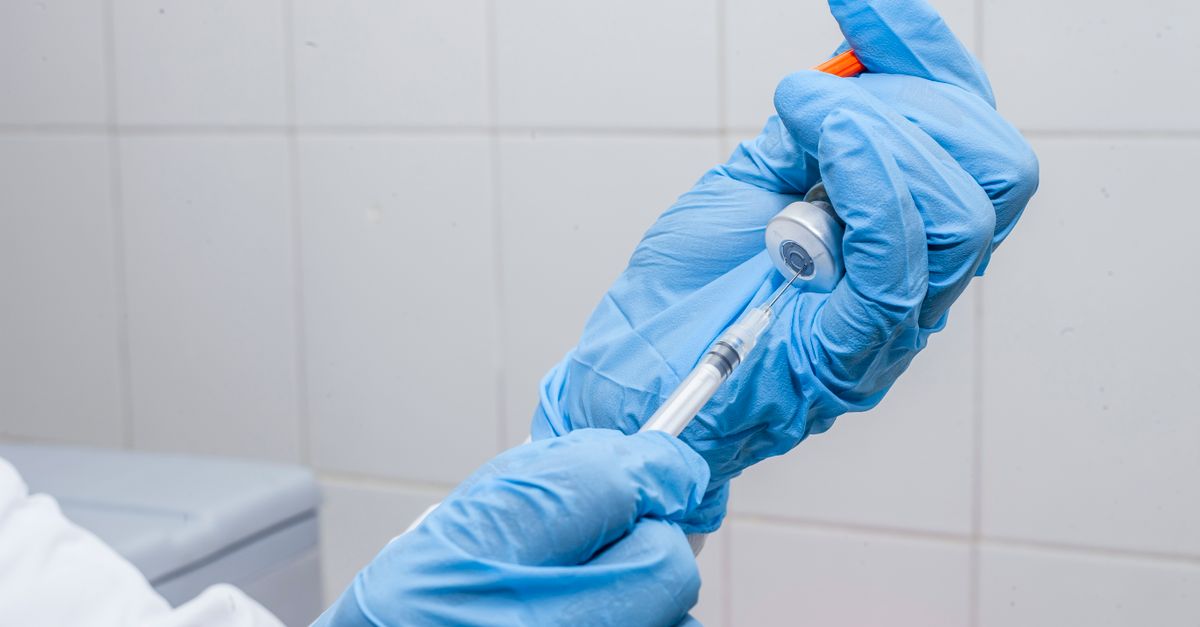
The physical mixing process must be executed under strict, uncompromising sterile conditions. The designated volume of sterile water is carefully injected into the sterile vial containing the active insulin. The vial must then be gently rolled between the palms to ensure complete, homogenous blending of the liquid without causing protein degradation through aggressive shaking.
4. In-Depth Side Effects Analysis of Insulin Diluting Medium
Common Side Effects
When utilized correctly as a diluent and mixed to achieve an isotonic state, the sterile water itself provokes virtually no adverse reactions. Patients may experience standard injection site mechanics, including a very mild, transient stinging sensation or slight localized pressure as the total volume of the diluted fluid is introduced into the subcutaneous tissue space.
Serious Side Effects you should report
The severe adverse events are entirely mechanical and related to improper use. If unmixed, pure sterile water is injected subcutaneously, patients will experience severe, agonizing, burning pain at the injection site as the hypotonic fluid aggressively attacks local tissue cells. Any sudden, severe localized swelling or intense burning demands immediate halting of the injection.
Rare Side Effects
In highly isolated instances, breaches in aseptic technique during the dilution process can introduce surface bacteria into the vial. This rare but catastrophic error will lead to severe, deep seated subcutaneous abscesses or systemic bloodstream infections, presenting as localized heat, purulent discharge, and a high systemic fever days after the injection.
Side effects that usually do not require medical attention
A slight, temporary redness directly at the needle puncture site is a normal physiological response to the physical trauma of the needle piercing the epidermis and typically resolves entirely within a few hours without requiring specific medical intervention.
| Side Effect Category | Specific Symptoms |
|---|---|
| Expected Mechanical | Mild stinging, slight temporary redness at puncture site |
| Severe Tissue Trauma | Agonizing burning pain from unmixed hypotonic injection |
| Catastrophic Intravascular | Massive red blood cell hemolysis if injected into a vein unmixed |
| Infectious Risks | Subcutaneous abscesses due to compromised sterility |
5. Overdose Symptoms with Sterile Water Diluent
An overdose of sterile water for injection does not involve pharmacological toxicity, but rather catastrophic physical volume overload and severe osmotic shifts. If a massive volume of sterile water is inadvertently infused directly into the systemic circulation, it constitutes a life threatening medical emergency directly related to its profound hypotonicity.
The hallmark of a massive intravenous sterile water error is acute, widespread hemolysis. The patient red blood cells will violently rupture, dumping massive amounts of intracellular potassium and hemoglobin into the bloodstream. This rapid cascade precipitates lethal cardiac arrhythmias due to hyperkalemia, profound acute kidney injury as the hemoglobin clogs the renal tubules, and cardiovascular collapse.
Emergency medical management relies on aggressive, immediate intensive care support. The administration of the hypotonic fluid must be halted instantly. Physicians must execute rapid, aggressive fluid resuscitation using hypertonic or isotonic saline to correct the severe osmotic imbalance, alongside the administration of medications to stabilize the cardiac membrane and aggressively treat the resulting hyperkalemia.
6. Missed Dose & What to avoid while using Insulin Diluting Medium
Because the diluting medium contains no active medication, a missed dose is clinically entirely dependent upon the active insulin it carries. If a patient misses a dose of their diluted insulin, they must follow the specific sliding scale or missed dose protocols established by their endocrinologist for the active drug.
Patients utilizing this diluting medium must strictly avoid aggressive, vigorous shaking of the vial during the mixing process. While the sterile water itself is invulnerable to physical trauma, the active insulin proteins it is designed to carry are highly fragile. Vigorous shaking will permanently denature the complex insulin proteins, destroying the therapeutic efficacy of the final mixture.
Furthermore, individuals must avoid utilizing this specific diluting medium past its designated expiration date or once the liquid becomes visibly cloudy. Sterile water must remain perfectly clear and colorless. Any presence of particulate matter or cloudiness definitively indicates severe bacterial or fungal contamination, and the vial must be immediately destroyed.
7. Drug & Alcohol Interactions with Sterile Water Diluent
Because sterile water for injection is entirely biologically inert and lacks any chemical active ingredients, it engages in absolutely zero systemic pharmacological drug interactions within the human body. However, physical and chemical incompatibilities outside the body during the mixing phase are a profound clinical concern.
Sterile water is strictly unbuffered. If it is utilized to dissolve medications that explicitly require a highly specific pH buffering agent, such as a specialized insulin glargine formulation, the pure water will drastically alter the localized pH. This error forces the active drug to precipitate out of the solution, forming dangerous microcrystals that will block the syringe or cause severe tissue damage upon injection.
There are absolutely no interactions between the injection of sterile water and alcohol consumption. However, the manual dexterity and sharp cognitive focus required to precisely draw, measure, and safely dilute medications using sterile technique are severely impaired by alcohol intoxication, exponentially increasing the risk of lethal dosing or contamination errors.
8. Precautions, Safety & Duration of Action for Insulin Diluting Medium
The duration of action for this diluent is clinically irrelevant, as its sole purpose is completed the moment the active medication is successfully transported into the patient subcutaneous tissues. Once introduced into the body, the sterile water is seamlessly absorbed into the extracellular fluid matrix and naturally balanced by the patient physiological systems.
Rigorous, uncompromising aseptic technique is the absolute foundation of safety when utilizing sterile water for injection. Prior to every single puncture, the rubber septum of the vial must be meticulously sterilized with a seventy percent isopropyl alcohol swab. The needle and syringe used for the transfer must be entirely sterile and single use only to prevent lethal pathogenic contamination.
Special caution is required regarding the shelf life of the final, diluted medication. The introduction of sterile water into an insulin vial drastically alters the overall stability and preservative concentration of the original drug. The newly compounded mixture will possess a significantly shortened expiration window, frequently requiring strict refrigeration and rapid utilization to ensure safety.
9. How to stop using Insulin Diluting Medium & Storage/Disposal
Stopping the use of a diluting medium requires no physiological tapering process. If a patient is transitioned to a standard, commercially available insulin concentration, the diluent is simply no longer required, and the compounding process ceases immediately without any physical withdrawal symptoms.
The unpunctured vials of sterile water diluting medium must be stored securely at controlled room temperature, safely protected from freezing temperatures. Freezing will expand the water and violently shatter the glass vial. Once the sterile seal is breached and the diluent is mixed with the active insulin, the resulting compound must be stored precisely according to the strict thermal requirements of the active drug.
Disposal of empty glass vials, used syringes, and any remaining liquid must be executed meticulously. All sharps, including the compounding needles, must be instantly discarded into a certified, puncture resistant biohazard sharps container. The inert sterile water itself can be safely flushed down a standard drain if it has not been mixed with active pharmaceuticals.
10. When to see a doctor regarding Insulin Diluting Medium
Because the diluting medium is inert, any requirement for urgent medical evaluation is almost exclusively driven by a physical error during the compounding or injection process. Patients must seek immediate, emergency medical care if they accidentally inject pure, unmixed sterile water into a vein, as this error can quickly provoke severe, life threatening systemic reactions.
A physician must be consulted immediately if the patient develops signs of a severe localized infection precisely at the injection site. Symptoms such as rapidly spreading redness, severe localized heat, throbbing pain, or the presence of purulent discharge demand immediate clinical evaluation and systemic antibiotic therapy to prevent dangerous deep tissue abscesses.
Patients must also seek prompt endocrinology care if their blood glucose readings become wildly unpredictable or dangerously high following the transition to a manually diluted insulin regimen. This unrelenting hyperglycemia strongly suggests that the dilution ratio was calculated incorrectly, or that the fragile insulin proteins were destroyed during a careless mixing process.
Frequently Asked Questions FAQ
1. What exactly is this liquid and does it lower my blood sugar?
This liquid is highly purified, completely sterile water. It contains zero active medication and will absolutely not lower your blood sugar on its own. It is used exclusively to dilute concentrated insulin.
2. Why can I not just inject this directly into my body?
Pure sterile water is hypotonic, meaning it lacks the natural salts found in your body. Injecting it directly into your bloodstream without mixing it with medication will cause your blood cells to violently swell and burst.
3. Can I use this water to clean my wounds or equipment?
No. While it is sterile, it is packaged in precise, medical grade vials designed strictly for injection compounding. Using it for general cleaning wastes a highly specialized medical product and compromises its sterility.
4. Why must I roll the vial instead of shaking it when mixing?
The sterile water itself is not damaged by shaking, but the delicate insulin proteins you are mixing it with are highly fragile. Shaking the vial vigorously will permanently destroy the active medication.
5. How long is the diluted insulin safe to use after I mix it?
Adding sterile water dilutes the preservatives inside the original insulin vial. This drastically shortens the safe lifespan of the drug. You must strictly follow your pharmacist exact instructions regarding expiration dates.
6. What should I do if the liquid inside the vial looks cloudy?
Sterile water must always remain perfectly clear and colorless. If you observe any cloudiness or floating particles, the vial is severely contaminated with bacteria and must be destroyed immediately.
7. Can I use bottled drinking water if I run out of this diluent?
Absolutely not. Bottled water is loaded with microscopic bacteria, minerals, and impurities. Injecting bottled water into your body will cause a catastrophic, life threatening bloodstream infection.
Bibliography
Disclaimer: The content is for informational purposes only and does not replace medical advice. Always consult your doctor or pharmacist for personalized treatment.