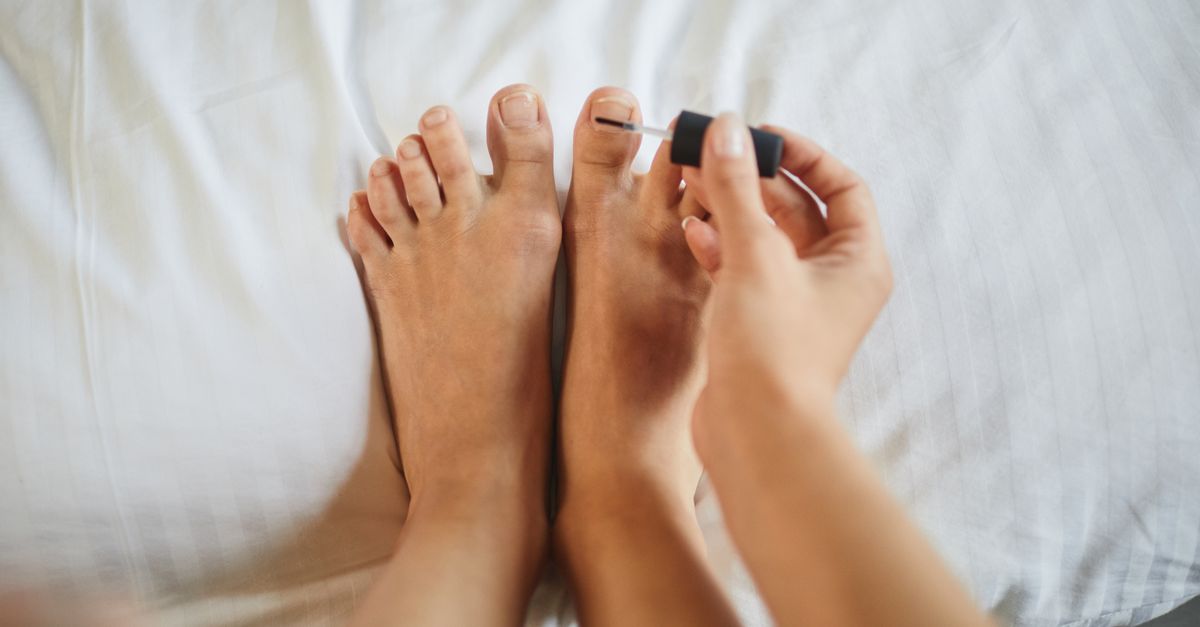
Human Science Antifungal Foot Care is a topical dermatological treatment utilizing undecylenic acid to eradicate fungal infections of the feet, specifically tinea pedis. The most notable side effect involves mild to moderate localized contact dermatitis, which can present as transient redness and stinging upon application to compromised skin.
1. Introduction & How Undecylenic Acid Works in the Body
Undecylenic acid is an unsaturated fatty acid derived naturally from castor oil. In a clinical dermatological setting, it functions as a potent fungistatic and fungicidal agent against a wide variety of dermatophytes. These dermatophytes are the specific fungi responsible for superficial skin infections such as athlete’s foot, ringworm, and jock itch.
The precise mechanism of action involves the disruption of the fungal cell membrane and the inhibition of fungal morphogenesis. Undecylenic acid interferes with the ability of the fungus to convert from a benign yeast form into an invasive hyphal form. By halting the formation of these hyphae, the medication prevents the fungus from penetrating deeper into the epidermal layers.
Furthermore, the slightly acidic nature of the formulation alters the local pH of the skin surface. Fungi thrive in warm, moist, and alkaline environments. By lowering the pH, this topical treatment creates a highly inhospitable environment for fungal replication, allowing the body’s natural epidermal shedding process to clear the infection.
2. Critical Warnings & Prerequisites Before Using This Treatment
While this topical antifungal is highly safe for general use, it is strictly formulated for external epidermal application. It must never be ingested, applied near the ocular cavity, or utilized on mucous membranes. Accidental contact with the eyes will cause severe chemical irritation and requires immediate flushing with copious amounts of water.
Patients with severe peripheral neuropathy or significantly impaired peripheral circulation, such as those with advanced diabetes mellitus, must consult a physician before utilizing over-the-counter foot care products. Minor irritation caused by the acid can occasionally escalate into deep tissue ulceration if the patient cannot feel the early warning signs of skin damage.
This formulation is not effective for the treatment of onychomycosis, which is a fungal infection residing deep underneath the nail bed. Topical liquids cannot penetrate the hard keratin of the nail plate sufficiently to eradicate the underlying dermatophytes.
3. Indications & Dosage Guidelines
Human Science Antifungal Foot Care is explicitly indicated for the topical treatment of tinea pedis, commonly known as athlete’s foot, and tinea corporis, known as ringworm.
Before application, the affected area must be thoroughly cleansed with mild soap and dried completely. Moisture trapped against the skin promotes fungal growth and defeats the purpose of the medication. The user should apply a thin, even layer of the liquid over the infected skin twice daily, typically once in the morning and once at night.
For athlete’s foot, special attention must be paid to the spaces between the toes, as this is the primary reservoir for dermatophytes. The treatment course must be continued continuously for four full weeks, even if visible symptoms disappear within the first few days.
4. In-Depth Side Effects Analysis
Adverse reactions associated with undecylenic acid are entirely restricted to the local cutaneous tissue. Because the molecule is not absorbed into the systemic circulation, internal side effects do not occur.
Common Side Effects
Following application, patients frequently report a mild, transient stinging sensation, particularly if the skin is cracked or actively blistering from the fungal infection. Slight erythema and temporary drying of the surrounding healthy skin are also standard physiological responses to the fatty acid formulation.
Serious Side Effects You Should Report
Seek immediate medical assessment if you develop severe, spreading redness, significant swelling of the foot, or large fluid-filled blisters. These symptoms indicate either a severe allergic contact dermatitis or a secondary bacterial infection that has entered through the fissured skin. Throbbing pain or the presence of thick, yellow drainage requires prompt evaluation by a podiatrist or general practitioner.
Rare Side Effects
In highly isolated instances, prolonged use on severely macerated skin can lead to tissue excoriation. A rare hypersensitivity reaction to the inactive carrier oils or preservatives in the liquid can present as localized urticaria, causing intense itching that differs from the underlying fungal itch.
Side Effects That Usually Do not Require Medical Attention
Mild scaling or flaking of the skin as the infection resolves is a natural part of the healing cascade. As the fungus dies, the damaged superficial epidermal cells slough off, revealing healthy skin underneath.
| Side Effect Category | Specific Symptoms |
|---|---|
| Dermatological | Mild stinging, transient redness, localized skin flaking |
| Infectious Secondary | Increased pain or purulent drainage indicating bacterial entry |
| Immunological | Allergic contact dermatitis, localized hives |
5. Overdose Symptoms & Emergency Response
An overdose via the topical route is physiologically impossible. The skin acts as a robust barrier, preventing the undecylenic acid from entering the bloodstream in any biologically relevant quantity.
Accidental gastrointestinal ingestion by a child presents a toxicological concern. Ingestion of the acidic liquid will cause direct irritation to the esophageal and gastric lining, leading to nausea, vomiting, and abdominal cramping. Emergency medical services must be contacted immediately, and the child should be offered water to dilute the chemical. Vomiting must not be artificially induced.
6. Missed Dose & What to Avoid While Using This Treatment
Consistency is the most critical factor in eradicating a fungal infection. If a scheduled application is missed, the user should apply the liquid as soon as possible. However, if it is nearing the time for the next dose, simply resume the standard twice-daily schedule.
Patients must strictly avoid walking barefoot in public showers, gym locker rooms, or swimming pool decks while undergoing treatment. These environments are heavily contaminated with fungal spores and will instantly re-inoculate the feet. Furthermore, avoid wearing tight, synthetic footwear that traps sweat. Moisture creates an ideal breeding ground for fungi, which will rapidly counteract the therapeutic effects of the medication.
7. What Drugs Interact With Human Science Antifungal Foot Care?
Due to the complete lack of systemic absorption, pharmacokinetic interactions with oral or intravenous prescription medications are non-existent. The active ingredient remains securely on the surface of the stratum corneum.
However, patients should avoid applying other harsh topical treatments to the same area simultaneously. Using strong topical exfoliants, such as salicylic acid preparations, directly over the undecylenic acid can severely compromise the epidermal barrier, leading to painful chemical burns and severe contact dermatitis.
8. Precautions, Safety & Duration of Action
The fungistatic action persists as long as the chemical remains on the skin. This necessitates the twice-daily application to maintain an active barrier against fungal replication. The treatment requires a full four-week commitment. Stopping the medication prematurely allows surviving fungal spores to rapidly multiply, leading to a highly resistant recurrent infection.
To ensure safety and efficacy, patients must wash their hands diligently with soap and warm water immediately after applying the liquid. Dermatophytes are highly contagious and can easily be transferred from the feet to the groin or the hands if proper hygiene protocols are ignored.
9. How to Stop Using This Treatment & Proper Storage
Discontinuing the medication simply involves halting the daily applications once the four-week treatment course is complete. No tapering is required. If the skin feels excessively dry after the treatment period, a standard unscented emollient can be used to restore the moisture barrier.
The liquid must be stored at controlled room temperature, safely away from excessive heat or open flames. Ensure the cap is screwed on tightly after each use to prevent the active ingredients from evaporating and to protect the formulation from environmental bacterial contamination.
10. When to See a Doctor
Routine medical care is generally not required for simple athlete’s foot. However, prompt medical consultation is necessary if the infection shows zero signs of improvement after four weeks of diligent daily use. A persistent infection may indicate a highly resistant fungal strain requiring oral systemic antifungals or a misdiagnosis of a different dermatological condition such as psoriasis.
11. Frequently Asked Questions
1. Why does the liquid sting when I put it on my toes?
The infection causes microscopic cracks and peeling in your skin. When the slightly acidic medication enters these tiny wounds, it irritates the exposed nerve endings, causing a temporary stinging sensation.
2. Can I use this medicine to cure my thick, yellow toenails?
No. Toenail fungus lives deep underneath the hard nail plate. Topical liquids cannot penetrate deeply enough to kill the fungus. You must consult a doctor for specialized nail treatments.
3. Why do I have to keep using it even after the itching stops?
Fungal spores can survive on the skin long after the visible rash and itching disappear. If you stop the treatment early, these hidden spores will hatch, and the infection will quickly return.
4. Is it safe to put socks on immediately after applying the liquid?
You should wait a few minutes to allow the liquid to dry completely on your skin. Once dry, put on clean, dry socks made of breathable materials like cotton or wool to keep moisture away from your feet.
5. What should I do if my foot becomes red and swollen?
Stop using the product immediately and wash your foot with mild soap. Severe redness and swelling usually mean you are having an allergic reaction or have developed a bacterial infection that requires a doctor’s care.
6. Can I share this medicine with my family members?
You should never share topical treatments, especially those used for highly contagious fungal infections. The applicator can easily transfer the fungal spores to another person.
7. Does this product kill the bacteria that cause foot odor?
While it primarily targets fungi, the acidic nature of the liquid also creates an unfavorable environment for certain odor-causing bacteria, which may help improve overall foot hygiene.
12. Bibliography
Disclaimer: The content is for informational purposes only and does not replace medical advice. Always consult your doctor or pharmacist for personalized treatment.