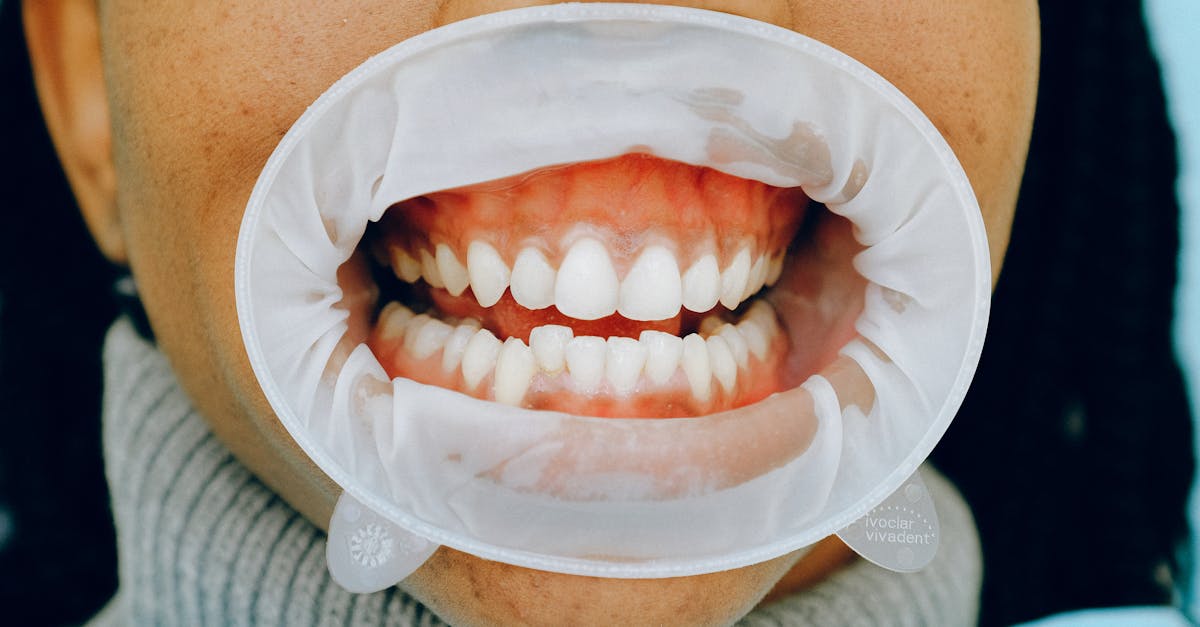
Astra-dent Topical Anesthetic Gel relies on benzocaine to deliver rapid, highly localized pain relief for minor mucosal injuries, severe toothaches, and procedural dental discomfort. The most critical and potentially life-threatening side effect associated with this ester anesthetic is the induction of methemoglobinemia, a severe blood disorder that drastically reduces the ability of red blood cells to transport oxygen throughout the body.
1. Introduction & How Benzocaine Works in the Body
Benzocaine is a highly potent ester-type local anesthetic. Unlike many other systemic anesthetics, its chemical structure renders it highly lipophilic and poorly soluble in water. This specific structural characteristic allows it to remain localized exactly where it is applied, preventing it from rapidly diffusing away into surrounding tissues or systemic circulation under normal conditions.
Upon application to the oral mucosa, the benzocaine molecules immediately penetrate the superficial tissue layer and bind directly to voltage-gated sodium channels located on the membranes of peripheral sensory nerve endings. By obstructing these specific channels, the drug blocks the sudden influx of sodium ions required to trigger an electrical action potential.
This blockade effectively silences the nerve, preventing it from transmitting pain signals to the brain. The onset of the numbing effect is almost instantaneous. Because of its unique chemical nature, the anesthetic effect remains strictly superficial, numbing only the mucosal surface without affecting the deep tissue structures or major dental nerves buried within the jawbone.
2. Critical Warnings & Prerequisites Before Using This Gel
The United States Food and Drug Administration has issued strict warnings regarding the use of benzocaine products in pediatric populations. This gel must never be used in children under the age of two years for the treatment of teething pain. The risk of inducing fatal methemoglobinemia in infants is extraordinarily high, mandating the use of non-pharmacological soothing remedies instead.
Methemoglobinemia is a profound pathological condition where the iron within the hemoglobin molecule is chemically oxidized. This structural change renders the hemoglobin incapable of releasing bound oxygen to the peripheral body tissues, leading to rapid cellular asphyxiation. Patients with underlying asthma, severe bronchitis, or pre-existing cardiovascular disease must exercise extreme caution, as they are exceptionally vulnerable to the catastrophic effects of sudden systemic oxygen depletion.
Furthermore, this gel must never be applied to massive areas of broken, actively bleeding, or severely ulcerated mucosal tissue. Severely damaged tissue allows the ester anesthetic to bypass the localized mucosal barrier and flood directly into the systemic circulation, severely increasing the risk of central nervous system toxicity and hematological failure.
3. Indications & Dosage Guidelines
Astra-dent Topical Anesthetic Gel is explicitly indicated for the temporary relief of acute pain associated with minor oral irritation, severe toothaches, aphthous ulcers, sore gums, and minor mucosal abrasions caused by orthodontic appliances or dentures.
Proper dosing requires absolute precision and minimal volume. The patient should utilize a clean cotton swab or a thoroughly washed fingertip to apply a very small, pea-sized amount of the gel strictly to the specific, localized source of the pain.
This precise application may be repeated up to four times daily. It is strictly recommended to avoid continuous use beyond seven consecutive days. If severe oral pain persists beyond a full week, it strongly indicates a deep dental infection or severe structural pathology that cannot be resolved with superficial surface anesthetics.
4. In-Depth Side Effects Analysis
While localized side effects are typically minimal and well-tolerated, the systemic absorption of ester anesthetics presents unique and potentially devastating clinical challenges that require vigilant observation.
Common Side Effects
Following application, patients normally experience profound localized numbness within seconds. A mild, transient burning or stinging sensation often occurs during the first few moments of mucosal contact. As the gel mixes with natural saliva and spreads slightly, temporary numbness of the adjacent tongue or surrounding mucosal tissue is highly common.
Serious Side Effects You Should Report
Seek immediate emergency medical intervention if you develop pale, gray, or blue-colored lips and nail beds, extreme lethargy, severe shortness of breath, or a sudden rapid heart rate. These are the cardinal, life-threatening symptoms of acute methemoglobinemia. Furthermore, severe swelling of the face, tongue, or throat indicates a massive anaphylactic allergic reaction requiring immediate epinephrine administration.
Rare Side Effects
In exceptionally rare cases involving a massive systemic overdose, patients may exhibit severe central nervous system toxicity. Symptoms rapidly progress from severe anxiety and visual disturbances to generalized seizures, immediately followed by profound respiratory depression and cardiovascular collapse.
Side Effects That Usually Do not Require Medical Attention
A temporary alteration or complete loss of the sense of taste is a standard consequence of numbing the lingual papillae. This harmless sensory side effect resolves completely once the anesthetic action dissipates, usually within one to two hours.
| Side Effect Category | Specific Symptoms |
|---|---|
| Hematological | Methemoglobinemia, cyanosis, severe tissue hypoxia |
| Localized Ocular | Transient stinging, temporary loss of taste, tongue numbness |
| Neurological Toxicity | Anxiety, tremors, seizures (if massively absorbed) |
| Immunological | Anaphylaxis, severe facial swelling, hives |
5. Overdose Symptoms & Emergency Response
An overdose of topical benzocaine is a highly complex medical emergency. The primary, most immediate concern is not always central nervous system toxicity, but rather massive methemoglobinemia. The patient will appear intensely cyanotic, yet standard supplemental oxygen will fail to improve their color or blood oxygen saturation because the hemoglobin itself is chemically locked in an oxidized state.
Immediate transportation to an emergency department is vital for survival. The definitive pharmacological antidote for severe benzocaine-induced methemoglobinemia is the rapid intravenous administration of methylene blue. This specialized agent biochemically reduces the oxidized iron back to its functional state, instantly restoring the blood’s ability to transport oxygen to the vital organs.
6. Missed Dose & What to Avoid While Using This Gel
Because the gel is utilized strictly on an as-needed basis for acute pain flares, there is no formal dosing schedule to miss. The user simply applies the minimal effective amount when the severe pain returns, strictly adhering to the four-times-daily maximum limit.
Patients must strictly avoid eating solid food or chewing gum while the oral mucosa is actively numbed. The complete lack of sensation severely compromises natural protective reflexes, drastically increasing the risk of accidentally biting deep into the tongue or inner cheek, which can cause severe tissue trauma. Furthermore, avoid drinking scalding hot liquids, as the patient will be entirely unable to feel the thermal damage occurring to their throat.
7. What Drugs Interact With Astra-dent Topical Anesthetic Gel?
Benzocaine is an ester-class local anesthetic, meaning its systemic metabolic byproducts can directly interfere with specific antibiotic therapies. The primary breakdown product of benzocaine is para-aminobenzoic acid. This compound actively antagonizes the antibacterial efficacy of sulfonamide antibiotics. Therefore, concurrent use with sulfa drugs should be avoided.
Applying this gel simultaneously with other topical anesthetics, such as oral lidocaine viscous solutions, severely multiplies the risk of inducing cardiac arrhythmias, central nervous system toxicity, and fatal methemoglobinemia. Therapy must always be restricted to a single topical anesthetic agent.
8. Precautions, Safety & Duration of Action
The analgesic duration is relatively short, typically lasting between thirty and sixty minutes. Because the drug is continuously washed away by natural salivary flow, patients are often tempted to reapply the gel constantly. This severe over-application is the primary mechanism of toxic systemic accumulation and must be strictly avoided.
Patients with severe, uncontrolled heart failure or profound anemia must approach this medication with extreme caution. Because their baseline oxygen delivery is already severely compromised, even a mild case of drug-induced methemoglobinemia could rapidly trigger acute myocardial ischemia or a devastating ischemic stroke.
9. How to Stop Using This Gel & Proper Storage
Discontinuing the medication requires no medical tapering protocol. The patient simply stops applying the gel once the underlying dental issue has been professionally treated or the acute pain naturally subsides. Any residual numbness will fade naturally within an hour.
The tube must be stored at room temperature in a highly secure, elevated location. Because the gel is often formulated with sweet flavorings to mask the bitter chemical taste, it is highly attractive to young children. Accidental ingestion of the tube contents by a toddler is a life-threatening emergency requiring immediate hospital care.
10. When to See a Doctor
Immediate dental intervention is required if the patient experiences continuous, throbbing pain accompanied by a visible swelling on the jawline, a high fever, or foul-tasting purulent drainage. These symptoms strongly indicate a severe, deep dental abscess that can rapidly spread to the brain or compromise the airway. A superficial surface anesthetic will not cure a deep bacterial infection.
11. Frequently Asked Questions
1. Why is this gel strictly banned for teething babies?
The FDA heavily warns against using benzocaine in children under two because their bodies are highly susceptible to a rare, fatal chemical reaction that permanently stops their blood from carrying oxygen to their brain and organs.
2. What does it mean if my lips turn blue after using this?
Blue or gray lips indicate a severe, life-threatening medical emergency called methemoglobinemia. You must go to the nearest emergency room immediately for specialized intravenous treatment to restore your oxygen levels.
3. Can I use this gel to numb a deep cavity before going to the dentist?
While it may temporarily numb the surface gum tissue around the infected tooth, it cannot penetrate deeply enough into the hard tooth structure to stop the severe nerve pain caused by a deep cavity.
4. Why can I not eat immediately after applying the gel?
Because your tongue and cheeks are completely numb, you cannot feel pain. You could easily bite a deep hole in your own cheek or tongue while chewing without realizing it until the numbness wears off completely.
5. Is it safe to swallow my saliva after applying the gel?
Swallowing small amounts of saliva mixed with a properly applied, pea-sized dose is generally safe for adults. However, you should avoid purposely swallowing large amounts of the raw gel directly from the tube.
6. Can I apply this to a cold sore on the outside of my lip?
Yes, it can provide temporary pain relief for superficial cold sores, but it will not heal the underlying viral infection. Wash your hands thoroughly after application to prevent spreading the virus to your eyes.
7. Why did the numbing effect only last for twenty minutes?
Benzocaine is highly superficial and gets washed away continuously by your natural saliva production. Its short duration of action is exactly why professional dental treatment is required for permanent pain relief.
12. Bibliography
Disclaimer: The content is for informational purposes only and does not replace medical advice. Always consult your doctor or pharmacist for personalized treatment.