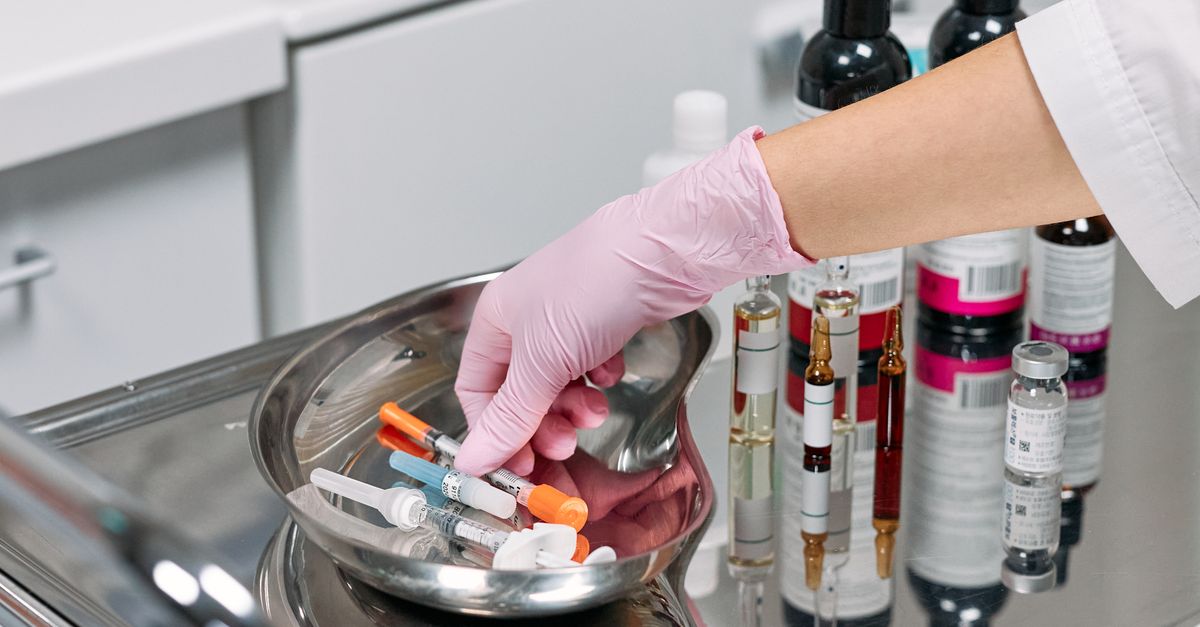
MediNumb is a potent topical local anesthetic primarily utilizing lidocaine to provide reliable dermal anesthesia for minor superficial medical and cosmetic procedures. The most dangerous adverse reaction is the risk of fatal systemic neurotoxicity and cardiovascular collapse if the medication is applied over vast areas of the body, applied to compromised skin, or artificially heated.
1. Introduction & How Lidocaine Works in the Body
Lidocaine operates as a highly specific amide-type local anesthetic. Formulated into a topical delivery vehicle, the MediNumb cream ensures that the active anesthetic molecules can bypass the tough outer stratum corneum and reach the dermal nerve endings directly.
Upon contacting the peripheral sensory nerves, lidocaine binds selectively to voltage-gated sodium channels located within the neuronal membrane. By biochemically locking these channels in an inactive conformation, the drug physically blocks the rapid influx of sodium ions required to depolarize the nerve.
This failure to depolarize completely prevents the nerve from generating and conducting electrical pain signals to the central nervous system. The localized application effectively silences the targeted area, allowing medical practitioners to perform superficial incisions, laser therapies, or needle insertions with minimal patient discomfort.
2. Critical Warnings & Prerequisites Before Using MediNumb
The application of high-concentration topical lidocaine carries heavily documented risks of systemic toxicity. MediNumb must strictly never be applied to severely inflamed tissue, deep lacerations, or massive thermal burns. Compromised epidermal barriers lack the natural resistance required to slow drug absorption, allowing massive quantities of lidocaine to flood directly into the systemic circulation at lethal speeds.
Patients must never apply occlusive dressings, such as tight plastic wrap, or external heat sources over the treated area without direct medical supervision. The addition of heat massively dilates the cutaneous vascular bed, heavily amplifying the systemic absorption rate and precipitating acute, severe toxicity.
A profound, life-threatening complication known as methemoglobinemia is occasionally triggered by topical anesthetics. This blood disorder permanently oxidizes the hemoglobin molecule, entirely neutralizing its ability to carry oxygen to vital organs. Patients with severe cardiopulmonary disease, advanced asthma, or a history of profound anemia face an exceptionally high risk of catastrophic tissue asphyxiation if this condition develops.
3. Indications & Dosage Guidelines
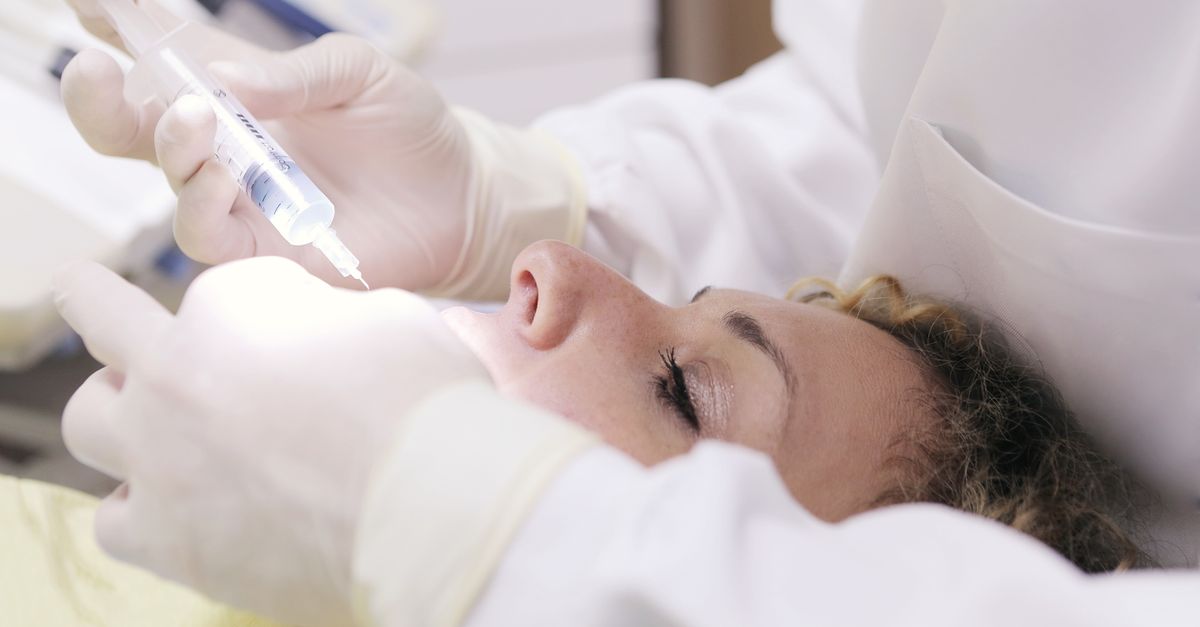
MediNumb is strictly indicated for the temporary, localized dermal analgesia required before minor superficial dermatological procedures, such as minor excisions, intense pulsed light therapy, superficial biopsies, and localized cosmetic injections.
The dosage is directly dictated by the size of the procedural area. The clinical protocol requires applying a thick, highly uniform layer of the cream directly to the intact skin. The application is typically left in place for thirty to sixty minutes depending on the desired depth of the anesthetic effect.
Prior to initiating the medical procedure, the clinician must rigorously wipe away all residual cream using a sterile wipe. The medication must never be left on the skin indefinitely, nor should it be applied continuously across large portions of the trunk or extremities.
4. In-Depth Side Effects Analysis
While isolated, controlled application is highly safe, the adverse effect profile becomes devastating if the product is misused, leading to rapidly escalating systemic complications.
Common Side Effects
Expected localized dermatological reactions include transient skin blanching or slight localized erythema immediately following application. A mild initial stinging sensation is highly typical as the medication penetrates the epidermis. A profound, localized loss of all thermal and tactile sensation is the direct pharmacological objective.
Serious Side Effects You Should Report
Seek immediate emergency medical intervention if you experience severe muscle twitches, profound dizziness, ringing in the ears, or a sudden metallic taste in the mouth. These are the primary neurological markers indicating that toxic levels of lidocaine have breached the blood-brain barrier. Additionally, the development of bluish lips or severe shortness of breath strongly signifies acute methemoglobinemia, demanding immediate hospital-based oxygen and specialized antidote therapy.
Rare Side Effects
In rare clinical instances, highly sensitized patients may develop severe allergic contact dermatitis, presenting as widespread, painful fluid-filled bullae and massive hives at the application site. Extreme cardiovascular depression, resulting in a dangerously slow heart rate and profound hypotensive shock, occurs almost exclusively in cases of massive topical overdose.
Side Effects That Usually Do not Require Medical Attention
Minor, localized edema that appears immediately after the numbing cream is wiped away typically requires zero medical intervention and subsides autonomously as the skin barrier normalizes.
| Side Effect Category | Specific Symptoms |
|---|---|
| Neurological Toxicity | Tinnitus, generalized tremors, seizures, metallic taste |
| Cardiovascular Toxicity | Bradycardia, profound hypotension, heart blocks |
| Hematological (Rare) | Methemoglobinemia, cyanosis, extreme hypoxia |
| Dermatological | Transient blanching, localized erythema, contact dermatitis |
5. Overdose Symptoms & Emergency Response
An overdose occurs exclusively when systemic absorption drastically outpaces hepatic clearance, resulting in a condition known clinically as Local Anesthetic Systemic Toxicity. This presents as a highly lethal, biphasic neurological and cardiovascular crisis.
The initial phase triggers severe central nervous system excitation, manifesting as extreme anxiety, auditory disturbances, and generalized tonic-clonic seizures. This excitation rapidly plummets into profound central nervous system depression, leading directly to respiratory arrest and complete cardiovascular collapse. Emergency room management is absolutely critical. The definitive treatment involves aggressive airway management and the immediate intravenous administration of lipid emulsion therapy to act as a molecular sink, stripping the lidocaine out of the critical cardiac tissues.
6. Missed Dose & What to Avoid While Using MediNumb
Because MediNumb is utilized as a single, pre-procedural application, there is no daily dosing schedule and therefore no risk of a missed dose. The clinician simply applies the cream prior to the scheduled intervention.
Following the procedure, patients must strictly avoid scratching, rubbing, or exposing the numbed tissue to extreme temperatures. Because the pain receptors are chemically silenced, the patient is entirely incapable of detecting severe mechanical or thermal injury. Scratching a numb area can effortlessly result in deep dermal excoriation and severe secondary bacterial infections.
7. What Drugs Interact With MediNumb?
When utilized appropriately on highly restricted areas of intact skin, systemic drug interactions are exceedingly rare. However, if the medication is absorbed systemically due to improper application, severe pharmacological interactions arise.
Patients actively prescribed Class I antiarrhythmic medications require extreme clinical caution. Systemic accumulation of lidocaine heavily compounds the cardiac depressant effects of these drugs, highly increasing the risk of fatal electrical heart blocks. Combining MediNumb with other ester or amide local anesthetics, such as prilocaine, exponentially multiplies the risk of triggering severe methemoglobinemia and neurotoxicity.
8. Precautions, Safety & Duration of Action
The profound numbing effect typically peaks between forty-five and sixty minutes after application and reliably persists for approximately one to two hours after the cream is physically removed. The exact duration fluctuates based heavily on local cutaneous vascularity and individual metabolism.
Extreme precaution is strictly required for pediatric populations. Pediatric skin possesses a massively higher permeability relative to body mass. Applying adult formulations of highly concentrated lidocaine to a child creates a catastrophic risk of fatal systemic toxicity. This product must be kept entirely inaccessible to minors.
9. How to Stop Using MediNumb & Proper Storage
Discontinuation is immediate once the clinical procedure is complete. The profound numbness cannot be pharmacologically reversed and must simply fade naturally over a few hours as the body enzymatically degrades the localized lidocaine. Gently wash the treated area with a non-abrasive cleanser and lukewarm water to remove all active residue.
Store the tube at controlled room temperature, safely away from excessive thermal heat or direct sunlight. High temperatures will aggressively destabilize the cream emulsion, causing the active lidocaine to separate from the delivery base and rendering the product highly dangerous and ineffective. Always secure the cap tightly.
10. When to See a Doctor
If the treated skin erupts in severe, weeping blisters, develops deep tissue ulcerations, or turns completely black in the days following the procedure, immediately consult a dermatologist. Furthermore, if you feel sudden, profound drowsiness, experience severe heart palpitations, or begin severely twitching hours after the cream was removed, you must seek emergency medical care immediately for delayed systemic toxicity.
11. Frequently Asked Questions
1. Can I use this cream to numb a massive area like my chest and stomach?
No. Applying high-concentration lidocaine across massive surface areas allows lethal amounts of the drug to absorb directly into your systemic circulation, which can trigger a fatal seizure or sudden cardiac arrest.
2. Why is it dangerous to wrap the cream tightly in plastic wrap?
Occlusive dressings like plastic wrap create a sealed environment that forces the medication deep into your dermal tissues much faster than it safely should. This drastically elevates your risk of suffering a severe, life-threatening overdose.
3. Is it safe to apply this cream to a badly scraped knee to stop the pain?
Absolutely not. The intact skin barrier is required to protect you from rapid absorption. If you apply this to broken, bleeding, or severely scraped skin, the drug enters your blood rapidly and causes severe systemic toxicity.
4. How long will I stay numb after my doctor wipes the cream off?
Depending on the specific thickness of your skin and localized blood flow, the profound numbness generally lasts anywhere from one to two hours before normal thermal and tactile sensation fully returns.
5. What should I do if the cream accidentally touches my eye?
Lidocaine is highly destructive to the delicate tissues of the eye and will cause severe corneal ulceration. Immediately flush your eye with copious amounts of cool water for at least fifteen minutes and seek emergency ophthalmological care.
6. Why do I taste metal in my mouth and feel dizzy after putting this on my arm?
A distinct metallic taste in your mouth, severe ringing in your ears, or extreme dizziness are the hallmark medical warning signs that highly toxic levels of lidocaine have reached your brain. Seek emergency medical assistance immediately.
7. Can I use a hot towel over the cream to speed up the numbing?
Never apply external heat over any topical anesthetic cream. Heat aggressively dilates your blood vessels and sucks the medication into your systemic circulation rapidly, greatly multiplying your risk of a fatal cardiovascular overdose.
12. Bibliography
Disclaimer: The content is for informational purposes only and does not replace medical advice. Always consult your doctor or pharmacist for personalized treatment.