
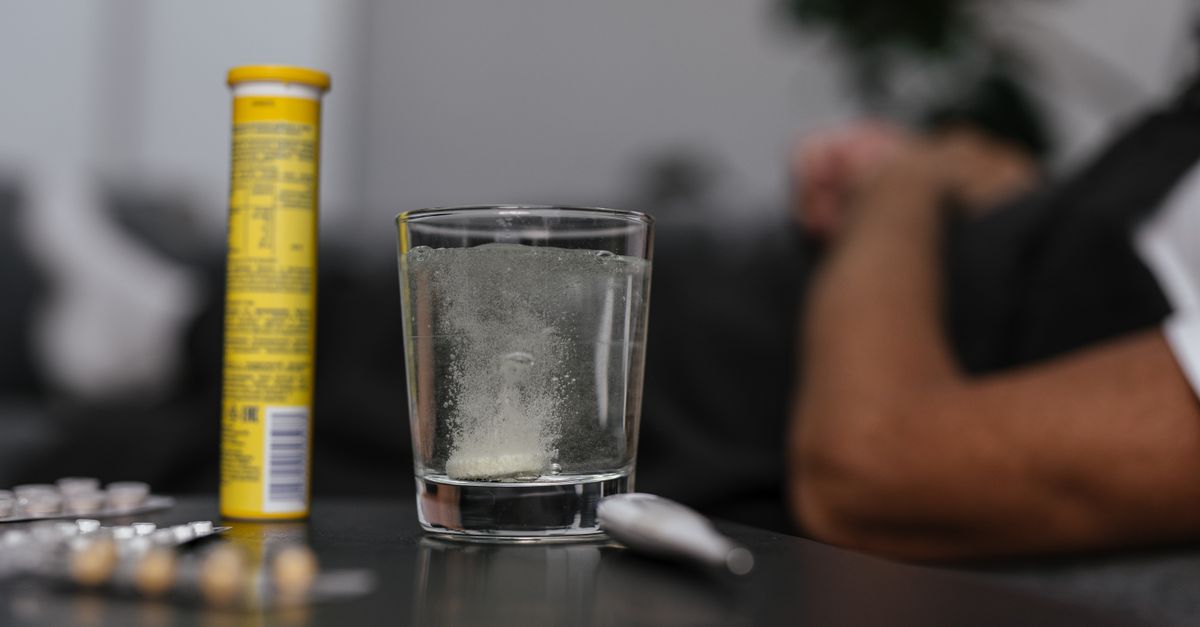
Max Tussin Mucus and Chest Congestion Sugar Free is an oral expectorant utilizing guaifenesin to help loosen phlegm and thin bronchial secretions. Its most notable side effect is mild gastrointestinal distress, presenting typically as nausea or stomach discomfort if the medication is taken on an empty stomach.
1. Introduction & How Max Tussin Mucus And Chest Congestion Works in the Body
Guaifenesin is a well-established pharmacological expectorant designed to alleviate chest congestion. When a patient suffers from an upper respiratory tract infection, the mucous membranes lining the bronchi produce thick, tenacious phlegm. This viscous mucus becomes highly difficult to expel, leading to a persistent, unproductive cough and a sensation of profound chest heaviness.
Upon oral ingestion, guaifenesin is rapidly absorbed into the systemic circulation. It exerts its primary therapeutic effect by stimulating the gastric vagal receptors. This stimulation triggers a reflex action in the bronchial glands, causing them to secrete a significant volume of highly watery fluid directly into the respiratory tract.
This influx of watery fluid mixes with the existing thick mucus, vastly reducing its overall viscosity and surface tension. By transforming the tenacious phlegm into a thinner, more liquid state, the medication greatly enhances the efficiency of the body’s natural ciliary action and the cough reflex. This allows the patient to productively cough up and clear the trapped secretions from the airway.
2. Critical Warnings & Prerequisites Before Taking This Expectorant
While generally regarded as highly safe, guaifenesin requires appropriate clinical context. It is strictly indicated for productive coughs. It should not be utilized for chronic, persistent coughs that are associated with smoking, asthma, chronic bronchitis, or emphysema unless explicitly directed by a pulmonologist.
Patients must understand that an expectorant does not suppress the cough reflex. Its sole purpose is to make the cough more productive. Therefore, if a patient is seeking to stop coughing entirely in order to sleep, this medication will not achieve that goal and may actually increase coughing frequency as the mucus loosens.
This specific formulation is distinctly labeled as sugar-free. Patients with rare hereditary metabolic disorders, such as phenylketonuria, must carefully check the inactive ingredients list for artificial sweeteners like aspartame, which can present a significant metabolic risk if consumed.
3. Indications & Max Tussin Dosage Guidelines
Max Tussin Mucus and Chest Congestion Sugar Free is indicated for the temporary relief of chest congestion associated with the common cold, infections of the upper respiratory tract, and minor throat irritation.
For adults and children over twelve years of age, the standard dose of the liquid formulation typically ranges from two hundred to four hundred milligrams administered every four hours. The total daily intake must never exceed two thousand four hundred milligrams within a strict twenty-four-hour period.
Accurate measurement is critical. The patient must exclusively use the provided dosing cup to measure the liquid. Efficacy is heavily dependent on systemic hydration. The patient must consume a full eight-ounce glass of water with each dose, as the medication requires adequate bodily fluids to successfully thin the bronchial secretions.
4. In-Depth Side Effects Analysis
The adverse reaction profile of guaifenesin is exceptionally mild, with side effects occurring infrequently and typically resolving upon discontinuation of the medication.
Common Side Effects
Gastrointestinal symptoms are the most frequently reported adverse effects. Patients occasionally experience mild nausea, transient stomach cramping, and a notable aftertaste following oral ingestion. Minor dizziness or a mild headache can also occur, though these are often difficult to separate from the baseline symptoms of the underlying viral illness.
Serious Side Effects You Should Report
Seek immediate medical assessment if you develop widespread hives, swelling of the lips and throat, or a sudden difficulty breathing shortly after ingestion. These signs strongly indicate a severe systemic hypersensitivity reaction or acute anaphylaxis to the active drug or the synthetic flavorings within the sugar-free syrup.
Rare Side Effects
In highly isolated instances, prolonged use of high doses has been associated with the formation of specific kidney stones, specifically in patients with underlying renal vulnerabilities. A rare dermatological rash presenting as mild, non-itchy red spots has been documented in a small fraction of the clinical population.
Side Effects That Usually Do not Require Medical Attention
A temporary increase in coughing frequency is the intended pharmacological action of the drug as it mobilizes the loosened mucus. This increased cough productivity requires no medical intervention and signifies that the medication is working correctly.
| Side Effect Category | Specific Symptoms |
|---|---|
| Gastrointestinal | Mild nausea, stomach cramping, unpleasant aftertaste |
| Neurological | Transient headache, minor dizziness |
| Immunological | Rare anaphylaxis, severe allergic rash, facial swelling |
| Respiratory | Increased productive coughing |
5. Overdose Symptoms & Emergency Response
An overdose of guaifenesin is generally non-lethal and rarely presents a severe medical emergency. The compound possesses a very wide margin of safety.
Consuming massive quantities of the expectorant will rapidly precipitate severe gastrointestinal toxicity. The primary symptoms of an acute overdose are profound nausea, forceful vomiting, and significant abdominal pain. The vomiting is a natural physiological response to clear the excess chemical from the stomach lining. Treatment is entirely supportive, focusing on oral or intravenous rehydration to replace the fluids lost through vomiting and ensuring the patient rests until the stomach settles.
6. Missed Dose & What to Avoid While Taking Max Tussin
Because this expectorant is utilized strictly for symptom management on an as-needed basis, there is no formal continuous dosing schedule. If the patient forgets a dose, they simply take the next one when the chest congestion becomes bothersome again, ensuring they do not exceed the six-dose daily maximum.
Patients must strictly avoid severe dehydration while undergoing expectorant therapy. Consuming high amounts of caffeine or alcohol will actively dehydrate the body, directly counteracting the fundamental mechanism of the drug. Without ample water in the system, the expectorant cannot pull fluid into the lungs, rendering the medication entirely useless.
7. What Drugs Interact With Max Tussin?
Guaifenesin is highly unique because it exhibits virtually zero clinically significant pharmacokinetic interactions with other prescription or over-the-counter medications. It does not inhibit or induce hepatic cytochrome P450 enzymes.
However, a notable laboratory interaction exists. The metabolic byproducts of guaifenesin excreted in the urine can artificially alter the results of specific diagnostic tests used to measure urinary catecholamines, particularly those testing for a rare tumor called a pheochromocytoma. Patients must inform their physician that they are taking this expectorant at least forty-eight hours prior to providing a specialized urine sample for endocrinology testing.
8. Precautions, Safety & Duration of Action
The therapeutic action of the liquid expectorant begins relatively quickly, often within thirty to sixty minutes of ingestion, provided the patient is adequately hydrated. The effects typically last for four hours, aligning precisely with the recommended dosing intervals.
Special precaution is advised for pregnant and nursing women. While no definitive evidence suggests that guaifenesin causes fetal harm, it freely crosses the placental barrier. Pregnant patients should consult their obstetrician before utilizing any systemic cold remedies, especially during the first trimester.
9. How to Stop Taking Max Tussin & Proper Storage
Discontinuing the medication requires no specific tapering protocol. The patient simply stops taking the syrup once the respiratory infection resolves and the chest congestion clears. The body will naturally excrete any remaining drug metabolites through the urine within a few hours.
The bottle must be stored at controlled room temperature, protected from excessive heat and direct sunlight to prevent the liquid formulation from separating or degrading. Ensure the child-resistant cap is firmly secured, as the flavoring can be highly appealing to young children.
10. When to See a Doctor
Immediate medical consultation is absolutely required if the productive cough persists for more than seven days, regularly returns after clearing up, or is newly accompanied by a high, persistent fever, severe chills, or blood-streaked mucus. These clinical markers indicate a serious lower respiratory tract infection, such as bacterial pneumonia, which requires prescription antibiotic therapy.
11. Frequently Asked Questions
1. Why do I need to drink a large glass of water with this medicine?
The medication works by pulling water from your body into your lungs to thin out the thick mucus. If you are dehydrated and do not drink enough water, the medicine physically cannot perform its job.
2. Will this syrup help me stop coughing so I can sleep?
No. This medicine is an expectorant, meaning it is designed to help you cough up the trapped mucus. It may actually make you cough more frequently during the day as it clears your chest.
3. Is it safe to take this if I have diabetes?
Yes, this specific formulation is sugar-free, making it a safer option for diabetic patients managing their daily glucose levels while treating a respiratory cold.
4. Why does my stomach feel slightly upset after taking a dose?
Mild nausea is the most common side effect. Taking the medication with a small piece of bread or crackers can heavily reduce the stomach irritation caused by the active ingredient.
5. Can I take this alongside my prescription blood pressure medication?
Yes. Guaifenesin does not contain decongestants like pseudoephedrine, so it will not cause dangerous spikes in your blood pressure or interact with your cardiac medications.
6. What should I do if the medicine is not clearing my chest?
If your chest remains heavily congested after several days of treatment and drinking plenty of water, you must see a doctor to rule out bronchitis or a bacterial lung infection.
7. Can I give this medicine to my toddler?
Over-the-counter cough and cold medicines are strongly discouraged for very young children. You must strictly consult your pediatrician before giving any expectorant to a child under the age of six.
12. Bibliography
Disclaimer: The content is for informational purposes only and does not replace medical advice. Always consult your doctor or pharmacist for personalized treatment.



