
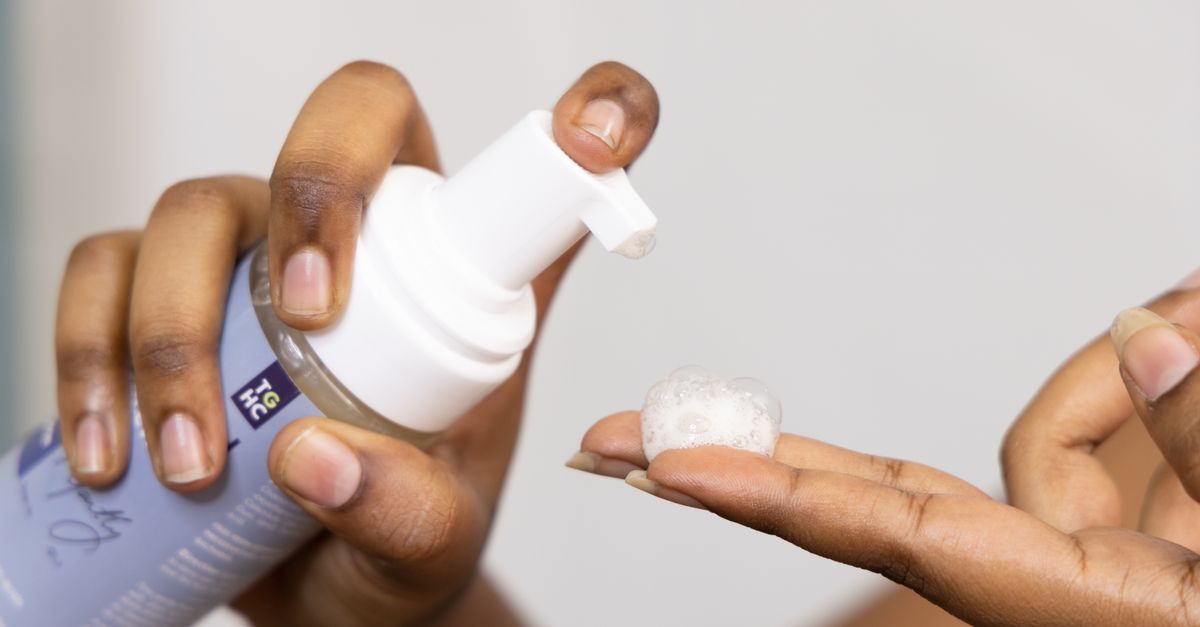
Sodium Sulfacetamide 10 percent and Sulfur 5 percent Cleanser is a maximum-strength prescription wash utilized for the aggressive management of severe acne vulgaris, acne rosacea, and seborrheic dermatitis. The most dangerous side effect is the potential for fatal systemic anaphylaxis in patients with a sulfonamide allergy, while the primary localized adverse effect is profound epidermal desiccation and severe peeling due to the high chemical concentrations.
1. Introduction & How This Maximum-Strength Cleanser Works in the Body
This powerful medicated cleanser operates through the synergistic combination of two highly concentrated active ingredients to rapidly alter the cutaneous microbiome. Sulfacetamide sodium is present at a maximum clinical concentration of ten percent. It functions as a bacteriostatic sulfonamide, actively competing with para-aminobenzoic acid to halt the synthesis of folic acid in susceptible bacteria. This severe metabolic blockade rapidly eradicates the overpopulation of Cutibacterium acnes driving severe cystic acne.
Simultaneously, the formulation utilizes a five percent concentration of sulfur, providing aggressive keratolytic and antifungal action. The high concentration of sulfur rapidly breaks down the dense keratin bonds within the stratum corneum, forcing the rapid shedding of dead epidermal cells. This aggressive chemical peeling heavily unclogs impacted sebaceous glands and destroys the localized environment where the Malassezia yeast thrives.
By delivering these maximum-strength ingredients in a wash-off cleanser, patients can effectively treat vast anatomical areas, such as the entire back and chest, without risking the severe systemic absorption that would occur if a leave-on cream of this concentration were applied massively across the body.
2. Critical Warnings & Prerequisites Before Using This Cleanser
The paramount, life-saving warning regarding this medication involves immunological hypersensitivity. This cleanser is absolutely contraindicated in any patient with a documented allergy to sulfonamide medications. Despite being a wash-off product, the highly vascularized facial tissue can absorb sufficient quantities of the drug to trigger a catastrophic, potentially fatal systemic allergic reaction, including Stevens-Johnson syndrome.
Patients must strictly avoid applying this maximum-strength cleanser to skin that is actively sunburned, deeply lacerated, or weeping from severe eczema. Applying a highly concentrated antibacterial and keratolytic wash to a destroyed epidermal barrier will cause agonizing chemical burns and heavily increase systemic drug absorption, placing severe stress on the kidneys.
Furthermore, extreme vigilance is required to protect the ocular cavity. The ten percent sulfacetamide and five percent sulfur formulation acts as a severe, aggressive chemical irritant to mucosal tissues. If the lather enters the eyes, it will cause profound conjunctival injection and severe, agonizing burning, requiring immediate, prolonged flushing to prevent permanent corneal abrasion.
3. Indications & Dosage Guidelines
This maximum-strength cleanser is strictly indicated for the aggressive topical management of severe acne vulgaris, recalcitrant acne rosacea, and widespread seborrheic dermatitis.
The application protocol must be followed precisely to prevent chemical burns. The patient must first wet the affected skin with warm water. A moderate amount of the cleanser is applied to the hands and gently massaged into the affected areas to create a rich lather.
The lather must remain on the skin for exactly ten to twenty seconds. It must never be left on the skin as a mask. After this brief contact time, the medication must be rinsed thoroughly with copious amounts of water, and the skin patted completely dry. This process is typically performed once daily initially, escalating to twice daily only if the skin proves highly tolerant of the maximum-strength formulation.
4. In-Depth Side Effects Analysis
Due to the maximum clinical concentrations of both active ingredients, the adverse reaction profile is heavily dominated by profound localized epidermal disruption.
Common Side Effects
Patients universally experience significant epidermal desiccation. Moderate to severe skin peeling, a profound sensation of tightness, and highly noticeable localized erythema are standard responses during the first month of therapy. A distinct, strong sulfurous odor frequently lingers on the skin even after thorough rinsing.
Serious Side Effects You Should Report
Seek immediate emergency medical intervention if you experience rapidly spreading facial swelling, intense hive clusters, or severe difficulty breathing shortly after using the wash. These are cardinal indicators of a severe systemic sulfonamide allergy. If the treated skin develops painful, fluid-filled blisters or turns violently red and hot to the touch, a severe chemical burn has occurred, requiring immediate cessation of the product.
Rare Side Effects
In highly rare instances, chronic use of this maximum-strength wash over massive areas of the body has led to mild systemic sulfonamide absorption, presenting as unexplained joint pain, hematuria, and mild fever. Severe irritant contact dermatitis, characterized by intense, unyielding pruritus and severe crusting, occurs frequently in patients who fail to moisturize adequately.
Side Effects That Usually Do not Require Medical Attention
A transient, highly noticeable stinging sensation during the active lathering phase is a standard, intended response to the aggressive keratolytic action of the five percent sulfur. This harmless sensation typically fades the exact moment the cleanser is thoroughly rinsed away.
| Side Effect Category | Specific Symptoms |
|---|---|
| Dermatological | Profound desiccation, severe peeling, intense transient stinging |
| Ocular | Severe mucosal burning if accidentally introduced into eyes |
| Immunological | Severe anaphylaxis in sulfa-allergic patients |
| Olfactory | Strong lingering sulfurous odor on the treated skin |
5. Overdose Symptoms & Emergency Response
An overdose via standard topical washing is physically impossible, provided the product is rinsed off promptly. However, intentionally leaving this maximum-strength lather on the skin for prolonged minutes will result in a severe, localized chemical burn, massive erythema, and deep tissue ulceration.
Accidental gastrointestinal ingestion represents a significant toxicological emergency. Swallowing the medicated wash will induce severe gastric distress, forceful vomiting, and introduces the severe risk of systemic sulfonamide toxicity. Emergency response involves preventing aspiration, ensuring adequate hydration, and immediately contacting a regional poison control center for specialized observation protocols.
6. Missed Dose & What to Avoid While Using This Cleanser
Because this medication is incorporated into a daily cleansing routine, a missed dose should simply be skipped. The patient must resume the normal washing schedule during their next standard hygiene routine. Attempting to wash the face multiple extra times in a single day to compensate will completely destroy the lipid skin barrier and cause severe, agonizing irritation.
Patients must strictly avoid using harsh physical scrubbing tools, abrasive sponges, or electronic cleansing brushes while applying this lather. The maximum-strength sulfur heavily degrades the outer skin layer, making it incredibly vulnerable to mechanical tearing. Furthermore, patients must absolutely avoid applying other strong topical astringents, alcohol-based toners, or heavy chemical peels while using this cleanser.
7. What Drugs Interact With This Cleanser?
Systemic pharmacokinetic interactions are highly unlikely due to the brief contact time on the skin. The primary clinical interactions revolve exclusively around concurrent topical dermatological treatments.
This wash must absolutely never be used simultaneously with topical wound care products containing silver. The chemical interaction between sulfur and silver rapidly generates silver sulfide, which will immediately deposit a highly distinct, dark black stain across the treated skin. Additionally, using this cleanser immediately before applying a prescription retinoid like tretinoin guarantees a severe, painful chemical burn due to compounding exfoliation.
8. Precautions, Safety & Duration of Action
The bactericidal and keratolytic actions occur instantly during the brief twenty-second contact period. However, achieving visible clinical remission of severe inflammatory rosacea or cystic acne typically requires consistent, daily washing for four to eight weeks.
To survive the profound dryness caused by this maximum-strength chemical exfoliation, patients must proactively implement a highly aggressive hydration routine. Applying a thick, high-quality, non-comedogenic ceramide cream immediately after the skin is patted dry is strictly mandatory to repair the epidermal lipid barrier and prevent severe, painful peeling.
9. How to Stop Using This Cleanser & Proper Storage
Discontinuing the medicated wash requires no tapering protocol. However, abrupt cessation will likely result in a massive resurgence of inflammatory acne or seborrheic dermatitis within a few weeks. Transitioning to a milder over-the-counter cleanser or a lower percentage prescription wash is highly recommended if this maximum-strength product becomes too aggressive for daily use.
The bottle must be stored securely at controlled room temperature. Extreme heat will rapidly degrade the high concentration of sulfacetamide molecules, destroying its antibacterial efficacy. Ensure the pump or cap is heavily secured to prevent the product from oxidizing and to contain the highly potent sulfur odor.
10. When to See a Doctor
Routine dermatological evaluation is recommended if the skin condition fails to improve after two months of consistent daily washing. Immediate medical care is mandatory if the patient develops severe, oozing sores on the face, profound unexplainable facial swelling, or extreme pain, indicating a severe chemical injury or a highly dangerous systemic allergic reaction.
11. Frequently Asked Questions
1. Why can I only leave the lather on my face for twenty seconds?
This is a maximum-strength formulation. Leaving the high concentration of sulfur and sulfacetamide on your skin for several minutes will cause a severe chemical burn, resulting in agonizing redness and extreme, painful peeling.
2. Can I use this wash if I am allergic to sulfa antibiotics?
Absolutely not. Sulfacetamide is a potent sulfonamide derivative. If you have a known allergy to sulfa drugs, using this medicated wash can trigger a rapid, life-threatening systemic allergic reaction.
3. Why is my skin peeling off in large flakes after three days of use?
The five percent sulfur is an aggressive peeling agent designed to shed dead skin cells rapidly. You must apply a thick, hydrating, oil-free moisturizer immediately after washing to protect your skin barrier and reduce this severe peeling.
4. Will this high-strength wash bleach my towels or clothing?
No. Unlike benzoyl peroxide cleansers, sulfacetamide and sulfur do not possess bleaching properties. However, you should ensure the cleanser is entirely rinsed off to prevent transferring the strong sulfur odor to your towels.
5. Why did my chest turn black after washing with this product?
If you applied a medical bandage or cream containing silver to a wound on your chest, the high concentration of sulfur chemically reacted with the silver, leaving a temporary but highly visible dark black stain on your skin.
6. Is it safe to use a facial scrub brush with this cleanser?
No. The maximum-strength sulfur is already heavily chemically exfoliating your skin. Adding a physical scrubbing brush will completely destroy your protective skin barrier, leading to painful redness, severe bleeding, and bacterial infections.
7. Does this maximum strength work faster than the regular formulations?
While it attacks the bacteria and clogged pores more aggressively, the ten percent formulation also carries a vastly higher risk of severe epidermal irritation and chemical burns if not monitored closely by a dermatologist.
12. Bibliography
Disclaimer: The content is for informational purposes only and does not replace medical advice. Always consult your doctor or pharmacist for personalized treatment.
