Asperflex Hot is a topical analgesic patch utilizing a powerful combination of capsicum extract and menthol to deliver targeted, temporary pain relief for severe localized muscular aches and joint pain. Its most significant adverse effect involves the risk of severe chemical burns or profound localized tissue damage if the patch is applied to broken skin, enclosed tightly under thermal bandages, or exposed to external heat sources.
1. Introduction & How Capsicum and Menthol Work in the Body
This topical analgesic system functions through a highly complex dual-mechanism known as counter-irritation combined with neurotransmitter depletion. The two active ingredients work synergistically to overwhelm the local sensory nerves, effectively distracting the central nervous system from the underlying muscular or joint ache.
Menthol is a natural organic compound acting as a potent agonist for the TRPM8 receptor, the primary cold-sensing receptor in the human epidermis. Upon application, menthol triggers a profound, rapid localized cooling sensation. This massive influx of cold sensory data travels rapidly up the spinal cord, competing with and diminishing the slower pain signals originating from the injured muscle tissue beneath the skin.
Conversely, capsicum extract, which contains the active compound capsaicin, acts as a potent agonist for the TRPV1 receptor, the primary heat and pain-sensing receptor. Capsaicin induces an intense localized warming sensation. More importantly, with repeated application, capsaicin actively depletes Substance P, a critical neuropeptide responsible for transmitting pain signals from the peripheral nerves to the brain. By emptying the nerve ending of Substance P, the capsaicin effectively renders the localized area temporarily incapable of feeling severe pain.
2. Critical Warnings & Prerequisites Before Using This Analgesic Patch
Topical capsaicin carries stringent clinical warnings regarding improper application. The patch must strictly never be applied to compromised epidermal barriers, including open wounds, severe abrasions, or active dermatological rashes. Applying this potent chemical to broken skin allows the raw nerve endings to be directly exposed to the capsicum, resulting in excruciating, agonizing pain and severely delayed tissue healing.
Patients must strictly avoid placing heating pads, hot water bottles, or taking hot showers immediately before or after applying the patch. The application of external heat drastically opens the cutaneous pores and magnifies the action of the TRPV1 receptors. This dangerous combination has resulted in heavily documented cases of severe dermal necrosis and second-degree chemical burns.
Individuals must exercise extreme caution to prevent accidental transfer of the active ingredients to mucosal tissues. Capsaicin is the exact active ingredient found in pepper spray. If the patient touches the patch and subsequently rubs their eyes, nose, or mouth, they will experience blinding pain, severe mucosal swelling, and profound respiratory irritation.
3. Indications & Dosage Guidelines
Asperflex Hot patches are explicitly indicated for the temporary relief of minor to moderate aches and pains of muscles and joints associated with simple backache, arthritis, strains, bruises, and sprains.
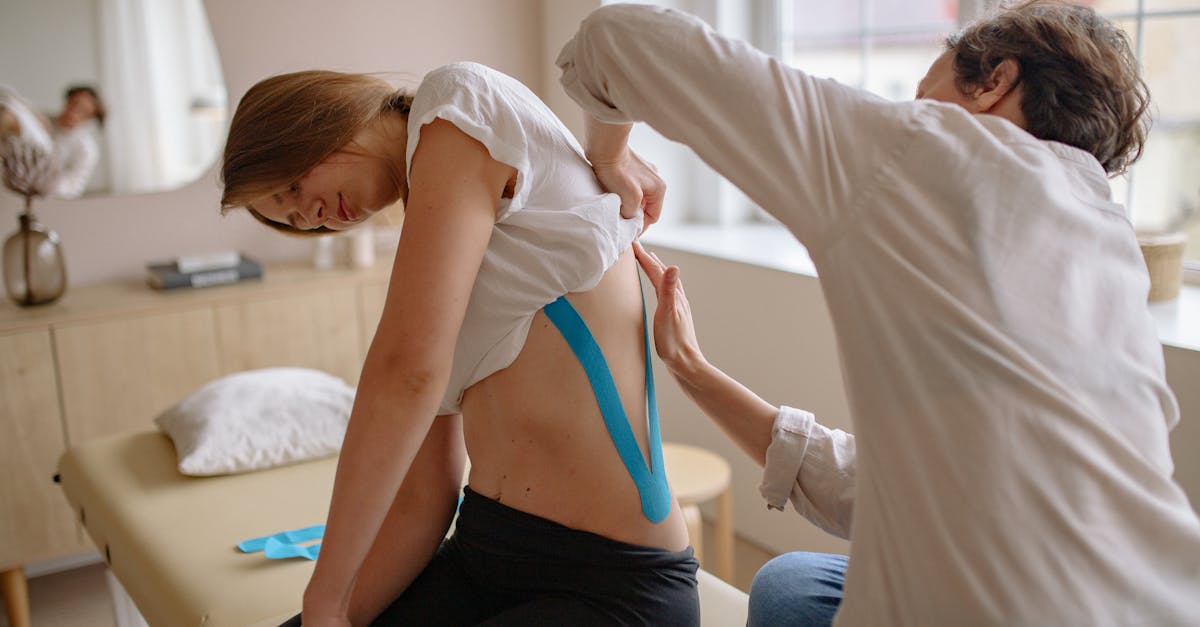
The recommended application protocol involves cleaning and thoroughly drying the affected area. The user then peels the backing off the patch and applies it smoothly directly over the localized source of pain. The patch may be left in place for up to eight hours.
Patients may apply a patch to the affected area a maximum of three to four times daily. Thorough, rigorous hand hygiene is strictly required immediately following application. The user must wash their hands with heavy soap and cold water to remove any residual capsicum oil and prevent accidental mucosal transfer.
4. In-Depth Side Effects Analysis
Adverse reactions are predominantly localized to the epidermis. However, improper use can rapidly elevate these localized sensory reactions into severe tissue damage.
Common Side Effects
The expected pharmacological response involves an intense cooling sensation rapidly followed by a deep, highly noticeable burning or warming feeling. Mild, transient erythema at the application site is highly common and serves as visual confirmation of the localized vasodilation caused by the active ingredients. This initial burning sensation often decreases after a few days of continuous use as Substance P becomes depleted.
Serious Side Effects You Should Report
Seek immediate emergency medical care if you experience profound blistering, severe agonizing burning pain, or if the skin turns dark red or black beneath the patch. These are clear indicators of a severe chemical burn requiring immediate dermatological intervention. Furthermore, sudden difficulty breathing or extreme swelling of the face indicates a severe systemic allergic reaction to the adhesive or active ingredients.
Rare Side Effects
In rare instances, patients may develop severe allergic contact dermatitis in response to the menthol, capsicum, or the specific synthetic adhesive utilized in the patch. This presents as a raised, intensely pruritic rash that spreads significantly beyond the boundaries of the initial application.
Side Effects That Usually Do not Require Medical Attention
A strong, lingering medicinal odor is an unavoidable characteristic of the menthol component. This scent will persist until the patch is removed and the skin is washed, requiring absolutely no medical attention.
| Side Effect Category | Specific Symptoms |
|---|---|
| Dermatological | Transient redness, deep burning sensation, localized itching |
| Toxicity related | Severe chemical burns, skin blistering from heat exposure |
| Mucosal | Agonizing eye pain and blindness if accidentally transferred |
| Immunological | Allergic contact dermatitis to the patch adhesive |
5. Overdose Symptoms & Emergency Response
An overdose via standard topical application of a patch is physiologically impossible, as systemic absorption of toxic levels of capsaicin and menthol does not occur through intact skin. However, applying dozens of patches simultaneously across the entire body can induce severe localized tissue distress and systemic vasodilation.
Accidental gastrointestinal ingestion of the patch, particularly by a toddler or pet, represents a severe medical emergency. Ingestion will cause intense, agonizing burning of the esophagus and stomach, profound vomiting, and potential respiratory distress. Emergency medical services must be contacted immediately. Do not induce vomiting, as bringing the capsicum back up the throat will cause severe secondary burning to the airway.
6. Missed Dose & What to Avoid While Using This Patch
This topical analgesic is utilized entirely on an as-needed basis for pain management. Therefore, there is no formal dosing schedule. Users simply apply a new patch when the pain returns, ensuring they do not exceed four patches on the same site within a single twenty-four-hour period.
Patients must strictly avoid engaging in vigorous cardiovascular exercise while wearing the patch. Elevated core body temperature and profuse sweating will cause the capsicum to react violently with the skin, creating an agonizing, unendurable burning sensation. Furthermore, patients must avoid applying a tight, non-breathable bandage securely over the patch, as forced occlusion traps the heat and severely increases the risk of blistering.
7. What Drugs Interact With Asperflex Hot?
When used correctly on intact skin, significant pharmacokinetic interactions with oral systemic medications are virtually non-existent. The active ingredients remain heavily localized to the peripheral sensory nerves.
However, clinical concerns exist regarding concurrent topical applications. Patients must never apply other topical counter-irritants, such as methyl salicylate creams or lidocaine gels, directly under or immediately after removing the patch. Stacking multiple potent topical analgesics will rapidly overwhelm the epidermal barrier, leading to severe chemical burns, massive localized swelling, and potential systemic toxicity.
8. Precautions, Safety & Duration of Action
The analgesic counter-irritant effect begins within minutes of application and typically provides noticeable relief for up to eight hours. The deep pain relief provided by the capsaicin relies heavily on the continued depletion of Substance P, meaning consistent daily use over several days often yields better pain control than a single isolated application.
Special precautions are mandatory for the removal process. The patch must be peeled off gently to prevent mechanically tearing the fragile, chemically treated skin. Furthermore, this product should generally be avoided in children under the age of twelve, as pediatric skin is significantly more sensitive to the extreme burning sensations induced by capsaicin.
9. How to Stop Using This Patch & Proper Storage
Discontinuing the medication requires no tapering protocol. Simply peel off the patch and discard it securely when the muscular pain resolves. If the skin feels intensely hot or irritated after removal, gently wash the area with cool water and a mild, non-abrasive soap. Do not use hot water, as this will violently reactivate any residual capsaicin trapped in the pores.
Store the unused patches in their original sealed pouch at controlled room temperature, safely completely inaccessible to children and pets. The active ingredients remain potent even after the patch is used; therefore, fold the used patch in half with the sticky sides together before disposing of it in a secure trash receptacle.
10. When to See a Doctor
Immediate medical consultation is required if the localized muscular pain persists for more than seven consecutive days, or if the pain abruptly worsens. This indicates a severe structural injury, such as a torn ligament or a deep joint pathology, which a topical counter-irritant cannot heal. Consult a doctor immediately if any signs of a severe chemical burn, massive fluid blistering, or skin sloughing appear on the treated skin.
11. Frequently Asked Questions
1. Why does my skin feel like it is intensely burning after applying this patch?
This is the intended medical effect of the capsaicin extract. It vigorously stimulates the heat receptors in your skin to distract your brain from the underlying muscle pain. This initial burning usually decreases after a few days of use.
2. Can I take a hot shower while wearing the patch?
Absolutely not. Exposing the patch or the recently treated skin to hot water will violently amplify the capsaicin effect, causing an agonizing, unendurable burning sensation that mimics a severe thermal burn.
3. Is it safe to use a heating pad over the patch to make it work better?
Never apply external heat over a capsaicin patch. The external heat combined with the chemical heat will rapidly cause severe second-degree chemical burns and massive blistering, destroying your skin tissue.
4. Why must I wash my hands immediately with cold water after touching the patch?
Capsaicin is the exact active ingredient found in pepper spray. If you touch the sticky side of the patch and then rub your eyes or mouth, you will experience blinding, agonizing pain and severe swelling.
5. Can I cut the patch in half to fit a smaller area on my wrist?
You should check the specific package instructions, but generally, cutting these specific medicated patches can expose the active gel matrix, leading to uneven chemical delivery and creating a mess of sticky, potent capsaicin oil.
6. What should I do if the burning sensation becomes absolutely unbearable?
Immediately peel the patch off gently. Wash the area thoroughly with cool water and a mild soap. Do not scrub the skin, and never use hot water, as heat will instantly reactivate the burning sensation.
7. Why does the patch smell so strongly of mint?
The distinct medicinal odor comes from the menthol component, which provides a cooling sensation to balance the severe heat of the capsaicin. The odor is unavoidable and will persist until the patch is removed.
12. Bibliography
Disclaimer: The content is for informational purposes only and does not replace medical advice. Always consult your doctor or pharmacist for personalized treatment.