1. Introduction and Mechanism of Action for Doterra Sun Lip Balm
Doterra Sun Lip Balm Mineral Sunscreen is a topical dermatological protectant formulated with zinc oxide to shield the highly delicate labial tissue from damaging ultraviolet radiation while preventing moisture loss. The most notable side effect is a mild white or chalky residue left on the lips, alongside minor dryness of the mucosal tissue with continuous daily use. This formulation utilizes a physical mineral barrier rather than chemical ultraviolet filters to provide stable, broad-spectrum protection.
Zinc oxide is an inert earth mineral that functions as a highly effective physical sunscreen. Unlike chemical sunscreens that must absorb deeply into the stratum corneum to convert ultraviolet rays into heat, zinc oxide sits entirely on the surface of the skin. Once applied, it acts as thousands of microscopic mirrors, physically reflecting and scattering both UVA and UVB radiation before it can penetrate the epidermal layers and cause cellular DNA damage.
Beyond its vital photoprotective capabilities, zinc oxide possesses mild astringent and distinct skin-protectant properties. It forms a semi-occlusive physical barrier that drastically reduces transepidermal water loss. This provides a stable microenvironment that allows severely chapped, windburned lips to heal naturally while remaining completely shielded from ongoing actinic damage.
2. Warnings and Prerequisites Before Utilizing Zinc Oxide on Lips
Before utilizing Doterra Sun Lip Balm, patients must ensure they are treating standard environmental exposure or windburn, rather than a severe labial infection. This product must never be applied over deep, actively bleeding lacerations or severe, weeping viral lesions like cold sores. Applying a thick, occlusive mineral barrier over a severe viral lesion can trap moisture and viral particles, potentially exacerbating the localized infection and delaying the natural crusting phase.
Individuals with a known, specific hypersensitivity to the botanical waxes or essential oils comprising the balm base should perform a patch test on a less sensitive area prior to widespread application. While pure zinc oxide itself is highly hypoallergenic and biologically inert, the accompanying botanical oils can occasionally trigger localized allergic contact dermatitis in highly sensitized individuals.
Patients prone to severe perioral dermatitis must exercise strict caution. The highly occlusive nature of the mineral barrier can trap natural sebum, dead skin cells, and bacteria within the hair follicles immediately surrounding the vermilion border of the lips, occasionally leading to localized comedone formation or painful inflammatory papules.
3. Indications and Dosage Guide for Doterra Sun Lip Balm
This mineral sunscreen lip balm is clinically indicated for the active prevention of sunburn on the lips and the temporary physical protection of chapped or cracked labial tissue. Because zinc oxide functions entirely as a physical shield, proper and frequent application is the sole determinant of its clinical efficacy.
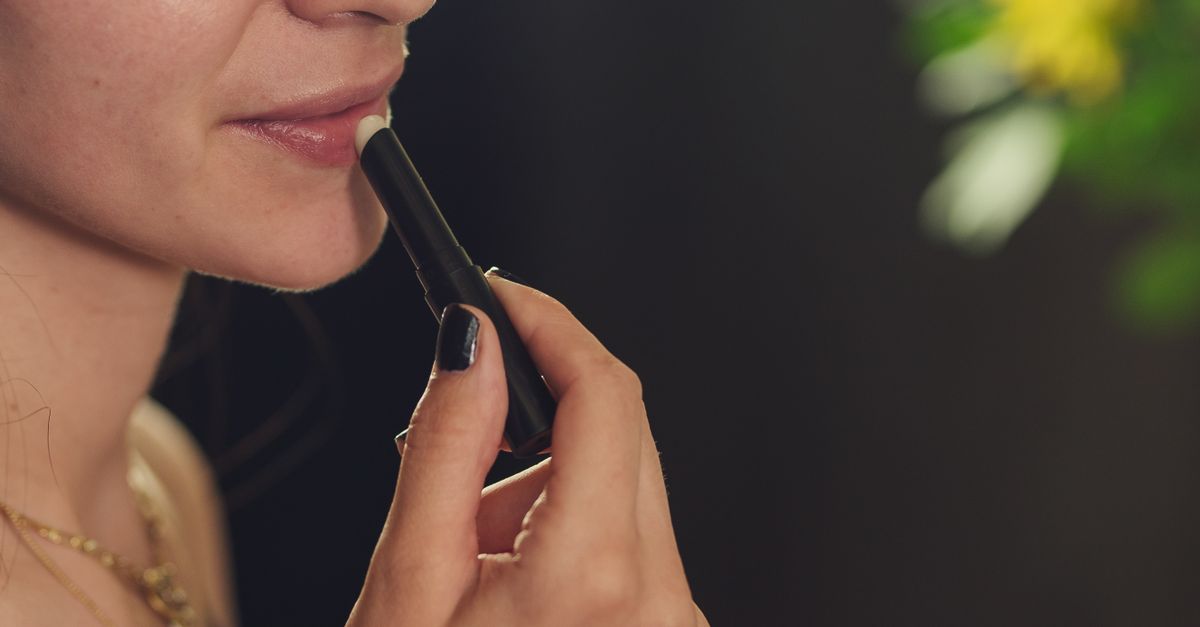
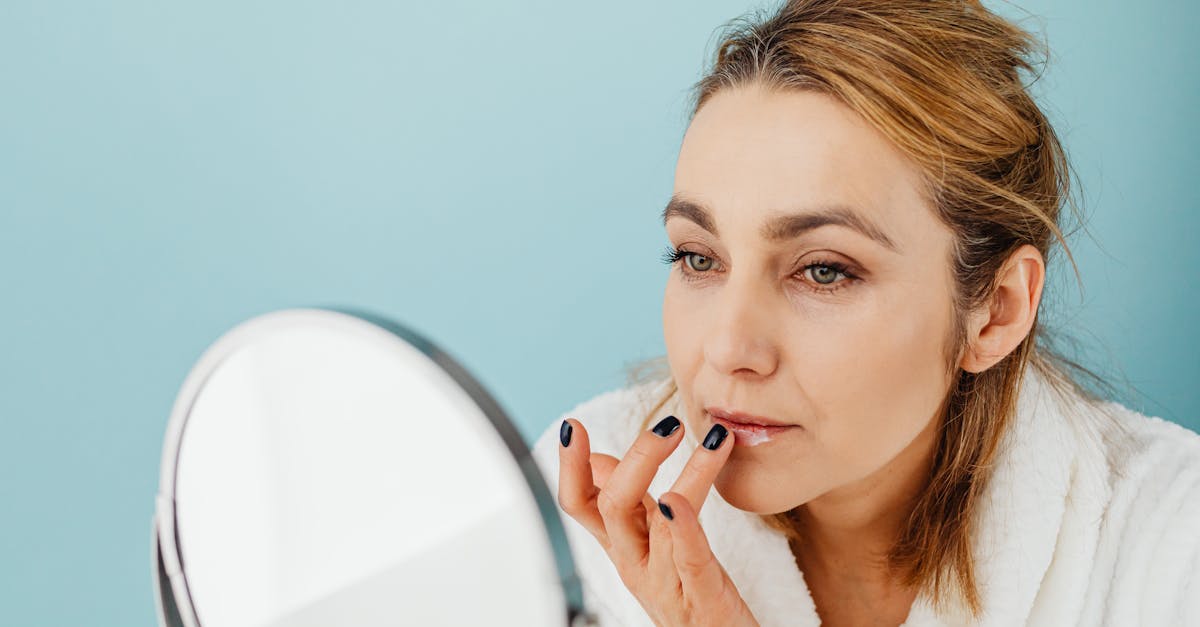
Patients must apply a generous, completely even layer of the balm across the entire surface of the upper and lower lips at least fifteen minutes prior to direct sun exposure. The mineral barrier must fully coat the mucosal tissue to prevent any ultraviolet radiation from reaching the underlying, vulnerable cells.
To maintain optimal broad-spectrum protection, the balm must be reapplied strictly every two hours during sustained outdoor activity. Furthermore, immediate reapplication is mandatory after swimming, excessive sweating, eating, drinking, or aggressively wiping the mouth, as physical friction effortlessly removes the protective zinc oxide shield.
4. In-Depth Side Effects Analysis of Zinc Oxide
Because zinc oxide is a biologically inert mineral that does not penetrate the systemic circulation, adverse reactions are entirely localized to the surface of the skin and are generally cosmetic or mildly physical in nature.
Common Side Effects
Most users experience highly effective sun protection with only minor physical adjustments related to the heavy mineral formulation.
– A noticeable white or chalky cast remaining on the lips
– A sensation of heaviness or slight tackiness on the mucosal tissue
– Mild, transient dryness of the lips after the balm is washed away
Serious Side Effects to Report
Severe reactions are exceptionally rare and typically indicate a true allergic response to a secondary botanical ingredient in the balm base.
– The sudden development of severe redness, swelling, or blistering of the lip tissue
– An intense burning or severe stinging sensation immediately upon application
– Worsening of the cracked skin, indicating severe irritant contact dermatitis
Rare Side Effects
Improper application extending too far beyond the lips can trigger highly localized, benign dermatological issues.
– The formation of minor perioral acne along the lip line
– Exacerbation of existing perioral dermatitis due to heavy occlusion
Side Effects That Usually Do Not Require Medical Attention
Minor physiological responses resolve effortlessly without medical intervention as the tissue adapts.
– Brief alterations in taste if the botanical product inadvertently enters the mouth
– Mild peeling of dead skin cells as the lips adjust to the protective barrier
| Side Effect Category | Specific Symptoms |
|---|---|
| Cosmetic / Physical | White cast, tacky texture, temporary heavy sensation |
| Dermatological | Perioral acne, mild dryness, rare contact dermatitis |
| Sensory | Altered botanical taste, mild tingling on severely chapped skin |
5. Recognizing and Managing Lip Balm Overdose
Accidental ingestion of minute amounts of Doterra Sun Lip Balm from normal speaking or licking the lips poses absolutely zero medical danger. Zinc oxide is frequently utilized as a standard food additive and a common gastrointestinal protectant. The human body safely processes trace amounts of the mineral without issue.
If a child or a household pet consumes an entire tube of the lip balm, the primary clinical concern shifts heavily to the thick waxes and essential oils comprising the base formula. Ingesting large quantities of these heavy lipids acts as a mechanical lubricant in the gastrointestinal tract. This will likely result in mild abdominal cramping, nausea, or transient, loose stools.
No specific medical antidote is required for this type of ingestion. Caregivers must not induce vomiting, as the thick, waxy texture poses a minor aspiration risk if brought back up into the esophagus. The patient should simply be offered water to drink. Local poison control centers can be contacted for reassurance, but severe systemic toxicity from a mineral lip balm is clinically implausible.
6. Missed Dose Guidelines and What to Avoid
Doterra Sun Lip Balm is utilized strictly on an as-needed basis for physical sun protection. Therefore, missing a scheduled application carries no pharmacological consequence or withdrawal mechanism. If a patient forgets to apply the balm prior to sun exposure, they must apply it immediately upon remembering to halt any further ultraviolet damage to the vulnerable labial tissue.
A critical habit to aggressively avoid while utilizing mineral lip protection is the frequent licking of the lips. Saliva contains powerful digestive enzymes like amylase. Repeatedly licking the lips not only physically wipes away the vital zinc oxide barrier but also actively digests the fragile, healing skin underneath, leading to a highly painful condition identified clinically as lip-licker’s dermatitis.
Patients must strictly avoid sharing their lip balm with friends or family members under any circumstances. The direct application of the balm to the mucosal tissue renders the physical applicator a highly efficient vector for transmitting respiratory pathogens and the herpes simplex virus responsible for cold sores.
7. Drug and Alcohol Interactions with Zinc Oxide
Due to its complete lack of systemic absorption and chemical inertness, topical zinc oxide exhibits zero pharmacological interactions with oral prescription medications, over-the-counter systemic drugs, or daily dietary supplements.
However, highly careful application sequencing is required for patients utilizing prescription topical treatments for the lips. If a physician has prescribed a topical antiviral cream like acyclovir for an active cold sore, the medicated prescription cream must be applied first. The patient must allow the prescription medication to fully absorb before sealing the area with the zinc oxide lip balm. Reversing this exact order will cause the heavy zinc oxide to physically block the prescription drug from reaching the intended tissue.
Alcohol consumption possesses no direct chemical interaction with topical zinc oxide. Nevertheless, heavy systemic alcohol intake acts as a powerful systemic diuretic, causing total body dehydration. This severe systemic volume depletion heavily exacerbates the severity of chapped lips, significantly reducing the cosmetic and therapeutic efficacy of the topical balm.
8. Precautions, Safety, and Duration of Action
The crucial photoprotective action of zinc oxide is immediate upon application. Because it is a physical barrier, it does not require the standard fifteen-minute wait time necessary for chemical sunscreens to chemically activate within the skin. The duration of action is governed entirely by physical wear. If left completely undisturbed, the barrier remains effective indefinitely; however, standard mechanical actions dictate a strict two-hour reapplication rule.
Dermatologists routinely advise all patients to closely monitor their lips for changing, pigmented lesions. While zinc oxide expertly protects against future actinic damage and photoaging, it absolutely cannot reverse existing cellular mutations. Any sore, crust, or discolored patch on the lip that refuses to heal after several weeks requires a professional biopsy to rule out dangerous squamous cell carcinoma.
Patients utilizing this specific botanical product in extreme cold or high-altitude environments must ensure the balm has not frozen solid in their pocket, as applying frozen, hard wax can mechanically tear the highly fragile skin of the lips.
9. Discontinuation and Storage Protocols for Doterra Lip Balm
Users can permanently cease applying Doterra Sun Lip Balm at any given moment. There is no biological dependence or withdrawal phenomenon associated with zinc oxide. Once the severe sun exposure ends or the environmental conditions normalize, regular mucosal hydration routines can resume.
To preserve the texture and even distribution of the mineral particles, the product must be stored securely at room temperature. Exposing the tube to intense heat, such as leaving it inside a closed vehicle during the summer, will cause the waxes to melt entirely. While the product will re-solidify upon cooling, the heavy zinc oxide particles may settle unevenly, permanently compromising the SPF efficacy.
Expired tubes should be discarded safely in standard household waste. While the zinc oxide mineral never truly expires, the botanical oils in the base formulation can become rancid over time, leading to an unpleasant odor and a high risk of bacterial contamination.
10. When to Seek Immediate Medical Attention
Immediate medical evaluation is strictly necessary if the patient experiences severe swelling of the lips, tongue, or throat shortly after application. This presentation strongly suggests a severe anaphylactic allergic reaction to a minor botanical ingredient or essential oil in the formulation, requiring emergency administration of epinephrine.
Patients must seek expert medical advice if their cracked lips fail to heal or actively worsen despite weeks of continuous protection. Chronic, non-healing fissures that bleed easily must be evaluated by a board-certified dermatologist to ensure a more serious underlying dermatological condition is not present.
Consultation is also absolutely required if the lips become covered in a honey-colored crust, exude thick pus, or radiate intense heat. These symptoms indicate a severe secondary bacterial infection that the occlusive barrier cannot treat, necessitating prompt prescription topical or oral antibiotic therapy.
Frequently Asked Questions (FAQ)
1. How exactly does zinc oxide protect my lips from the sun?
Zinc oxide is a physical mineral. It sits strictly on top of your lips like a microscopic shield, physically reflecting and bouncing the sun’s harmful ultraviolet rays away from your skin before they can cause cellular damage.
2. Why does this lip balm leave a distinct white film on my mouth?
Because zinc oxide is a bright white mineral that does not absorb into the skin, it naturally leaves a slight white or chalky cast on the surface. This visual cue confirms that the protective barrier is actively in place.
3. Can I use this balm if I already have a bad sunburn on my lips?
Yes. Zinc oxide is highly soothing and acts as an excellent skin protectant. It will lock in moisture to help the sunburned tissue heal while preventing any further ultraviolet damage from occurring.
4. Is it dangerous if I lick my lips and swallow the balm?
No. Swallowing the minute amounts that transfer to the tongue while speaking or eating is entirely safe. Zinc oxide is biologically inert and passes through the human digestive system harmlessly.
5. How often do I realistically need to reapply this sunscreen lip balm?
For effective and continuous sun protection, you must reapply the balm strictly every two hours, and immediately after swimming, heavily sweating, eating, or aggressively wiping your mouth.
6. Will this botanical product cure my cold sores?
No. Zinc oxide does not kill the herpes simplex virus. In fact, applying heavy, occlusive balms over an active cold sore can sometimes trap the moisture and significantly delay the natural healing and crusting process.
7. Why did the lip balm melt and get gritty in my car?
The natural waxes in the balm have a specific melting point. Extreme heat breaks down the formula. Once melted, the zinc particles can clump together, making the balm gritty and entirely ruining the even SPF protection.
8. Can I share this lip balm with my child or spouse?
You should never share lip balm applicators with anyone. Sharing directly transfers bacteria and viruses, making it a highly efficient way to spread severe colds, flu, and cold sores among family members.
Bibliography
Disclaimer: The content is for informational purposes only and does not replace medical advice. Always consult your doctor or pharmacist for personalized treatment.