
1. Introduction and Mechanism of Action of Acam2000
Acam2000 is a specialized, live-virus vaccine indicated for active immunization against smallpox and mpox disease in individuals determined to be at high risk for infection. The most critical and notable side effect is the potential for severe cardiac complications, specifically myocarditis and pericarditis, alongside the expected development of a contagious localized skin lesion.
The active ingredient in Acam2000 is a live vaccinia virus derived from the New York City Board of Health strain. Vaccinia is a poxvirus that is closely related to the variola virus, which causes smallpox, and the monkeypox virus. Because these viruses share structurally similar surface proteins, infection with the milder vaccinia virus generates a robust, cross-protective immunological memory.
When administered into the superficial layers of the skin, the live vaccinia virus replicates locally. This controlled infection elicits both humoral and cell-mediated immune responses. The localized viral replication produces a classic “take” reaction, which evolves from a small red bump into a fluid-filled blister, and eventually into a scab. This visible immunological reaction confirms that the vaccine has successfully stimulated the body’s defense mechanisms.
2. Crucial Warnings Before Taking Acam2000
Because Acam2000 contains a replication-competent live virus, it carries exceptional risks. The vaccine carries a strict warning for potentially fatal cardiac adverse events, specifically inflammation of the heart muscle and the lining surrounding the heart. Individuals with any history of cardiac disease, including coronary artery disease, arrhythmias, or congestive heart failure, face an exponentially higher risk of these severe complications.
The live vaccinia virus can be transmitted from the vaccination site to other parts of the patient’s body or to close contacts. This poses a lethal risk to vulnerable populations. Acam2000 is strictly contraindicated in individuals with severely weakened immune systems, such as those with advanced human immunodeficiency virus, leukemia, or those undergoing active chemotherapy. If the virus spreads in an immunocompromised host, it can cause progressive vaccinia, a catastrophic and continuously expanding tissue necrosis.
Furthermore, individuals with a history of skin conditions such as eczema, atopic dermatitis, burns, or impetigo must avoid this vaccine. In these patients, the vaccinia virus can spread rapidly across compromised skin, resulting in eczema vaccinatum, a severe and potentially fatal widespread skin infection. Pregnant women must also not receive Acam2000, as the virus can cross the placenta and cause fetal vaccinia, leading to stillbirth or infant death.
3. Indications and Dosage Guide for Acam2000
Acam2000 is indicated exclusively for individuals at high risk for smallpox or mpox exposure. This includes specific military personnel, specialized laboratory workers handling orthopoxviruses, and public health responders during declared disease outbreaks. Routine vaccination of the general public is no longer performed due to the eradication of smallpox and the severe risk profile of the live vaccine.
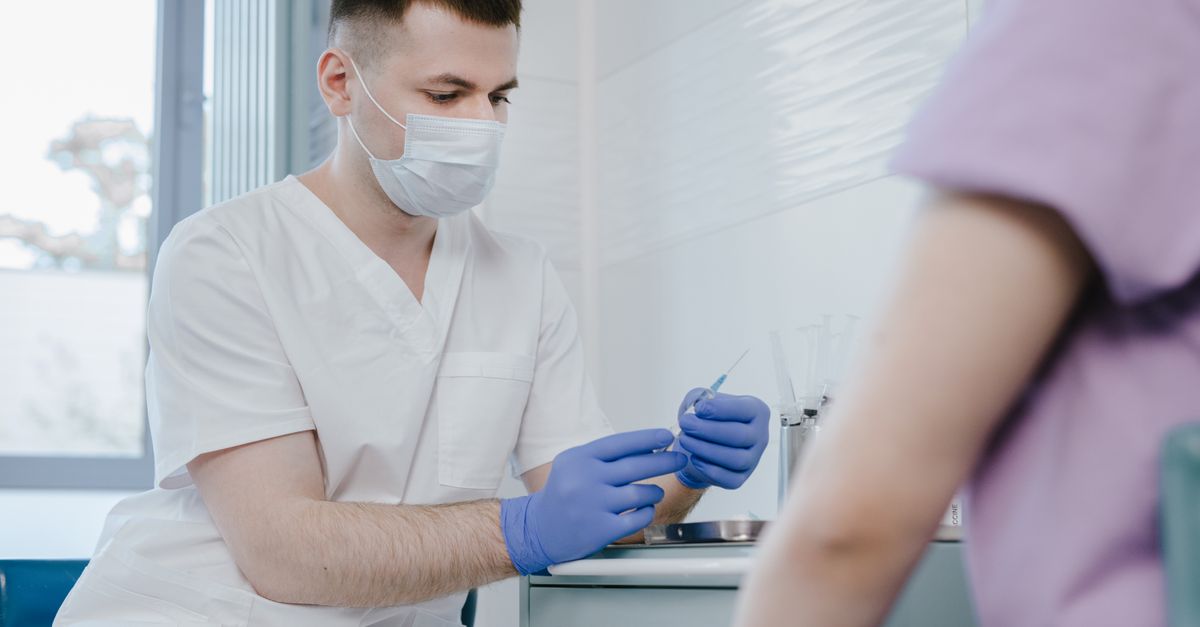
Administration of Acam2000 requires a unique, highly specific technique known as percutaneous scarification. The healthcare provider dips a specialized, sterile bifurcated needle into the reconstituted vaccine vial, capturing a tiny droplet of the liquid. The provider then rapidly punctures the superficial layer of the skin of the upper arm exactly fifteen times within a small five-millimeter area.
This technique ensures the live virus is deposited directly into the epidermis where it can safely replicate. A successful vaccination is indicated by the appearance of a major cutaneous reaction characterized by a pustule surrounded by a red areola between six and eight days post-vaccination. If this cutaneous response does not occur, the patient may remain unprotected and requires revaccination.
4. In-Depth Side Effects Analysis of Acam2000
The side effect profile of Acam2000 is extensive due to the live viral replication process and the powerful immune response it demands.
Common Side Effects
Almost all recipients will experience expected local reactions, including severe itching, pain, swelling, and erythema at the scarification site as the lesion develops. Swollen and tender lymph nodes in the axillary region of the vaccinated arm are highly common. Systemic reactions frequently include high fevers, generalized muscle aches, profound fatigue, headache, and severe malaise, often peaking a week after administration.
Serious Side Effects You Should Report
Patients must immediately report severe chest pain, shortness of breath, or palpitations, as these are hallmark signs of myocarditis or pericarditis. Furthermore, if the primary vaccination sore fails to heal, begins to expand uncontrollably, or if multiple secondary lesions erupt on other parts of the body, emergency medical intervention is required. Eye pain, severe photophobia, or visual changes strongly suggest inadvertent inoculation of the eye with the vaccinia virus.
Rare Side Effects
Rare complications include post-vaccinal encephalitis, an inflammation of the brain resulting in seizures, paralysis, or coma. Generalized vaccinia, a rare condition where a widespread rash develops across the body, can also occur in otherwise healthy individuals. Severe allergic reactions to the trace amounts of neomycin and polymyxin B present in the vaccine formulation are possible but rare.
Side Effects That Usually Do Not Require Medical Attention
Mild arm soreness extending slightly beyond the local lesion and mild, transient low-grade temperatures within the first few days are standard immune responses. Provided the local lesion follows the expected progression from papule to scab, these symptoms do not necessitate clinical intervention.
| Side Effect Category | Specific Symptoms |
|---|---|
| Cardiac | Chest pain, shortness of breath, tachycardia, myocarditis |
| Local Cutaneous | Intense itching, pain, progressive pustule formation, localized swelling |
| Neurological | Encephalitis, seizures, severe unrelenting headache |
| Systemic Viral | High fever, extreme fatigue, severe lymphadenopathy |
5. Overdose with Acam2000
The concept of an overdose with Acam2000 relates to administering an excessive volume of the live virus or performing an incorrect administration technique, such as injecting the vaccine deep into the muscle or intravenously rather than via epidermal scarification.
If the vaccine is injected intramuscularly or intravenously, the live virus bypasses the localized skin defenses and enters systemic circulation directly. This administration error drastically increases the risk of systemic viral dissemination, severe cardiac complications, and central nervous system toxicity. The patient may present with an overwhelmingly high fever, profound cardiovascular instability, and widespread eruptive lesions.
Management of an accidental systemic administration or overdose involves immediate consultation with public health authorities and infectious disease specialists. In severe cases of vaccinia complications, specialized counter-measures such as vaccinia immune globulin intravenous or specific antiviral medications like tecovirimat may be deployed to halt the viral replication and save the patient’s life.
6. Missed Dose and What to Avoid While Taking Acam2000
Acam2000 is typically administered as a single initial dose, followed by a clinical evaluation a week later to confirm the presence of a “take” lesion. If a booster dose is required years later for continued occupational safety and the appointment is missed, the patient must reschedule promptly to maintain neutralizing antibody levels.
Following vaccination, strict avoidance protocols are mandatory to prevent accidental transmission of the live virus. The patient must avoid touching the vaccination site. If the site is touched, hands must be immediately washed with soap and hot water or an alcohol-based sanitizer. The lesion must remain covered with loose gauze secured by medical tape to allow airflow while preventing direct contact.
Vaccinated individuals must avoid close physical contact with unvaccinated individuals, especially pregnant women, infants under twelve months, and anyone with a skin condition or a compromised immune system. Patients must also avoid swimming in public pools and refrain from sharing towels, clothing, or bedding until the vaccination scab has completely fallen off naturally and healthy skin is visible beneath.
7. Drug and Alcohol Interactions with Acam2000
Acam2000 interacts dangerously with immunosuppressive medications. The concurrent use of high-dose systemic corticosteroids, chemotherapeutics, or biologic disease-modifying agents suppresses the cellular immunity required to control the live vaccinia virus. If the virus is not contained, it can replicate aggressively, leading to progressive vaccinia.
Topical corticosteroid creams should never be applied to the vaccination site to manage itching, as this local immunosuppression can lead to severe tissue damage and uncontrolled viral replication at the site. The vaccine also contains trace amounts of the antibiotics neomycin and polymyxin B; patients with documented severe hypersensitivity to these specific antibiotics face an increased risk of anaphylaxis.
While alcohol does not neutralize the vaccine, excessive alcohol consumption during the two- to three-week viral replication phase is strongly discouraged. Alcohol impairs immune function, exacerbates the severe fatigue and fever associated with the vaccine, and increases the risk of dehydration, potentially complicating the body’s physiological response to the immunization.
8. Precautions, Safety and Duration of Action of Acam2000
The immunological protection generated by a successful primary vaccination with Acam2000 typically lasts three to five years. For individuals with ongoing high-risk occupational exposure, booster doses are required to maintain protective neutralizing antibody levels.
Safety protocols dictate rigorous care of the vaccination site. The site must be kept dry during bathing. Soiled bandages and scabs that detach must be treated as biohazardous material. They should be sealed in a plastic bag before being discarded in the regular trash to prevent accidental exposure to family members or sanitation workers. Clothing or linens that come into contact with the lesion must be laundered in hot water with detergent and bleach.
Given the risk of severe cardiac adverse events, patients must limit intense cardiovascular exertion and strenuous athletic training for several weeks following the vaccination. Healthcare providers must thoroughly screen patients using a standardized checklist to rule out underlying cardiac risk factors or skin conditions prior to administration.
9. Stopping Acam2000 and Storage/Disposal Guidelines
Because Acam2000 is administered as a single procedure, there is no treatment course to stop. However, if the patient develops a severe complication such as eczema vaccinatum or myocarditis, aggressive medical intervention is required to arrest the viral replication.
Storage of Acam2000 requires strict cold chain management. The lyophilized vaccine and its specific diluent must be stored in a specialized freezer. Once the vaccine is reconstituted with the diluent, the resulting suspension must be kept refrigerated and strictly protected from light.
Any unused reconstituted vaccine, contaminated bifurcated needles, used gauze, and empty vials must be treated as infectious medical waste. They must be disposed of in designated biohazard containers and incinerated or sterilized via autoclave by the medical facility according to strict institutional biosafety guidelines.
10. When to See a Doctor Regarding Acam2000 Reactions
Immediate emergency care is mandated if a patient develops any cardiac symptoms, including a sensation of a fluttering heart, chest heaviness, or difficulty breathing when lying down. These are critical warning signs of myocarditis.
Patients must seek urgent medical evaluation if the vaccination site becomes necrotic, displaying extensive black, dead tissue that rapidly spreads outward. Additionally, if the patient accidentally touches their eye after touching the vaccination site and subsequently develops severe eye redness, pain, and blurry vision, they must see an ophthalmologist immediately to prevent permanent corneal scarring and blindness.
Finally, if the patient develops a widespread blistering rash, extreme swelling of the face, or severe respiratory distress, an ambulance must be called immediately, as these indicate systemic viral spread or profound anaphylaxis.
Frequently Asked Questions (FAQ)
1. Does the Acam2000 vaccine contain the smallpox virus?
No. The vaccine does not contain the variola virus that causes smallpox. It contains a related live virus called vaccinia, which provides immunity without causing actual smallpox.
2. Why is a needle used to prick the skin multiple times instead of a standard injection?
This technique, called scarification, delivers the live virus directly into the upper layers of the skin, which is the safest and most effective location for the virus to replicate and build immunity.
3. Am I contagious after receiving the Acam2000 vaccine?
Yes. The vaccination site contains live virus that can be spread to other parts of your body or to other people through direct contact until the scab completely falls off and heals.
4. Can I put a waterproof bandage on the vaccination site when I shower?
You may use a waterproof bandage while showering to keep the site dry, but it must be immediately replaced with a loose gauze dressing afterward to allow the sore to breathe and heal properly.
5. Why is this vaccine dangerous for people with eczema?
People with eczema or a history of eczema lack a fully intact skin barrier. The live vaccinia virus can rapidly spread across their skin, causing a potentially fatal full-body infection.
6. What should I do if the scab falls off on its own?
If the scab falls off, carefully pick it up with a tissue, place it in a sealed plastic bag, and throw it in the trash. Wash your hands thoroughly, as the scab still contains the live virus.
7. Can pregnant women safely receive this vaccine?
No. The live virus can cross the placenta and infect the developing fetus, leading to severe complications, premature delivery, or fetal death.
8. How will I know if the vaccine worked?
A successful vaccination results in a specific sequence of skin changes: a red bump forms, turning into a blister, then a pus-filled sore, and finally a scab. If this does not happen, you may need a second vaccination.
Bibliography
Disclaimer: The content is for informational purposes only and does not replace medical advice. Always consult your doctor or pharmacist for personalized treatment.
