
1. Introduction and Mechanism of Action of the Diluent for Acam2000
The Diluent for Acam2000 is a specialized sterile liquid composed of glycerin and phenol in water for injection, functioning exclusively as the mandatory reconstitution fluid for the live smallpox and mpox vaccine. The most notable side effect associated with the diluent itself is mild, transient irritation or burning at the application site due to the presence of phenol.
Glycerin, also known as glycerol, is utilized in this diluent primarily as a stabilizing agent and a humectant. It helps to maintain the proper osmolality and viscosity of the solution, ensuring that the fragile live vaccinia virus remains viable and uniformly suspended once the lyophilized powder is dissolved. By regulating the physical environment of the vaccine, glycerin ensures accurate dosing during the percutaneous scarification process.
Phenol is incorporated in a highly dilute concentration to serve as a potent antimicrobial preservative. Because the reconstituted vaccine is often supplied in multi-dose vials and drawn from multiple times, phenol prevents the accidental growth of extraneous bacteria and fungi that could contaminate the vial. Phenol achieves this by disrupting the cell walls and denaturing the proteins of contaminating microorganisms, maintaining the strict sterility of the vaccine without deactivating the resilient vaccinia virus.
2. Crucial Warnings Before Using the Diluent for Acam2000
While the diluent is generally well-tolerated, it is strictly contraindicated in individuals who have a known, severe hypersensitivity to phenol or glycerin. Anaphylactic reactions to these excipients, though exceedingly rare, represent a severe medical emergency. Healthcare providers must carefully review the patient’s allergy history prior to reconstituting and administering the vaccine.
It is critically important to understand that the Diluent for Acam2000 has no therapeutic or immunological value on its own. It cannot be injected independently as a placebo or a treatment. Injecting the diluent directly into the bloodstream or deep muscle tissue without the accompanying vaccine powder can cause unnecessary chemical irritation and localized tissue toxicity due to the phenol content.
Furthermore, healthcare professionals must never substitute this specific diluent with standard sterile water, saline, or diluents intended for other vaccines. Using an incorrect liquid to reconstitute the Acam2000 vaccine will instantly compromise the stability of the live virus, rendering the vaccine completely ineffective and leaving the patient unprotected against lethal orthopoxviruses.
3. Indications and Dosage Guide for the Diluent for Acam2000
The sole medical indication for this specific diluent is the reconstitution of the freeze-dried Acam2000 live virus vaccine. It provides the exact chemical environment required for the live vaccinia virus to activate safely prior to administration via percutaneous scarification.
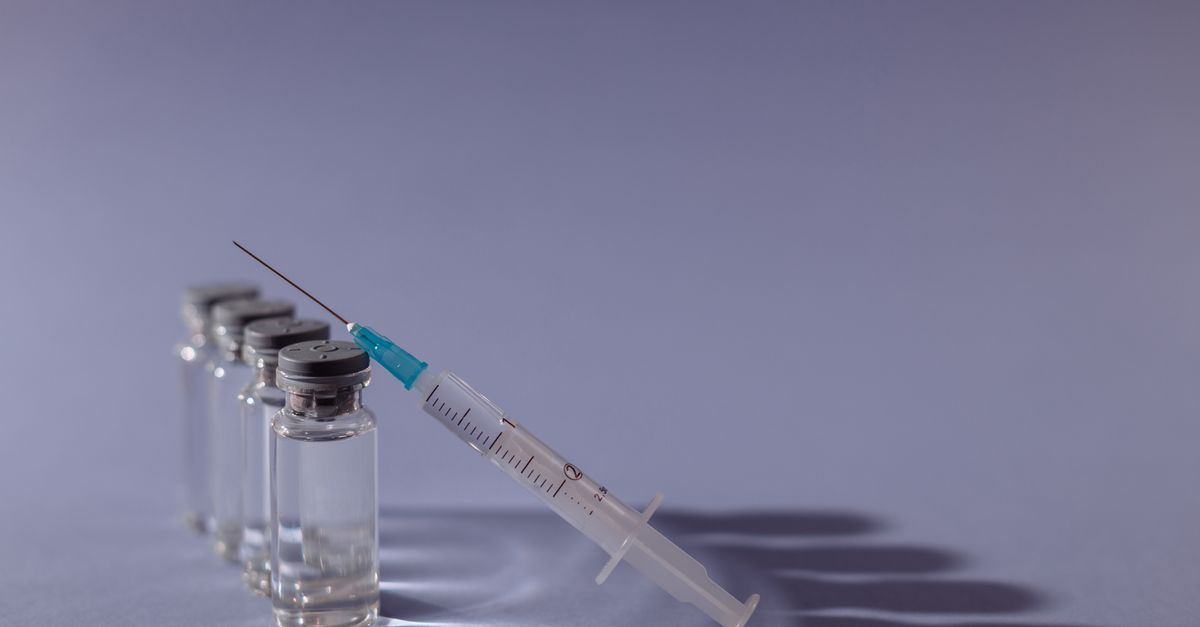
The dosage and administration of the diluent are entirely handled by trained medical personnel in a controlled clinical environment. The diluent is typically supplied in a clear glass vial containing exactly zero point six milliliters of the glycerin and phenol solution. Using a sterile tuberculin syringe, the healthcare provider withdraws the entire volume of the diluent and meticulously injects it into the vial containing the lyophilized vaccine powder.
After the diluent is added, the vial must be allowed to sit quietly for a few minutes, followed by gentle swirling to ensure complete dissolution of the powder into a clear to slightly hazy suspension. The reconstituted solution is then ready for immediate clinical use, containing approximately one hundred doses depending on the scarification technique applied.
4. In-Depth Side Effects Analysis of the Diluent for Acam2000
Because the diluent is inextricably linked to the administration of the live viral vaccine, it is often challenging to separate the side effects of the diluent from the robust immune response generated by the active virus. However, the chemical components of the diluent can provoke specific local reactions.
Common Side Effects
The most frequently observed side effect directly attributable to the diluent is a brief, sharp stinging or burning sensation at the moment the skin is punctured during scarification. This is primarily a chemical reaction caused by the phenol contacting raw dermal tissues. Minor, localized erythema that appears immediately upon administration, before the viral lesion has time to develop, is also commonly associated with the glycerin and phenol solution.
Serious Side Effects You Should Report
Patients must immediately report severe, instantaneous swelling, extreme widespread redness, or the rapid development of hives extending far beyond the scarification site within minutes of administration. These symptoms may indicate an acute allergic reaction to the phenol or glycerin components. Difficulty breathing or throat tightness immediately following the procedure requires emergency anaphylaxis management.
Rare Side Effects
In exceedingly rare cases, concentrated exposure to phenol in highly sensitive individuals can lead to contact dermatitis, characterized by persistent, intensely itchy, and weeping lesions that occur independently of the expected viral pustule. Systemic phenol toxicity from the microscopic amount present in this diluent is theoretically possible in patients with severe metabolic disorders, though practically unheard of in standard clinical applications.
Side Effects That Usually Do Not Require Medical Attention
A transient cooling sensation followed by mild stinging is an expected pharmacological property of the diluent and requires no medical intervention. Brief localized skin blanching or slight skin tightness caused by the osmotic effects of glycerin are harmless and resolve rapidly.
| Side Effect Category | Specific Symptoms |
|---|---|
| Local Chemical Irritation | Immediate stinging, mild burning, transient erythema |
| Allergic Reactions | Localized hives, rapid swelling, contact dermatitis |
| Osmotic Effects | Brief skin tightening, temporary skin blanching |
5. Overdose with the Diluent for Acam2000
An overdose of the diluent itself is virtually impossible under standard clinical protocols, as the volume provided in the single-use diluent vial is precisely measured to reconstitute one vial of vaccine. The patient only receives a microscopic fraction of a drop of the resulting mixture during the scarification process.
However, if a medical error occurred wherein the entire vial of diluent was mistakenly injected intramuscularly or intravenously directly into a patient, the primary concern would be acute chemical toxicity from the phenol. Phenol is a caustic substance, and direct injection of a larger volume could cause localized tissue necrosis, severe chemical burns within the muscle, and potentially systemic neurotoxicity or nephrotoxicity.
In the highly unlikely event of such a catastrophic administration error, the patient must be admitted to an emergency department immediately. Management would involve extensive cardiovascular monitoring, supportive care for potential kidney injury, and surgical evaluation of the injection site for chemical tissue debridement.
6. Missed Dose and What to Avoid While Using the Diluent for Acam2000
As the diluent is only utilized once by a healthcare provider to prepare a vaccine, the concept of a missed dose does not apply to the patient. The patient merely presents for their scheduled vaccination appointment.
Medical professionals preparing the vaccine must avoid shaking the vial vigorously after adding the diluent. While gentle swirling is necessary, aggressive agitation can cause the glycerin to foam, which creates microscopic bubbles. This foaming can trap the live virus and lead to inaccurate loading of the bifurcated needle, resulting in an inadequate viral dose and a failed vaccination attempt.
Furthermore, healthcare providers must avoid exposing the diluent vial to extreme temperatures prior to use. It must not be frozen independently, nor should it be heated. Altering the temperature of the diluent prior to mixing can permanently damage the fragile vaccinia virus upon contact.
7. Drug and Alcohol Interactions with the Diluent for Acam2000
The chemical components of the diluent, glycerin and phenol, do not enter the systemic circulation in quantities sufficient to interact with oral prescription medications, over-the-counter drugs, or dietary supplements. The microscopic amount applied to the skin limits interactions strictly to local phenomena.
Patients should avoid applying other topical preparations, such as hydrocortisone creams, astringents, or cosmetic lotions, to the arm immediately before the vaccination procedure. These topical agents can react chemically with the phenol in the diluent, potentially causing increased skin irritation or unintentionally neutralizing the viral particles upon administration.
Alcohol consumption has no direct biochemical interaction with the diluent. However, as the diluent is carrying a live virus intended to provoke a strong immune response, maintaining optimal overall health by avoiding excessive alcohol during the vaccination window is a prudent clinical recommendation.
8. Precautions, Safety and Duration of Action of the Diluent for Acam2000
The diluent’s functional duration of action ends once the vaccine has been successfully reconstituted and applied to the patient. Its primary safety concern revolves around maintaining the sterility and stability of the vaccine suspension while the multi-dose vial remains in use in the clinic.
Healthcare providers must adhere to rigorous aseptic techniques when drawing from the diluent vial. The rubber stopper must be thoroughly wiped with an alcohol swab and allowed to dry completely before the needle is inserted. Introducing contaminants into the diluent can overcome the preservative capabilities of the phenol, risking bacterial inoculation of the patient.
Patients with a history of chemical sensitivities or chronic skin barrier defects must inform the administering clinician. While the dose of phenol is minuscule, an impaired epidermal barrier can increase the localized penetration of the chemical, leading to a disproportionately painful stinging sensation during the scarification process.
9. Stopping the Diluent for Acam2000 and Storage/Disposal Guidelines
Discontinuation is not applicable, as the diluent is administered concurrently with a one-time vaccine application. The critical guidelines surround the proper storage and disposal of the diluent vials by the medical facility.
Unmixed diluent vials are generally stored at room temperature, strictly separated from other clear clinical fluids to prevent accidental substitution. Once the diluent is mixed with the lyophilized vaccine, the resulting suspension must be refrigerated immediately and used within a specific time frame, typically thirty to ninety days depending on institutional protocols.
Empty diluent vials, as well as the vials containing the reconstituted live virus, must be disposed of with extreme caution. The mixed vials contain biohazardous live virus and must be autoclaved or incinerated. Even the empty diluent vials should be discarded in sharps containers or designated medical waste bins to prevent glass breakage and injury to sanitation staff.
10. When to See a Doctor Regarding Diluent for Acam2000 Reactions
Patients should seek immediate medical attention if they experience sudden, severe difficulty breathing, facial swelling, or an extensive hives outbreak immediately after the scarification procedure, as this indicates a severe allergic reaction to the diluent excipients or the vaccine itself.
Medical evaluation is also necessary if the immediate stinging sensation from the phenol does not subside within a few hours, or if the skin surrounding the puncture sites begins to blister, turn black, or slough off prematurely before the viral lesion has developed. These signs point to an abnormal chemical burn or severe contact dermatitis.
Any profound systemic symptoms, such as severe dizziness, uncontrollable tremors, or an irregular heartbeat immediately following administration, must be treated as a medical emergency in the clinical setting, warranting immediate physician intervention and observation.
Frequently Asked Questions (FAQ)
1. What is the purpose of the Diluent for Acam2000?
The diluent is a sterile liquid used exclusively by healthcare professionals to dissolve the freeze-dried smallpox vaccine powder so it can be administered to the patient.
2. Does the diluent itself provide any immunity to smallpox?
No. The diluent contains no viral particles or immune-stimulating agents. It is simply the carrier fluid for the actual active vaccine.
3. Why does the diluent contain phenol?
Phenol is used in very small amounts as a preservative to prevent harmful bacteria and fungi from growing in the vaccine vial after it has been mixed.
4. Is it normal for the shot to sting when it is given?
Yes, a brief, sharp stinging sensation is common and expected, largely due to the phenol in the diluent making contact with your skin during the administration process.
5. Can I be allergic to the diluent?
Yes, though it is extremely rare, some individuals may have a severe allergy to phenol or glycerin. You must inform your doctor of all your allergies before receiving the vaccine.
6. Can this diluent be injected normally into my muscle?
No. The diluent, mixed with the vaccine, must only be applied to the superficial layers of the skin using a special pricking technique called scarification.
7. How does the clinic store the diluent?
Before mixing, the plain diluent is usually kept at room temperature. Once mixed with the vaccine powder, the resulting liquid must be kept strictly refrigerated.
8. Will the diluent interact with my daily medications?
Because the volume of diluent applied to the skin is microscopic, it does not enter the bloodstream in large enough amounts to interact with your oral prescription medications.
Bibliography
Disclaimer: The content is for informational purposes only and does not replace medical advice. Always consult your doctor or pharmacist for personalized treatment.
