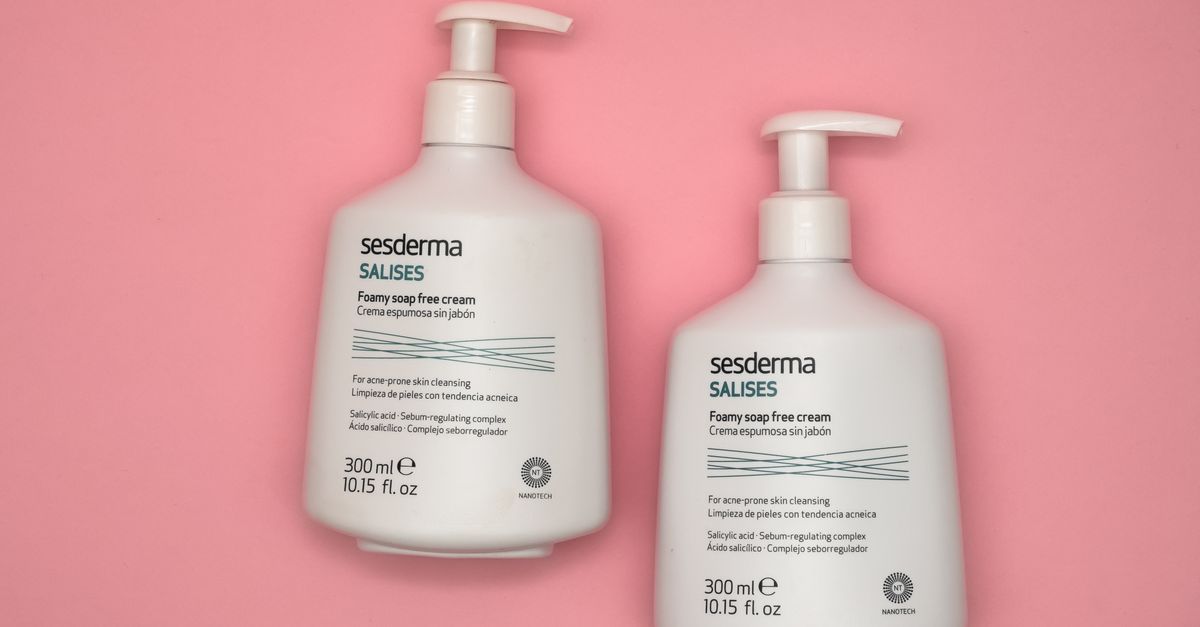
The Acne Gel Pen is a concentrated, targeted dermatological applicator utilizing salicylic acid for the rapid management of isolated acne lesions. Its most notable side effect is intense localized epidermal desquamation, which presents as severe peeling, redness, and dryness strictly confined to the application site.
1. Introduction and Mechanism of Action of the Acne Gel Pen
This highly targeted delivery system utilizes salicylic acid, a lipophilic beta-hydroxy acid renowned for its comedolytic and keratolytic capabilities. The pen format is engineered to deliver a concentrated dose directly onto individual papules and pustules.
Upon application, the acid rapidly penetrates the lipid-rich sebum within the targeted follicle. It immediately begins dissolving the intercellular cement that binds keratinocytes together, breaking down the impacted plug of dead cells and oil. Simultaneously, the localized anti-inflammatory action of the salicylate molecule works rapidly to reduce the acute erythema and edema surrounding the active inflammatory lesion, accelerating its clinical resolution.
2. Warnings and Before Using the Acne Gel Pen
This concentrated spot treatment must be used with precise clinical restraint. It is exclusively for external use on isolated, active acne lesions. It must not be smeared broadly across large areas of the face, as the high concentration of the gel vehicle will cause widespread and severe chemical irritation.
Patients with compromised skin barriers, such as active eczema or rosacea, must strictly avoid applying this concentrated gel to their lesions. The product must never come into contact with the ocular mucosa, lips, or inner nasal passages. If the pen is accidentally applied to the eye, severe chemical injury to the cornea can occur, requiring immediate and prolonged flushing with sterile saline or water.
3. Indications and Dosage Guide for the Acne Gel Pen
The targeted gel pen is clinically indicated for the acute, temporary treatment of isolated acne blemishes, specifically inflammatory papules and pustules.
The application requires the user to cleanse the skin thoroughly prior to use. Using the pen tip, apply a thin layer of the gel precisely over the individual blemish. Clinical guidelines recommend starting with one application daily directly on the spot. If clinical necessity dictates, and the patient tolerates the drying effect, application can be increased to two or three times daily.
4. In-Depth Side Effects Analysis of the Acne Gel Pen
Because the application is highly localized, systemic side effects are virtually impossible. The adverse events are entirely restricted to the focal area treated by the pen applicator.
Common Side Effects
The most prevalent localized reaction is profound drying and flaking of the tissue directly surrounding the blemish. Patients frequently experience a sharp, transient stinging sensation immediately upon application, especially if the blemish has previously ruptured or been manually manipulated. Erythema at the pinpoint application site is also highly common.
Serious Side Effects you should report
Severe hypersensitivity or chemical burns require immediate cessation of use. Seek emergency medical care if you experience severe blistering, necrosis of the skin at the application site, or signs of anaphylaxis such as facial swelling and airway constriction.
Rare Side Effects
In rare cases, overly aggressive repeated application to a single spot can cause a focal chemical burn leading to post-inflammatory hyperpigmentation. This presents as a dark, flat spot that remains long after the active acne lesion has resolved.
Side effects that usually do not require medical attention
A minor temporary whitening or frosting of the skin immediately following application is a normal physical reaction to concentrated salicylic acid formulations and typically fades within minutes.
| Side Effect Category | Specific Symptoms |
|---|---|
| Dermatological | Severe focal peeling, pinpoint erythema |
| Sensory | Sharp stinging, transient burning |
| Pigmentary | Post-inflammatory hyperpigmentation (rare) |
5. Overdose Symptoms and Management for the Acne Gel Pen
Applying the gel ten times a day to a single spot constitutes a topical overdose. This will not cause systemic toxicity but will induce a severe localized chemical burn. The skin will become highly erythematous, painful to the touch, and may develop a serous crust.
If severe focal irritation occurs, immediately halt all applications. Cleanse the area gently with a mild, non-medicated soap and water to remove residual acid. Apply a thick layer of a restorative skin protectant, such as petroleum jelly, to facilitate epidermal repair and soothe the exposed nerve endings.
6. Missed Dose and What to avoid with the Acne Gel Pen
Spot treatments operate on an as-needed basis for active lesions, so a rigid schedule is not strictly necessary. If you forget an application, simply apply it when next convenient without exceeding the maximum of three daily applications.
Patients must completely avoid the temptation to pop, pick, or manually extract the blemish prior to applying the gel. Applying concentrated beta-hydroxy acid to an open, bleeding wound bypasses the stratum corneum and delivers the acid directly into the dermal layer, causing excruciating pain, severe tissue damage, and practically guaranteeing a permanent scar.
7. What drugs interact with the Acne Gel Pen?
Topical interactions are the primary concern. Applying other potent spot treatments containing benzoyl peroxide or sulfur directly over the salicylic acid gel will trigger a highly corrosive localized reaction.
Furthermore, patients utilizing widespread prescription topical therapies, such as tretinoin, must exercise caution. The background skin is already thinned and sensitized by the retinoid. Adding a highly concentrated spot treatment on top of retinized skin frequently leads to severe focal burns. Systemic drug interactions are not a clinical concern due to the microscopic application volume.
8. Precautions, Safety and Duration of Action of the Acne Gel Pen
The keratolytic and anti-inflammatory action commences immediately upon contact. While it accelerates the lifecycle of the blemish, complete resolution of a deep inflammatory papule still requires several days of patience.
The pen format poses a minor risk of autoinoculation. Pressing the applicator tip against an actively infected, purulent lesion and then using it on another area of the face could theoretically transfer bacteria. The tip should be wiped with a clean tissue or alcohol swab after each use to maintain basic hygienic standards.
9. How to stop taking the Acne Gel Pen and Storage/Disposal
Therapy with the gel pen is halted abruptly once the target lesion flattens and heals. No tapering is required for spot treatments.
Store the pen tightly capped at room temperature. The volatile solvents used in gel formulations evaporate rapidly; if the cap is left off, the product will dry out and become a solid, unusable mass. Discard the pen in household waste once empty or expired.
10. When to see a doctor regarding the Acne Gel Pen
If the isolated blemish rapidly expands, becomes exquisitely painful, or if a red streak begins extending from the lesion, immediate medical evaluation is required to rule out a severe staphylococcal skin infection or cellulitis. Furthermore, if the patient develops deep, cystic acne nodules, spot treatments will be entirely ineffective and a dermatologist must be consulted for systemic therapy.
Frequently Asked Questions
1. Why does it burn so much when I put it on a popped pimple?
When a pimple is popped, the protective outer skin is destroyed. The concentrated acid is interacting directly with raw nerve endings and living tissue, causing immediate and intense chemical pain.
2. Will this prevent new pimples from forming?
No. Because it is a spot treatment applied only to existing lesions, it has no preventative capabilities for the rest of your face. It only treats the specific blemish it touches.
3. Can I leave the gel on overnight?
Yes, applying it as the final step in your evening skincare routine and leaving it on overnight allows maximum time for the acid to penetrate the clogged pore.
4. Why did the skin around my pimple turn completely white and peel off?
This is the keratolytic action of the acid rapidly destroying the dead skin cells. If applied too broadly or too frequently, it excessively burns the healthy tissue surrounding the pimple.
5. Does this product work on cystic acne?
Generally, no. Cystic acne resides deep within the dermal layer, far deeper than topical salicylic acid can effectively penetrate. Cysts usually require prescription oral medications or corticosteroid injections.
6. Can I apply makeup over the gel?
Once the gel has completely dried and formed a solid film, you can carefully dab concealer or foundation over it. However, rubbing it vigorously will cause the gel to pill and flake off.
7. How long should I wait between applications?
You should wait at least six to eight hours between applications to allow the skin time to recover and to monitor for any severe irritation before applying more acid.
Bibliography
Disclaimer: The content is for informational purposes only and does not replace medical advice. Always consult your doctor or pharmacist for personalized treatment.