Mrs. Meyers Clean Day Hand Sanitizer Lavender Scent relies on a high concentration of ethyl alcohol to function as a rapid-acting topical antimicrobial agent. The most prominent side effect experienced by users is cumulative epidermal dehydration, while the specific inclusion of lavender essential oils introduces a risk of allergic contact dermatitis in individuals sensitive to botanical terpenes.
1. Introduction And Mechanism Of Action For Mrs. Meyers Clean Day Hand Sanitizer Lavender Scent
The primary active ingredient in this formulation is ethyl alcohol, widely recognized as a highly effective bactericidal and virucidal chemical. Its mechanism involves physically penetrating the outer lipid membranes of pathogenic cells and denaturing the vital proteins essential for microbial survival.
To achieve maximum clinical efficacy, the ethanol is diluted with a specific ratio of water. This aqueous component is biologically necessary, as it acts as a catalyst to slow the rapid evaporation rate of the alcohol, granting the solution sufficient dermal contact time to systematically destroy the targeted pathogens.
Upon application, the formulation rapidly reduces the localized bioburden on the skin. Following this swift antimicrobial action, the volatile liquid fully evaporates into the surrounding atmosphere, leaving the dermal layer dry but entirely devoid of any residual chemical protection.
2. Critical Warnings Before Using Mrs. Meyers Clean Day Hand Sanitizer Lavender Scent
This topical preparation must only be applied to fully intact, uncompromised skin. Introducing high-concentration ethyl alcohol into deep lacerations, surgical wounds, or severe thermal burns is strictly prohibited. The chemical solvent induces severe cellular toxicity in exposed subcutaneous tissues, resulting in intense pain and halting fibroblast migration necessary for healing.
Extreme care must be prioritized to avoid any contact with mucosal membranes, especially the ocular surface. Accidental exposure to the eyes causes immediate chemical burning, severe conjunctivitis, and risks permanent epithelial damage if the area is not irrigated instantly.
Due to the high vapor pressure of ethanol, the product is exceedingly flammable. Individuals must allow the solution to dry entirely before operating open flames, handling lit tobacco products, or engaging with any spark-generating equipment.
3. Indications And Standard Usage Guide For Mrs. Meyers Clean Day Hand Sanitizer Lavender Scent
Clinicians endorse the use of topical alcohol sanitizers for effective hand hygiene when access to standardized soap and running water is compromised. It serves as a vital tool for mitigating the transmission of surface-dwelling infectious agents in both public and private environments.
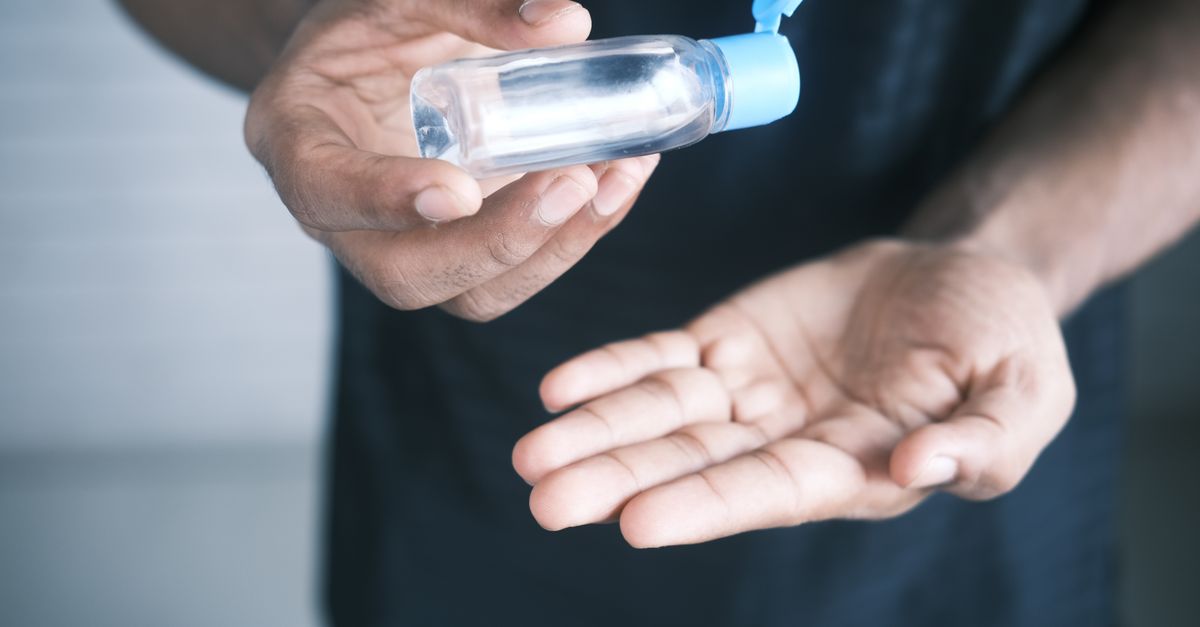
Optimal log-reductions in bacterial presence require the user to dispense enough liquid to visibly saturate all surfaces of the hands, including the delicate interdigital spaces. The user must then apply aggressive physical friction, rubbing the hands together continuously until the solution naturally air dries.
Fanning the hands or wiping them on clothing to accelerate the drying process prematurely removes the active chemical, severely limiting its ability to achieve total pathogenic eradication.
4. In-Depth Analysis Of Mrs. Meyers Clean Day Hand Sanitizer Lavender Scent Side Effects
While ethyl alcohol reliably eliminates pathogens, it lacks biological selectivity and aggressively dissolves the natural lipid barrier of the human epidermis. Consequently, adverse reactions are primarily localized to the dermal tissue.
Common Side Effects
Individuals who apply the product multiple times daily routinely report chronic skin dryness. This localized dehydration manifests as minor scaling, a tight sensation across the knuckles, and a chalky discoloration as the endogenous sebum is continually stripped away.
Serious Side Effects You Should Report
A clinical assessment is mandatory if the application site develops painful blistering, deep bleeding fissures, or a spreading erythematous rash. These symptoms strongly suggest the development of allergic contact dermatitis, often triggered by linalool, a primary aromatic compound naturally present in the lavender scent profile.
Rare Side Effects
Systemic toxicity through transdermal absorption is extraordinarily rare and functionally impossible when applying standard volumes to an adult. However, applying massive quantities of the liquid to highly compromised, burned skin in an enclosed environment could theoretically cause mild central nervous system depression.
Side Effects That Usually Do Not Require Medical Attention
A brief, intense cooling sensation is universally experienced as the liquid evaporates rapidly, drawing thermal energy away from the local dermal surface. This harmless physical reaction is immediately followed by a mild, transient stinging sensation if microscopic abrasions are present on the hands.
| Side Effect Category | Specific Symptoms |
|---|---|
| Epidermal Depletion | Chronic dryness, chalky discoloration, flaking |
| Hypersensitivity | Erythematous rash, blistering, deep dermal fissures |
| Accidental Mucosal | Intense ocular pain, chemical conjunctivitis |
5. Recognizing And Managing Alcohol Overdose
Because the product is applied externally in minimal volumes, a systemic overdose via transdermal absorption is not a realistic clinical threat. However, the active ingredient is profoundly toxic if ingested orally by any individual, particularly pediatric patients.
Ingestion of this sanitizer induces immediate thermal damage to the digestive tract lining, characterized by severe abdominal pain, vomiting, and subsequent profound central nervous system depression. The high ethanol content rapidly triggers hypoglycemia, cardiovascular instability, and potential respiratory failure.
In the event of oral ingestion, emesis must never be induced due to the extreme risk of aspirating the volatile chemical into the lungs, which causes fatal chemical pneumonitis. Seek immediate emergency medical care and contact a regional toxicology center for specific supportive interventions.
6. Missed Dose And What To Avoid
This product is utilized strictly on an as-needed basis for environmental hygiene. The concept of a missed dose does not apply. Apply the sanitizer directly following exposure to potentially contaminated surfaces or prior to food preparation.
Following skin application, users must avoid covering the damp skin with occlusive barriers like tight latex gloves. Trapping the volatile alcohol fumes against the epidermis prevents evaporation and drastically increases the risk of localized chemical burns and severe irritation.
7. What Drugs Interact With Mrs. Meyers Clean Day Hand Sanitizer Lavender Scent?
Because ethyl alcohol evaporates entirely and does not enter systemic circulation, it produces zero interactions with ingested or intravenous pharmaceuticals. Its pharmacological interactions are strictly limited to simultaneous topical applications.
Applying this antiseptic immediately prior to applying harsh dermal medications, such as potent topical retinoids or benzalkonium chloride solutions, will significantly amplify epidermal cytotoxicity. The alcohol removes the protective stratum corneum, allowing subsequent chemicals to penetrate much deeper and cause intense inflammation.
8. Precautions, Safety, And Duration Of Action
The bactericidal efficacy of this product is entirely dependent on its liquid state. Once the alcohol has fully evaporated from the skin, there is absolutely zero residual antimicrobial protection. The prepped area is instantly vulnerable to recontamination upon contact with an unsterile object.
Strict adherence to storage guidelines is imperative. The bottle must remain securely closed in a cool, dry environment. Constant exposure to ambient air will cause the active ethanol to vaporize out of the container, leaving behind only the inert water and lavender fragrance, rendering the product useless for sanitation.
9. How To Safely Stop Using Mrs. Meyers Clean Day Hand Sanitizer Lavender Scent
The cessation of use requires no medical supervision or tapering schedule. Once a patient halts routine application, any localized dryness or minor contact dermatitis at the application sites will typically resolve spontaneously within a week as the skin regenerates its natural lipid barrier.
Proper environmental disposal is necessary for empty containers. The plastic bottles should be recycled according to municipal standards. Any remaining liquid should be washed down the drain with plenty of water, rather than poured onto soil, to prevent localized environmental disruption.
10. When To See A Doctor
A medical consultation is essential if the skin on your hands becomes severely inflamed, deep red, or begins to crack and bleed. These deep dermal fissures bypass the immune defense of the skin and drastically increase the risk of severe staphylococcal skin infections requiring prescription therapy.
Additionally, if an accidental ocular exposure occurs and standard water irrigation fails to alleviate the intense burning, blurred vision, or photophobia within twenty minutes, prompt assessment by an emergency ophthalmologist is absolutely mandatory.
Frequently Asked Questions (FAQ)
1. How long does it take for the sanitizer to kill bacteria?
The antimicrobial action occurs rapidly as you apply friction and continues until the liquid completely evaporates from the skin, which generally takes fifteen to thirty seconds.
2. Can the lavender scent cause an allergic reaction?
Yes. Lavender essential oils contain natural botanical compounds, specifically linalool, which are recognized allergens and can cause severe contact dermatitis in sensitive individuals.
3. Why do I sometimes feel a sharp burning when I apply it?
If you have microscopic cuts or severely dry cuticles, the alcohol penetrates these tiny open wounds, triggering pain receptors instantly.
4. Is it safe to clean baby hands with this sanitizer?
Routine use on delicate infant skin is discouraged because it causes severe chemical dehydration. If soap and water are unavailable, use it sparingly and ensure their hands dry completely before they put them in their mouth.
5. What should I do if the gel feels watery and takes too long to dry?
If the product has been left open in a hot environment, the active alcohol may have evaporated, leaving only water. Discard the compromised product and obtain a fresh bottle.
6. Can I use this product to treat a breakout of facial acne?
No. Applying this potent solvent to facial acne will aggressively dry out the skin, worsen the underlying inflammation, and potentially trigger more severe breakouts due to complete barrier destruction.
7. How should I store this product safely in my car?
Keep it out of direct sunlight and high heat. Extreme temperatures in a vehicle can cause the alcohol to expand and leak, creating a significant fire hazard.
Bibliography
Disclaimer: The content is for informational purposes only and does not replace medical advice. Always consult your doctor or pharmacist for personalized treatment.