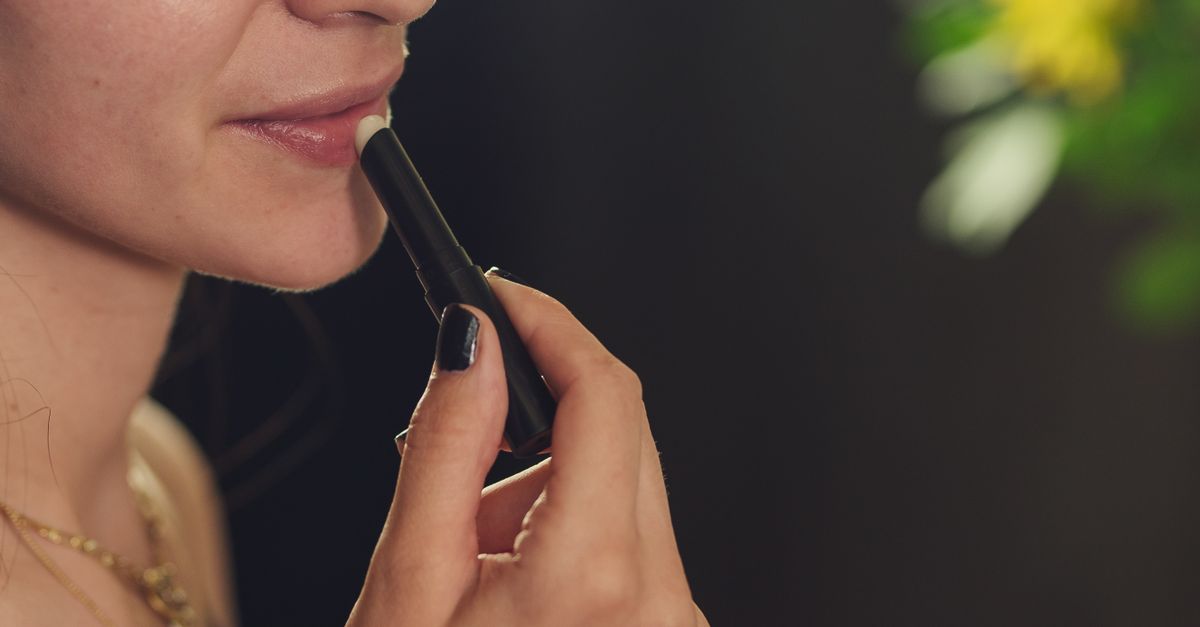
Cannon Balm 140 is a high-performance, broad-spectrum topical protectant formulated with a dense matrix of chemical UV filters to shield the labial mucosa from extreme solar radiation. Its most notable side effect is an increased risk of allergic contact dermatitis and localized mucosal irritation, primarily driven by the inclusion of Oxybenzone.
1. Introduction & Mechanism of Action of Cannon Balm 140
Cannon Balm 140 employs a highly concentrated blend of organic UV-absorbing compounds to achieve maximum photoprotection. The formulation relies on Avobenzone for deep UVA absorption, mitigating cellular damage and collagen degradation. Octinoxate and Octisalate work synergistically to absorb UVB radiation, effectively neutralizing the photons responsible for acute erythema and sunburn.
The distinguishing feature of this high-protection variant is the inclusion of Oxybenzone. Oxybenzone acts as a broad-spectrum absorber, capturing both short-wave UVA and UVB rays, significantly amplifying the product’s overall protective threshold. Octocrylene is also integrated into the matrix to provide critical photostabilization, preventing the rapid degradation of Avobenzone and Oxybenzone when subjected to intense, prolonged ultraviolet exposure.
2. Warnings & Before Applying Cannon Balm 140
The inclusion of Oxybenzone necessitates specific clinical warnings. Patients with known sensitivities to benzophenones must strictly avoid this formulation, as Oxybenzone is a well-documented contact allergen and photoallergen. Applying this product to compromised, cracked, or bleeding lips will facilitate systemic absorption of the chemicals, leading to intense burning and potential systemic hypersensitivity.
Furthermore, individuals with a history of severe eczema or mucosal inflammatory diseases should exercise extreme caution. Because Oxybenzone has been identified in some studies as a potential mild endocrine disruptor when absorbed systemically in large quantities, pregnant women and nursing mothers should consult their healthcare provider before using this specific chemical formulation frequently.
3. Indications & Dosage Guide for Cannon Balm 140
Cannon Balm 140 is indicated for extreme environmental conditions where intense, prolonged solar exposure is unavoidable. It provides vital prophylaxis against acute labial sunburn, actinic cheilitis, and the solar reactivation of the herpes simplex virus.
Proper application requires coating the lips with a thick, even layer fifteen to twenty minutes prior to entering the sun. Due to the high concentration of active ingredients, creating a uniform barrier is critical. The protective film must be reapplied every eighty minutes or immediately following heavy physical exertion, eating, or wiping the mouth, as mechanical friction instantly compromises the chemical shield.
4. In-Depth Side Effects Analysis of Cannon Balm 140
Common Side Effects
Due to the dense concentration of chemical filters, patients frequently report a mild, transient stinging sensation immediately upon application. A bitter or metallic taste is common if the product migrates into the mouth. The heavy base required to suspend the chemicals may also leave a slightly occlusive, waxy feeling on the lips.
Serious Side Effects You Should Report
Allergic reactions, while not ubiquitous, are serious when they occur and require immediate cessation of the balm.
| Side Effect Category | Specific Symptoms |
|---|---|
| Severe Contact Dermatitis | Intense burning, painful swelling of the lips, deep fissures |
| Photoallergic Reaction | Blistering and severe erythema triggered only after sun exposure |
| Systemic Allergy | Hives, angioedema of the face and neck, respiratory distress |
Rare Side Effects
Prolonged, daily use of Oxybenzone-containing products in highly sensitive individuals can rarely lead to localized hyperpigmentation or a chronic, low-grade desquamation of the labial tissue. These symptoms resolve gradually once the offending agent is permanently removed.
Side Effects That Usually Do Not Require Medical Attention
Slight dryness at the corners of the mouth or a minor textural change in the superficial mucosal layer are typical as the skin adapts to the frequent application of chemical absorbers. These issues can usually be managed by ensuring adequate internal hydration and using a basic emollient at night.
5. Overdose of Cannon Balm 140
A physiological overdose through standard topical use is impossible. However, the ingestion of the product poses a mild toxicological risk, particularly for pediatric patients, due to the high concentration of Oxybenzone and Octinoxate.
If a substantial amount of the balm is swallowed, the chemical agents will act as gastric irritants, inducing nausea, abdominal cramps, and vomiting. Rinsing the mouth and drinking water is the immediate first aid response. If symptoms persist or if a child consumes multiple tubes, emergency medical advice should be sought through a regional poison control center.
6. Missed Dose & What to Avoid While Using Cannon Balm 140
Failing to reapply the balm on schedule leaves the tissue completely unprotected against high-energy UV radiation. If an application window is missed during active sun exposure, the user must apply a thick layer immediately to halt further actinic damage.
Users must strictly avoid combining this product with other topical lip medications containing salicylic acid, benzoyl peroxide, or strong essential oils. These substances can alter the permeability of the labial mucosa, increasing the systemic absorption of Oxybenzone and heightening the risk of profound chemical irritation.
7. Drug & Alcohol Interactions with Cannon Balm 140
Systemic drug interactions are highly improbable with topical application on a small surface area like the lips. Nevertheless, individuals using topical immunomodulators for severe dermatitis should stagger application times significantly. For comprehensive knowledge on dermatological side effects, reviewing tacrolimus interactions provides insight into managing sensitive mucosal barriers.
Alcohol consumption poses an indirect risk. Intoxication reduces patient compliance with reapplication schedules, leading to severe sunburns. Furthermore, alcohol dehydrates the body systemically, which exacerbates the drying effect the chemical filters can have on the delicate labial tissue.
8. Precautions, Safety & Duration of Action for Cannon Balm 140
The robust duration of action provided by this heavy-duty formulation is maximized at eighty minutes under conditions of severe UV exposure or water immersion. After this period, the photostability of the chemical matrix begins to fail, and the ingredients can no longer safely absorb incoming radiation.
The integrity of the product depends heavily on proper storage. Exposing the balm to extreme heat, such as leaving it in a sealed car during summer, will permanently degrade the Avobenzone and Oxybenzone molecules. Once the physical structure of the balm has melted and reformed, it can no longer guarantee the stated level of ultraviolet protection.
9. How to Stop Using Cannon Balm 140 & Storage/Disposal
The product can be discontinued abruptly without any tapering or withdrawal effects. If chronic irritation occurs, switching to a physical barrier balm formulated with titanium dioxide or zinc oxide is medically recommended to avoid chemical filter sensitivities.
Disposal of Oxybenzone-containing products must be handled responsibly. Discard the used container in municipal solid waste. Avoid introducing the product into natural waterways or flushing it, as Oxybenzone has been heavily implicated in environmental toxicity, specifically concerning the bleaching of coral reefs.
10. When to See a Doctor Regarding Cannon Balm 140
Immediate dermatological consultation is required if the patient develops painful, weeping blisters on the lips, or if swelling impedes normal speech and eating. If a severe sunburn occurs despite using the product, leading to systemic symptoms like fever, chills, or severe localized pain, aggressive allopathic treatment, including systemic corticosteroids or prophylactic antibiotics, may be necessary.
11. Frequently Asked Questions (FAQ)
1. Why does this product contain Oxybenzone?
Oxybenzone is a highly effective, broad-spectrum UV absorber that significantly boosts the overall protective power of the balm under extreme solar conditions.
2. Is Oxybenzone safe to use on the lips?
For the vast majority of users, it is safe for localized, topical application. However, individuals with sensitive skin are more prone to allergic reactions with this specific ingredient.
3. How often must I reapply this high-protection balm?
Despite its strong formulation, it must be reapplied strictly every eighty minutes, or immediately after wiping your mouth, eating, or drinking.
4. Will this product leave a white cast on my lips?
No. Because it utilizes chemical UV filters rather than physical mineral blockers, it applies clearly without leaving a white chalky residue.
5. Can I use this on my children?
It is not recommended for young children due to the high concentration of Oxybenzone. Pediatricians generally recommend physical mineral blocks for children’s sensitive skin.
6. Why does my mouth taste bitter after applying it?
Chemical sunscreens have a naturally bitter taste. Careful application exclusively to the outer labial border helps prevent the product from entering the oral cavity.
7. Can this balm melt in my pocket?
Yes, body heat or direct sunlight can melt the wax base. If the product melts and solidifies, the UV filters may separate, reducing its protective efficacy.
8. Does this balm cure chapped lips?
Its primary function is UV protection. While the wax base provides some moisture retention, severely chapped lips may require a dedicated, non-SPF healing ointment at night.
9. Can I use it if I currently have a cold sore?
Applying chemical filters to an open blister can cause intense stinging. It is best to apply a dedicated antiviral treatment until the lesion closes.
10. Is this product safe for coral reefs?
No. Formulations containing Oxybenzone and Octinoxate are known to cause environmental harm to coral reefs and are banned in several marine sanctuaries.
Bibliography
Disclaimer: The content is for informational purposes only and does not replace medical advice. Always consult your doctor or pharmacist for personalized treatment.