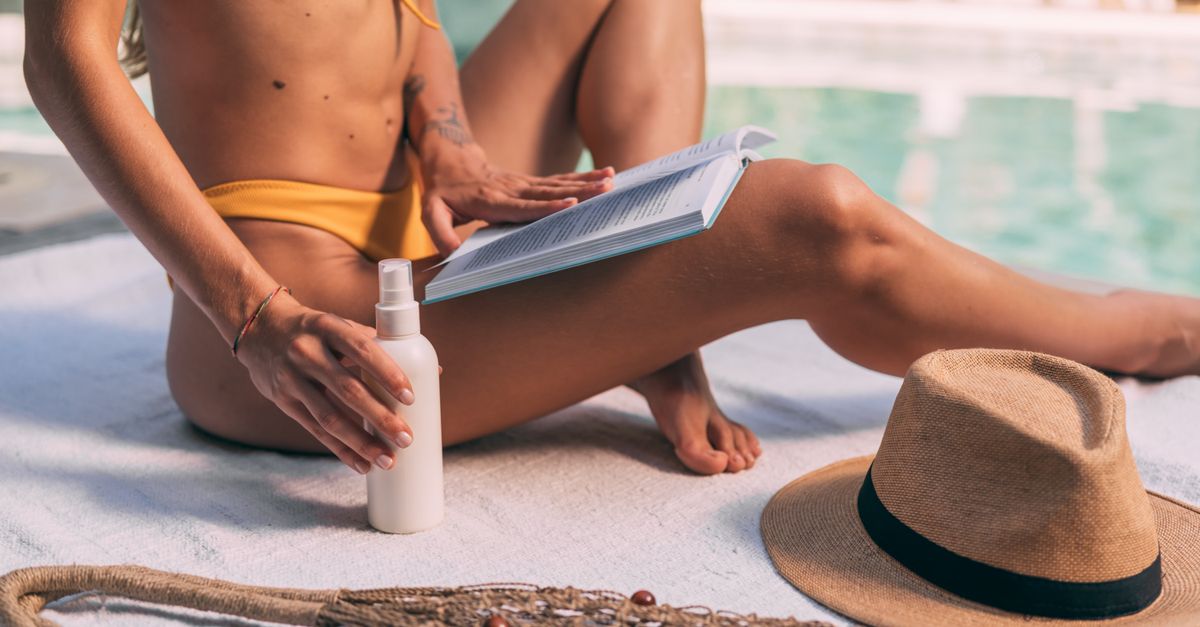
The Winter Survival Kit provides a robust matrix of organic ultraviolet filters, including octinoxate, octisalate, octocrylene, and avobenzone, formulated to shield the skin and labial mucosa from intense solar radiation in highly reflective winter environments. The most widely reported side effect is localized irritant contact dermatitis, characterized by transient stinging, erythema, or superficial desquamation in individuals sensitive to chemical sunscreen agents.
1. Introduction & Mechanism of Action of the Winter Survival Kit
The dermatological efficacy of the Winter Survival Kit relies on the precise combination of organic compounds designed to absorb specific wavelengths of ultraviolet radiation. Avobenzone functions as a potent UVA absorber, intercepting the longer wavelengths that penetrate deep into the dermis and cause structural damage to elastin and collagen fibers. To counteract avobenzone rapid photodegradation, octocrylene is integrated into the formula as a highly efficient photostabilizer.
Concurrently, octinoxate and octisalate serve as primary UVB filters. These compounds absorb the high-energy photons responsible for acute epidermal burning. Upon absorption, the molecular structure of the filters alters temporarily, converting the destructive solar energy into harmless thermal energy that dissipates from the skin surface. This continuous cycle of absorption and dissipation ensures high-level photoprotection under extreme conditions.
2. Warnings & Before Applying the Winter Survival Kit
Patients with documented hypersensitivity to cinnamates, salicylates, or benzophenones must strictly avoid these chemical formulations to prevent severe allergic cascades. Applying concentrated chemical UV filters to compromised epidermal barriers, such as deep lacerations, weeping eczema, or second-degree frostbite, will induce extreme pain and facilitate unwanted systemic absorption of the active ingredients.
Furthermore, individuals undergoing intense dermatological treatments involving chemical peels or ablative lasers should consult their physician before applying these products. While broadly safe for adult and adolescent use, the application of chemical sunscreens on infants under six months of age is contraindicated due to their heightened skin permeability and immature hepatic clearance pathways.
3. Indications & Dosage Guide for the Winter Survival Kit
The Winter Survival Kit is clinically indicated for the rigorous prevention of sunburn and the mitigation of long-term actinic damage during prolonged exposure to cold, reflective environments. Snow and ice can reflect up to eighty percent of incoming UV radiation, making comprehensive photoprotection on exposed areas and the lips absolutely critical.
Proper application requires coating the exposed skin and labial mucosa with a thick, even layer fifteen to twenty minutes prior to entering the sun. Due to the rapid degradation of chemical filters and mechanical removal via wind, sweat, or clothing friction, the protective film must be reapplied strictly every two hours, or immediately following heavy physical exertion.
4. In-Depth Side Effects Analysis of the Winter Survival Kit
Common Side Effects
Due to the dense concentration of active chemical filters, patients frequently report a mild, transient stinging sensation immediately upon application, particularly if the skin is wind-chafed. A bitter or metallic taste is common if the lip product migrates into the oral cavity. The heavy emollient base may also leave a slightly occlusive feeling on the skin.
Serious Side Effects You Should Report
Allergic reactions, while statistically uncommon, are serious when they manifest and require immediate cessation of the products.
| Side Effect Category | Specific Symptoms |
|---|---|
| Severe Contact Dermatitis | Intense burning, painful swelling of the application site, deep fissures |
| Photoallergic Reaction | Blistering and severe erythema triggered only after ultraviolet exposure |
| Systemic Allergy | Hives, angioedema of the face and neck, severe respiratory distress |
Rare Side Effects
Prolonged, daily use of chemical filters in highly sensitive individuals can rarely lead to localized hyperpigmentation or a chronic, low-grade desquamation of the labial tissue. These symptoms resolve gradually once the offending chemical agent is permanently removed and replaced with a physical barrier.
Side Effects That Usually Do Not Require Medical Attention
Slight dryness at the corners of the mouth or a minor textural change in the superficial mucosal layer are typical as the skin adapts to the frequent application of chemical absorbers. These issues can usually be managed by ensuring adequate internal hydration and using a basic, non-medicated emollient during the night.
5. Overdose of the Winter Survival Kit
A physiological overdose through standard topical use is impossible because the chemical molecules are largely confined to the superficial layers of the stratum corneum. However, the ingestion of the products poses a mild toxicological risk, particularly for pediatric patients, due to the high concentration of octinoxate and avobenzone.
If a substantial amount of the product is swallowed, the chemical agents will act as moderate gastric irritants, inducing nausea, abdominal cramps, and vomiting. Rinsing the mouth and drinking ample water is the immediate first-aid response. If symptoms persist or if a child consumes multiple components of the kit, emergency medical advice should be sought through a regional poison control center.
6. Missed Dose & What to Avoid While Using the Winter Survival Kit
Failing to reapply the products on schedule leaves the tissue completely unprotected against high-energy UV radiation, which is amplified by snow reflection. If an application window is missed during active sun exposure, the user must apply a thick layer immediately to halt further actinic damage.
Users must strictly avoid combining these products with other topical medications containing salicylic acid, benzoyl peroxide, or strong essential oils. These substances alter the permeability of the skin barrier, drastically increasing the systemic absorption of the UV filters and heightening the risk of profound chemical irritation.
7. Drug & Alcohol Interactions with the Winter Survival Kit
Systemic drug interactions are highly improbable with topical photoprotectants. Nevertheless, individuals using topical immunomodulators for severe dermatitis should stagger application times significantly. For comprehensive knowledge on managing sensitive epidermal barriers, reviewing hydrocortisone side effects provides insight into avoiding compounding localized skin thinning and irritation.
Alcohol consumption poses an indirect but significant risk. Intoxication reduces patient compliance with reapplication schedules, frequently leading to severe, preventable sunburns in extreme weather environments. Furthermore, alcohol dehydrates the body systemically, which exacerbates the drying effect the chemical filters can have on delicate tissues.
8. Precautions, Safety & Duration of Action for the Winter Survival Kit
The robust duration of action provided by this heavy-duty formulation is maximized at two hours under conditions of severe UV exposure. After this period, the photostability of the chemical matrix begins to fail, and the ingredients can no longer safely absorb incoming radiation.
The integrity of the product depends heavily on proper storage. Exposing the kit to extreme heat, such as leaving it near a severe heat source, will permanently degrade the avobenzone molecules. Once the physical structure of the product has melted and reformed, it can no longer guarantee the stated level of ultraviolet protection.
9. How to Stop Using the Winter Survival Kit & Storage/Disposal
The products can be discontinued abruptly without any tapering or withdrawal effects. If chronic irritation occurs, switching to a physical barrier balm formulated exclusively with titanium dioxide or zinc oxide is medically recommended to avoid chemical filter sensitivities entirely.
Disposal of chemical sunscreen products must be handled responsibly. Discard the used containers in municipal solid waste. Avoid introducing the product directly into natural waterways, as organic UV filters have been heavily implicated in environmental toxicity and the disruption of local aquatic ecosystems.
10. When to See a Doctor Regarding the Winter Survival Kit
Immediate dermatological consultation is required if the patient develops painful, weeping blisters on the skin or lips, or if swelling impedes normal speech, eating, or vision. If a severe sunburn occurs despite using the product, leading to systemic symptoms like fever, chills, or severe localized pain, aggressive allopathic treatment, including systemic corticosteroids, may be strictly necessary.
11. Frequently Asked Questions (FAQ)
1. Why does this kit utilize chemical filters instead of minerals?
Chemical filters absorb completely into the upper layers of the skin, providing invisible, broad-spectrum protection without leaving a heavy, white chalky residue common with zinc oxide.
2. Is it safe to use these products in extremely cold temperatures?
Yes. The chemical UV filters are completely stable in freezing temperatures, and the heavy carrier bases are designed to provide a physical barrier against harsh wind.
3. How often must I reapply these high-protection products?
Despite the strong formulation, they must be reapplied strictly every two hours, or immediately after wiping your face, eating, or sweating heavily.
4. Will this product leave a white cast on my skin?
No. Because it utilizes organic chemical UV filters rather than physical mineral blockers, it applies clearly and absorbs seamlessly into the epidermis.
5. Can I use this kit on my young children?
It is strictly not recommended for infants under six months. Pediatricians generally recommend physical mineral blocks for the sensitive skin of young children.
6. Why does my mouth taste bitter after applying the lip balm?
Chemical sunscreens have a naturally bitter taste. Careful application exclusively to the outer labial border helps prevent the product from migrating into the oral cavity.
7. Can these products melt if kept in my pocket?
Yes, body heat or direct sunlight can melt the wax bases. If the product melts and solidifies repeatedly, the UV filters may separate, severely reducing protective efficacy.
8. Does this kit cure severely chapped skin?
The primary function is UV protection. While the bases provide some moisture retention, severely chapped skin may require a dedicated, non-SPF healing ointment at night.
9. Can I use the lip balm if I currently have a cold sore?
Applying chemical filters directly to an open blister can cause intense stinging and prolonged healing. It is best to apply a dedicated antiviral treatment until the lesion closes.
10. Are the ingredients in this kit safe for the environment?
Formulations containing octinoxate and octocrylene are known to cause environmental harm to aquatic ecosystems and are banned in several protected marine sanctuaries.
Bibliography
Disclaimer: The content is for informational purposes only and does not replace medical advice. Always consult your doctor or pharmacist for personalized treatment.