
Bizengri (zenocutuzumab) is a bispecific antibody targeting HER2 and HER3, indicated for the treatment of adult patients with advanced, unresectable, or metastatic solid tumors harboring an NRG1 gene fusion. The most notable side effect involves infusion-related reactions and severe diarrhea, while serious clinical risks include profound interstitial lung disease and significant left ventricular dysfunction.
1. Introduction & Mechanism of Action of Bizengri
Zenocutuzumab operates as an advanced bispecific HER2- and HER3-directed antibody. Its primary mechanism relies on the precise docking onto the extracellular domain of HER2, which subsequently allows it to block the extracellular domain of HER3. This action completely inhibits the dimerization of the HER2 and HER3 receptors on the surface of tumor cells.
By preventing this critical receptor pairing, zenocutuzumab blocks the binding of the neuregulin 1 fusion proteins to HER3. This effectively shuts down the downstream signaling through the phosphoinositide 3-kinase and AKT pathways, which are essential for cancer cell proliferation and survival. In addition to blocking these signaling pathways, zenocutuzumab also mediates antibody-dependent cellular cytotoxicity, recruiting the patient’s immune system to actively destroy the targeted tumor cells.
2. Warnings & Before Taking Bizengri
Patients must undergo rigorous cardiac evaluation prior to initiating therapy. Zenocutuzumab carries a significant risk of left ventricular dysfunction. A baseline assessment of the left ventricular ejection fraction is mandatory, and patients with preexisting symptomatic congestive heart failure should not receive this medication due to the high risk of catastrophic cardiac failure.
Pregnant patients must be explicitly warned regarding embryo-fetal toxicity. Based on its mechanism of action targeting HER2 and HER3, which are critical for embryonic development, this drug can cause severe fetal harm or lethality. Females of reproductive potential must verify their pregnancy status before starting treatment and utilize highly effective contraception throughout the treatment course and for two months following the final dose.
3. Indications & Dosage Guide for Bizengri
This medication is FDA-approved for adults with advanced, unresectable, or metastatic non-small cell lung cancer, pancreatic adenocarcinoma, and cholangiocarcinoma harboring a neuregulin 1 gene fusion. It is prescribed strictly for patients whose disease has progressed on or after prior systemic therapies.
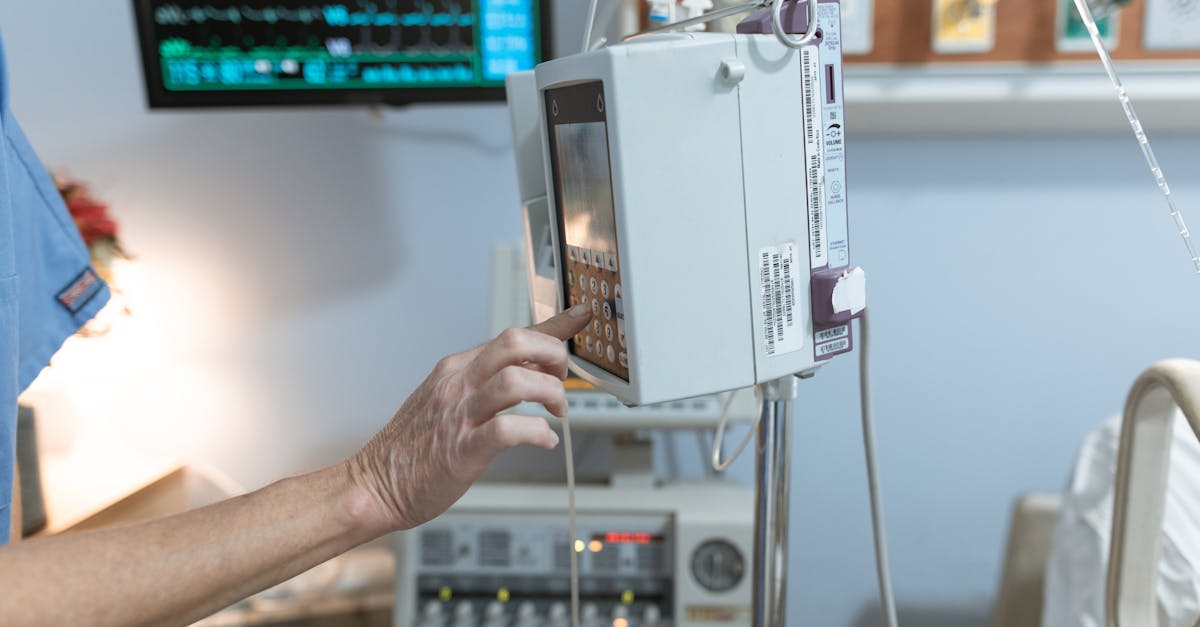
The standard clinical dosage is administered strictly as an intravenous infusion by a healthcare professional in a clinical setting. The established dosing regimen is typically administered every two weeks until disease progression or unacceptable toxicity occurs. Patients are monitored closely during and immediately following the infusion to manage any acute infusion-related reactions that frequently occur during the initial doses.
4. In-Depth Side Effects Analysis of Bizengri
Common Side Effects
Patients undergoing therapy frequently report gastrointestinal disturbances, primarily presenting as mild to moderate diarrhea, nausea, vomiting, and constipation. General systemic symptoms such as pronounced fatigue and musculoskeletal pain are heavily documented. Mild infusion-related reactions, presenting as chills, transient fever, and a mild rash, are also common clinical occurrences.
Serious Side Effects You Should Report
Serious complications require immediate medical intervention and potential permanent discontinuation of the immunotherapy.
| Side Effect Category | Specific Symptoms |
|---|---|
| Pulmonary Toxicity | Severe shortness of breath, new or worsening cough, interstitial lung disease |
| Cardiac Dysfunction | Significant drop in ejection fraction, severe edema, palpitations |
| Severe Infusion Reactions | Swelling of the face and throat, severe wheezing, profound hypotension |
Rare Side Effects
In isolated clinical instances, patients have developed severe hepatotoxicity manifesting as significantly elevated alkaline phosphatase and bilirubin levels. Rare hematological abnormalities, such as severe decreases in hemoglobin or platelets, have been documented, necessitating close laboratory monitoring throughout the treatment cycle.
Side Effects That Usually Do Not Require Medical Attention
Mild, transient abdominal pain or localized edema in the lower extremities that does not impair mobility are generally managed with standard supportive care. Minor fluctuations in serum sodium or magnesium that remain asymptomatic are typically monitored without interrupting the primary infusion schedule.
5. Overdose of Bizengri
Because this medication is administered exclusively by trained medical professionals in a closely monitored clinical environment, a volumetric overdose is exceedingly rare. However, if an accidental supratherapeutic dose is infused, the patient faces a drastically increased risk of severe, acute infusion-related reactions and rapid-onset left ventricular dysfunction.
In the event of an overdose, the infusion must be stopped instantly. There is no specific pharmacological antidote for zenocutuzumab. Treatment relies entirely on aggressive supportive care, including the immediate administration of intravenous corticosteroids, antihistamines for hypersensitivity, and comprehensive hemodynamic support to stabilize the patient’s cardiovascular and respiratory status.
6. Missed Dose & What to Avoid While Taking Bizengri
If a scheduled infusion appointment is missed, the patient must contact their oncology team immediately to reschedule. The missed dose should be administered as soon as possible, and the subsequent dosing schedule should be adjusted to maintain the appropriate interval between infusions.
Patients must rigorously avoid pregnancy and breastfeeding during therapy. Furthermore, patients should avoid contact with individuals who have recently received live vaccines, as the immune system may be compromised. Engaging in strenuous physical activity should be avoided if the patient experiences significant fatigue or cardiac symptoms, to prevent exacerbating underlying left ventricular stress.
7. Drug & Alcohol Interactions with Bizengri
While monoclonal antibodies typically do not engage in cytochrome P450 enzymatic interactions, caution is required when administering concurrent cardiotoxic therapies. For patients with a history of HER2-positive breast cancer transitioning to targeted therapies, reviewing trastuzumab guidelines highlights the cumulative risk of profound cardiac dysfunction when multiple HER2-directed agents are utilized sequentially.
Systemic alcohol consumption does not directly alter the pharmacokinetics of the antibody. However, alcohol acts as a gastrointestinal irritant and a central nervous system depressant, which will profoundly exacerbate the severe diarrhea, nausea, and intense fatigue frequently caused by the primary oncological treatment.
8. Precautions, Safety & Duration of Action for Bizengri
The duration of clinical action persists for the two-week interval between infusions, continuously suppressing the HER2 and HER3 dimerization. Continuous, long-term monitoring of the left ventricular ejection fraction and pulmonary function is mandatory to detect early signs of irreversible organ damage. If severe pneumonitis or symptomatic congestive heart failure develops, the medication must be permanently discontinued.
Storage and preparation of the single-dose vials are managed exclusively by clinical pharmacy personnel. The vials must be refrigerated and protected from light. The medication must never be shaken vigorously, as this will rapidly denature the delicate bispecific antibodies and render the infusion completely ineffective.
9. How to Stop Taking Bizengri & Storage/Disposal
The decision to discontinue therapy is made exclusively by the attending oncologist based on objective disease progression or the onset of unacceptable systemic toxicity. Patients do not self-discontinue this medication.
All handling, storage, and disposal of the medication vials and intravenous administration sets are executed strictly by healthcare professionals in accordance with institutional protocols for hazardous biological drugs. Patients are not responsible for the disposal of any materials associated with this infusion.
10. When to See a Doctor Regarding Bizengri
Immediate emergency intervention is strictly required if the patient develops a sudden, severe cough, extreme difficulty breathing, or severe chest pain between infusions, as these are hallmark signs of fatal interstitial lung disease or acute cardiac failure. If the patient experiences sudden swelling of the face, throat, or profound dizziness indicating an ongoing delayed allergic reaction, emergency medical services must be contacted immediately.
11. Frequently Asked Questions (FAQ)
1. How is this medication administered?
It is administered strictly as an intravenous infusion directly into a vein by a healthcare professional, typically scheduled once every two weeks.
2. Why do I need an echocardiogram before starting treatment?
The medication targets proteins that are also present in heart muscle. Blocking these proteins can weaken the heart, so doctors must ensure your heart is strong enough before beginning therapy.
3. What is an NRG1 gene fusion?
It is a specific genetic mutation found in certain tumors that drives cancer growth. This medication is specifically engineered to target tumors that possess this exact genetic abnormality.
4. Will I lose my hair while receiving this treatment?
Unlike traditional cytotoxic chemotherapy, targeted antibodies do not typically cause complete hair loss, though some mild hair thinning may occur.
5. How long will an infusion appointment take?
The initial infusions often take longer to monitor for severe allergic reactions. If well-tolerated, subsequent infusions may be administered more rapidly, depending on clinical protocols.
6. What should I do if I develop severe diarrhea?
Contact your oncology team immediately. Severe diarrhea can lead to dangerous dehydration and electrolyte imbalances, requiring prescription anti-diarrheal medications and potential intravenous fluids.
7. Is it safe to receive vaccines while on this therapy?
You should discuss all vaccinations with your oncologist. Live vaccines are generally avoided, but standard inactivated vaccines like the seasonal flu shot may be permitted.
8. Why do I feel so exhausted after the infusion?
Profound fatigue is a very common side effect of the medication and the body’s immune response to the targeted destruction of cancer cells.
9. Can this medication cure my cancer?
It is intended for advanced, metastatic cancers to halt progression and extend survival. It is generally not considered a definitive cure for advanced disease.
10. Is it safe to become pregnant after stopping the medication?
You must wait at least two months after your final dose before attempting to conceive, as the medication remains in your system and can cause severe birth defects.
12. Bibliography
Disclaimer: The content is for informational purposes only and does not replace medical advice. Always consult your doctor or pharmacist for personalized treatment.

