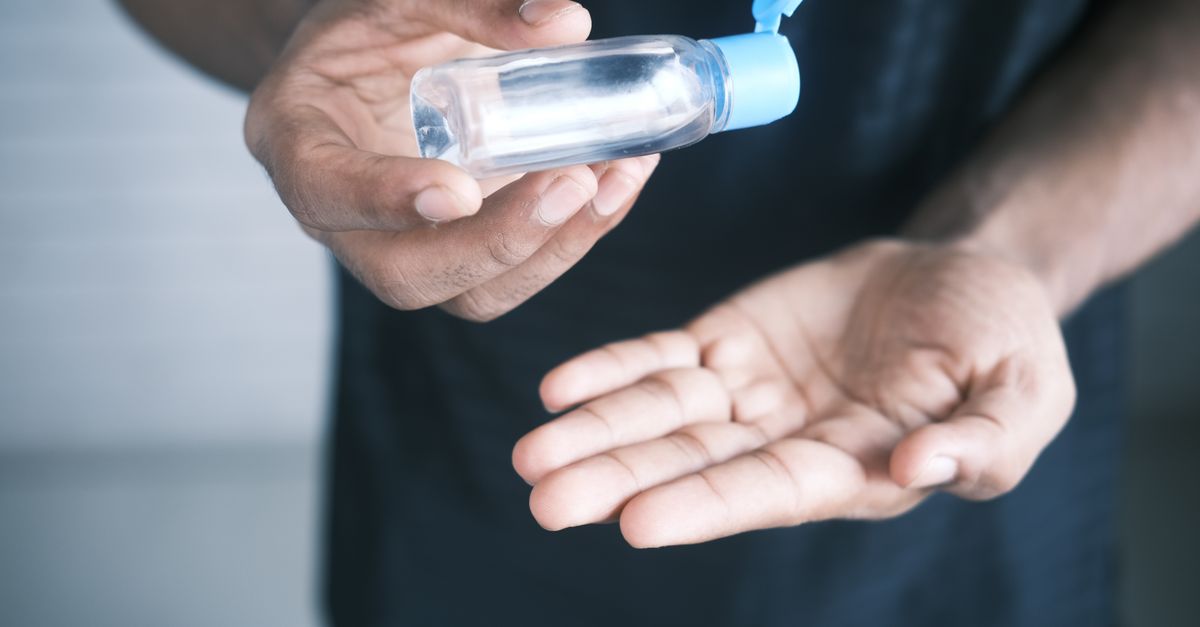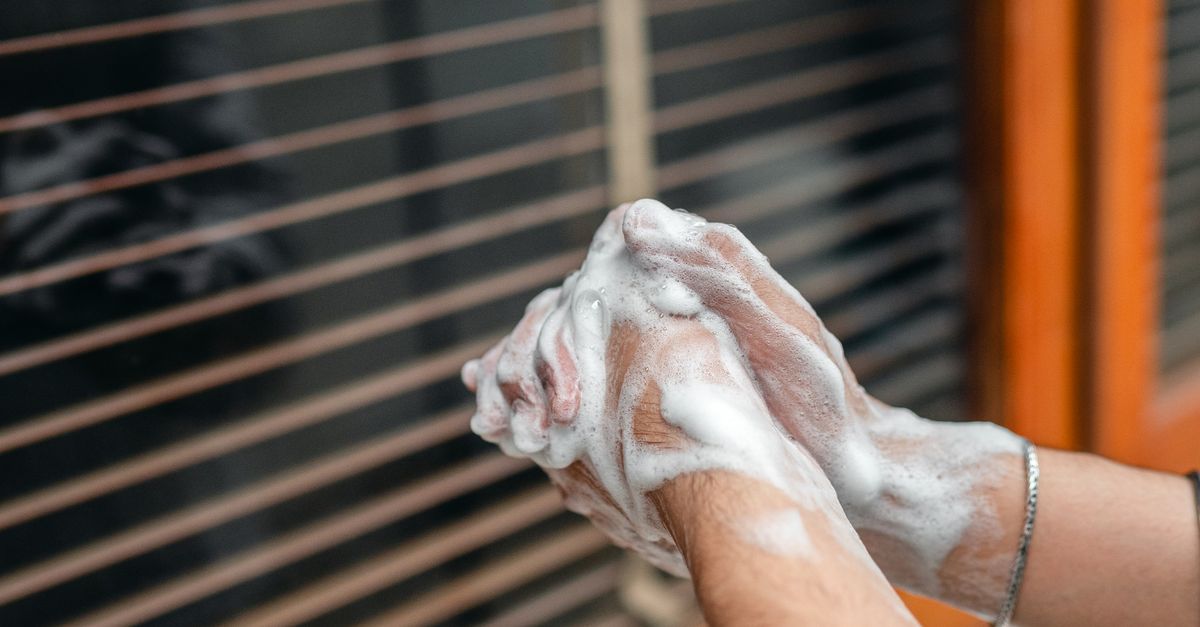
Extended Care Foaming Hand Sanitizer utilizes a high concentration of Alcohol to rapidly neutralize pathogenic microorganisms on the skin without the need for water. The most critical side effect is profound localized epidermal dehydration, which can lead to severe cracking and contact dermatitis with frequent use. Strict adherence to proper application and subsequent skin moisturization is required to prevent chronic dermal barrier damage.
1. Introduction & Mechanism of Action of Extended Care Foaming Hand Sanitizer
Topical Alcohol, primarily in the form of ethanol or isopropanol, acts as an aggressive and rapid antimicrobial agent. Upon contact with the skin, the alcohol molecules quickly penetrate the outer membranes of transient pathogens. Once introduced to the internal structure of the microbe, the alcohol forcefully denatures essential cellular proteins.
This rapid protein coagulation immediately halts all biological functions, resulting in instantaneous bacterial and viral death. The addition of a foaming agent allows for optimal surface coverage and prolonged evaporation time, ensuring the alcohol remains in contact with the pathogens long enough to achieve maximum clinical efficacy.
2. Warnings & Before Taking Extended Care Foaming Hand Sanitizer
This formulation is strictly designed for external topical application and poses a severe flammability hazard. Users must never apply the sanitizer near open flames, sparks, or intense heat sources, as the alcohol vapors can easily ignite until the product is completely dry on the skin.
Accidental ingestion is a critical medical emergency, particularly in pediatric populations where even small amounts can cause lethal alcohol poisoning. Individuals suffering from severe skin barrier defects, large open wounds, or active weeping eczema must avoid applying high-concentration alcohol directly to compromised tissue, as it will cause agonizing pain and severe tissue necrosis.
3. Indications & Dosage Guide for Extended Care Foaming Hand Sanitizer
Extended Care Foaming Hand Sanitizer is clinically indicated for rapid hand decontamination in situations where traditional soap and water are unavailable. It is widely recommended by global health authorities as an effective measure for preventing the transmission of infectious respiratory and gastrointestinal diseases.
The correct dosage requires dispensing enough foam to completely cover all surfaces of both hands. The user must vigorously rub the palms, the back of the hands, between the fingers, and around the fingernails continuously until the hands feel completely dry. Wiping the foam off prematurely with a towel drastically reduces the antimicrobial efficacy of the alcohol.
4. In-Depth Side Effects Analysis of Extended Care Foaming Hand Sanitizer
While highly effective at neutralizing pathogens, the aggressive chemical nature of concentrated alcohol inherently damages human tissue with repeated exposure. Systemic side effects are non-existent when used correctly, but localized dermatological issues are extremely common.
Common Side Effects
The almost universal side effect of repeated alcohol sanitizer use is acute epidermal dehydration. The alcohol aggressively strips away the natural lipid barrier, leaving the skin feeling rough, tight, and highly prone to superficial flaking. Mild stinging or burning upon application is routinely reported, particularly if the user has microscopic abrasions on their hands.
Serious Side Effects you should report
Severe allergic contact dermatitis is a serious localized reaction that requires medical attention. Patients must be alert for the development of deep, painful dermal fissures that bleed easily. These deep cracks compromise the immune barrier of the skin, actively inviting secondary bacterial infections such as staphylococcal cellulitis.
Rare Side Effects
Extreme hypersensitivity to the specific denaturants or foaming agents mixed with the alcohol is rare but can result in localized hives and severe erythema. Systemic absorption leading to measurable blood alcohol levels is exceptionally rare and typically only occurs in cases of massive, sustained topical exposure in highly enclosed environments.
Side effects that usually do not require medical attention
Brief, intense cooling sensations as the alcohol evaporates are expected and completely harmless. Minor, transient redness immediately following aggressive rubbing usually dissipates within a few minutes of application.
| Side Effect Category | Specific Symptoms |
|---|---|
| Dermatological | Severe dryness, chapping, localized flaking |
| Pain Response | Intense stinging on broken skin, burning sensation |
| Severe Complications | Deep bleeding fissures, secondary bacterial infection |
5. Overdose on Extended Care Foaming Hand Sanitizer
A localized overdose occurs when excessive use strips the skin completely of its protective barrier, resulting in raw, inflamed tissue. The true danger of overdose, however, stems from accidental or intentional ingestion.
Ingesting alcohol-based hand sanitizer causes immediate and severe acute ethanol toxicity. Symptoms progress rapidly from profound confusion and slurred speech to severe respiratory depression, dangerous hypoglycemia, seizures, and potentially fatal coma. Emergency medical services must be contacted instantly, and the patient must be transported to a hospital for aggressive intravenous stabilization and potential dialysis.
6. Missed Dose & What to avoid while taking Extended Care Foaming Hand Sanitizer
Because this product is utilized purely on an as-needed basis, missing a dose has no pharmacological consequence. The user should simply sanitize their hands after their next potential exposure to pathogens or before their next meal.
Users must strictly avoid touching their eyes, nose, or mouth immediately after applying the foam before it has completely dried. The high alcohol content will cause agonizing pain and severe chemical irritation to any mucosal tissue. Additionally, users must avoid lighting cigarettes, operating gas stoves, or utilizing electrocautery devices immediately after application due to the extreme fire hazard.
7. Drug & Alcohol Interactions with Extended Care Foaming Hand Sanitizer
Topical application of alcohol does not generate significant interactions with oral medications. However, applying this sanitizer over skin previously treated with specialized dermatological creams will instantly dissolve and destroy the medicinal properties of those creams.
Patients treating chronic skin conditions with localized medications must ensure they are using alternative cleaning methods. For further insight into the complexities of managing skin inflammation and drug absorption, please review our clinical guide on topical steroids.
8. Precautions, Safety & Duration of Action for Extended Care Foaming Hand Sanitizer
The antimicrobial action of alcohol is exceptionally rapid but entirely transient. It eliminates pathogens present at the exact moment of application but leaves absolutely no residual chemical protection once the alcohol evaporates. Touching a contaminated surface one minute after the sanitizer dries will immediately recontaminate the hands.
To counteract the severe defatting properties of the alcohol, users must integrate a rigorous moisturizing routine. Applying thick, ceramide-rich barrier creams during periods of rest helps rebuild the compromised lipid layer, preventing the severe cracking that often plagues healthcare professionals.
9. How to stop taking Extended Care Foaming Hand Sanitizer & Storage/Disposal
Stopping the use of this sanitizer requires no medical tapering. If severe skin damage occurs, simply cease application and switch to washing hands with lukewarm water and a highly gentle, moisturizing soap until the dermal barrier heals completely.
Proper storage is a critical safety issue. The product must be stored strictly at room temperature, far away from any direct heat sources, open flames, or direct sunlight. It must be locked safely out of the reach of children. Empty containers must be disposed of according to local chemical recycling regulations.
10. When to see a doctor regarding Extended Care Foaming Hand Sanitizer
Medical intervention is absolutely necessary if the hands develop deep, bleeding cracks that refuse to heal, or if the skin shows signs of active infection such as severe swelling, localized heat, and yellow crusting.
Any suspicion of accidental ingestion mandates immediate emergency transport to the nearest hospital. Furthermore, if the alcohol foam makes direct contact with the eyes and thorough flushing with water for fifteen minutes fails to resolve severe pain and visual blurring, an emergency ophthalmological evaluation is required to assess for corneal burns.
Frequently Asked Questions FAQ
1. Can I use this sanitizer instead of washing my hands when they are visibly dirty?
No. Alcohol sanitizers cannot penetrate thick dirt, grease, or organic matter. Visibly soiled hands must be washed with soap and water to physically remove the debris.
2. Why does it sting so badly when I use it?
Alcohol severely irritates exposed nerve endings. If you have microscopic cuts or severely dry skin, the alcohol will cause an intense, albeit temporary, burning sensation.
3. Is it dangerous to use this product near an open flame?
Yes, it is extremely dangerous. The high concentration of alcohol and its vapors are highly flammable until the product has completely dried on your skin.
4. Does this product kill stomach viruses like Norovirus?
Alcohol is generally less effective against non-enveloped viruses like Norovirus. Thorough handwashing with soap and water is the clinically preferred method for gastrointestinal pathogens.
5. What happens if a toddler licks their hands immediately after I apply this?
Small amounts licked from the hands are generally harmless, but if a child drinks from the bottle, it will cause severe, life-threatening alcohol poisoning requiring immediate emergency care.
6. Will this sanitizer dry out my skin permanently?
The damage is not permanent, but chronic use will cause severe temporary dehydration. Utilizing high-quality hand lotions daily will reverse and prevent this dermal damage.
7. How long do I need to rub my hands together?
You must continue to vigorously rub all surfaces of your hands until the foam has completely evaporated and your hands feel totally dry.
8. Can I use this foam to disinfect surgical instruments?
No. This formulation is explicitly designed for human skin and lacks the clinical properties required for high-level medical instrument sterilization.
Bibliography
Disclaimer: The content is for informational purposes only and does not replace medical advice. Always consult your doctor or pharmacist for personalized treatment.