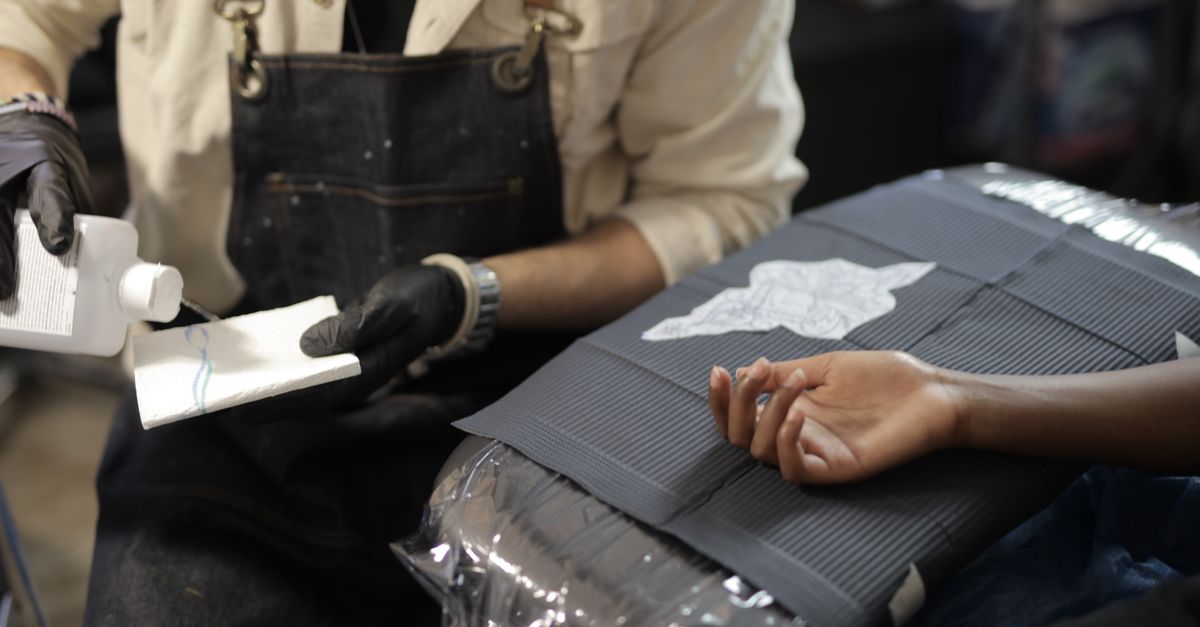
Doctor Inks Sanitizing relies on the active antimicrobial agent Benzalkonium Chloride to reduce transient pathogens on the skin surface, commonly in tattoo or body modification settings. The most critical side effect is localized chemical irritation, particularly if applied to deeply compromised tissue or fresh dermal wounds. Proper application protocols must be followed to prevent delayed healing and structural damage to newly forming epidermal layers.
1. Introduction & Mechanism of Action of Doctor Inks Sanitizing
Benzalkonium Chloride is classified as a quaternary ammonium compound, serving as a highly reliable broad-spectrum antiseptic. When dispensed onto the skin prior to or following minor dermal modifications, the positively charged chemical molecules are powerfully drawn to the negatively charged outer membranes of transient bacteria.
Upon binding, the chemical rapidly infiltrates and completely destabilizes the lipid bilayer of the pathogen. This violent structural disruption forces vital internal cellular fluids to hemorrhage into the surrounding environment, causing immediate microbial cell death. The formulation leaves a microscopic, active chemical layer that provides a brief window of residual bacteriostatic defense, which is highly beneficial in environments requiring rigorous surface hygiene.
2. Warnings & Before Taking Doctor Inks Sanitizing
This antimicrobial product is explicitly designed for external topical application only. Accidental ingestion poses a critical toxicological hazard. Users must exercise extreme caution to prevent the solution from making contact with the eyes, as quaternary ammonium compounds are highly caustic to delicate corneal tissue and can cause irreversible vision damage.
Individuals with a documented clinical hypersensitivity to Benzalkonium Chloride must completely avoid this sanitizer. Furthermore, artists and patients must exercise severe caution when applying synthetic antimicrobial agents directly to deeply traumatized tissue, such as heavily overworked tattoos or deep lacerations, as it will induce severe stinging, provoke extreme inflammation, and significantly delay natural tissue healing.
3. Indications & Dosage Guide for Doctor Inks Sanitizing
Doctor Inks Sanitizing is clinically indicated for routine skin decontamination to minimize the transmission of infectious pathogens during dermal procedures, tattooing, or general skin hygiene in modification settings. It is utilized to prepare the intact skin surface before the procedure begins.
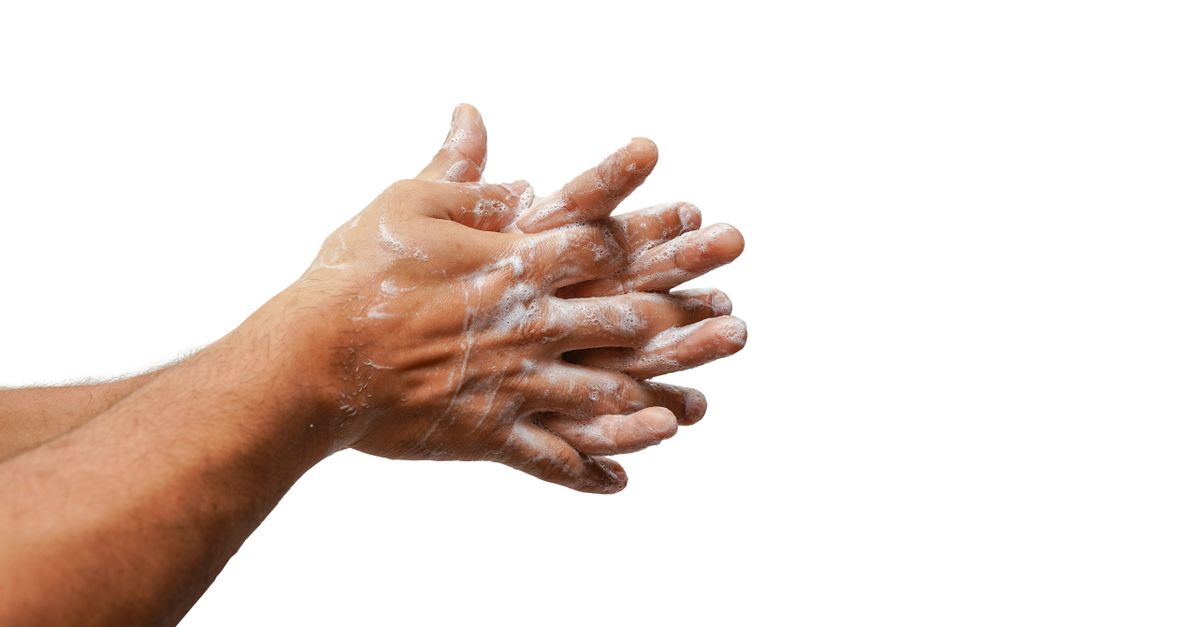
Effective usage requires dispensing an adequate volume of the liquid or foam directly onto the target skin area. The user must vigorously and systematically wipe or rub the solution across all targeted dermal surfaces. The area must be allowed to air dry completely before any invasive needle work begins. If used as a general hand sanitizer by the artist, the hands must be rubbed until entirely dry to ensure maximum antimicrobial efficacy.
4. In-Depth Side Effects Analysis of Doctor Inks Sanitizing
Because the active ingredient is engineered to remain on the exterior surface of the skin, systemic pharmacological side effects are virtually absent. However, the chemical aggression required to neutralize bacteria inevitably affects human epidermal cells, especially when the skin barrier is repeatedly traumatized.
Common Side Effects
Frequent exposure will almost universally result in mild to moderate epidermal dehydration. The chemical actively strips away the skin’s natural protective sebum, resulting in an area that feels uncomfortably tight, chapped, and rough. Mild localized erythema is highly common, especially when applied to skin that has recently been shaved or physically exfoliated prior to a procedure.
Serious Side Effects you should report
Prolonged, excessive application to traumatized skin can precipitate severe allergic contact dermatitis or chemical maceration. Patients must immediately report the development of painful vesicular blisters, severe swelling radiating from the application site, or deep dermal cracking that exposes raw underlying tissue. Broken skin actively invites secondary bacterial infections and requires prompt medical evaluation.
Rare Side Effects
Extreme systemic allergic responses, including anaphylaxis, following standard topical application are exceedingly rare. In isolated clinical scenarios involving prolonged exposure to sub-lethal concentrations of the chemical, localized paradoxical bacterial resistance has been theoretically documented, though highly unlikely in standard hygiene practices.
Side effects that usually do not require medical attention
A brief sensation of warmth or sharp tingling immediately upon application is a normal physiological response as the chemical interacts with microscopic surface abrasions. Light superficial skin flaking during the healing process is standard and generally resolves as the epidermal layers fully regenerate.
| Side Effect Category | Specific Symptoms |
|---|---|
| Routine Dermatological | Dry skin, minor chapping, transient redness |
| Severe Dermatological | Blistering, severe tissue swelling, intense burning |
| Ocular Emergencies | Corneal damage, intense pain, severe redness |
5. Overdose on Doctor Inks Sanitizing
Using the product excessively over a short duration, particularly on a fresh, open wound, functions as a localized dermatological overdose. This rapidly destroys the forming granulation tissue and leads to painful, raw dermatitis that severely compromises the final aesthetic and health of the modified skin.
Accidental ingestion is a severe medical emergency. Swallowing Benzalkonium Chloride induces acute toxic gastroenteritis characterized by severe abdominal cramping, vomiting, potential esophageal necrosis, and profound systemic hypotension. Emergency medical services and a poison control center must be contacted immediately. Vomiting must strictly not be induced to prevent further corrosive damage to the esophagus.
6. Missed Dose & What to avoid while taking Doctor Inks Sanitizing
Sanitization is an event-driven preventative measure. A missed application prior to a procedure simply means the area must be thoroughly cleansed and sanitized immediately before any invasive work commences to prevent the introduction of surface bacteria into the dermis.
Users must stringently avoid applying this product immediately after using traditional anionic soaps, as the negative ions left on the skin will chemically neutralize the positively charged Benzalkonium Chloride. Additionally, users must avoid relying on this sanitizer to clean heavily soiled, greasy skin; physical washing is required first, as the chemical cannot penetrate heavy organic barriers.
7. Drug & Alcohol Interactions with Doctor Inks Sanitizing
Topical quaternary ammonium compounds do not generate meaningful interactions with internal oral medications. However, applying prescription topical corticosteroids or specialized numbing creams to the skin immediately before or after using this sanitizer can trap the residual antimicrobial chemicals, drastically increasing the risk of severe localized chemical burns.
Patients managing severe localized skin conditions with medicinal ointments must consult a physician prior to undergoing dermal modifications. For additional context on managing active skin barrier inflammation and topical treatment absorption, reading our clinical guide on topical steroids is highly recommended.
8. Precautions, Safety & Duration of Action for Doctor Inks Sanitizing
While this formulation leaves a microscopic residual layer on the skin intended for prolonged protection, the actual duration of true clinical efficacy is highly fragile. Wiping, sweating, and contact with contaminated surfaces or bodily fluids quickly degrade this barrier. Constant re-sanitization of hands and equipment is strictly required throughout long procedures.
To guarantee long-term skin health, the concurrent use of appropriate secondary aftercare ointments is mandatory following the procedure. Proper hydration helps rapidly restore the protective lipid barrier and minimizes the chronic cumulative irritation caused by the initial chemical exposure and physical trauma.
9. How to stop taking Doctor Inks Sanitizing & Storage/Disposal
Discontinuing the use of this sanitizer requires no medical protocol. If severe chemical irritation or contact dermatitis occurs, the user must immediately pivot to washing the area with a highly gentle, pH-balanced, fragrance-free cleanser and lukewarm water to allow the damaged epidermal tissue to regenerate naturally.
The sanitizer must be stored securely at room temperature in a dry location, kept strictly out of the reach of young children to prevent accidental ingestion or ocular exposure. Empty containers should be recycled in accordance with local municipal environmental guidelines.
10. When to see a doctor regarding Doctor Inks Sanitizing
A formal medical assessment is strictly necessary if the user develops weeping blisters, unyielding generalized redness expanding far beyond the procedure site, or signs of secondary bacterial cellulitis such as expanding red streaks, localized heat, and throbbing pain.
Any accidental ingestion mandates immediate emergency room intervention. Furthermore, if the sanitizer makes contact with the eyes, the user must flush the eyes continuously with lukewarm water for a minimum of fifteen minutes. If visual impairment or severe pain continues after flushing, an emergency ophthalmological consult is absolutely required.
Frequently Asked Questions FAQ
1. How does this sanitizer kill bacteria without using harsh alcohol?
It utilizes Benzalkonium Chloride, which uses a positive electrical charge to attract and completely destroy the negatively charged cell walls of bacteria, causing them to rupture instantly.
2. Is this product safe to spray directly onto a brand new, bleeding tattoo?
Extreme caution must be used. Harsh antimicrobial chemicals can cause intense pain, damage healthy healing tissue, and potentially delay the overall healing process if sprayed directly into deep, fresh wounds.
3. Can I use this product to clean my piercing?
You should consult your piercer or a physician. Generally, sterile saline is preferred for deep puncture wounds, as harsh antiseptics can severely irritate the delicate fistula forming inside a piercing.
4. Why does my skin feel slightly sticky after the artist uses this?
Unlike alcohol which evaporates entirely into the air, quaternary ammonium compounds leave a very fine, microscopic chemical film on the skin to provide residual protection, which can feel slightly tacky.
5. Is this sanitizer effective against bloodborne pathogens?
It is highly effective against a broad range of bacteria and enveloped viruses, but it is not a substitute for proper sterilization protocols, autoclaving, and the use of medical-grade surface disinfectants for bloodborne pathogens.
6. Will this sanitizer interfere with my aftercare lotion?
If applied concurrently on intact skin, the residual chemical can occasionally interact with certain creams. Always follow your professional artist’s specific, timed aftercare instructions.
7. Is it safe for use on the face?
It should be used with extreme caution on the face. Facial skin is highly delicate, and accidental exposure to the eyes will cause severe, agonizing chemical burns.
8. What should I do if a child accidentally swallows this solution?
Call emergency services and a poison control center immediately. Do not induce vomiting, as the chemical can cause severe corrosive damage to the throat and esophagus on the way back up.
Bibliography
Disclaimer: The content is for informational purposes only and does not replace medical advice. Always consult your doctor or pharmacist for personalized treatment.