
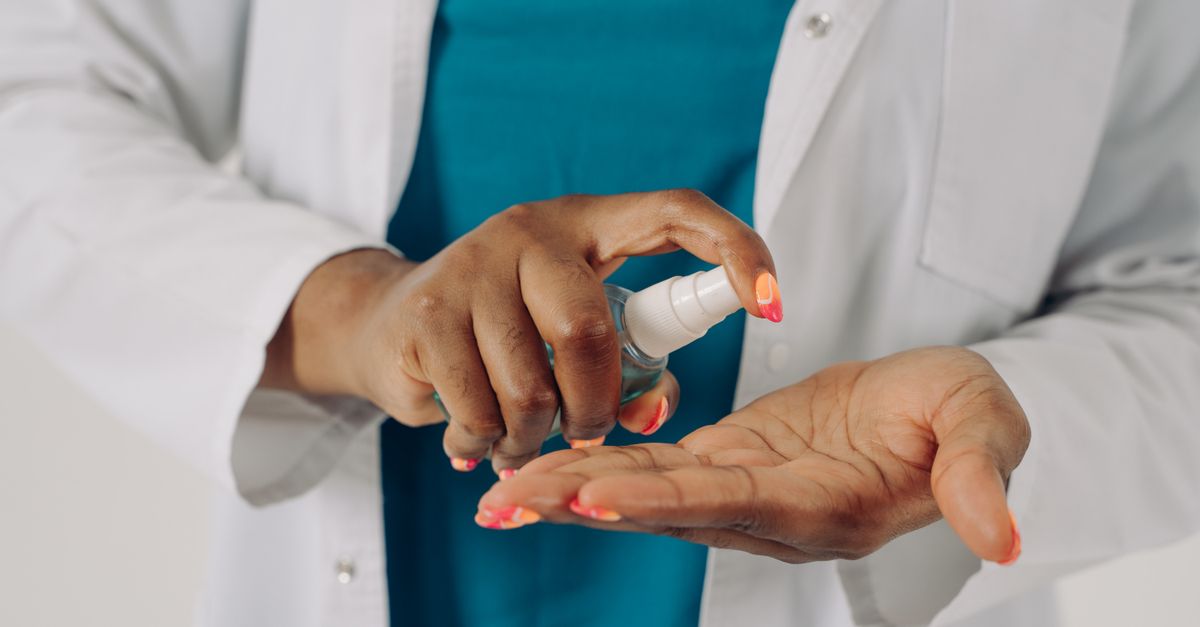
Doctor Ink Topical Antiseptic With Pain Relief utilizes a dual-action formulation combining Benzalkonium Chloride for microbial defense and Lidocaine for localized anesthesia. The most notable side effect involves profound local numbness and the severe risk of systemic Lidocaine toxicity if the product is applied excessively over large areas of broken skin. Strict adherence to dosage limits is critical to prevent dangerous cardiovascular and neurological complications.
1. Introduction & Mechanism of Action of Doctor Ink Topical Antiseptic With Pain Relief
This formulation delivers two distinct pharmacological actions simultaneously. Benzalkonium Chloride acts as a quaternary ammonium antiseptic. It binds to bacterial cell walls and aggressively disrupts the lipid bilayer, causing essential intracellular fluids to leak out, which results in rapid bacterial cell death. This ensures the treated area remains free of transient pathogens.
Simultaneously, Lidocaine functions as a potent local anesthetic. Upon entering the dermal tissue, it selectively binds to voltage-gated sodium channels located on the membranes of local neuronal axons. By blocking the influx of sodium ions, Lidocaine prevents the generation and conduction of nerve impulses. This effectively halts the transmission of pain signals from the injured tissue to the brain, providing rapid and sustained localized analgesia.
2. Warnings & Before Taking Doctor Ink Topical Antiseptic With Pain Relief
This product carries significant clinical warnings due to the presence of Lidocaine. It is strictly contraindicated in patients with a known hypersensitivity to amide-type local anesthetics. Applying this medication over massive areas of raw, blistered, or deeply wounded skin is highly dangerous, as it permits rapid systemic absorption of the anesthetic directly into the bloodstream.
Patients with severe hepatic impairment, advanced cardiovascular disease, or those utilizing Class I antiarrhythmic medications must exercise extreme caution. High systemic levels of Lidocaine can provoke severe cardiac arrhythmias and profound central nervous system toxicity. Furthermore, a rare but life-threatening condition known as methemoglobinemia, which severely reduces the oxygen-carrying capacity of the blood, can occasionally be triggered by topical anesthetics.
3. Indications & Dosage Guide for Doctor Ink Topical Antiseptic With Pain Relief
Doctor Ink Topical Antiseptic With Pain Relief is clinically indicated for the temporary relief of pain and the prevention of infection in minor cuts, scrapes, superficial burns, and minor dermal modifications.
The product must be used sparingly. Adults and children over the age of two should apply a small amount to the affected area no more than three to four times daily. The area should be cleansed gently prior to application. It is imperative to use the absolute minimum amount necessary to achieve pain relief. The treated area should not be wrapped tightly with non-breathable plastic wraps or heating pads, as this drastically accelerates systemic absorption of the Lidocaine.
4. In-Depth Side Effects Analysis of Doctor Ink Topical Antiseptic With Pain Relief
While Benzalkonium Chloride primarily causes localized irritation, the inclusion of Lidocaine introduces the potential for both local and systemic adverse pharmacological events, especially if the product is misused.
Common Side Effects
The most expected side effect is profound localized numbness, which is the intended therapeutic action. Mild, transient erythema and slight swelling at the application site are frequently observed. Patients may also experience a brief stinging sensation immediately upon application before the anesthetic takes full effect.
Serious Side Effects you should report
Systemic Lidocaine toxicity is a medical emergency. Patients must immediately report early neurological warning signs such as severe dizziness, ringing in the ears, metallic taste in the mouth, confusion, or sudden muscle twitching. Symptoms of methemoglobinemia, including pale or blue-tinted skin, lips, or nail beds, accompanied by severe shortness of breath, require immediate emergency resuscitation.
Rare Side Effects
Extreme localized hypersensitivity to amide anesthetics can result in severe allergic contact dermatitis, presenting as intense pruritus, vesicular blistering, and weeping skin. Severe cardiovascular collapse, featuring profound bradycardia and severe hypotension, is a rare but catastrophic consequence of massive systemic overdose.
Side effects that usually do not require medical attention
Minor localized blanching of the skin, where the tissue turns slightly white due to localized vasoconstriction, is common and harmless. The numbing effect will naturally dissipate within a few hours without any necessary intervention.
| Side Effect Category | Specific Symptoms |
|---|---|
| Localized (Mild) | Numbness, mild redness, brief initial stinging |
| Neurological Toxicity | Dizziness, tinnitus, muscle twitching, confusion |
| Methemoglobinemia | Blue lips/fingers, shortness of breath, extreme fatigue |
5. Overdose on Doctor Ink Topical Antiseptic With Pain Relief
A topical overdose occurs when excessive amounts are applied to raw skin, covered with tight dressings, or applied too frequently. This leads directly to acute systemic Lidocaine toxicity. Symptoms progress rapidly from anxiety and tremors to generalized seizures, respiratory depression, and cardiac arrest.
Immediate emergency medical intervention is absolutely critical. Treatment involves removing any residual product from the skin immediately. In the emergency department, advanced cardiovascular life support and the administration of intravenous lipid emulsions may be required to bind the circulating Lidocaine and restore normal cardiac function.
6. Missed Dose & What to avoid while taking Doctor Ink Topical Antiseptic With Pain Relief
This medication is utilized purely on an as-needed basis for pain management and hygiene. There is no scheduled dosing regimen. If pain returns, the user may reapply the product, provided they do not exceed the maximum limit of four applications within a twenty-four-hour period.
Users must strictly avoid applying this product near the eyes, mouth, or inside the ear canal. Numbing the ocular tissue eliminates the blink reflex, predisposing the eye to severe corneal abrasions. Furthermore, patients must avoid applying external heat sources, such as heating pads, over the treated area, as heat dilates blood vessels and drastically increases the toxic systemic absorption of Lidocaine.
7. Drug & Alcohol Interactions with Doctor Ink Topical Antiseptic With Pain Relief
Systemic absorption of Lidocaine can lead to severe drug interactions. Patients concurrently taking Class I antiarrhythmic drugs, such as mexiletine or tocainide, face an exponentially increased risk of severe cardiac depression due to cumulative sodium channel blockade.
Combining this product with other topical anesthetics containing benzocaine or prilocaine severely elevates the risk of life-threatening methemoglobinemia. For further understanding of how cardiovascular medications can interact with unexpected systemic absorption, review our clinical guide on amiodarone.
8. Precautions, Safety & Duration of Action for Doctor Ink Topical Antiseptic With Pain Relief
The localized analgesic effect typically begins within two to five minutes of application and lasts approximately one to two hours, depending on the vascularity of the application site. The antiseptic properties provide immediate but transient protection against surface bacteria.
Extreme caution is required when using this product on pediatric patients, as their lower body mass drastically increases their susceptibility to systemic Lidocaine toxicity. Pregnant women should consult their obstetrician before use, as Lidocaine can cross the placental barrier.
9. How to stop taking Doctor Ink Topical Antiseptic With Pain Relief & Storage/Disposal
Discontinuing the product is immediate once the minor wound has healed or the pain has subsided. No tapering is required. As the anesthetic wears off, normal sensation will return gradually to the affected tissue.
The product must be stored securely at room temperature, safely out of reach of children and pets. Ingestion of even small amounts of Lidocaine by a child or small animal can be rapidly fatal. Expired or unused medication should be disposed of through a certified pharmacy take-back program to prevent accidental environmental exposure.
10. When to see a doctor regarding Doctor Ink Topical Antiseptic With Pain Relief
Emergency medical care is mandatory if the patient exhibits any signs of systemic toxicity, including sudden confusion, blurred vision, muscle tremors, or irregular heartbeats. Any signs of methemoglobinemia, such as cyanosis or difficulty breathing, require a 911 call immediately.
A physician should also be consulted if the treated wound shows signs of severe infection, such as radiating heat, red streaks, or purulent discharge, as the localized numbness may mask the escalating pain typically associated with a worsening tissue infection.
Frequently Asked Questions FAQ
1. Can I use this over a large, fresh tattoo to stop the pain?
No. Applying Lidocaine over large areas of raw, broken skin allows the drug to enter your bloodstream rapidly, which can cause fatal seizures and cardiac arrest.
2. Why do I taste metal in my mouth after using this?
A metallic taste in the mouth is a major neurological warning sign of systemic Lidocaine toxicity. You must wash the product off your skin immediately and seek emergency medical care.
3. Can I put a tight bandage over the area after applying it?
You should avoid wrapping the area tightly with non-breathable plastic. Occlusion traps the heat and moisture, forcing the anesthetic rapidly into your bloodstream.
4. Is it normal for the skin to turn slightly white where I applied it?
Yes. Local anesthetics can cause minor vasoconstriction, temporarily reducing blood flow to the immediate surface tissue, which causes slight, harmless blanching.
5. How often can I safely reapply this product?
You should not exceed three to four applications within a 24-hour period. Using it more frequently drastically increases your risk of a toxic overdose.
6. Can I use a heating pad on the numb area?
Absolutely not. Heat dilates your blood vessels, which will suck the Lidocaine directly into your systemic circulation and can trigger a life-threatening overdose.
7. What should I do if the numb feeling doesn’t go away after a day?
Prolonged numbness beyond a few hours is highly abnormal and may indicate underlying nerve damage from the injury itself. You should consult a physician for a neurological evaluation.
8. Is this safe to use on a child’s scraped knee?
It can be used sparingly on children over the age of two, but you must apply only a tiny amount. Children are highly sensitive to anesthetic toxicity.
Bibliography
Disclaimer: The content is for informational purposes only and does not replace medical advice. Always consult your doctor or pharmacist for personalized treatment.
