1. Introduction & Mechanism of Action for American Safety First Aid Antiseptic
American Safety First Aid Antiseptic provides standard three-percent hydrogen peroxide, a highly active oxidizing agent universally utilized for the acute cleansing of minor superficial wounds. The most notable and severe clinical complication associated with its misuse is the profound delay of natural wound healing due to the direct cellular necrosis of healthy, granulating tissue.
The pharmacological mechanism of action is brutally non-selective. Upon contact with the tissue enzyme catalase, which is abundant in blood and cellular fluid, hydrogen peroxide rapidly decomposes into water and oxygen gas. This aggressive chemical reaction produces a massive release of highly reactive hydroxyl free radicals. These free radicals forcefully oxidize lipid membranes, DNA, and essential cellular proteins, thereby physically destroying the cell walls of both gram-positive and gram-negative bacteria, as well as fungal spores. The rapid effervescence (bubbling) mechanically aids in debriding necrotic tissue and lifting embedded particulate matter from the wound bed.
2. Warnings & Prerequisites Before Using Hydrogen Peroxide
Clinical safety dictates that hydrogen peroxide must only be utilized for immediate, initial, and superficial wound cleansing. The absolute contraindication for use involves the instillation of the liquid into deep, enclosed body cavities, severe puncture wounds, or deep abscesses. The rapid release of oxygen gas within an enclosed space forces massive tissue distension and can drive the gas directly into the venous circulation, precipitating a catastrophic, frequently fatal oxygen gas embolism.
Furthermore, patients must never use this oxidizing agent as a continuous, daily wound care solution. Because the free radicals cannot distinguish between bacterial cell walls and newly formed human fibroblasts, repeated application aggressively destroys healthy granulating tissue, halts angiogenesis, and severely prolongs the normal healing trajectory, virtually guaranteeing hypertrophic scarring.
3. Indications & Dosage Guide for Hydrogen Peroxide Antiseptic
This oxidizing formulation is strictly indicated for the immediate, one-time mechanical cleansing and disinfection of minor, superficial dermal injuries, including shallow abrasions, minor cuts, and localized scrapes. It is occasionally utilized in heavily diluted forms as an oral rinse for acute necrotizing ulcerative gingivitis, though this is heavily scrutinized in modern dentistry.
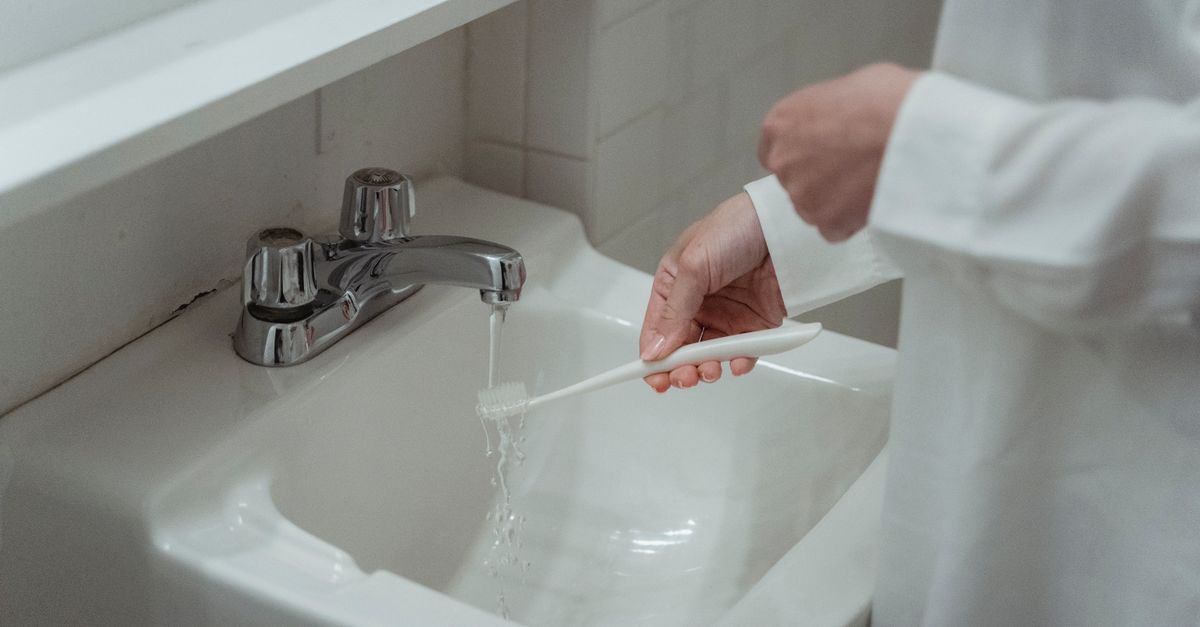
Dosage administration demands rigid adherence to safety limits. For initial wound cleansing, a small volume of the liquid is poured directly over the superficial abrasion. The effervescent reaction will immediately lift debris. Once the bubbling ceases, the area must be thoroughly and aggressively rinsed with sterile saline or clean water to remove all residual oxidative chemicals. The wound should then be dressed appropriately. This procedure should only occur once at the time of injury; it must not become part of a daily bandage-changing routine.
4. In-Depth Side Effects Analysis of Hydrogen Peroxide
The non-selective, destructive nature of oxidative free radicals guarantees significant localized tissue reactions, demanding strict clinical vigilance to prevent secondary injury.
Common Side Effects
Localized cutaneous irritation and cellular destruction are universally expected. Patients routinely experience a sharp, transient stinging or burning sensation upon application. The surrounding intact epidermis frequently undergoes temporary blanching (turning stark white), representing localized superficial oxidation of the stratum corneum. This effect generally resolves independently within a few hours.
Serious Side Effects You Should Report
Patients must immediately report severe, unyielding pain, massive localized swelling, or the sudden loss of sensation in the affected limb following deep wound instillation. These symptoms signify catastrophic tissue distension or nerve compression due to trapped oxygen gas. Furthermore, any sudden onset of severe chest pain, profound shortness of breath, or sudden mental confusion requires immediate emergency trauma care to rule out a lethal gas embolism.
Rare Side Effects
In exceedingly rare scenarios where the chemical is inadvertently applied to vast surface areas of heavily compromised tissue, trace systemic absorption can lead to mild oxidative stress on red blood cells, though standard three-percent solutions rarely cause systemic hemolysis. Repeated use as a concentrated oral rinse has been linked to the hypertrophy of the tongue papillae, known clinically as “hairy tongue.”
Side Effects That Usually Do Not Require Medical Attention
The intense bubbling, hissing, and foaming directly over the blood and tissue is the intended mechanical and chemical reaction of the catalase enzyme interacting with the peroxide. This visual reaction requires no clinical intervention.
| Side Effect Category | Specific Symptoms |
|---|---|
| Dermatological | Transient stinging, temporary skin blanching |
| Wound Healing | Destruction of healthy tissue, delayed healing |
| Cardiovascular | Fatal gas embolism if instilled in deep enclosed wounds |
| Oral (Misuse) | Hypertrophy of tongue papillae with chronic rinsing |
5. Overdose Symptoms and Emergency Management
Localized topical overdose occurs via chronic, repeated application, leading to severe wound bed necrosis and chronic ulceration. However, accidental oral ingestion of significant volumes of hydrogen peroxide constitutes a severe medical emergency. Toxicity presents rapidly with severe gastrointestinal mucosal burns, violent bloody emesis, and massive gastric distension caused by the rapid release of oxygen gas, potentially leading to catastrophic gastric rupture.
Immediate emergency transport is absolute for suspected oral ingestion. Management occurs strictly in a critical care setting. Emesis must never be induced due to the extreme risk of causing secondary caustic burns and exacerbating gas distension. Gastric decompression via a nasogastric tube is a critical immediate intervention to prevent stomach rupture. Advanced imaging is required to detect potential portal vein gas embolisms, which necessitate immediate hyperbaric oxygen therapy.
6. Missed Dose Guidelines & What to Avoid
Because hydrogen peroxide is utilized purely as an immediate, one-time first aid cleanser, missed dose protocols are completely inapplicable. If a superficial wound has already begun healing and forming a scab, the patient must never apply peroxide to “clean” the scab, as this will aggressively destroy the underlying new tissue and reopen the wound.
Patients must strictly avoid mixing hydrogen peroxide with other active chemical disinfectants, such as chlorhexidine or strong iodine tinctures. Combining these reactive agents can create highly toxic, caustic byproducts that cause severe chemical skin burns. Furthermore, patients must avoid bandaging the wound while the area is still actively bubbling; the chemical must be fully rinsed away before occlusion.
7. Drug & Alcohol Interactions with Hydrogen Peroxide
Systemic pharmacokinetic interactions with oral prescription medications do not occur when the product is used strictly topically for superficial wound cleansing. However, the aggressive oxidative environment created by the peroxide will instantly denature and destroy any concurrent topical prescription antibiotic ointments, rendering them entirely ineffective. A clear, thoroughly rinsed tissue bed is required before applying secondary medications.
Topical use does not directly interact with systemic alcohol consumption. Nevertheless, patients must ensure they do not mistakenly utilize high-concentration industrial hydrogen peroxide (typically above ten percent) for bodily wounds, as the oxidizing power of industrial grades causes instantaneous, irreversible tissue necrosis and catastrophic chemical burns.
8. Precautions, Safety & Duration of Action
Special safety precautions must be enforced for all patients. Standard three-percent hydrogen peroxide is generally considered safe for brief, external use on children and pregnant women, provided it is utilized strictly on superficial abrasions. However, parents must be highly vigilant to ensure young children do not mistake the clear liquid for water and ingest it.
The oxidative chemical reaction is instantaneous upon contact with the catalase in the blood and tissue, persisting vigorously for a few minutes until the compound is fully reduced to water and oxygen. The product exhibits absolutely no residual antimicrobial activity once the bubbling stops. Therapy is strictly a one-time mechanical debridement event.
9. How to Stop Using American Safety First Aid Antiseptic & Storage Rules
Discontinuing the use of this antiseptic simply involves completing the initial wound cleansing and transitioning immediately to sterile saline washes and standard moist wound care protocols. No medical tapering is required.
The chemical must be stored in its original, opaque, dark brown bottle. Hydrogen peroxide is highly unstable and will rapidly degrade into water if exposed to ultraviolet light or extreme heat. Maintain the storage environment in a cool, dark cabinet. It is a matter of absolute safety that this product is kept completely out of reach of children to prevent accidental, highly destructive ingestion.
10. When to Seek Medical Attention
Immediate, emergency medical intervention is mandatory if the liquid is accidentally swallowed, or if it was mistakenly flushed into a deep puncture wound and the patient subsequently develops severe localized swelling or shortness of breath. For localized wound care, immediate clinical evaluation is required if the abrasion becomes increasingly hot, swollen, or begins exuding foul-smelling purulent fluid, signifying a secondary bacterial infection requiring oral antibiotics.
Frequently Asked Questions (FAQ)
1. What is Hydrogen Peroxide primarily used for in first aid?
It is a powerful oxidizing liquid used strictly for the initial, one-time cleansing of minor, superficial scrapes and cuts to lift dirt and kill surface bacteria.
2. Should I use this on my cut every day when I change the bandage?
Absolutely not. Using hydrogen peroxide daily kills the new, healthy cells trying to close the wound, severely delaying healing and worsening scarring.
3. Why is the liquid bubbling so much when I pour it on my skin?
The bubbling is a harsh chemical reaction occurring as the peroxide breaks down upon contact with blood and tissue enzymes, releasing oxygen gas that mechanically lifts dirt.
4. Is it safe to pour this into a deep puncture wound to clean it out?
No. This is incredibly dangerous. Pouring it into a deep, closed wound causes trapped oxygen gas to expand violently, which can enter your bloodstream and cause a fatal embolism.
5. What happens if my child accidentally drinks from the bottle?
Drinking hydrogen peroxide causes severe internal burns, violent vomiting, and massive stomach swelling from the trapped gas. Seek emergency medical care instantly and never induce vomiting.
6. Why did the skin around my cut turn bright white?
The chemical oxidizes the top layer of your skin, causing it to temporarily turn white. This is a common, harmless localized reaction that will fade within a few hours.
7. Can I apply a prescription antibiotic cream right after using this?
You must rinse the wound completely with sterile saline or water and dry it before applying antibiotic creams, otherwise the active peroxide will destroy the prescription medicine.
8. Does this liquid stop working if I leave it in a clear bottle?
Yes. Hydrogen peroxide degrades rapidly into plain water when exposed to light, which is why it must always be stored in its original dark, opaque bottle.
Bibliography
Disclaimer: The content is for informational purposes only and does not replace medical advice. Always consult your doctor or pharmacist for personalized treatment.