Touchland Power Mist Hand Sanitizer Velvet Peach features ethyl alcohol as its primary biocidal agent, providing rapid sanitization for human hands. The prevalent adverse reactions are exclusively topical, presenting as epidermal dehydration, mild scaling, and occasional allergic contact dermatitis triggered by the peach fragrance profile. Because the volatile alcohol formulation acts strictly on the external stratum corneum, systemic pharmacological side effects are scientifically impossible when applied correctly, securing its role in daily hygiene routines.
1. Introduction & Mechanism of Action of Touchland Velvet Peach
Ethyl alcohol operates as an exceptionally potent and volatile broad-spectrum antiseptic. To ensure maximum biocidal action, the formulation maintains an alcohol concentration strictly above sixty percent. Upon atomization onto the epidermal surface, this active solvent aggressively targets the vital protein structures and lipid envelopes of transient bacteria, fungi, and specific enveloped viruses.
The alcohol rapidly penetrates the microbial cellular membrane, physically stripping away the essential water molecules that stabilize internal proteins. This chemical assault induces immediate, irreversible protein denaturation and catastrophic coagulation of the intracellular fluid. Paralyzed by the destruction of these foundational proteins, the pathogen instantly loses its capacity to replicate or maintain cellular respiration, guaranteeing rapid microbial cell death. The Velvet Peach fragrance enhances the cosmetic experience but provides absolutely zero antimicrobial efficacy.
2. Warnings & Before Applying Touchland Power Mist
The most urgent clinical warning regarding high-concentration ethyl alcohol mists centers on their physical flammability. The liquid rapidly vaporizes into highly combustible fumes. Users must rigorously avoid applying this sanitizer near active open flames, lit smoking materials, or high-heat electrical equipment, as wet hands can spontaneously ignite, resulting in thermal burns.
A severe clinical warning applies to accidental mucosal exposure. Ethyl alcohol is deeply toxic and caustic to ocular tissues. Accidental atomization of the mist directly into the eyes will precipitate severe, searing pain, intense redness, and potential superficial corneal damage. Users with an established history of severe cosmetic hypersensitivity should monitor their skin closely, as the specific peach fragrance derivatives frequently act as highly localized triggers for allergic contact dermatitis.
3. Indications & Dosage Guide for Ethyl Alcohol Mist
This portable topical formulation is medically indicated for the rapid, efficient sanitization of hands to decrease the bacterial bioburden when traditional soap and running water are entirely unavailable. It serves as a primary hygiene intervention during travel, in high-traffic commercial environments, and prior to minor clinical interactions to mitigate the chain of pathogen transmission.
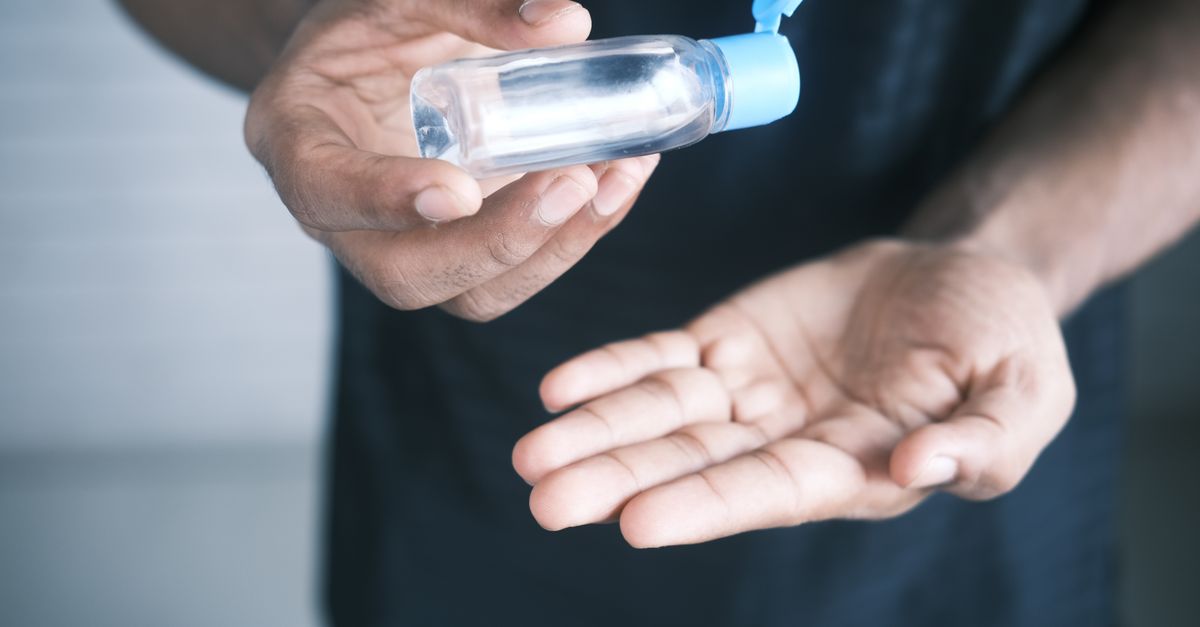
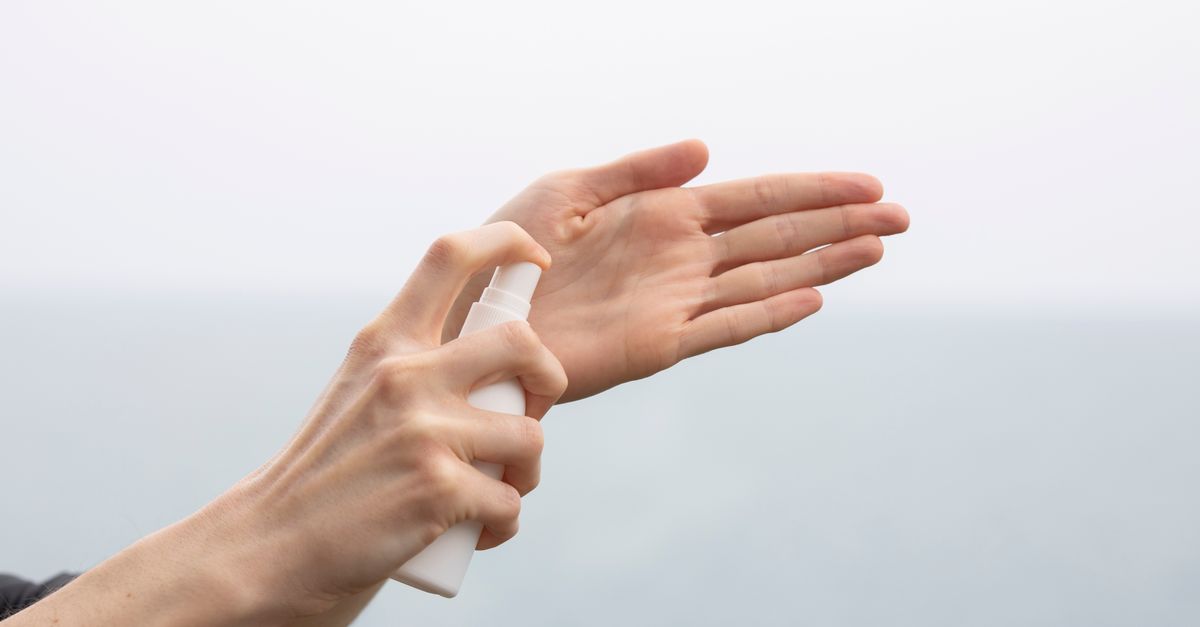
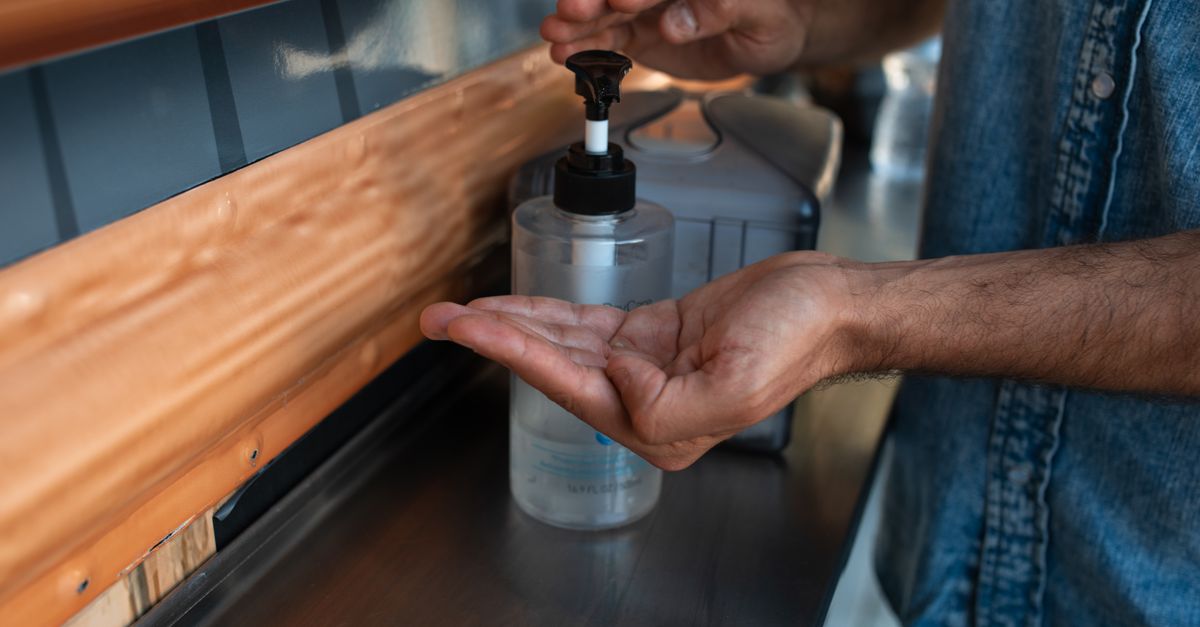
The biocidal efficacy of the product relies entirely on proper physical application. The user must dispense an adequate volume of the mist to thoroughly wet the entire surface of both hands, including the highly contaminated areas under the fingernails and between the webbing of the fingers. The user must then aggressively friction-rub their hands together continuously until the liquid has entirely evaporated. Wiping the alcohol off prematurely on a towel defeats the antimicrobial chemical action.
4. In-Depth Side Effects Analysis of Touchland Velvet Peach
Because the volatile ethyl alcohol rapidly evaporates from the skin surface, adverse reactions are strictly confined to localized dermatological responses resulting directly from the intense lipid-stripping chemical nature of the solvent.
Common Side Effects
The vast majority of side effects occur strictly on the application site. Frequent users routinely report localized skin dryness, minor epidermal scaling, and a distinct sensation of tautness immediately following the rapid evaporation of the alcohol. Mild localized erythema is virtually universal following repetitive daily exposure, as the harsh solvent violently strips the natural protective sebum from the stratum corneum.
Serious Side Effects You Should Report
Allergic contact dermatitis represents a serious complication requiring the immediate and permanent cessation of the product. If the user rapidly develops weeping skin blisters, severe burning pain, and swollen, red skin across the exposed area, an acute allergic response to the specific peach fragrance formulation or the alcohol denaturants is occurring. The patient must rinse the area continuously with cool water and seek immediate dermatological evaluation.
Rare Side Effects
In exceedingly rare instances, prolonged usage over many consecutive years has been documented to cause mild localized chemical depigmentation in sensitive individuals. Some highly sensitive users may experience a paradoxical localized hyperhidrosis, where the hands begin sweating excessively as the autonomic nervous system violently overcompensates to rehydrate the chemically stripped epidermal layers.
Side Effects That Usually Do Not Require Medical Attention
A sharp, violent, but highly transient stinging sensation if the alcohol mist accidentally contacts a tiny preexisting paper cut, torn hangnail, or cuticle abrasion requires absolutely zero medical intervention. The intense stinging naturally subsides within a few seconds as the alcohol rapidly evaporates entirely from the micro-wound.
| Side Effect Category | Specific Symptoms |
|---|---|
| Common | Profound skin dryness, minor scaling, transient stinging on cuts |
| Rare | Localized depigmentation, paradoxical hyperhidrosis |
| Severe Topical | Weeping skin blisters, severe ocular toxicity, contact dermatitis |
5. Accidental Exposure and Overdose with Alcohol Mist
A traditional systemic pharmacological overdose is scientifically impossible through standard topical hand sanitization. Accidental massive ingestion of the highly concentrated ethyl alcohol liquid represents a severe, potentially fatal toxicological emergency. Ingestion, particularly by a pediatric patient attracted to the bright color and peach scent, will rapidly induce profound central nervous system depression identical to severe alcohol poisoning.
Emergency management for ingestion requires immediate emergency medical transport. The pediatric patient will rapidly experience extreme lethargy, dangerous hypoglycemia, severe respiratory depression, and potentially fatal seizures. Ethyl alcohol does not typically require specific chemical antidotes, but the patient demands immediate aggressive supportive care, intravenous glucose, and potential mechanical ventilation until the liver completely metabolizes the toxic alcohol load.
6. Missed Application & What to Avoid While Using Touchland Sanitizer
In the context of environmental sanitization and daily hand hygiene, skipping a needed application allows for the continued proliferation and undetected transmission of severe bacterial and viral pathogens. The protocol requires the user to perform the hand sanitization procedure as soon as the lapse is realized, ensuring the hands remain fully wet until natural evaporation completely occurs.
Users must strictly avoid utilizing this highly concentrated mist on visibly soiled, muddy, or greasy hands. Ethyl alcohol is entirely incapable of physically washing away heavy organic debris, dirt, or bodily fluids. Applying sanitizer over heavy grime creates a sterile layer of mud while leaving the underlying pathogens entirely protected within the debris matrix. Traditional soap and water are an absolute biological necessity in these cases.
7. Chemical Interactions with Ethyl Alcohol
The biocidal efficacy of high-concentration ethyl alcohol is highly robust, but it can interact with certain topical medical agents. Patients must rigorously avoid applying this solvent immediately prior to or following the application of heavy prescription dermatological treatments or potent antiseptics like benzalkonium chloride. Stacking solvents acts as a severe penetration enhancer and can alter the intended absorption kinetics of the prescription medication.
Users must absolutely avoid mixing this alcohol-based mist directly with strong commercial cleaning chemicals, particularly concentrated household bleach or heavy industrial degreasers. Attempting to mix these volatile chemicals can trigger dangerous, uncontrolled chemical reactions and the rapid release of highly toxic, irritating respiratory gases.
8. Precautions, Safety & Duration of Action of Touchland Velvet Peach
The primary safety precaution for frequent users involves the rigorous use of high-quality medical barrier creams. Consistently applying an emollient ceramide lotion between extensive sanitizing sessions is the only definitive method to prevent the severe, cumulative contact dermatitis directly associated with the constant chemical stripping of the delicate epidermal lipid barrier.
The duration of the antimicrobial action is strictly limited entirely to the specific moment the hands are actively wet with the alcohol. Once the Touchland solution fully evaporates into the atmosphere, the hands are completely clean but possess absolutely zero residual, ongoing protective chemical barrier against new microbial contamination. Touching a contaminated doorknob immediately after sanitizing instantly negates the hygienic intervention.
9. How to Stop Using Touchland Velvet Peach & Storage/Disposal
There are zero physiological withdrawal considerations regarding the complete cessation of topical alcohol sanitizers. If the user develops contact dermatitis from the artificial fragrances or the alcohol itself, they must immediately stop utilizing the mist and transition entirely to gentle, non-medicated soap and water for all their daily hand hygiene needs.
To effectively maintain the highly volatile chemical stability of the active ingredient, proper storage is absolutely vital. The plastic spray bottle must be securely sealed and kept strictly out of direct sunlight or extreme vehicular heat. High temperatures will cause the volatile alcohol to evaporate rapidly, severely degrading the active chemical concentration and leaving behind an entirely useless, non-sanitizing liquid. Empty bottles must be recycled according to local municipal guidelines.
10. When to See a Doctor Following Alcohol Exposure
Immediate emergency medical evaluation is strictly required if any amount of the highly concentrated alcohol mist is atomized directly into the eye. The user must begin violently flushing the eye with cool, running water immediately and continue doing so en route to the emergency department. Delaying aggressive treatment for severe ocular alcohol exposure practically guarantees severe corneal scarring and potential permanent vision loss.
If a user develops a severe skin reaction on their hands that completely fails to improve after discontinuing the use of the harsh mist, or if the deeply cracked skin begins to ooze thick yellow pus and radiates severe heat, a secondary staphylococcal bacterial infection has successfully breached the damaged epidermal barrier. This presentation demands immediate dermatological assessment and targeted prescription antibiotics.
11. Frequently Asked Questions FAQ
1. Why do my hands sting so violently when I use this on a paper cut?
Ethyl alcohol is an incredibly harsh chemical solvent. When it comes into contact with the raw, unprotected nerve endings inside a micro-wound, it triggers the pain receptors, resulting in a severe, transient burning sensation.
2. Does this specific peach-scented mist kill stomach bug viruses like Norovirus?
Ethyl alcohol is highly effective against enveloped viruses like influenza, but it is clinically recognized to be highly ineffective against tough, non-enveloped viruses like Norovirus. You must use harsh soap and water to wash Norovirus down the drain.
3. Will this spray permanently dry out my skin?
While the immediate effect strips your skin of its protective oils, your body naturally replenishes sebum. Using a moisturizing hand cream at night will completely reverse the temporary chemical dryness.
4. Is it safe to spray this directly on my face to clean my skin?
Absolutely not. You must never spray high-concentration alcohol on your delicate facial skin. It will cause severe chemical irritation, violent eye pain, and massive breakouts due to the absolute destruction of your skin barrier.
5. What happens if I spray my hands and then immediately wipe them dry on my jeans?
You have completely defeated the purpose of the chemical. The alcohol requires several uninterrupted seconds of physical contact time while wet to actually destroy the bacterial cell walls.
6. Can I use this mist to clean my smartphone screen or keyboard?
It is highly discouraged. High-concentration ethyl alcohol can rapidly strip and permanently destroy the specialized oleophobic protective coatings applied to modern touchscreen devices.
7. Why does the bottle carry a massive warning about flammability?
The liquid contains over sixty percent volatile alcohol, making it highly combustible. If you apply it near an open flame, spark, or lit cigarette before it dries, your hands can literally catch on fire.
8. Is it safe to leave this small bottle in a hot car during the summer?
No. Extreme heat causes the alcohol to expand and rapidly evaporate. It can potentially cause the pressurized plastic bottle to burst, or at minimum, it will severely degrade the sanitizing power of the liquid.
9. What should I do if my toddler sprays this sweet-smelling liquid directly into their mouth?
You must contact emergency services or poison control immediately. The high alcohol content can rapidly induce severe, life-threatening alcohol poisoning in a small child.
10. Can I mix this spray with my daily hand lotion to make it less drying?
No. Mixing this highly calibrated mist with any other product dilutes the active alcohol concentration below the required biocidal threshold, completely ruining its ability to kill pathogens.
12. Bibliography
Disclaimer: The content is for informational purposes only and does not replace medical advice. Always consult your doctor or pharmacist for personalized treatment.