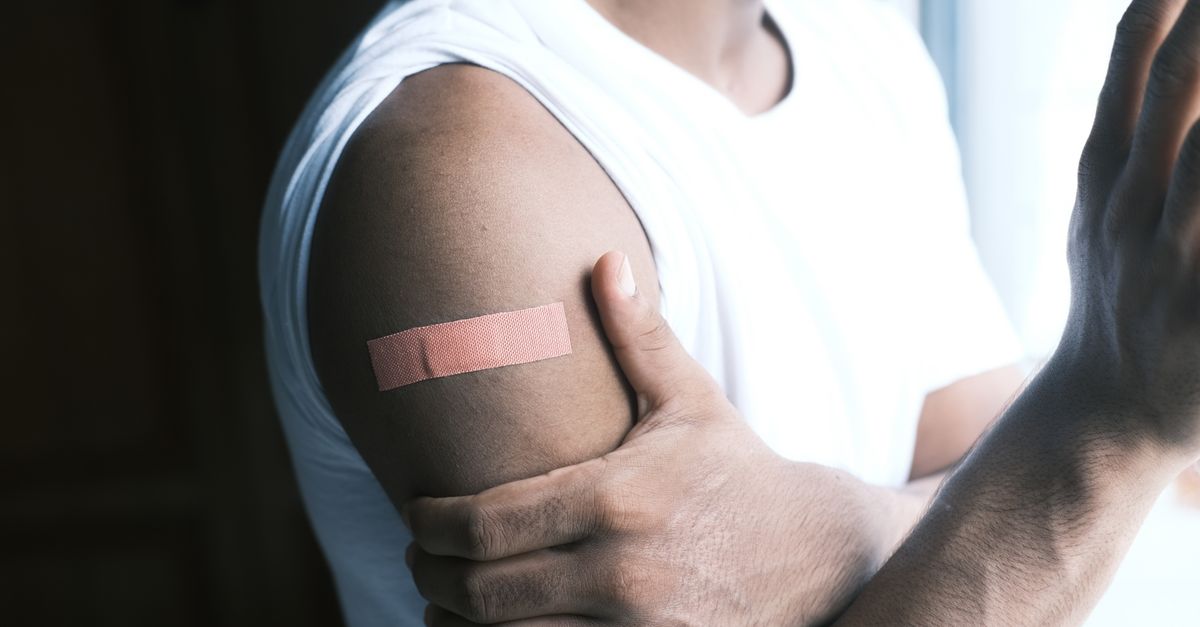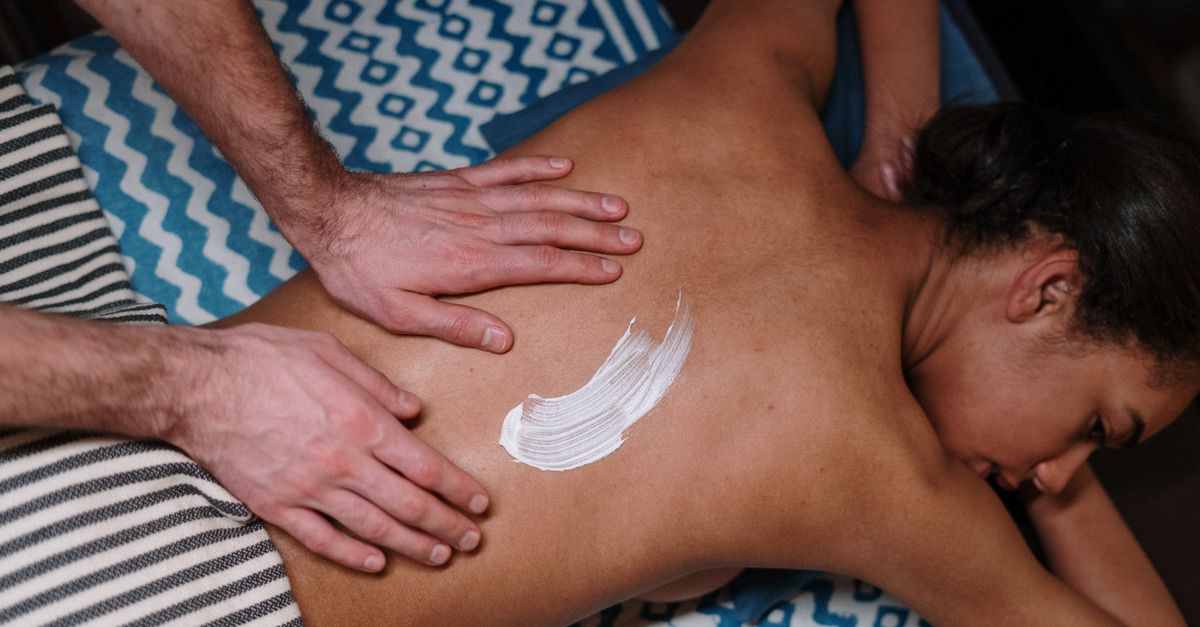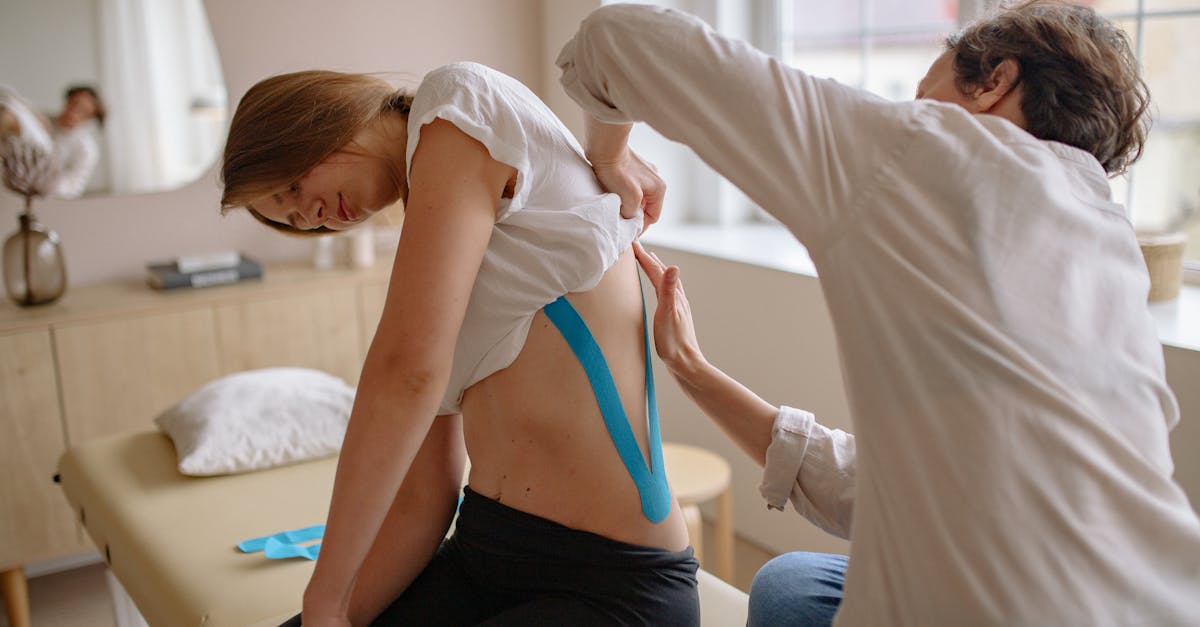
1. Introduction and Mechanism of Action for Lidothol Es Patch
Lidothol Es Patch is a specialized, extra-strength transdermal system indicated strictly for the temporary, localized relief of severe musculoskeletal and neuropathic pain. The most notable side effect experienced by patients is application site erythema, characterized by localized redness and an intense cooling or burning sensation beneath the adhesive. This transdermal formulation delivers a potent dual-action therapeutic effect directly to the peripheral nervous system, bypassing the digestive tract entirely to minimize systemic drug exposure.
The mechanism of action relies heavily on the highly synergistic properties of a transient receptor potential vanilloid agonist and an amide-type local anesthetic. Menthol acts as a potent chemical counterirritant. It selectively stimulates specific cold-sensitive receptors in the skin, producing a profound cooling sensation that neurologically overrides and distracts the central nervous system from deep, underlying pain signals.
Simultaneously, the high-concentration lidocaine component stabilizes the local neuronal membrane. It achieves this blockade by directly inhibiting the voltage-gated sodium channels required for the initiation and conduction of severe pain impulses along the nerve fiber. While oral pain medications like diclofenac reduce systemic inflammation, this specialized patch provides immediate, targeted neurological blockade exclusively at the exact site of tissue injury.
2. Warnings and Before Applying Lidothol Es Patch
Prior to prescribing this highly potent topical therapy, clinicians must thoroughly verify that the patient does not possess a known, documented hypersensitivity to amide-type local anesthetics or menthol derivatives. Applying the extra-strength patch to broken, inflamed, blistered, or actively bleeding skin is strictly contraindicated. A compromised epidermal barrier drastically accelerates the systemic absorption of the active ingredients, creating a severe, highly lethal risk for cardiovascular toxicity.
Patients undergoing magnetic resonance imaging must be explicitly warned to completely remove all transdermal patches before entering the scanning environment. The physical backing of the patch contains trace metallic elements that actively conduct thermal energy during the intense magnetic scan, resulting in severe, localized second-degree burns directly beneath the application site.
Furthermore, extreme clinical caution is required regarding external heat sources. Patients must be heavily warned never to apply heating pads, hot water bottles, or tightly restrictive clothing directly over the applied patch. External heat aggressively dilates localized blood vessels and drastically alters the permeability of the skin, causing a rapid, uncontrolled surge of anesthetic into the systemic circulation.
3. Indications and Dosage Guide for Lidothol Es Patch
This extra-strength transdermal patch is FDA-approved exclusively for the management of localized pain originating from severe muscular strains, chronic arthritic joint pain, and specific peripheral neuropathies. It is frequently utilized in advanced pain management protocols when oral analgesic therapies are either clinically ineffective or poorly tolerated due to severe gastrointestinal side effects.
The standard clinical dosage protocol involves applying the patch directly to the most painful area of intact skin for a maximum of twelve hours within a single twenty-four-hour period. The strict twelve-hour on and twelve-hour off cycle is absolutely mandatory. This essential resting phase allows the skin to recover from the potent adhesive and entirely prevents the dangerous, continuous systemic accumulation of the local anesthetic.
Before application, the designated skin area must be entirely clean, completely dry, and entirely free of cosmetic lotions or chemical oils. Hair in the application area must be gently clipped close to the skin with scissors rather than shaved, as shaving micro-abrades the epidermis and artificially increases drug absorption. The patch must be pressed firmly onto the skin to ensure the entire active matrix makes solid contact.
4. In-Depth Side Effects Analysis of Lidothol Es Patch
While the transdermal delivery mechanism inherently minimizes systemic side effects, localized dermal reactions are exceptionally prevalent due to the potent pharmacological nature of the active ingredients.
Common Side Effects
The vast majority of adverse reactions are strictly confined to the dermal application site. Patients frequently report significant erythema, localized pruritus, and a distinct, intense sensation of deep cooling or minor burning upon initial application. These localized reactions are a direct, expected pharmacological response to the menthol component actively stimulating local nerve endings. These symptoms generally subside as the local anesthetic effect establishes full blockade.
Serious Side Effects you should report
Systemic absorption, though highly uncommon when strictly following application protocols, can provoke severe, life-threatening cardiovascular and neurological events. Patients must immediately report a highly irregular heartbeat, sudden severe dizziness, or profound drowsiness. Severe blistering, deep tissue ulceration, or a rapidly spreading rash extending far beyond the patch borders indicates a dangerous chemical burn or severe immunological hypersensitivity.
Rare Side Effects
In highly rare clinical circumstances, typically involving the simultaneous application of multiple extra-strength patches, patients have developed systemic local anesthetic toxicity. This severe condition manifests as visual disturbances, severe tinnitus, intractable muscle twitching, and in extreme cases, generalized convulsions. Methemoglobinemia, a rare blood disorder severely reducing oxygen delivery, has been associated with heavy amide anesthetic use.
Side effects that usually do not require medical attention
Transient blanching of the skin upon removal of the patch or a lingering, mild cooling sensation is completely benign. These minor effects reflect the temporary lingering presence of the counterirritant in the highly superficial dermal layers and generally resolve within hours of removal.
| Side Effect Category | Specific Symptoms |
|---|---|
| Dermatological | Erythema, intense burning, pruritus, mild flaking |
| Neurological | Rare severe dizziness, tinnitus, muscle twitching |
| Cardiovascular | Irregular heartbeat, dangerous hypotension |
| Immunological | Deep blistering, severe rash, facial swelling |
5. Overdose Symptoms and Management for Lidothol Es Patch
An overdose via the transdermal route is highly dangerous and typically results entirely from gross clinical negligence, such as applying excessive heat directly to the patch or entirely ignoring the mandatory twelve-hour removal schedule. Toxicity results strictly from heavily elevated serum lidocaine levels. Early warning signs escalate rapidly from perioral numbness and a metallic taste to severe central nervous system agitation and deep cardiovascular collapse.
If an overdose is strongly suspected, the immediate, life-saving priority is the complete, rapid removal of all patches from the patient’s skin. The affected dermal areas must be gently cleansed with cool water to halt any further drug absorption. Vigorous scrubbing or the use of chemical solvents must be strictly avoided as this further degrades the epidermal barrier.
Emergency medical intervention is absolutely mandatory for systemic symptoms. Clinical management involves highly rigorous cardiovascular and respiratory support. In severe clinical scenarios where cardiac arrest is imminent or intractable seizures develop, the immediate intravenous administration of lipid emulsion therapy is the gold standard. The lipid molecules act as a pharmacological sink, aggressively binding the circulating anesthetic and pulling it away from the heart.
6. Missed Dose and What to avoid while taking Lidothol Es Patch
If a patient forgets to apply a patch at their strictly scheduled time, they should apply it as soon as they remember. However, the mandatory maximum duration of twelve hours must still be rigorously observed from the exact time of application, followed by the mandatory twelve-hour patch-free interval. Overlapping schedules to compensate for a missed application strictly violates safety protocols and heavily increases the risk of fatal toxicity.
Patients must strictly avoid applying any other topical agents, such as muscle rubs, moisturizing lotions, or chemical sunscreens, to the treated skin area simultaneously. These external chemical agents can severely alter the permeation kinetics of the active ingredients, rapidly accelerating absorption to highly toxic, systemic levels.
Furthermore, contact with the eyes and mucous membranes must be entirely avoided. Menthol is a highly severe chemical irritant to ocular tissue and causes intense chemical conjunctivitis. Patients must practice highly rigorous hand hygiene, thoroughly washing their hands with soap and water immediately after applying, adjusting, or discarding the transdermal system.
7. Drug and Alcohol Interactions with Lidothol Es Patch
Despite the highly localized delivery, systemic drug interactions remain a severe clinical possibility if absorption limits are heavily breached. Concomitant use with Class I antiarrhythmic drugs, such as mexiletine or tocainide, requires extreme clinical caution. These specific medications share identical metabolic pathways and potent cardiac depressant properties with lidocaine, creating a highly dangerous risk for additive, lethal cardiac toxicity.
Patients receiving multiple local anesthetics for advanced dental or surgical procedures must explicitly inform their physician about their extra-strength patch usage. The cumulative dose of amide anesthetics from all combined medical sources must be meticulously calculated by the anesthesiologist to prevent exceeding safe, non-toxic serum thresholds.
Alcohol consumption does not chemically interact with the localized dermal delivery mechanism. However, heavy systemic intoxication profoundly depresses the central nervous system and severely blunts sensory perception. A highly intoxicated patient may completely fail to recognize a developing, severe chemical burn or massive dermal irritation occurring directly beneath the adhesive matrix.
8. Precautions, Safety, and Duration of Action of Lidothol Es Patch
The therapeutic onset of action is generally highly rapid, with the intense cooling effect presenting within minutes of application. The profound localized anesthetic blockade develops progressively over the first thirty minutes. This localized analgesia is sustained completely continuously throughout the twelve-hour application window and frequently provides residual relief well into the resting phase.
Precautions regarding patient mobility and clothing are necessary. Tight, highly restrictive clothing worn directly over the patch can increase friction, leading to premature detachment or intensified, severe local skin irritation. The patch must remain securely in place during daily activities, but patients must check it periodically to ensure the edges have not folded or curled.
Specific safety measures apply strictly to geriatric populations. The aging epidermis is inherently vastly thinner and highly fragile, drastically increasing susceptibility to severe contact dermatitis and dangerously enhanced systemic drug absorption. Clinicians must closely monitor the application site in elderly patients for early signs of rapid skin breakdown.
9. How to stop taking Lidothol Es Patch and Storage Guidelines
Therapy can be terminated instantly without requiring any pharmacological tapering protocol whatsoever. The highly localized nature of the drug completely prevents the development of physiological dependency or central nervous system withdrawal syndromes. Upon permanent cessation of therapy, patients will simply notice a gradual return of their severe baseline neuropathic pain as the local nerve endings regain full sensitivity.
Environmental stability requires strict storage adherence. Unopened patches must remain completely sealed in their child-resistant foil pouches at controlled room temperature. They must be strictly shielded from freezing temperatures, high humidity, and direct sunlight to prevent the degradation of the menthol component and the breakdown of the potent adhesive matrix.
Disposal represents a highly significant safety hazard. A discarded patch retains a massive concentration of the active drug in the matrix. Used patches must be folded firmly in half, adhesive sides pressed tightly together, to lock the medication away. They must be immediately disposed of in a highly secure waste receptacle completely inaccessible to children and domestic animals.
10. When to see a doctor
Medical reevaluation is mandatory if the severe localized musculoskeletal pain persists entirely unchanged or worsens after seven days of continuous, correct transdermal therapy. The failure of the highly potent localized treatment strongly suggests a more severe underlying structural injury, such as a severe ligament tear or occult fracture, requiring advanced diagnostic imaging.
Patients must consult a physician immediately if they develop severe dermatological complications such as deep, fluid-filled blistering, weeping skin lesions, or signs of secondary bacterial infection at the application site. These symptoms mandate the immediate, permanent cessation of the patch and the initiation of highly specific wound care.
Finally, seeking urgent emergency care is absolutely critical if the patient experiences sudden shortness of breath, profound lethargy, or uncontrolled, severe muscle twitching. These are the hallmark, highly dangerous signs of systemic lidocaine toxicity, requiring immediate, life-saving intervention in an emergency department.
Frequently Asked Questions (FAQ)
1. Can I wear the extra-strength patch for more than twelve hours to get better relief?
Absolutely not. The strict twelve-hour on and twelve-hour off schedule is medically required to prevent highly dangerous systemic toxicity and severe, permanent skin damage.
2. Can I use a hot water bottle over the patch to help my back muscle relax?
Applying any form of heat over the patch is strictly forbidden. Heat drastically dilates your blood vessels, causing a massive, highly lethal surge of the medication into your bloodstream.
3. Is it safe to cut the patch into smaller pieces to fit my elbow?
Yes. You may carefully cut the patch to fit the exact size of the painful area before removing the protective release liner from the adhesive.
4. Why does it burn so intensely when I first apply it?
The intense burning or cooling sensation is the intended pharmacological reaction caused by the extra-strength menthol stimulating your nerve endings before the lidocaine actively numbs them.
5. What should I do if the patch falls off after only four hours?
If a patch falls off entirely, you may apply a new one, but you must still adhere strictly to the original twelve-hour removal schedule to maintain the required daily resting period.
6. Can I apply the patch directly over a severe scrape or cut?
No. The patch must only be applied to perfectly intact, completely healthy skin. Applying it to damaged skin allows the highly potent drug to surge rapidly into your blood.
7. How should I dispose of the patch so my dog doesn’t eat it?
Fold the patch firmly in half with the highly sticky sides pressed together and discard it immediately in a heavy, secure trash bin completely away from pets. Chewing a patch is highly fatal to animals.
8. Can I take a hot shower while wearing the patch?
It is strongly recommended to keep the patch completely dry. Brief showering is acceptable, but soaking in hot water destroys the adhesive and highly increases dangerous drug absorption.
9. Will this medication cause me to feel dizzy or sleepy during the day?
Systemic side effects like severe dizziness are highly unlikely if the patch is applied correctly, as the potent medication is explicitly formulated to stay entirely within the local skin tissues.
Bibliography
Disclaimer: The content is for informational purposes only and does not replace medical advice. Always consult your doctor or pharmacist for personalized treatment.