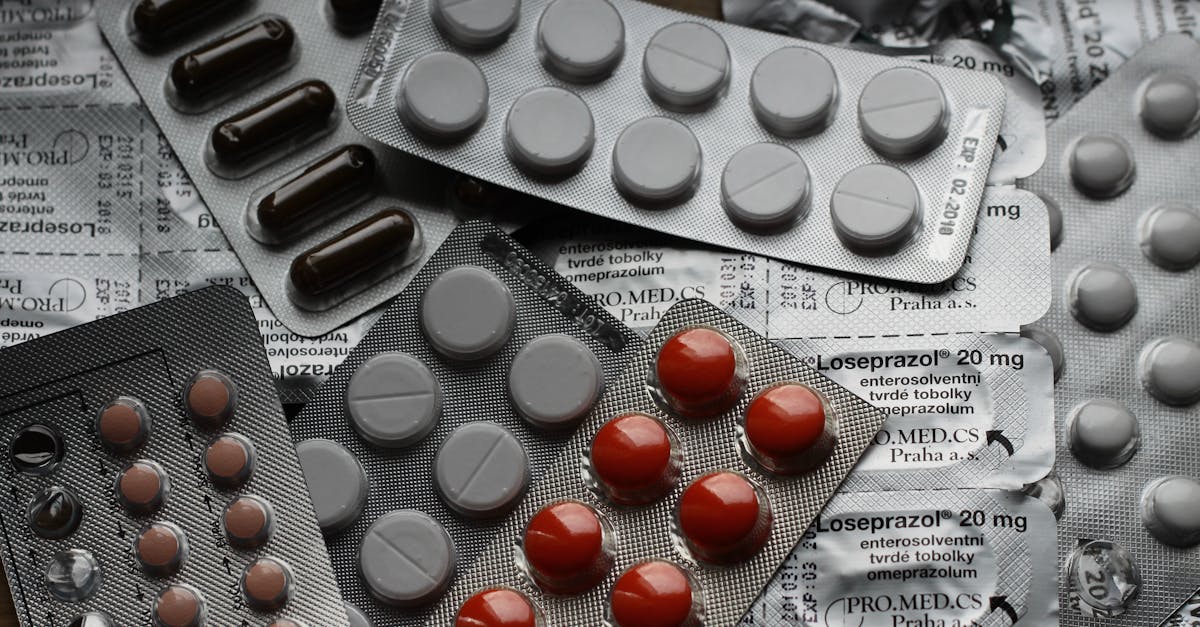
Basic Care Berry Antacid Hbg is a dual-action oral medication combining an inorganic antacid with a mechanical anti-foaming agent to relieve heartburn and abdominal bloating. The most commonly reported side effects include mild constipation from the calcium component and excessive belching as the trapped gas is released from the digestive tract.
1. Introduction & Mechanism of Action of Dimethicone and Calcium Carbonate
This combination medication provides highly effective, rapid relief from gastrointestinal distress by engaging two distinct, localized physical mechanisms within the stomach lumen. Calcium carbonate is a simple inorganic salt that acts as a potent chemical neutralizer. Upon ingestion, it dissolves in the highly acidic gastric juices. The carbonate molecules react instantly with the free hydrogen ions present in the stomach acid, producing calcium chloride, water, and carbon dioxide gas as entirely harmless byproducts. This rapid chemical reaction drastically elevates the gastric pH, immediately extinguishing the burning sensation associated with severe acid reflux.
Simultaneously, the second active ingredient, dimethicone, addresses the gaseous byproducts of digestion and the antacid reaction itself. Dimethicone is an inert silicone polymer that functions strictly as an anti-foaming agent. It operates by significantly reducing the surface tension of gas bubbles trapped within the thick mucus of the gastrointestinal tract.
By lowering this surface tension, dimethicone forces hundreds of small, painful, isolated bubbles to coalesce into much larger gas pockets. These larger pockets are easily and comfortably expelled from the body through natural belching or flatulence. Together, these two compounds extinguish the caustic acid while preventing the painful abdominal distension that frequently accompanies rapid acid neutralization.
2. Warnings & Before Taking Basic Care Berry Antacid Hbg
Patients must exercise extreme clinical caution if they possess a documented history of severe renal impairment or chronic kidney disease. The kidneys are primarily responsible for filtering and safely excreting excess calcium from the systemic bloodstream. In patients with compromised renal function, consuming high doses of calcium carbonate can rapidly precipitate severe hypercalcemia, leading to catastrophic calcification of soft tissues and potentially fatal cardiac arrhythmias.
Individuals with a known history of forming calcium-based renal calculi, commonly known as kidney stones, must consult a urologist before utilizing this medication. Chronic, daily ingestion of supplemental calcium significantly elevates the concentration of calcium excreted in the urine, drastically increasing the mathematical probability of crystal formation and excruciating renal colic.
Furthermore, patients experiencing symptoms such as severe, radiating chest pain accompanied by profuse sweating and shortness of breath must never assume the discomfort is merely severe heartburn. These are hallmark symptoms of an acute myocardial infarction. Antacids will not resolve ischemic cardiac pain, and relying on them dangerously delays emergency, life-saving cardiac intervention.
3. Indications & Dosage Guide for Dual-Action Antacids
Basic Care Berry Antacid Hbg is indicated exclusively for the temporary, on-demand relief of heartburn, acid indigestion, sour stomach, and the painful abdominal pressure caused by excess gas. For patients suffering from severe, chronic erosive esophagitis requiring twenty-four-hour continuous acid suppression, a physician will typically prescribe a targeted histamine blocker such as famotidine.
The standard therapeutic dosage for adults and adolescents over twelve years of age typically ranges from two to four chewable tablets taken as symptoms actively occur. The tablets must be chewed completely and thoroughly before swallowing to maximize the surface area of both the calcium salt and the silicone polymer, ensuring rapid, complete chemical neutralization and defoaming action.
Patients must strictly adhere to the maximum daily dosage limits printed on the packaging, which generally restricts intake to a maximum of seven thousand milligrams of calcium carbonate in a single twenty-four-hour period. Furthermore, continuous daily over-the-counter use must not exceed fourteen consecutive days without a direct, comprehensive clinical evaluation by a healthcare provider.
4. In-Depth Side Effects Analysis of Dimethicone and Calcium Carbonate
While dimethicone is entirely inert and unabsorbed, the massive introduction of inorganic calcium salts into the digestive tract carries a specific profile of adverse physiological reactions.
Common Side Effects
The most prevalent adverse reaction is strictly localized to the gastrointestinal tract. Patients frequently report mild to moderate constipation, as calcium salts directly and aggressively slow down natural colonic motility. Additionally, despite the dimethicone, the massive chemical neutralization process produces significant amounts of carbon dioxide gas, leading frequently to a temporary sensation of fullness and increased belching.
Serious Side Effects You Should Report
Patients must immediately report severe neurological or muscular symptoms indicative of systemic hypercalcemia. These critical signs include severe, unremitting nausea, extreme muscular weakness, profound confusion, severe lethargy, and a dangerously irregular heartbeat. The sudden onset of excruciating flank pain accompanied by bloody urine strongly indicates the formation of a renal calculus requiring immediate emergency intervention.
Rare Side Effects
A rare but extremely dangerous complication of chronic overuse is milk-alkali syndrome. This condition is characterized by the triad of severe hypercalcemia, metabolic alkalosis, and acute kidney injury. It occurs when massive quantities of calcium carbonate are consumed alongside large volumes of dairy, leading to the toxic precipitation of calcium in the delicate renal tubules.
Side Effects That Usually Do Not Require Medical Attention
Transient episodes of minor stomach cramping immediately following ingestion and a temporary chalky taste lingering in the oral cavity are standard physical responses to the chewable tablets and resolve entirely without medical assistance.
| Side Effect Category | Specific Symptoms |
|---|---|
| Gastrointestinal | Constipation, temporary fullness, excessive belching |
| Renal (Toxicity) | Flank pain, bloody urine, acute kidney injury |
| Metabolic (Severe) | Profound confusion, muscular weakness, irregular heartbeat |
5. Overdose Risks with Calcium and Dimethicone Combinations
An acute overdose of this combination medication is a serious medical event entirely driven by the calcium component, as dimethicone remains biologically inert regardless of the dose. Ingesting massive quantities of calcium carbonate rapidly impacts the cardiovascular and neurological systems due to the massive influx of elemental calcium into the systemic bloodstream.
The clinical presentation of severe hypercalcemia includes profound confusion, severe dehydration due to calcium-induced diuresis, intractable vomiting, and extreme muscular hypotonia. The absolute most critical danger lies in the cardiovascular system, where excessively high serum calcium levels severely disrupt the heart’s electrical conduction system, precipitating dangerous bradycardia and potentially fatal ventricular arrhythmias.
If a supratherapeutic ingestion is suspected and the patient displays profound weakness or severe confusion, emergency medical services must be contacted immediately. Clinical management in a hospital setting focuses entirely on aggressive intravenous saline hydration to force the kidneys to excrete the excess calcium, often accompanied by the administration of loop diuretics to accelerate the vital clearance process.
6. Missed Dose & What to Avoid
Because this combination antacid is utilized entirely on an as-needed, symptom-driven basis, the concept of a clinically missed dose is completely irrelevant. The patient should simply chew the medication when acute acid-related or gas-related discomfort returns, ensuring they never exceed the strict maximum daily limit regardless of symptom severity.
During therapy, patients must strictly avoid taking this medication concurrently with massive volumes of dairy products. Consuming immense amounts of milk alongside calcium carbonate drastically elevates the risk of developing milk-alkali syndrome, accelerating the onset of severe metabolic alkalosis and permanent renal calcification.
Patients must also rigorously avoid excessive consumption of highly acidic foods, heavily caffeinated beverages, and alcohol. These substances directly stimulate the parietal cells to produce vast quantities of new hydrochloric acid, severely undermining the temporary pharmacological neutralization provided by the medication and perpetuating the painful cycle of gastrointestinal damage.
7. Drug & Alcohol Interactions with Basic Care Berry Antacid Hbg
The pharmacokinetic interaction profile for calcium carbonate is notoriously extensive and clinically dangerous due to its reactive chemical nature. The elemental calcium binds directly to several critical prescription medications within the gastrointestinal tract, forming an insoluble complex that the human body physically cannot absorb. This process completely nullifies the clinical efficacy of tetracycline and fluoroquinolone antibiotics, leading to the potentially fatal therapeutic failure of severe systemic infections.
Furthermore, because the medication drastically elevates the gastric pH, it severely impairs the gastrointestinal absorption of drugs that strictly require a highly acidic environment to properly dissolve. Oral iron supplements, the antifungal ketoconazole, and thyroid hormone replacements like levothyroxine will fail to reach therapeutic blood levels if administered simultaneously with this antacid.
To actively mitigate these severe absorption interactions, strict clinical guidelines mandate an absolute minimum separation of two to four hours between the ingestion of calcium carbonate and any other oral prescription medication. There are no direct chemical interactions with alcohol, though alcohol severely exacerbates the underlying acid reflux pathology.
8. Precautions, Safety & Duration of Action
The onset of therapeutic acid neutralization and gas relief is exceptionally rapid, typically providing noticeable clinical relief within five to ten minutes following thorough mastication and swallowing. However, the duration of action is distinctly brief. The neutralizing effect generally lasts only thirty to sixty minutes before the stomach naturally secretes new hydrochloric acid, often necessitating repeated dosing for sustained comfort.
Geriatric populations require highly conservative usage. The elderly naturally experience a significant decline in renal clearance capabilities, making them markedly more susceptible to the toxic accumulation of systemic calcium. A physician should closely monitor any routine, daily use of this medication in patients over the age of sixty-five.
Pregnant women frequently utilize calcium carbonate as a first-line treatment for severe gestational heartburn. While generally considered highly safe and beneficial for fetal skeletal development when used at precise, recommended doses, pregnant patients must still consult an obstetrician to ensure their total daily calcium intake from prenatal vitamins and antacids does not exceed safe metabolic thresholds.
9. How to Stop Taking Basic Care Berry Antacid Hbg & Storage/Disposal
For patients utilizing the medication strictly for short-term over-the-counter symptom management, the chewable tablets can be stopped immediately and abruptly once the acute heartburn and gas resolve. There are absolutely no physical withdrawal symptoms or rebound physiological effects associated with discontinuing simple inorganic antacids and dimethicone.
The chewable tablets must be stored at a highly stable room temperature. They must be kept securely inside their original packaging, tightly shielded from extreme heat and highly humid environments. Ambient moisture easily degrades the physical integrity of the chalky tablets, causing them to crumble prematurely and lose their intended texture.
Disposal of unwanted medication requires standard household safety protocols. Unused tablets should be surrendered to a local pharmacy take-back program. If unavailable, the medication should be mixed with an unappealing substance, sealed in a discrete, non-transparent container, and discarded securely with regular household waste to prevent accidental ingestion by small children.
10. When to See a Doctor
Self-treatment with over-the-counter antacids must strictly not exceed fourteen consecutive days. If heartburn, severe indigestion, or painful abdominal distension persists continuously beyond this strict two-week window despite medication, clinical evaluation by a gastroenterologist is absolutely mandatory. Chronic symptoms strongly suggest severe underlying pathologies such as advanced erosive esophagitis or a actively bleeding peptic ulcer requiring targeted prescription therapy.
Immediate emergency medical attention must be sought if the patient experiences alarming signs of severe gastrointestinal hemorrhage. These critical symptoms include vomiting material that closely resembles dark coffee grounds, passing black and highly tarry stools, or experiencing sudden, agonizing, unremitting abdominal pain.
Furthermore, if the patient develops severe, unexplained confusion, profound muscular weakness, or suddenly passes red blood in their urine accompanied by extreme lower back pain, the medication must be discontinued instantly. A physician must evaluate the patient immediately for severe hypercalcemia or the acute passage of a sharp renal calculus.
Frequently Asked Questions (FAQ)
1. Can I swallow the tablets whole instead of chewing them to avoid the taste?
You must absolutely chew the tablets completely before swallowing. Swallowing them whole drastically reduces their surface area, severely preventing them from rapidly neutralizing the stomach acid and delaying your gas relief.
2. Will this combination medication interact with my daily thyroid medication?
Yes, the calcium in this tablet binds directly to thyroid medication in your stomach, completely preventing your body from absorbing it. You must separate the two medications by at least four full hours.
3. Is it safe to take this antacid every single day for months to prevent gas?
No, over-the-counter use must strictly not exceed fourteen days without a doctor’s supervision. Long-term daily use can cause severe kidney stones and dangerously high calcium levels in your blood.
4. Can the dimethicone in this medicine cause severe constipation?
Dimethicone is completely inert and does not cause constipation. However, the calcium carbonate component actively slows down natural muscle contractions in your colon, making mild to moderate constipation a very common side effect.
5. Does this medication permanently stop my stomach from producing new acid?
No, it only acts like a chemical sponge to neutralize the acid currently sitting in your stomach. It does not shut down the cellular pumps that produce new acid, meaning your heartburn may return.
6. Why do I feel the sudden urge to burp heavily right after chewing these tablets?
The chemical reaction that neutralizes the stomach acid produces carbon dioxide gas. Simultaneously, the dimethicone breaks up trapped gas bubbles. This combined action forces the gas to rapidly exit your stomach, causing excessive belching.
7. Can I take this medication with a massive glass of milk to coat my stomach?
You should rigorously avoid taking large amounts of milk with this specific antacid. Combining massive amounts of dairy and calcium carbonate can trigger a severe metabolic crisis that permanently damages your kidneys.
8. Is it entirely safe to use this medication if I have a history of severe kidney stones?
Patients with a history of calcium-based kidney stones must absolutely consult a urologist before use. Adding extra calcium to your system drastically increases the mathematical risk of forming new, agonizing stones.
Bibliography
Disclaimer: The content is for informational purposes only and does not replace medical advice. Always consult your doctor or pharmacist for personalized treatment.