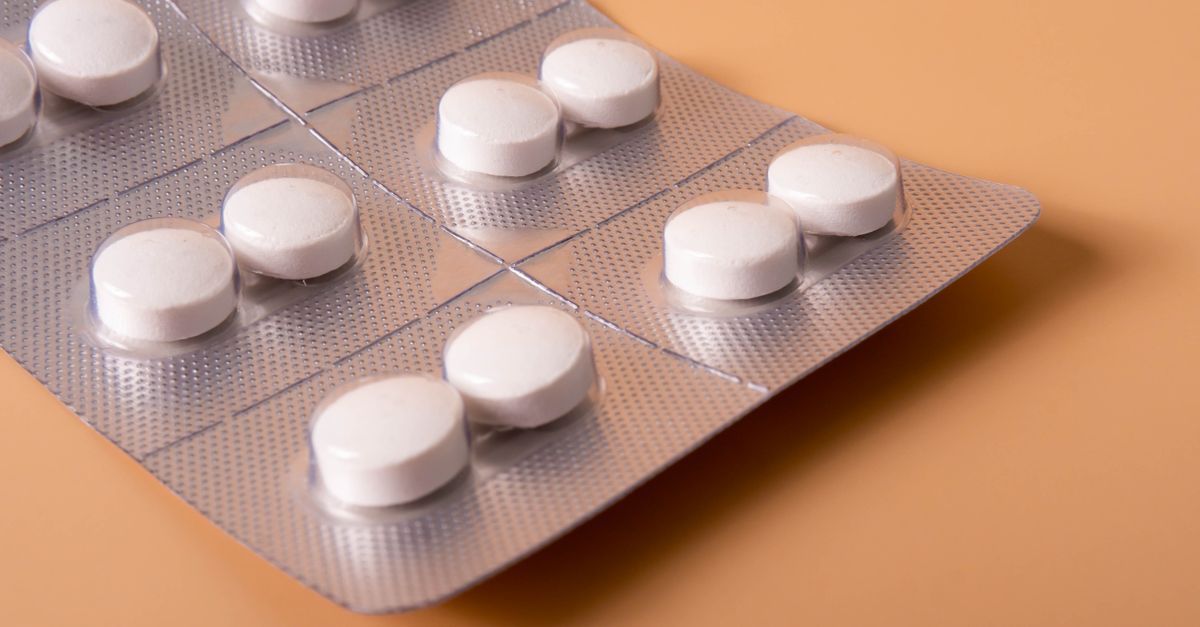
1. How Amazon Basic Care Acetaminophen Works in the Body
Amazon Basic Care Acetaminophen is a widely utilized analgesic and antipyretic medication designed to relieve mild to moderate pain and reduce fevers. Its most notable and critical side effect is potential hepatotoxicity, meaning it can cause severe liver damage if taken in excessive quantities. The medication primarily inhibits the cyclooxygenase pathway centrally within the brain and spinal cord to dampen pain signaling.
Unlike nonsteroidal anti-inflammatory drugs, acetaminophen possesses extremely weak peripheral anti-inflammatory properties and will not significantly reduce localized tissue swelling. It elevates the overall pain threshold by altering pain perception in the central nervous system. For its antipyretic function, the medication acts directly on the hypothalamic heat-regulating center, promoting vasodilation and subsequent heat dissipation to lower an elevated core body temperature.
2. Critical Liver Warnings Before Taking Acetaminophen
The most profound clinical danger associated with this medication is acute liver failure. Acetaminophen is metabolized heavily by the liver, and exceeding the recommended daily maximum dosage directly depletes the hepatic reserves of glutathione. This depletion allows a toxic metabolite known as NAPQI to accumulate, leading to rapid and potentially irreversible necrosis of liver tissue.
Individuals with a history of chronic liver disease, severe renal impairment, or chronic alcohol dependence must undergo a strict medical evaluation before using this medication. Consuming three or more alcoholic beverages per day while taking acetaminophen exponentially increases the risk of severe hepatotoxicity. Patients must diligently check all other concurrently used over-the-counter medications to ensure they are not accidentally combining multiple products that contain this same active ingredient.
3. Indications and Dosage Guide for Amazon Basic Care Acetaminophen
This pharmacological agent is indicated for the temporary relief of minor aches and pains associated with conditions such as headaches, muscle aches, backaches, minor arthritis pain, and the common cold. Accurate dosing is imperative for safety. The maximum daily limit for a healthy adult must never exceed four thousand milligrams in a twenty-four-hour period.
Doses should be spaced strictly four to six hours apart. The medication can be administered with or without food, as gastrointestinal absorption remains highly efficient either way. Pediatric dosing must be calculated entirely based on the exact weight of the child rather than their age, utilizing a precise medical measuring device for liquid formulations to prevent accidental toxicity.
4. In-Depth Side Effects Analysis of Acetaminophen
Common Side Effects
When administered within the strict therapeutic window, acetaminophen is exceptionally well-tolerated by the vast majority of the population. Standard gastrointestinal side effects are remarkably rare compared to other pain relievers. Occasionally, patients may experience mild nausea or a slight headache upon initial administration, which typically resolves rapidly without medical intervention.
Serious Side Effects You Should Report
Any signs indicating compromised hepatic function require immediate cessation of the drug and emergency medical care. Patients must vigilantly monitor for scleral icterus, which is the yellowing of the whites of the eyes, alongside dark urine, clay-colored stools, and severe right upper quadrant abdominal pain. Furthermore, sudden localized swelling, extreme fatigue, or unexplained bruising strongly suggest a dangerous systemic reaction.
Rare Side Effects
A uniquely rare but life-threatening dermatological reaction known as Stevens-Johnson syndrome has been documented in isolated clinical cases. This hypersensitivity reaction begins with flu-like symptoms and progresses to a widespread, painful blistering rash that rapidly sheds the epidermal layer. Acute generalized exanthematous pustulosis is another extraordinarily rare skin condition linked to this ingredient.
Side Effects That Usually Do Not Require Medical Attention
Minor and transient stomach upset that occurs immediately upon swallowing the pill is generally harmless and can be mitigated by taking subsequent doses with a small amount of food or a full glass of milk.
| Side Effect Category | Specific Symptoms |
|---|---|
| Hepatic Toxicity | Jaundice, dark urine, severe abdominal pain |
| Dermatological Reactions | Severe skin redness, blistering, skin peeling |
| General Hypersensitivity | Facial swelling, intense itching, difficulty breathing |
5. Identifying and Managing Acetaminophen Overdose
Acetaminophen overdose is a highly common toxicological emergency. The initial phase of an overdose is highly deceptive, as patients often remain entirely asymptomatic or exhibit only mild nausea, vomiting, and generalized lethargy during the first twenty-four hours. However, profound hepatic necrosis is actively occurring at the cellular level during this silent period.
If a supratherapeutic ingestion is suspected, emergency transport to a clinical setting is absolutely vital. The specific chemical antidote is N-acetylcysteine, which replenishes hepatic glutathione stores and neutralizes the toxic NAPQI metabolite. Administration of this antidote is highly time-sensitive and provides the highest survival rates when initiated within eight hours of the toxic ingestion.
6. Missed Doses and Combination Drugs to Avoid
Amazon Basic Care Acetaminophen is utilized strictly on an as-needed schedule for symptomatic relief. If a patient is following a timed regimen prescribed by a physician and misses a dose, they should take it as soon as possible. However, if the time is rapidly approaching the next scheduled interval, the missed dose must be skipped entirely.
Patients must strictly avoid combining this pain reliever with multi-symptom cold, flu, or sleep medications without verifying the active ingredients. A vast array of common pharmaceutical products contains hidden doses of this pain reliever, making unintentional toxic accumulation incredibly easy if labels are ignored.
7. Dangerous Drug and Alcohol Interactions with Acetaminophen
The concomitant consumption of ethanol is strictly prohibited. Alcohol induces specific hepatic enzymes that directly accelerate the conversion of the medication into its liver-destroying toxic byproduct. This dangerous metabolic synergy means even standard therapeutic doses can become toxic in chronic heavy drinkers.
This pain reliever can interact adversely with oral anticoagulants such as warfarin. Taking high doses of this analgesic for multiple consecutive days can elevate the international normalized ratio, heavily increasing the risk of uncontrolled bleeding. Hepatic enzyme inducers, including phenytoin and carbamazepine, also alter the metabolic clearance of the drug and raise the risk of liver damage.
8. Precautions, Safety Profile, and Duration of Action
The analgesic and antipyretic effects typically manifest within thirty to sixty minutes following oral administration and persist for approximately four to six hours. Because it lacks peripheral anti-inflammatory action, it provides no protective cardiovascular benefits and will not reduce severe joint swelling associated with rheumatoid arthritis.
Pregnant individuals frequently utilize this medication under medical supervision, as it is generally considered a highly safe first-line analgesic during gestation. However, clinical guidelines suggest utilizing the absolute lowest effective dose for the shortest possible duration to avoid any potential long-term fetal neurodevelopmental impacts.
9. How to Discontinue Acetaminophen and Storage Guidelines
Therapy can be abruptly discontinued the moment fever subsides or pain resolves without any physiological withdrawal symptoms. There is absolutely no need for a structured tapering schedule for this non-habit-forming analgesic.
The medication must be stored in a dry environment at controlled room temperature. Bathrooms are highly inappropriate storage locations due to fluctuating humidity and heat, which degrade the active compound. Ensure the bottle utilizes a child-resistant cap to eliminate the risk of pediatric poisoning.
10. When to Consult a Physician
Medical evaluation is mandatory if a fever persists beyond three days or if acute pain remains unresolved after ten consecutive days of administration for adults. Pediatric patients should not receive this medication for more than five days without explicit pediatric clearance. The development of a severe sore throat accompanied by a high fever and headache requires immediate clinical assessment to rule out severe bacterial infections.
Frequently Asked Questions (FAQ)
1. Can I take this medication for an upset stomach?
No. This medication is strictly a pain reliever and fever reducer. It contains no anti-nausea or antacid properties and will not resolve gastric distress.
2. Is it safe to take this alongside nonsteroidal anti-inflammatory drugs?
Generally, staggered use with nonsteroidal anti-inflammatory drugs is clinically acceptable for severe acute pain under the guidance of a doctor, as they are metabolized by completely different organ systems.
3. Why is it dangerous to drink alcohol with this medication?
Alcohol forces your liver to prioritize metabolizing the ethanol, while simultaneously increasing the enzymes that turn this medication into a highly toxic byproduct. This combination actively destroys liver tissue.
4. Can I chew the standard caplets for faster relief?
Standard caplets are formulated to dissolve precisely in the gastrointestinal tract. Chewing them yields an incredibly bitter taste and does not significantly expedite the clinical onset of action.
5. What should I do if I accidentally take two extra strength pills instead of one?
A single extra dose in a healthy adult is rarely fatal but requires strict avoidance of any further doses for at least eight to twelve hours. If you experience nausea or right-sided abdominal pain, seek emergency care immediately.
6. Does this medication reduce swelling from a sprained ankle?
No. While it will effectively block the perception of pain from the injury, it does not possess the anti-inflammatory mechanism required to physically reduce tissue swelling.
7. How quickly will my fever drop after taking a dose?
The hypothalamic regulation process typically begins within forty-five minutes, leading to noticeable sweating and a measurable drop in core body temperature shortly thereafter.
Bibliography
Disclaimer: The content is for informational purposes only and does not replace medical advice. Always consult your doctor or pharmacist for personalized treatment.