1. Introduction and Mechanism of Action of Amazon Basics Step 3 Treatment
Amazon Basics Step 3 Treatment is a topical dermatological agent containing benzoyl peroxide, primarily indicated for the treatment of acne vulgaris, with its most notable side effect being localized skin irritation and dryness. Benzoyl peroxide functions as a potent antimicrobial and keratolytic agent, directly targeting the primary physiological catalysts of acne formation.
Upon application to the epidermis, benzoyl peroxide rapidly decomposes to release free oxygen radicals. This localized oxygenation destroys Cutibacterium acnes, the anaerobic bacterium responsible for follicular inflammation and acne exacerbation. Unlike topical antibiotics, bacteria cannot develop genetic resistance to this oxidative mechanism, ensuring long-term therapeutic efficacy.
In addition to its bactericidal properties, benzoyl peroxide exerts a mild keratolytic and comedolytic effect. It actively promotes the shedding of dead skin cells within the sebaceous follicles. This continuous exfoliation prevents the physical impaction of sebum and cellular debris, thereby reducing the formation of both microcomedones and inflammatory papules.
2. Important Warnings Before Taking Benzoyl Peroxide
Prior to integrating benzoyl peroxide into a dermatological regimen, patients must be aware of its potent chemical properties. Individuals with highly sensitive skin, active eczema, or severe rosacea should avoid this treatment unless strictly monitored by a dermatologist. The medication severely compromises the epidermal barrier function in already inflamed tissues.
Patients with a documented history of severe contact dermatitis or hypersensitivity to benzoyl peroxide must entirely avoid this formulation. While true anaphylactic reactions are exceedingly rare, severe localized allergic reactions require immediate cessation of the product and clinical intervention.
Furthermore, benzoyl peroxide is a powerful bleaching agent. It will permanently alter the pigmentation of hair, colored fabrics, towels, and bed linens upon contact. Patients must exercise extreme physical caution during application and ensure the medication is fully absorbed and dried before dressing or sleeping.
3. Indications and Dosage Guide for Amazon Basics Step 3 Treatment
This topical medication is clinically indicated for the management of mild to moderate acne vulgaris. It is frequently utilized as a monotherapy or in conjunction with other dermatological treatments, such as topical retinoids, to manage inflammatory and non-inflammatory acne lesions across the face, chest, and back.
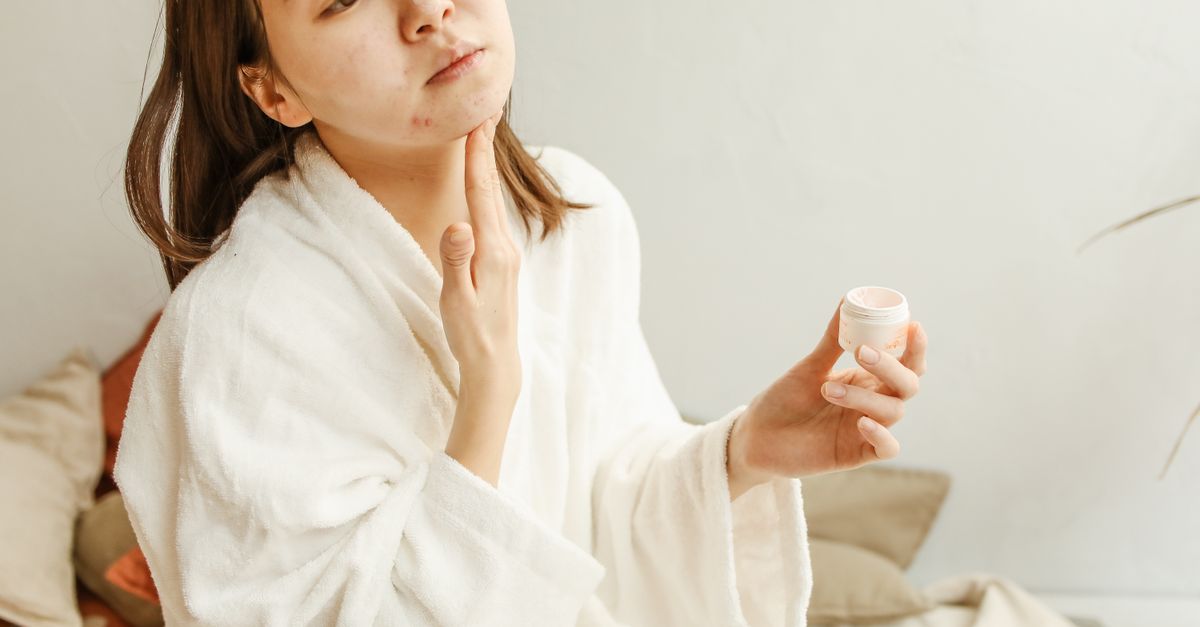
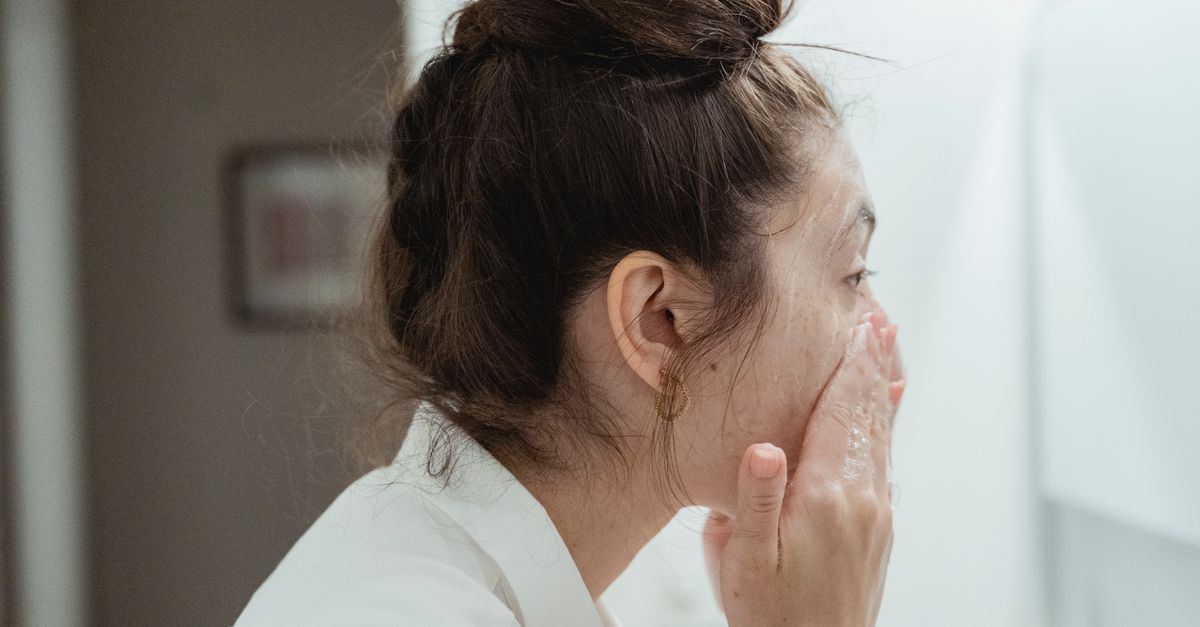
Proper application is critical for tolerability. Patients must begin by washing the affected area with a gentle, non-medicated cleanser and patting the skin completely dry. A thin film of the benzoyl peroxide treatment should then be applied solely to the areas affected by acne, avoiding normal, healthy skin.
To mitigate the initial harshness of the medication, clinical guidelines recommend a gradual introduction. Patients should apply the treatment once daily for the first week, preferably in the evening. If the skin tolerates the medication without excessive erythema or peeling, the dosage can be increased to twice daily, morning and night, to achieve maximum therapeutic benefit.
4. In-Depth Side Effects Analysis of Benzoyl Peroxide
Topical benzoyl peroxide acts aggressively on the epidermis. While systemic absorption is negligible, localized cutaneous adverse events are virtually expected during the initial phases of therapy as the skin undergoes retinization and barrier adaptation.
Common Side Effects
The most universally documented side effects include localized erythema, scaling, and varying degrees of epidermal desquamation. Patients frequently report a burning or stinging sensation immediately following application, accompanied by severe skin dryness and pruritus. These reactions are typically dose-dependent and peak within the first two weeks of continuous therapy.
Serious Side Effects You Should Report
Patients must seek clinical evaluation if they experience severe, painful blistering, severe cutaneous edema, or crusted lesions. A profound allergic contact dermatitis, characterized by intense redness and swelling that extends beyond the initial application site, dictates the immediate discontinuation of the medication and professional dermatological intervention.
Rare Side Effects
In highly isolated instances, prolonged application on heavily compromised skin has resulted in transient post-inflammatory hyperpigmentation, particularly in patients with darker skin phototypes. Systemic hypersensitivity reactions, presenting with systemic hives or respiratory distress, are theoretically possible but exceptionally rare.
Side Effects That Usually Do Not Require Medical Attention
Mild flaking of the skin and a tolerable, transient feeling of warmth immediately after application do not require medical consultation. These are standard physiological responses to the keratolytic nature of the compound and typically subside as cellular turnover normalizes.
| Side Effect Category | Specific Symptoms |
|---|---|
| Epidermal Barrier | Dryness, peeling, scaling, localized erythema |
| Sensory | Pruritus, transient burning, localized warmth |
| Severe Dermatological | Blistering, severe edema, contact dermatitis |
| Pigmentation | Bleaching of hair and fabrics, rare hyperpigmentation |
5. Amazon Basics Step 3 Treatment Overdose Symptoms and Management
Because benzoyl peroxide is strictly a topical agent with virtually zero systemic absorption, an internal, life-threatening overdose from standard dermal application is biologically impossible. The concept of an overdose with this medication strictly refers to excessive topical application.
Applying the medication too frequently, or using excessive quantities, leads to acute chemical irritation of the epidermis. Symptoms of a topical overdosage include extreme erythema, painful crusting, severe edema, and an inability to tolerate even bland moisturizers due to a severely compromised skin barrier.
Management of a topical overdose requires the immediate suspension of benzoyl peroxide. Patients should wash the area thoroughly with cold water and apply a thick, bland emollient to facilitate barrier repair. Reintroduction of the medication should only occur once the skin has completely healed, utilizing a significantly lower frequency of application.
6. Missed Dose Protocol and What to Avoid
If a patient misses a scheduled application, they should skip the missed dose entirely and apply the medication at the next regularly scheduled time. Applying a double layer of benzoyl peroxide to compensate for a missed application will aggressively spike localized irritation without providing any additional therapeutic benefit.
During therapy, patients must absolutely avoid concurrent use of harsh abrasive cleansers, alcohol-based astringents, and other peeling agents unless explicitly directed by a dermatologist. Combining benzoyl peroxide with medications containing salicylic acid or sulfur can easily push the skin into a state of severe contact dermatitis.
Sun exposure must be strictly regulated. Benzoyl peroxide thins the stratum corneum, rendering the underlying epidermis significantly more susceptible to ultraviolet radiation. Patients must avoid tanning beds entirely and apply a broad-spectrum, non-comedogenic sunscreen daily to prevent severe sunburns and photo-aging.
7. Drug and Alcohol Interactions with Benzoyl Peroxide
As a topically applied compound, benzoyl peroxide does not enter the systemic circulation in clinically relevant amounts. Consequently, it does not metabolically interact with orally administered medications, systemic antibiotics, or alcohol consumption.
However, topical interactions are highly significant. Applying benzoyl peroxide simultaneously with topical tretinoin degrades the retinoid molecule, neutralizing the efficacy of both medications. If a patient is prescribed both agents, dermatologists strongly recommend applying benzoyl peroxide in the morning and the retinoid at night.
Concurrent use with topical sulfonamide medications can cause a temporary, localized chemical reaction that turns facial hair and skin yellow or orange. Patients must carefully review all active ingredients in their topical cosmetics and therapeutic regimens before initiating therapy.
8. Precautions, Safety Profile, and Duration of Action
Benzoyl peroxide maintains an excellent safety profile for long-term acne management. Because it operates via oxidation rather than complex biological pathways, Cutibacterium acnes cannot mutate to resist the treatment. This makes it an ideal cornerstone for chronic acne management spanning months or years.
Pediatric use in children under the age of twelve requires a physician’s guidance, primarily due to the increased sensitivity of pre-adolescent skin. Pregnant individuals generally use benzoyl peroxide safely, but they must consult an obstetrician as clinical data regarding extensive maternal usage during gestation remains limited.
The bactericidal duration of action is relatively short-lived on the skin surface, necessitating daily application to maintain bacterial suppression. However, the keratolytic effects that unclog pores present a cumulative therapeutic benefit that sustains clearer skin over time.
9. How to Stop Using Amazon Basics Step 3 Treatment and Proper Storage
Patients can discontinue benzoyl peroxide abruptly at any time without experiencing physical withdrawal symptoms. However, ceasing the medication often results in a gradual return of acne lesions within three to six weeks as follicular bacteria repopulate and cellular turnover slows down.
Proper storage ensures the oxidative power of the chemical is maintained. The product must be stored tightly sealed at standard room temperature. Exposure to high heat or freezing temperatures degrades the formulation, leading to a loss of antimicrobial efficacy and potential separation of the chemical suspension.
Disposal of expired medication should be handled through household trash. The tube should be securely closed to prevent the bleaching agent from leaking onto surrounding fabrics or surfaces during the disposal process.
10. When to Consult a Doctor
Patients must schedule a dermatological consultation if their acne shows no objective signs of improvement after six to eight weeks of continuous, compliant use. Non-responsive acne often requires prescription-strength interventions, such as systemic antibiotics or oral isotretinoin.
Immediate medical assessment is required if the patient develops signs of a secondary bacterial infection at the application site, indicated by purulent discharge, increasing pain, or severe swelling. Severely compromised skin barriers occasionally invite opportunistic pathogens.
If the localized irritation, burning, or peeling becomes physically intolerable and disrupts daily life or sleep, a physician must be consulted. The dermatologist can prescribe concurrent topical corticosteroids or adjust the therapeutic regimen to rescue the epidermal barrier.
Frequently Asked Questions (FAQ)
1. Does benzoyl peroxide cause permanent skin bleaching?
No, it does not bleach or lighten the inherent pigmentation of human skin. It strictly bleaches fabrics, towels, and hair.
2. Should I apply this treatment strictly to active pimples?
While it can be used as a spot treatment, it is most effective when applied as a thin film over the entire acne-prone area to prevent new microcomedones from forming.
3. Why is my skin peeling so aggressively?
Peeling is a deliberate pharmacological effect of the medication. It acts as a keratolytic agent to force cellular turnover and unclog impacted sebaceous glands.
4. Can I use a moisturizer over the treatment?
Yes, applying a non-comedogenic, fragrance-free moisturizer after the benzoyl peroxide has completely dried is highly recommended to manage localized dryness and barrier disruption.
5. How long until I see results?
While some inflammatory lesions may shrink within days, comprehensive clearance of acne generally requires a minimum of four to six weeks of continuous daily therapy.
6. Can I use benzoyl peroxide if I am pregnant?
It is generally considered safe due to negligible systemic absorption, but formal clinical clearance must always be obtained from an obstetrician prior to use.
7. Does this medication cause sun sensitivity?
Yes, by exfoliating the top layer of dead skin cells, the newly exposed epidermis is significantly more vulnerable to ultraviolet damage and severe sunburns.
8. Is a higher percentage of benzoyl peroxide more effective?
Clinical studies show that lower percentages are highly effective at killing acne bacteria while causing significantly less irritation than higher concentrations.
9. Why does my face sting when I sweat?
Sweat can re-solubilize dried medication on the skin, causing a transient stinging sensation. Washing the face prior to heavy physical exertion can prevent this.
10. Can I wear makeup over this treatment?
Yes, makeup can be applied once the medication is completely dry. Ensure that all cosmetics used are non-comedogenic to prevent further pore impaction.
Bibliography
Disclaimer: The content is for informational purposes only and does not replace medical advice. Always consult your doctor or pharmacist for personalized treatment.