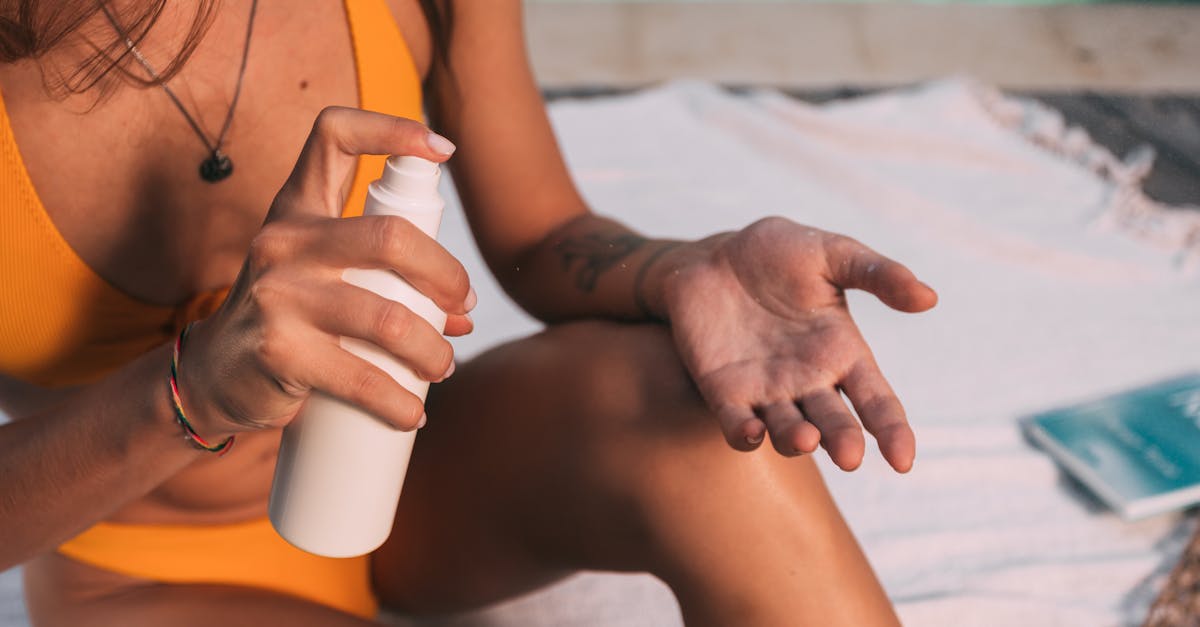
1. Introduction and Mechanism of Action of Spf 50 Dry Tropix
Spf 50 Dry Tropix With Fragrance is a high-level, broad-spectrum chemical sunscreen providing robust defense against ultraviolet radiation, with its most notable side effect being a heightened risk of allergic contact dermatitis due to the inclusion of synthetic fragrance. The formulation relies entirely on organic chemical filters, specifically avobenzone, homosalate, and octisalate, which function by absorbing high-energy ultraviolet rays directly within the upper layers of the epidermis.
Avobenzone serves as the primary defense against long-wave UVA radiation. UVA rays penetrate deeply into the dermal layers, contributing directly to premature photoaging, profound collagen degradation, and cellular DNA mutations. Upon absorbing this intense energy, avobenzone undergoes a reversible structural shift, safely converting the potentially harmful radiation into low-energy heat that is subsequently dissipated from the surface of the skin.
Because avobenzone is inherently photounstable under prolonged sunlight, homosalate and octisalate are heavily incorporated into the formulation. These two agents act as potent UVB absorbers, preventing the immediate cutaneous erythema associated with acute sunburn. Concurrently, they function as critical stabilizing solvents, ensuring the delicate avobenzone molecule remains intact and effective during periods of significant solar exposure.
2. Important Warnings Before Utilizing Fragranced Chemical Sunscreens
Patients with a documented history of highly sensitive skin, active rosacea, or severe cutaneous allergies must approach fragranced organic chemical sunscreens with strict clinical caution. The addition of synthetic fragrance significantly compounds the sensitization risk inherent to the complex ring structures of avobenzone, octisalate, and homosalate. Applying heavily fragranced chemicals to severely compromised skin barriers can rapidly induce a profound allergic contact dermatitis, significantly worsening the underlying inflammatory state.
This formulation must never be applied to deep puncture wounds, severe open lacerations, or second-degree thermal burns. Chemical sunscreens are designed exclusively for application on an intact stratum corneum. Introducing complex organic UV filters and fragrance molecules directly into deep, vascularized tissue bypasses the natural defensive mechanisms of the skin, provoking severe localized tissue toxicity.
Pediatric application requires specific adherence to dermatological guidelines. Chemical sunscreens must not be applied to infants under six months of age without explicit physician approval. The highly permeable nature of infant skin presents a theoretical risk of systemic chemical absorption, making purely physical barriers the required clinical standard for that specific demographic.
3. Indications and Dosage Guide for Spf 50 Sun Protection
This potent fragranced chemical combination is explicitly indicated for the prevention of sunburn and for maximal broad-spectrum protection against ultraviolet-induced skin damage. The Spf 50 rating heavily mitigates the risk of premature photoaging and the development of highly lethal cutaneous malignancies, including melanoma and squamous cell carcinoma.
Proper dermatological dosage dictates a thorough, uniform application. Most individuals severely under-apply sunscreens, substantially reducing the actual protection level achieved. A full ounce of the lotion must be applied evenly to all exposed areas of the body. This must occur approximately fifteen to thirty minutes prior to direct solar exposure to allow the chemical filters to fully absorb and stabilize within the epidermal layers.
Reapplication remains the absolute most critical factor in therapeutic success. Patients must aggressively reapply the formulation strictly every two hours during continuous outdoor sun exposure. Immediate reapplication is completely mandatory following heavy sweating, swimming, or abrasive towel drying, as these physical actions aggressively strip the protective chemical matrix directly off the epidermal surface.
4. In-Depth Side Effects Analysis of Fragranced UV Filters
While providing critical protection against lethal cutaneous malignancies during substantial exposure, the complex organic chemistry combined with synthetic fragrance yields a highly specific profile of localized adverse events.
Common Side Effects
The most universally documented adverse reaction is mild, localized contact dermatitis presenting as transient erythema, mild stinging, or localized pruritus upon initial application. The risk of these symptoms is notably higher in this specific formulation due to the presence of fragrance. Intense, painful stinging and severe tearing are almost universally experienced if the formulation accidentally migrates into the delicate mucosal tissues of the eyes.
Serious Side Effects You Should Report
Patients must immediately report rapid dermatological deterioration indicating a profound allergic reaction. The sudden emergence of rapidly spreading redness, intense vesicular blistering, or severe burning pain indicates an allergic contact dermatitis requiring the immediate cessation of the product. The development of widespread systemic hives or acute facial swelling demands emergency medical intervention for severe anaphylaxis.
Rare Side Effects
In isolated clinical instances, individuals may develop photoallergic contact dermatitis. In this rare immunological phenomenon, the chemical filters or fragrance components are entirely tolerated in darkness but structurally mutate upon intense exposure to UV light, triggering a severe localized immune response and an aggressive rash strictly on sun-exposed areas.
Side Effects That Usually Do Not Require Medical Attention
A transient sensation of localized warmth immediately upon applying the lotion to the skin is a standard physical property of the heavy solvents interacting with the epidermis and typically resolves within minutes without clinical intervention.
| Side Effect Category | Specific Symptoms |
|---|---|
| Dermatological | Erythema, intense pruritus, increased contact dermatitis |
| Ocular | Severe stinging, excessive tearing upon eye contact |
| Immunological | Fragrance-induced allergy, rare photoallergy |
| Systemic | Rare anaphylaxis or severe systemic hives |
5. Overdose Symptoms and Management for Chemical Sunscreens
A localized cutaneous overdose resulting from the standard topical application of this medication is biologically impossible on intact skin. The epidermis can only physically absorb a finite amount of the chemical filters. The primary medical emergency regarding overdosage strictly involves accidental oral ingestion, representing a significant risk particularly to unsupervised pediatric patients attracted by the tropical fragrance.
If a substantial quantity of the chemical sunscreen is swallowed, the patient will experience gastrointestinal distress, including intense nausea, repeated vomiting, and severe abdominal cramping. While the toxic threshold for systemic poisoning via oral ingestion is high, the ingestion of the thick lipid and solvent bases will forcefully induce profound diarrhea and subsequent dehydration.
Management of an accidental oral overdose mandates immediate contact with a local poison control center or rapid transport to an emergency department. Clinical management focuses entirely on supportive care, antiemetic therapy, airway protection, and the aggressive intravenous correction of fluid imbalances. Gastric lavage is generally completely ineffective and clinically contraindicated.
6. Missed Dose Protocol and What to Avoid
Because high-Spf sunscreen is utilized strictly as a preventative barrier during periods of high environmental risk, a rigid daily dosing protocol is entirely dependent on solar exposure. If a patient forgets to apply the formulation before going outside into intense sunlight, they must apply it immediately upon remembering. Failure to apply the chemical filters guarantees cumulative cellular DNA damage and highly painful erythema.
Patients must strictly avoid applying this fragranced formulation near the eyes or delicate mucosal membranes. The potent chemical filters and volatile fragrance compounds are highly toxic to the sensitive tissues of the cornea and conjunctiva. Accidental ocular exposure demands immediate, continuous massive irrigation with cool, sterile water.
Furthermore, patients must meticulously avoid relying completely on chemical sunscreens as their sole defense against intense UV radiation. The use of the Spf 50 lotion must be vigorously combined with avoiding the harsh midday sun, wearing densely woven protective clothing, and utilizing wide-brimmed hats to ensure comprehensive survival in high-UV environments.
7. Drug and Alcohol Interactions with Fragranced UV Filters
Systemic drug interactions are functionally non-existent when this specific high-concentration medication is utilized correctly on intact surface areas. The organic chemical filters do not enter the systemic bloodstream in high enough concentrations to metabolically interact with oral medications, systemic antibiotics, or cardiovascular drugs.
However, topical interactions require vigilant clinical observation. Patients must avoid applying potent topical medications, such as prescription retinoids or topical corticosteroids, simultaneously with the chemical sunscreen unless explicitly directed by a dermatologist. Mixing these potent active ingredients heavily alters the absorption kinetics and can severely destabilize the delicate avobenzone molecule. If severe contact dermatitis occurs due to the fragrance, the physician may prescribe topical hydrocortisone to resolve the acute inflammation.
There are absolutely no known pharmacokinetic interactions between topically applied avobenzone, homosalate, octisalate, and the consumption of oral alcohol.
8. Precautions, Safety Profile, and Duration of Action
This precise combination of chemical filters provides a highly robust safety profile for the immediate prevention of ultraviolet tissue damage during significant solar exposure. By effectively absorbing both UVA and UVB radiation, it serves as a frontline defense against highly prevalent forms of skin cancer. However, the presence of added fragrance necessitates enhanced precautions for patients with atopic dermatitis.
Pregnant and breastfeeding individuals are broadly encouraged by dermatologists to utilize broad-spectrum sunscreens daily. The profound lack of significant systemic absorption poses negligible risks to fetal development, whereas severe maternal sunburns trigger dangerous systemic inflammation. However, cautious patients frequently opt for fragrance-free or pure mineral options during gestation.
The clinical duration of action is notoriously brief. The chemical filters physically degrade and are structurally altered as they absorb UV energy. This biological reality completely mandates the strict two-hour reapplication rule to maintain a viable chemical defense grid on the skin’s surface.
9. How to Stop Using This Formulation and Proper Storage
Patients can abruptly discontinue the use of this specific chemical formulation at any time without experiencing physical withdrawal symptoms. However, ceasing UV protection entirely immediately exposes the patient’s cellular DNA to radiation damage during daylight hours. At the end of the day, the chemical residue and heavy fragrance must be thoroughly washed off the skin utilizing a gentle cleanser.
The lotion must be stored securely at standard room temperature, safely isolated from direct heat sources. Leaving chemical sunscreen in a hot vehicle or directly exposed on a sun-drenched beach towel can cause the emulsion to completely separate, completely destroying the complex chemical filters and rendering the formulation therapeutically useless.
Expired bottles of sunscreen must be discarded securely. The chemical filters aggressively degrade past their expiration date, entirely losing their ability to absorb high-energy UV rays and offering a highly dangerous false sense of security.
10. When to Consult a Doctor
Patients must schedule an immediate clinical evaluation if they experience a severe, blistering sunburn despite the ostensibly correct, heavy application of the Spf 50 sunscreen. A profound failure of this intense UV barrier strongly indicates either a severely expired product or an underlying photosensitizing medical condition requiring comprehensive systemic investigation.
Immediate medical care is required if the patient develops severe, painful blistering or intense, rapidly spreading redness immediately following application, signaling a severe allergic contact dermatitis or a dangerous photoallergic reaction to the chemical or fragrance components.
If the patient develops any highly suspicious, rapidly changing pigmented lesions or moles on their skin, they must bypass standard appointments and seek an immediate dermatological biopsy. High-Spf sunscreen significantly mitigates risk, but it does not provide absolute immunity against the development of highly aggressive melanomas.
Frequently Asked Questions (FAQ)
1. Why does this specific sunscreen make my skin itch more than others?
The inclusion of synthetic fragrance significantly increases the risk of allergic contact dermatitis. If you have sensitive skin, the fragrance compounds can irritate your epidermis much more than the UV filters alone.
2. Is Spf 50 significantly better than Spf 30?
Spf 30 blocks roughly 97 percent of UVB rays, while Spf 50 blocks roughly 98 percent. The difference is biologically small, but the higher Spf provides a slightly better safety margin for people who naturally under-apply the lotion.
3. Does this high-Spf sunscreen completely prevent a suntan?
No sunscreen blocks one hundred percent of UV radiation. While it drastically reduces the damage, minor amounts of UV energy will still penetrate and trigger the melanocytes to produce a slight tan.
4. Can I put this fragranced Spf 50 directly onto my infant?
Dermatological guidelines state that chemical sunscreens, especially those containing heavy artificial fragrances, should not be applied to infants under six months of age due to the high risk of severe irritation and systemic absorption.
5. Why do I have to wait fifteen minutes before going outside?
The highly concentrated chemicals require approximately fifteen to thirty minutes to physically absorb into the top layer of your skin and stabilize. Going out immediately leaves you completely unprotected during that timeframe.
6. Can I use this chemical sunscreen if I have severe eczema?
It is strongly discouraged. The high concentration of organic chemicals and synthetic fragrance frequently triggers severe burning and allergic flare-ups in patients with heavily compromised skin barriers.
7. Does this sunscreen expire if I keep it indoors?
Yes, the complex chemical molecules inherently break down over time regardless of storage conditions. You must strictly obey the expiration date printed on the bottle to ensure you receive the stated Spf 50 protection.
8. Is it safe to apply this lotion over my facial makeup?
While it will provide UV protection, the heavy solvents in the lotion will physically degrade and ruin the cosmetic layer. It is clinically recommended to apply sunscreen as a base layer.
9. Why does my skin feel very warm when I stand in the sun with this on?
Chemical sunscreens function by absorbing high-energy UV rays and converting that radiation into low-energy heat, which is then safely dissipated from the skin surface, causing a warming sensation.
10. Will this fragranced product bleach my clothing?
Yes, high concentrations of avobenzone are notorious for interacting with iron particles in hard water during laundry washing, frequently resulting in permanent yellow or orange stains on light-colored fabrics.
Bibliography
Disclaimer: The content is for informational purposes only and does not replace medical advice. Always consult your doctor or pharmacist for personalized treatment.