
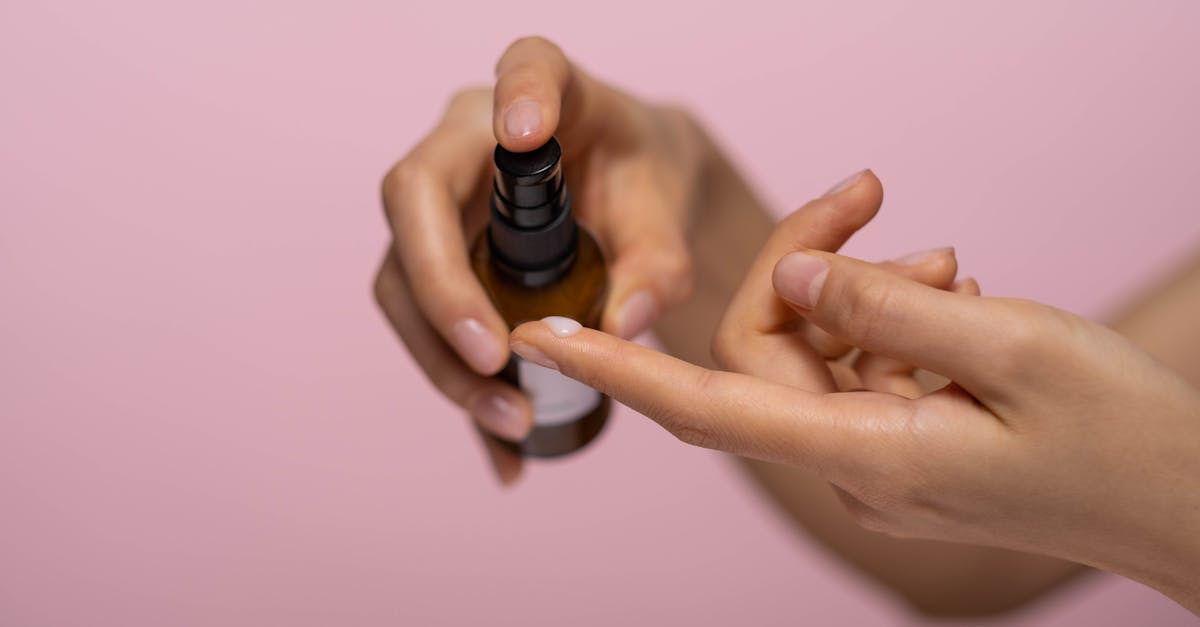
Ageless Glow Serum BB Cream Sunscreen SPF 40 – Tan Deep acts as an advanced photoprotective serum, utilizing a blend of the organic chemical filter homosalate alongside the stable inorganic physical blockers zinc oxide and titanium dioxide. The most prominent side effect is a mild, localized contact dermatitis or stinging sensation, primarily attributed to the salicylate chemical structure of the organic filter. By integrating chemical absorption with physical reflection within a lightweight serum vehicle, this formulation delivers robust protection against ultraviolet radiation while offering cosmetic correction and hydration for deeper skin tones.
1. Mechanism of Action of Homosalate, Zinc Oxide, and Titanium Dioxide
The pharmacological efficacy of this SPF 40 serum relies heavily on a synergistic dual-barrier approach to ultraviolet radiation. Zinc oxide and titanium dioxide serve as highly stable insoluble inorganic physical blockers. When spread across the stratum corneum, these dense microscopic minerals establish a physical shield that actively deflects and scatters both ultraviolet A and ultraviolet B photons, preventing them from penetrating into the deeper viable cellular structures of the epidermis.
Homosalate operates via a complementary chemical mechanism. As a prominent member of the salicylate class of organic compounds, homosalate penetrates the superficial epidermal layers to directly absorb ultraviolet B radiation. When struck by high-energy ultraviolet B photons, the homosalate molecule absorbs the energy, undergoes a structural isomerization, and safely dissipates the solar energy as a minimal amount of thermal heat.
This integrated defense mechanism is highly effective. The physical minerals provide an immediate and exceptionally stable barrier across a broad ultraviolet spectrum, while the homosalate reinforces the chemical absorption, specifically targeting the ultraviolet B rays responsible for acute sunburn and immediate cellular mutagenesis. The serum vehicle facilitates deeper hydration and a smoother application compared to traditional heavy creams.
2. Warnings and Precautions Before Applying the Sunscreen Serum
Patients with a documented history of severe allergic reactions to salicylates must exercise caution when utilizing formulations containing homosalate. While transdermal absorption is generally low, cross-reactivity can occur in highly sensitized individuals, leading to localized swelling and intense pruritus upon application.
This topical product is formulated strictly for external cosmetic and protective use on intact skin. It must absolutely never be applied to deep puncture wounds, severe thermal burns, or actively weeping dermatological lesions. The introduction of cosmetic pigments, chemical filters, and titanium dioxide particulates into the systemic circulation or deep dermal tissues can provoke a severe foreign body reaction and significantly delay normal wound healing.
Caregivers and patients must exercise marked caution to avoid the ocular mucosa during application. Introducing the serum into the eye will cause intense chemical stinging from the solvent vehicle and potential mechanical corneal abrasion from the dense mineral particulates, necessitating urgent and prolonged irrigation with sterile saline.
3. Indications and Dosage Guide for SPF 40 Serum
This broad-spectrum serum formulation is clinically indicated for the routine prevention of solar erythema and the mitigation of photoaging and skin cancer risks associated with excessive ultraviolet radiation exposure. The tan deep tint provides cosmetic evening of the skin tone, masking the distinct white cast typically produced by high concentrations of physical mineral blockers.
Maximum efficacy requires dispensing a generous quantity of the serum and massaging it evenly across all exposed facial and cervical surfaces at least fifteen minutes prior to ultraviolet exposure. This precise delay allows the homosalate to fully bond with the epidermal layer and establish a stable absorptive matrix, while the physical blockers are effective immediately.
Reapplication is clinically mandatory every two hours during sustained outdoor activity. The physical mineral barrier is highly susceptible to mechanical removal via towel friction, heavy diaphoresis, or water immersion. Failing to reapply the necessary volume drastically reduces the stated sun protection factor and exposes the skin to dangerous radiation.
4. In-Depth Side Effects Analysis of UV Filters
Topically applied mixed-filter sunscreens are generally well-tolerated across diverse demographics. The vast majority of documented side effects remain entirely localized to the application site, as the active ingredients possess exceptionally low rates of systemic percutaneous absorption.
Common Side Effects
The most universally experienced adverse effects are cosmetic and tactile. Users frequently report a mild, transient warming or stinging sensation as the chemical filter engages with the skin barrier. Minor pore occlusion, leading to the exacerbation of non-inflammatory comedones or mild acne breakouts, is common due to the occlusive nature of the mineral particulates.
Serious Side Effects You Should Report
A localized allergic response, primarily driven by the organic homosalate filter, can occasionally manifest as allergic contact dermatitis. Symptoms include marked pruritus, raised erythematous plaques, and vesicular eruptions. If these inflammatory signs develop, the user must immediately wash the area and seek dermatological evaluation to determine the specific sensitizing agent.
Rare Side Effects
Profound systemic hypersensitivity to the inactive cosmetic preservatives or the chemical UV filters is exceptionally rare but possible. Manifestations such as generalized urticaria, facial angioedema, or acute dyspnea indicate a systemic allergic event requiring immediate emergency medical intervention.
Side Effects That Usually Do Not Require Medical Attention
Mild dermal dehydration or a slight feeling of tightness following the evaporation of the cosmetic solvent vehicle generally resolves without intervention. Routine application of a standalone moisturizer during evening skincare routines is sufficient to manage this superficial desiccation.
| Side Effect Category | Specific Symptoms |
|---|---|
| Common Localized Reactions | Transient warming, mild stinging, minor acne |
| Dermatological Allergy | Pruritus, localized erythema, vesicular dermatitis |
| Ocular Irritation | Mechanical corneal abrasion, intense burning if in eyes |
| Severe Hypersensitivity | Generalized urticaria, facial swelling, severe dyspnea |
5. Recognizing Overdose and Excessive Serum Application
A physiological overdose resulting from the topical application of this sunscreen formulation is completely impossible. Applying an excessive volume of the product simply increases the density of the physical barrier on the skin, resulting in an intensified and highly unpleasant cosmetic appearance along with a heavy tactile sensation, posing absolutely no systemic toxicity risk.
Accidental oral ingestion of the product constitutes a significant medical event, particularly in pediatric populations. Swallowing the serum typically results in self-limiting gastrointestinal distress, including nausea and minor diarrhea, driven by the cosmetic emulsifiers, solvent vehicles, and chemical filters.
If a substantial quantity is ingested by a child, immediate consultation with a regional poison control center is necessary. Medical professionals will generally monitor for signs of gastric irritation and ensure adequate fluid intake to facilitate the clearance of the ingested materials.
6. Missed Application and Environmental Exposures to Avoid
Failure to apply the serum prior to intense ultraviolet exposure leaves the epidermis entirely defenseless against radiation damage. If application is forgotten, the user must apply the formulation immediately upon realization and remain in shaded environments until the homosalate has adequately bonded with the skin surface.
Users should actively avoid prolonged exposure to direct sunlight during peak ultraviolet intensity hours. Sunscreen provides a formidable shield, but it is not an absolute barrier against prolonged and intense solar radiation. Supplementary protective measures such as wide-brimmed hats remain clinically essential.
Storing the emulsion in excessively hot environments, such as a closed vehicle during summer, can permanently disrupt the physical stability of the formulation. Separation of the physical mineral particles from the chemical suspension renders the product entirely incapable of providing an even protective layer across the skin.
7. Drug and Chemical Interactions with Topical UV Filters
Because the active ingredients remain strictly localized to the upper epidermis and do not enter the systemic circulation, pharmacokinetic interactions with oral medications are entirely absent. However, mechanical interactions on the skin surface must be rigorously managed.
Applying this SPF serum simultaneously with topical prescription medications, such as isotretinoin gels or topical hydrocortisone, can severely inhibit the percutaneous absorption of the pharmaceutical active ingredients. The dense mineral barrier acts as a physical wall, rendering the prescribed treatments clinically ineffective.
To prevent this physical blocking effect, prescribed topical medications should be applied first and allowed to fully absorb into the dermal layers for at least thirty minutes before the sunscreen barrier is layered over them.
8. Precautions, Safety, and Duration of Action
The duration of action for this photoprotective barrier relies on the mechanical presence of the minerals and the chemical stability of the homosalate. Under completely static conditions without sweating, the protection can last for a few hours. In practical outdoor scenarios, the layer is mechanically compromised, enforcing the strict two-hour reapplication protocol.
Homosalate exhibits mild photolability, meaning it can slowly degrade when exposed to prolonged and intense ultraviolet radiation. The concurrent presence of highly stable zinc oxide and titanium dioxide helps mitigate this degradation, ensuring the broad-spectrum protection remains robust between proper applications.
Patients with exceptionally dry or compromised skin barriers should ensure their skin is well-hydrated before applying the formulation. Some cosmetic vehicles possess inherently astringent properties that can exacerbate localized desiccation over prolonged periods of daily use.
9. Discontinuation and Proper Removal of Tinted Sunscreen
Discontinuing the use of this tinted serum requires absolutely no tapering protocol, though doing so immediately removes the primary defense against ultraviolet radiation. Crucially, removing the product correctly is required to maintain skin health. Because the physical minerals are suspended in water-resistant silicones, standard splash cleansing is insufficient.
Users must employ a dedicated lipid-based cleanser, cleansing balm, or micellar water to effectively dissolve the occlusive emulsion matrix. Following this with a gentle water-based foaming cleanser ensures the complete removal of all particulate matter, preventing subsequent pore occlusion and acneiform eruptions.
Unused or expired product should be discarded in accordance with municipal solid waste regulations. The chemical filters degrade over time, and expired formulas should never be relied upon for active radiation protection.
10. When to Consult a Physician Regarding Sunscreen Reactions
Medical consultation is rarely required for routine sunscreen application. However, if an individual develops rapid and spreading erythema, persistent localized pain, or extensive blistering following application, immediate dermatological assessment is mandatory to rule out a severe formulation allergy to the homosalate.
Inadvertent ocular exposure causing persistent photophobia, severe tearing, or a feeling of a foreign body in the eye necessitates urgent ophthalmological intervention. The physical titanium and zinc particles must be professionally irrigated to prevent permanent corneal scarring.
If a patient sustains a severe sunburn accompanied by fever or chills despite applying the sunscreen correctly, a clinical evaluation is warranted to treat the burn and discuss potentially underlying photosensitizing medical conditions that require specialized photoprotection strategies.
Frequently Asked Questions (FAQ)
1. Does the titanium dioxide in this product absorb into my bloodstream?
No, titanium dioxide and zinc oxide are formulated as large particulate minerals designed specifically to sit on top of the stratum corneum without penetrating the systemic circulation.
2. Why do I need to wait 15 minutes before going outside after applying it?
While the physical minerals work instantly, the chemical filter homosalate requires approximately fifteen minutes to chemically bond with your skin to provide maximum ultraviolet B absorption.
3. Can I use this product if I have severe acne?
The physical minerals and cosmetic silicones can cause minor pore occlusion. If you have severe acne, consult a dermatologist, as you may require a specialized non-comedogenic gel formulation instead of a serum.
4. Is this product safe for sensitive skin?
While generally safe, the chemical filter homosalate can cause mild stinging in highly sensitive individuals. A patch test is recommended before applying it to the entire face.
5. Does the tan deep tint provide extra sun protection?
The cosmetic tint primarily functions to mask the stark white cast of the physical minerals and provide cosmetic coverage, though iron oxides used for tinting can offer minor supplementary protection against visible light.
6. Can I apply makeup over this BB cream serum?
Yes, you can carefully apply cosmetic powders or concealers over the serum once it has settled for a few minutes, though harsh rubbing should be avoided to keep the protective ultraviolet layer physically intact.
7. Does homosalate lose its effectiveness in the sun?
Homosalate can slowly degrade under continuous and intense sun exposure, which is precisely why reapplication every two hours is absolutely necessary to maintain the stated SPF 40 protection.
8. Is it safe to use this specific sunscreen on infants?
Sunscreens containing chemical filters like homosalate are generally not recommended for infants under six months of age. Pediatricians typically recommend formulations using strictly physical blockers like zinc oxide for young children.
Bibliography
Disclaimer: The content is for informational purposes only and does not replace medical advice. Always consult your doctor or pharmacist for personalized treatment.


