1. Introduction & Mechanism of Action of Curist Arthritis Relief
Curist Arthritis Relief is a topical nonsteroidal anti-inflammatory drug formulated with diclofenac sodium designed specifically to manage localized pain associated with osteoarthritis. The most notable side effect involves application site reactions like dermatitis while systemic absorption can rarely trigger cardiovascular or gastrointestinal complications. Diclofenac functions primarily by inhibiting the cyclooxygenase enzymes COX-1 and COX-2 which are responsible for the biosynthesis of prostaglandins.
Prostaglandins are lipid autacoids that mediate inflammation pain and fever. By locally blocking their synthesis at the site of joint inflammation diclofenac significantly reduces joint stiffness and pain. The topical administration route provides localized therapeutic concentrations within the synovial fluid and joint capsule while maintaining systemic blood plasma concentrations significantly lower than those achieved with oral diclofenac formulations.
2. Warnings & Before Applying Diclofenac Sodium Gel
Topical diclofenac carries strict cardiovascular and gastrointestinal warnings identical to systemic NSAIDs. Patients with a known history of hypersensitivity to diclofenac aspirin or other NSAIDs must avoid this medication. Exposure in these individuals can induce severe asthma attacks urticaria or fatal anaphylactic reactions. Patients recovering from recent coronary artery bypass graft surgery are strictly contraindicated from using this medication due to an elevated risk of myocardial infarction and stroke.
Individuals with a history of peptic ulcer disease gastrointestinal bleeding or severe renal impairment must exercise profound caution. Although systemic absorption is minimal prolonged use on extensive body surface areas can result in enough absorption to compromise renal blood flow or exacerbate underlying gastric mucosal damage.
3. Indications & Dosage Guide for Diclofenac Topical
This medication is explicitly indicated for the temporary relief of osteoarthritis pain in joints amenable to topical treatment specifically the knees ankles feet elbows wrists and hands. It is generally not proven effective for treating spinal osteoarthritis or central joint pain such as the hips or shoulders due to inadequate deep tissue penetration.
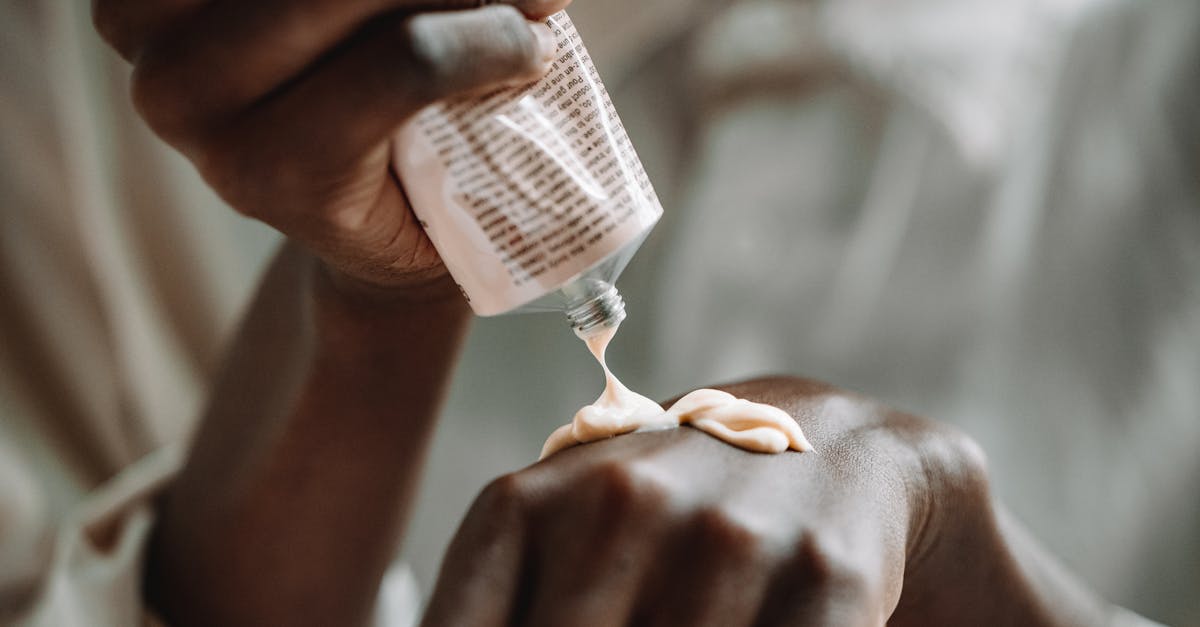
Precise dosing is vital. For lower extremity joints patients generally apply four grams of the gel four times daily. For upper extremity joints the dose is two grams four times daily. The maximum total daily dosage across all treated joints must strictly not exceed thirty-two grams. The medication should be massaged gently into the clean dry skin of the affected joint until fully absorbed.
4. In-Depth Side Effects Analysis of Diclofenac Sodium
Topical administration mitigates many severe systemic risks associated with oral NSAIDs but localized dermal reactions are frequent. To understand how systemic NSAIDs differ you may refer to our pharmacological guide on ibuprofen.
Common Side Effects
Application site reactions are the most widely reported adverse events. Patients frequently experience localized pruritus dry skin erythema and mild contact dermatitis at the site of application. These local dermatological events are mostly benign but can cause considerable discomfort necessitating discontinuation if severe.
Serious Side Effects you should report
Systemic absorption can lead to critical cardiovascular thrombotic events including myocardial infarction and cerebrovascular accidents. New onset or worsening hypertension may also occur. Gastrointestinal toxicity remains a risk presenting as acute dyspepsia gastric ulceration or unseen gastrointestinal bleeding characterized by melena or hematemesis. Any signs of hepatotoxicity such as jaundice right upper quadrant pain or severe fatigue dictate immediate medical cessation.
Rare Side Effects
Rarely patients may experience severe renal papillary necrosis leading to acute kidney injury especially if the patient is volume depleted. Exfoliative dermatitis Stevens-Johnson syndrome and toxic epidermal necrolysis are exceptionally rare but life-threatening dermatological emergencies characterized by severe skin peeling and mucosal blistering.
Side effects that usually do not require medical attention
Mild transient paresthesia or a brief stinging sensation immediately following application is common as the alcohol based carrier evaporates from the skin.
| Side Effect Category | Specific Symptoms |
|---|---|
| Dermatological Local | Pruritus scaling erythema contact dermatitis |
| Gastrointestinal Systemic | Dyspepsia abdominal pain occult bleeding |
| Cardiovascular Systemic | Hypertension peripheral edema chest pain |
| Hepatic Systemic | Elevated transaminases jaundice fatigue |
5. Overdose Symptoms and Management
Toxicity from topical diclofenac primarily occurs through accidental ingestion rather than excessive dermal application. Systemic overdose of diclofenac triggers acute central nervous system and gastrointestinal manifestations. Symptoms include extreme lethargy drowsiness nausea vomiting and severe epigastric pain. In severe toxicological events gastrointestinal bleeding acute renal failure respiratory depression and coma may ensue.
Management of an overdose is entirely symptomatic and supportive. There is no specific pharmacological antidote for diclofenac toxicity. If accidental ingestion occurs early administration of activated charcoal can prevent further gastrointestinal absorption. Medical professionals will monitor renal function closely and provide aggressive fluid resuscitation to maintain urinary output and systemic blood pressure.
6. Missed Dose & Application Considerations
If a scheduled application is missed the patient should apply the gel as soon as they remember. However if it is almost time for the next scheduled dose the missed dose should be skipped entirely. Patients must strictly adhere to the dosing card and never apply double the amount to compensate for a missed application as this heightens systemic toxicity risks.
Patients must strictly avoid washing the treated joint for at least one hour following application to ensure adequate drug penetration. Additionally treating the skin with other topical cosmetics sunscreens or lotions simultaneously must be avoided to prevent altered absorption rates. Do not bandage or apply external heat to the treated area.
7. Drug & Alcohol Interactions with Diclofenac Sodium
Even with topical administration sufficient diclofenac may enter systemic circulation to interact with other medications. Concurrent administration with oral NSAIDs such as naproxen or aspirin severely compounds the risk of gastrointestinal bleeding and renal failure. Concomitant use of anticoagulants like warfarin or selective serotonin reuptake inhibitors profoundly increases the risk of serious hemorrhagic events.
Alcohol consumption significantly synergizes with the gastrointestinal toxicity of NSAIDs. Chronic heavy alcohol use while utilizing diclofenac elevates the risk of fatal gastric ulceration and bleeding. Diclofenac may also blunt the antihypertensive efficacy of ACE inhibitors and angiotensin II receptor blockers leading to poorly controlled blood pressure.
8. Precautions, Safety & Duration of Action
The analgesic action of topical diclofenac builds gradually often requiring up to seven days of consistent application before maximum therapeutic efficacy is observed. The localized nature of the drug allows sustained pain relief without subjecting the entire central nervous system to heavy narcotic suppression.
Safety in pregnant women specifically during the third trimester is a major concern. NSAID exposure in late pregnancy can cause premature closure of the fetal ductus arteriosus and fetal renal impairment leading to oligohydramnios. Geriatric patients are at a statistically higher risk for severe systemic adverse events including fatal gastrointestinal bleeding and require vigilant clinical monitoring.
9. How to Stop Using Diclofenac & Storage Guidelines
Topical diclofenac can be discontinued immediately if adverse reactions occur or if joint pain completely resolves. No physiological dependence or withdrawal syndrome is associated with stopping NSAID therapy. Upon cessation baseline osteoarthritis pain may gradually return.
The gel must be stored securely at room temperature carefully avoiding exposure to extreme heat and freezing temperatures. Ensure the cap is tightly closed after every single use to prevent the alcohol base from evaporating which ruins the specific concentration of the active ingredient. Keep absolutely out of reach of children.
10. When to See a Doctor for Joint Pain
Patients should seek a prompt medical evaluation if joint pain swelling or redness progressively worsens despite regular diclofenac application for twenty-one days. Unexplained weight gain sudden severe edema in the extremities or a rapid decrease in urine output requires urgent medical assessment for NSAID induced renal injury or heart failure.
Immediate emergency attention is paramount if a patient presents with sudden severe chest pain shortness of breath slurred speech or weakness on one side of the body. These are cardinal symptoms of acute myocardial infarction or stroke which are critical boxed warnings associated with all nonsteroidal anti-inflammatory drugs.
11. Frequently Asked Questions FAQ
1. Can I use this gel on my back or spine for pain?
No topical diclofenac has not been proven effective for deep spinal joints and is strictly indicated for superficial joints like knees hands and elbows.
2. Is it safe to take oral ibuprofen while using this gel?
No combining topical diclofenac with oral NSAIDs massively increases your risk of dangerous stomach bleeding and kidney damage.
3. How long does it take for the gel to work?
While some initial relief may be felt within a few days maximal osteoarthritis pain reduction typically requires a full week of consistent daily application.
4. Can I wrap a bandage over the knee after applying the gel?
You must never cover the treated joint with occlusive dressings or tight bandages as this can force dangerous amounts of medication into the bloodstream.
5. Why must I wash my hands after applying the medication?
Unless your hands are the joints being treated washing them prevents the active drug from entering your eyes or mucous membranes where it can cause severe irritation.
6. Does this medication cure osteoarthritis?
No diclofenac only treats the inflammatory symptoms and pain associated with osteoarthritis. It does not rebuild cartilage or cure the degenerative joint disease.
7. Is sunlight exposure dangerous while using this gel?
Treated skin can become more sensitive to ultraviolet light potentially increasing the risk of sunburn or severe photosensitivity reactions. Avoid excessive direct sunlight on treated joints.
12. Bibliography
Disclaimer: The content is for informational purposes only and does not replace medical advice. Always consult your doctor or pharmacist for personalized treatment.