1. Introduction & Mechanism of Action of Vegzelma
Vegzelma is a targeted biological therapy containing bevacizumab, a recombinant humanized monoclonal antibody utilized extensively in oncology to starve malignant tumors of their blood supply. The most notable side effect involves a profound risk of severe hemorrhagic events and acute hypertension. Bevacizumab acts as a direct angiogenesis inhibitor by specifically targeting and binding to vascular endothelial growth factor (VEGF).
Within a highly active tumor microenvironment, malignant cells heavily secrete VEGF to stimulate the rapid formation of new blood vessels, a process known as angiogenesis, which is strictly required for the tumor to grow beyond a few millimeters. By physically binding to circulating VEGF, Vegzelma violently prevents this protein from interacting with its native receptors on endothelial cells. This blockade aggressively halts the formation of new tumor microvasculature, effectively cutting off the oxygen and nutrient supply to the malignancy and actively shrinking existing tumor vessels.
2. Warnings & Before Administering Bevacizumab
Prior to initiating systemic therapy with this potent anti-angiogenic agent, patients must undergo a rigorous cardiovascular and surgical evaluation. A highly critical clinical warning applies to patients presenting with a recent history of severe hemorrhage, active gastrointestinal ulcers, or untreated central nervous system metastases. Bevacizumab massively impairs natural wound healing and aggressively destabilizes vascular integrity, guaranteeing a violently dangerous exacerbation of any underlying bleeding pathology.
Patients actively scheduled for elective surgery must exercise profound clinical caution. Treatment with bevacizumab must be strictly suspended for a minimum of twenty-eight days prior to any surgical intervention, and cannot be safely resumed for at least twenty-eight days post-surgery, or until the surgical wound is entirely and structurally healed. Furthermore, patients presenting with severely uncontrolled baseline hypertension must strictly achieve stable blood pressure before initiating therapy, as the medication frequently triggers hypertensive crises.
3. Indications & Intravenous Dosage Guide for Vegzelma
This advanced intravenous oncological agent is specifically indicated for adult patients diagnosed with metastatic colorectal cancer, advanced non-squamous non-small cell lung cancer, recurrent glioblastoma, metastatic renal cell carcinoma, and persistent or recurrent cervical cancer. It is frequently prescribed in combination with traditional cytotoxic chemotherapy to drastically amplify malignant cell clearance.
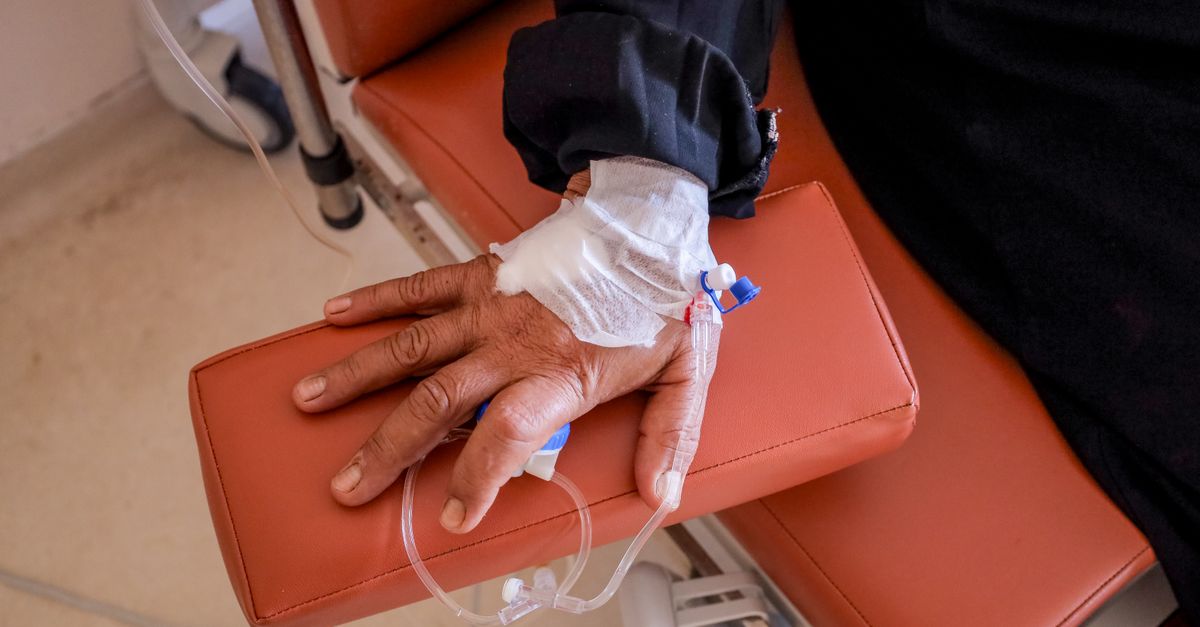
The standard therapeutic adult dosage is exclusively administered via controlled intravenous infusion, typically given every two to three weeks depending entirely on the specific oncological protocol. Because it is a massive biological protein, it must be continuously monitored by highly specialized oncology nurses in a clinical setting to rapidly manage any sudden severe infusion-related reactions. The infusion begins slowly over ninety minutes and can be gradually accelerated in subsequent cycles if clinically tolerated.
4. In-Depth Side Effects Analysis of Bevacizumab
Because bevacizumab violently disrupts vascular growth and maintenance throughout the entire human body, adverse reactions are frequently severe and hemodynamically dangerous. For a comparison with targeting different cellular receptors, you may review our clinical profile on rituximab.
Common Side Effects
The most routinely documented adverse events involve mild to moderate continuous generalized fatigue, uncomplicated epistaxis (nosebleeds), and dry skin. Patients frequently experience minor uncomplicated proteinuria and mild continuous nausea following the intravenous infusion. Upper respiratory tract infections and mild sensory neuropathy are also highly prevalent during the initial months of continuous active therapy.
Serious Side Effects you should report
Gastrointestinal perforation constitutes a critical, highly fatal medical emergency presenting as sudden severe abdominal pain, profound rigid guarding of the abdomen, and severe unprovoked vomiting. Severe hemorrhagic events present rapidly as violent unprovoked coughing up of blood (hemoptysis), massive gastrointestinal bleeding, or acute neurological deficits indicating intracranial hemorrhage. Acute severe hypertension requires immediate emergency antihypertensive intervention to prevent stroke.
Rare Side Effects
In exceedingly isolated clinical cases, patients may develop severe reversible posterior leukoencephalopathy syndrome (RPLS), a severe neurological disorder causing acute blindness, massive seizures, and extreme confusion. Highly rare occurrences of severe necrotizing fasciitis or massive tracheoesophageal fistulas have been definitively documented in heavily compromised patients.
Side effects that usually do not require medical attention
Mild transient voice hoarseness, very minor uncomplicated joint aches, or mild localized skin peeling typically resolve or strictly stabilize as the patient’s physiological vascular systems adapt to the anti-angiogenic therapy.
| Side Effect Category | Specific Symptoms |
|---|---|
| Vascular & Hemorrhagic | Severe epistaxis, massive hemoptysis, gastrointestinal bleeding |
| Gastrointestinal | Fatal gastrointestinal perforation, severe abdominal pain |
| Cardiovascular & Renal | Hypertensive crisis, severe proteinuria, arterial thromboembolism |
| Neurological | Reversible posterior leukoencephalopathy syndrome, seizures |
5. Overdose Symptoms and Management for Bevacizumab
Overdose pathophysiology relating to intravenous monoclonal antibodies is exceptionally rare due to the highly controlled clinical administration environment. However, administering massive supratherapeutic quantities rapidly induces a profound unmitigated destruction of healthy vascular maintenance, leading immediately to catastrophic multi-organ hemorrhage, violently uncontrollable hypertensive crises, and massive severe proteinuria leading to acute renal failure.
Emergency management strictly requires immediate advanced oncological and intensive cardiovascular intervention. Clinical providers focus aggressively on rapidly controlling the violently spiking blood pressure utilizing continuous intravenous antihypertensive agents. Severe acute bleeding must be managed with immediate massive blood transfusions and surgical intervention if a specific perforation is identified. There is absolutely no specific pharmacological antidote for an overdose of bevacizumab.
6. Missed Dose & Critical Treatment Delays
Because this medication is administered strictly via a highly controlled intravenous infusion by specialized clinical staff, a traditional daily missed dose protocol is fundamentally irrelevant. If a scheduled infusion appointment is missed, the patient must heavily prioritize rescheduling the infusion strictly as soon as clinically possible to safely maintain the continuous aggressive blockade of tumor angiogenesis.
Frequent continuous delays in the strict infusion schedule wildly fluctuate the active blood plasma concentrations of the monoclonal antibody, allowing the malignant cells to rapidly re-establish their vascular supply network. Patients must aggressively maintain their scheduled appointments unless explicitly directed by their specialized oncologist to temporarily withhold the infusion due to severe developing surgical necessity or vascular toxicity.
7. Drug Interactions with Anti-Angiogenic Therapies
Because bevacizumab is a massive humanized protein, it is strictly degraded into small inactive amino acids via standard catabolic cellular pathways, entirely avoiding the hepatic cytochrome P450 enzyme system. Therefore, it completely lacks traditional highly dangerous pharmacokinetic drug interactions with standard small molecule oral medications.
However, a highly critical pharmacodynamic interaction occurs with systemic anticoagulants or antiplatelet agents. Concomitant administration of high-dose systemic blood thinners alongside bevacizumab severely multiplies the risk of fatal spontaneous internal hemorrhage. Furthermore, combining bevacizumab with other potent nephrotoxic chemotherapeutic agents massively exacerbates the risk of severe renal damage and permanent kidney failure.
8. Precautions, Safety & Duration of Action
Following intravenous infusion, bevacizumab rapidly binds to circulating VEGF, providing a highly durable blockade that massively outlasts the standard physical half-life of the antibody. The pharmacological duration of the anti-angiogenic effect can persist continuously for several weeks, supporting a convenient two to three-week dosing interval but requiring highly vigilant long-term clinical monitoring for delayed vascular toxicity.
Clinical safety protocols strictly mandate continuous highly vigilant monitoring of blood pressure and frequent urinalysis to aggressively catch silent proteinuria before severe renal damage occurs. Pregnant women must absolutely avoid this potent targeted therapy as the destruction of angiogenesis will violently reject and destroy the developing fetal vascular system. Men and women of reproductive potential must utilize highly effective contraception continuously.
9. How to Manage Toxicity & Therapy Discontinuation
Oncological therapy with this targeted inhibitor is typically a continuous ongoing requirement until the tumor aggressively progresses or highly unacceptable vascular chemical toxicity inevitably manifests. Stopping administration abruptly does not cause physical withdrawal but rapidly allows the tumor to actively rebuild its oxygen-supplying blood vessels.
Unlike traditional oral medications, there is no home storage required for the patient, as the highly fragile biological vials are securely stored strictly at cold temperatures within the specialized hospital pharmacy. Once severe vascular toxicity, such as a major perforation, requires permanent cessation of the monoclonal antibody, the patient will strictly require immediate surgical intervention to safely repair the compromised organ structures.
10. When to See an Oncologist
Medical consultation is strictly imperative if the patient develops a highly severe headache that refuses to respond to standard pain relievers, indicating a dangerous spike in systemic blood pressure. Because the vascular system is actively highly altered, patients must report any severe changes in urinary output, entirely new severe foamy urine, or a distinct lack of wound healing from minor cuts.
Immediate emergency attention is absolutely paramount if a patient presents with sudden severe sharp abdominal pain, violent unprovoked coughing up of bright red blood, sudden massive bloody diarrhea, or a sudden severe inability to move one side of their body. These represent critical unmistakable hallmark symptoms of acute fatal gastrointestinal perforation, massive pulmonary hemorrhage, or an acute stroke requiring immediate life-saving emergency intervention.
11. Frequently Asked Questions FAQ
1. Why must I wait an entire month before having dental surgery while on this drug?
Bevacizumab aggressively stops the formation of new blood vessels, which are strictly required for any surgical wound to physically heal. Having surgery while the drug is active heavily guarantees massive wound breakdown and severe bleeding.
2. Will this highly targeted therapy cause my hair to completely fall out?
Unlike traditional cytotoxic systemic chemotherapy, this is a targeted vascular therapy. Total severe alopecia is highly uncommon when utilizing bevacizumab as a standalone agent.
3. Why do the nurses aggressively monitor my blood pressure during treatment?
Blocking VEGF violently constricts your systemic blood vessels. This frequently causes sudden severe hypertensive crises that must be actively managed with blood pressure medications to prevent a stroke.
4. Can I safely receive my annual vaccines while taking this targeted medication?
Standard inactivated vaccines are generally safe as this drug targets blood vessels, not the immune system. However, you must strictly consult your oncologist before receiving any live attenuated vaccines.
5. How quickly will this expensive medicine completely shrink my solid tumor?
Anti-angiogenic therapy requires significant time to heavily starve the tumor of oxygen. It can strictly take several months of continuous infusions before radiological scans show a visible reduction in the tumor size.
6. Why do I need to strictly report nosebleeds to my cancer doctor immediately?
What seems like a minor nosebleed can rapidly aggressively escalate into severe fatal hemorrhage, as this medication fundamentally weakens the walls of your blood vessels throughout your entire body.
7. Does this specific medication permanently cure my underlying advanced cancer?
While some patients achieve highly durable long-term progression-free survival, this medication strictly heavily suppresses the malignant disease by starving it. It is an ongoing continuous treatment intended to halt cancer progression.
12. Bibliography
Disclaimer: The content is for informational purposes only and does not replace medical advice. Always consult your doctor or pharmacist for personalized treatment.