1. Introduction And Mechanism Of Action Of Roll Pain Away Lemongrass
Roll Pain Away Lemongrass is a highly targeted topical analgesic roll on containing capsaicin alongside a botanical lemongrass fragrance, primarily utilized for the sustained management of osteoarthritis and localized nerve pain. The most notable side effect is a significant burning sensation at the application site which typically diminishes after repeated daily use. This botanical compound acts as a highly effective neurotoxin to specific sensory neurons, fundamentally altering how the body processes chronic pain.
The pharmacological mechanism is entirely unique among topical analgesics. Capsaicin, the highly active chemical extracted from chili peppers, binds aggressively to specific receptors located on peripheral sensory nerve endings. These specific cellular receptors are normally responsible for detecting intense heat and tissue damage. When capsaicin binds to them, it forces the nerve to rapidly dump its entire supply of Substance P, a vital neuropeptide neurotransmitter strictly responsible for sending pain signals to the brain.
Initially, this substantial release of Substance P causes profound localized burning. However, with continuous strict daily application, the sensory nerve eventually becomes completely depleted of Substance P. Without this crucial neurotransmitter, the nerve loses its biological ability to transmit pain signals to the central nervous system. This localized chemical desensitization provides profound long lasting pain relief for chronic conditions.
2. Warnings And Before Taking Roll Pain Away Lemongrass
Patients must approach this therapy with absolute precision. This highly active neurotoxin must never be applied to deeply excoriated tissue, active surgical wounds, severe thermal burns, or highly sensitive mucous membranes. Exposure of raw tissue to concentrated capsaicin will cause agonizing, excruciating pain and significant localized inflammation that mimics a severe chemical burn.
A critical safety warning involves the strict avoidance of external heat sources. Patients must absolutely never apply heating pads, hot water bottles, or heat lamps to tissue treated with capsaicin. External heat hyper activates the already stimulated heat receptors, resulting in devastating localized pain and significantly increasing the systemic absorption of the active compound, leading to severe chemical blistering.
Individuals possessing a known severe hypersensitivity to chili peppers, plants in the pepper family, or lemongrass essential oils must completely avoid this formulation. The addition of the lemongrass fragrance introduces a secondary risk of severe contact dermatitis. A severe hypersensitivity reaction can trigger rapid widespread hives, severe facial swelling, and potentially anaphylaxis if the botanical extract enters the systemic circulation through broken skin.
3. Indications And Dosage Guide For Roll Pain Away Lemongrass
This highly active topical roll on formulation is clinically indicated for the long term management of severe pain associated with osteoarthritis, rheumatoid arthritis, and post herpetic neuralgia. It serves to chemically alter the local nervous system to provide sustained relief for chronic debilitating pain, while utilizing the lemongrass scent to mask the pungent odor of the chili extract.
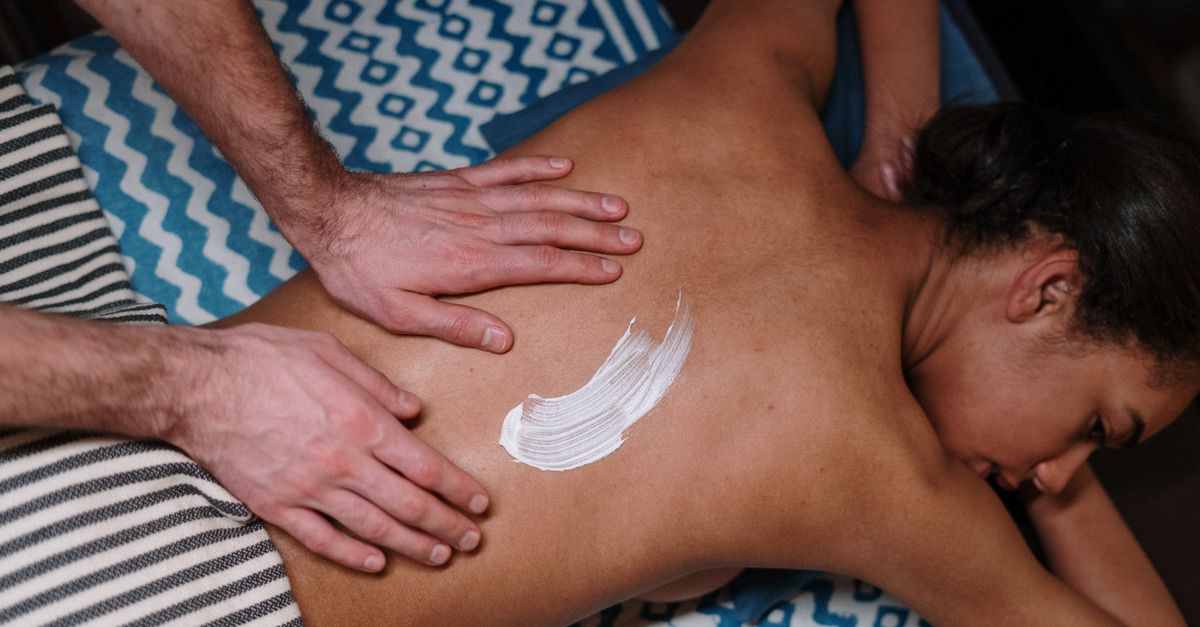
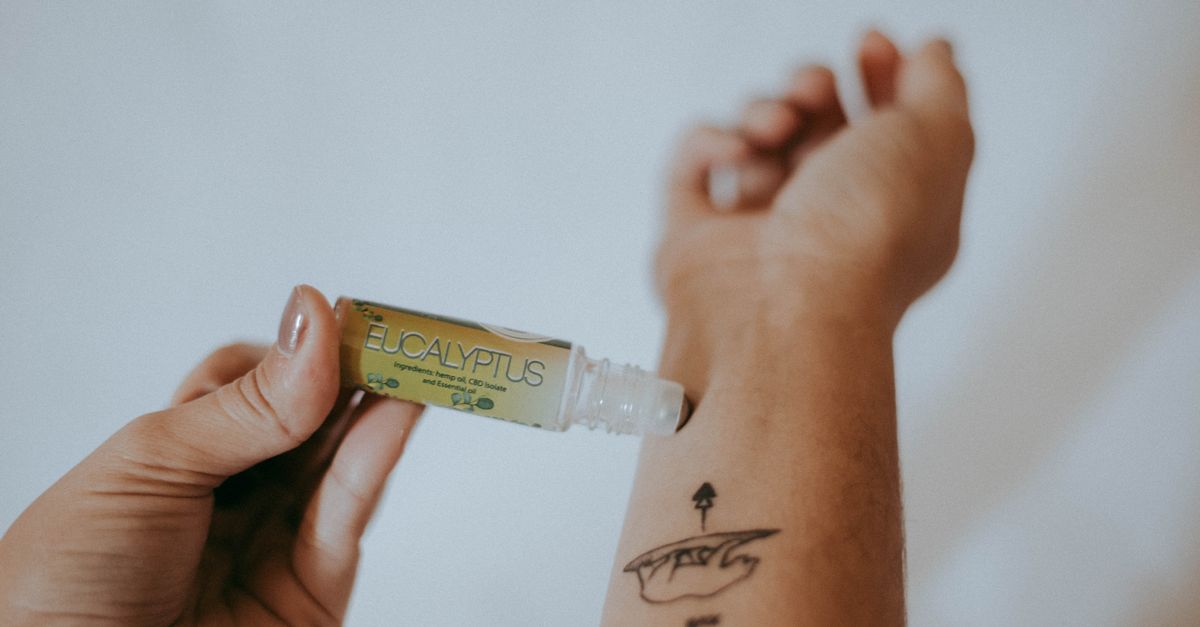
Clinical application requires strict adherence to a specific schedule. The patient must roll a thin even layer of the liquid smoothly onto the intact skin over the painful joint or nerve tract exactly three to four times a day, every single day. The roll on delivery system minimizes the need to rub the product in by hand, which reduces the risk of accidental chemical transfer. The patient must absolutely not skip doses, as the therapy relies entirely on continuously forcing the nerve to dump Substance P until it is empty.
If the patient uses their hands to spread the liquid, they must wash their hands aggressively with heavy soap and hot water, or preferably use disposable medical gloves. The highly potent capsaicin oil clings tenaciously to the skin and will easily transfer to the eyes or genital regions hours later, causing agonizing pain.
4. In-Depth Side Effects Analysis Of Roll Pain Away Lemongrass
Because this formulation utilizes a powerful botanical neurotoxin designed to overstimulate pain receptors initially, localized sensory reactions are completely unavoidable and extremely intense. Systemic side effects are rare provided the dermal barrier remains intact, though the added fragrance slightly increases the risk of topical allergy.
Common Side Effects
The most universally documented reaction is severe intense burning, stinging, or a sensation of scalding heat immediately upon applying the roll on. This is the exact intended physiological response as the nerve dumps its pain neurotransmitters. This intense pain typically lasts for ten to thirty minutes after application and gradually decreases in severity over the first two weeks of continuous therapy. Mild temporary erythema is also highly common.
Serious Side Effects You Should Report
Any signs pointing to severe chemical trauma require the immediate cessation of the therapy. If the patient develops fluid filled dermal blisters, severe tissue sloughing, or pain that entirely prevents sleep or mobility, they must seek rapid dermatological intervention. These symptoms indicate a severe chemical burn or an allergic contact dermatitis related to the capsaicin or the lemongrass additives.
Rare Side Effects
A tiny subset of patients may experience transient respiratory irritation, violent coughing fits, or intense sneezing if they inhale any microscopic capsaicin particles that vaporize from the skin. Extremely rare systemic toxicity, usually resulting from massive overapplication to the entire body, can present as profound lethargy or severe gastrointestinal distress.
Side Effects That Usually Do Not Require Medical Attention
A highly intensified sensation of burning heat if the treated area is exposed to warm water or sunlight is a benign, expected reflex driven by the hyper sensitized heat receptors. The intended lemongrass scent that permeates clothing is an unavoidable physical characteristic of the botanical extract.
| Side Effect Category | Specific Symptoms |
|---|---|
| Localized Sensory | Pronounced burning, deep stinging, sensation of scalding heat |
| Severe Dermatological Warning | Pronounced blistering, severe skin peeling, agonizing localized pain |
| Respiratory Irritation | Severe coughing, intense sneezing from inhaled particles |
| Expected Physiological Response | Distinct localized redness, highly sensitized heat perception |
5. Overdose Symptoms Of Roll Pain Away Lemongrass And What To Do
A topical overdose of concentrated capsaicin is highly dangerous and typically occurs when the product is rolled indiscriminately over vast areas of the body or trapped tightly under non breathable plastic dressings. Symptoms of toxicity include agonizing, intolerable localized burning pain, severe central nervous system distress from the pain signals, and pronounced blistering of the superficial epidermis.
If a severe overdose is suspected or if the patient is in agonizing pain, water must never be used to remove the liquid, as water simply spreads the toxic oil further. The affected skin must be flooded with a high fat substance, such as vegetable oil, whole milk, or heavy dish soap, which will rapidly dissolve and lift the capsaicin oil off the skin. Emergency medical services must be contacted if the burning pain does not subside after oil decontamination.
6. Missed Dose And What To Avoid With Roll Pain Away Lemongrass
This specific topical agent relies entirely on consistency. A missed dose directly allows the nerve endings to begin regenerating their supply of Substance P. If a patient misses multiple doses, the intense burning side effect will start completely over the next time they apply the product. The patient should apply the missed dose as soon as they remember, maintaining the strict three to four times daily schedule.
Patients must strictly avoid applying this concentrated liquid immediately before or after a hot shower, bath, or vigorous cardiovascular exercise. Hot water and physical exertion rapidly open the superficial pores, allowing the capsaicin to penetrate deeply into the tissue. Applying capsaicin to open pores will result in an agonizing, uncontrollable burning sensation.
7. Drug And Alcohol Interactions With Roll Pain Away Lemongrass
The localized topical application of this botanical extract presents minimal risk of interacting with standard systemic prescription medications. However, a specific interaction exists for patients taking blood pressure medications such as lisinopril. A common side effect of these cardiovascular drugs is a chronic dry cough. Systemic absorption of capsaicin can severely exacerbate this cough, making it physically intolerable.
A highly specific localized interaction occurs when patients apply multiple different topical medications simultaneously. Patients must strictly avoid mixing this capsaicin roll on with topical menthol patches or prescription lidocaine creams. The compounding chemical mechanisms will severely strip the epidermal barrier and lead to devastating chemical burns.
Alcohol consumption poses absolutely no chemical interaction risk with this superficial topical treatment. The localized dermal action of the essential oils operates entirely independently of hepatic alcohol metabolism.
8. Precautions, Safety And Duration Of Action For Roll Pain Away Lemongrass
The onset of the intense burning sensation is highly rapid, but the actual clinical pain relief requires significant time. Patients must apply the liquid continuously for two to four full weeks before the nerve endings are completely depleted of Substance P and the chronic arthritis or nerve pain actually subsides.
Safety dictates realistic expectations and immense patience. Patients frequently abandon the therapy during the first week because the burning side effect is so intense. Patients must be heavily counseled that the burning will steadily decrease with every application as the nerve loses its neurotransmitters, provided they do not skip any doses.
9. How To Stop Taking Roll Pain Away Lemongrass And Storage
Therapy with this topical product can be halted abruptly at any time without physiological withdrawal symptoms. However, patients must understand that once they stop applying the liquid, the sensory nerves will immediately begin manufacturing Substance P again. Within a few weeks of stopping the medication, the chronic joint or nerve pain will return entirely.
Proper storage is critical to ensure the chemical stability of the botanical oils. The roll on bottle must be stored tightly sealed at a stable room temperature. Exposing the liquid to extreme heat will cause the active capsaicin molecules to separate from the base, resulting in uneven, highly dangerous concentrations of the neurotoxin within the bottle.
10. When To See A Doctor For Roll Pain Away Lemongrass Side Effects
A prompt clinical evaluation by a rheumatologist or neurologist is absolutely mandatory if the deep chronic pain fails to improve after four consecutive weeks of strict daily topical therapy, or if the pain suddenly worsens significantly.
Emergency medical intervention is immediately required if the patient accidentally touches their eyes after handling the product and the intense flushing protocol with milk or oil fails to relieve the agonizing ocular burning. Emergency services must also be contacted if the patient experiences sudden difficulty breathing or intense swelling of the facial tissues, dictating a severe anaphylactic reaction to the botanical extract or fragrance.
Frequently Asked Questions
1. Why does this roll on feel like it is literally burning my skin?
The active ingredient is derived from hot chili peppers. It forcefully triggers the exact same heat and pain receptors in your skin as touching a hot stove. This intense burning is required to force your nerves to empty their pain chemicals, and it will decrease over a few weeks.
2. I tried to wash the liquid off with water because it burned, but it got worse. Why?
Capsaicin is an oil based neurotoxin. Water does not dissolve it; it only spreads the painful oil over a larger area of your skin. If the burning is too intense, you must wash the area with vegetable oil, whole milk, or a strong grease cutting dish soap to remove it safely.
3. Is it safe to use this product right after I get out of a hot shower?
Absolutely not. Hot water opens your pores and highly sensitizes your heat receptors. Applying this high strength capsaicin roll on directly onto warm, open pores will cause an excruciating, agonizing burning sensation that is incredibly difficult to stop.
4. What should I do if I accidentally rub my eye after applying this?
You must immediately flush the affected eye with whole milk or a substantial amount of lukewarm water for at least twenty minutes. Capsaicin will cause excruciating, blinding pain in the delicate tissues of the eye. Seek emergency ophthalmological care instantly.
5. Why do I have to use it four times a day if it burns so badly?
The therapy only works if you constantly force the nerve to empty its pain chemicals. If you skip doses because of the burning, the nerve will refill its supply, and the intense burning side effect will start completely over the next time you use it.
6. Can I use a heating pad on my knee after applying this roll on?
No, you must never apply external heat over skin treated with capsaicin. The external heat traps the oils and violently overstimulates your heat receptors, which will easily cause a severe chemical blister on your knee.
7. Does this lemongrass scented roll on cure the arthritis in my joints?
No, capsaicin strictly alters your nerve perception to hide the chronic pain, while the lemongrass provides a pleasant scent. It does not possess any ability to reduce inflammation or physically repair the degraded cartilage inside your arthritic joints.
Bibliography
Disclaimer: The content is for informational purposes only and does not replace medical advice. Always consult your doctor or pharmacist for personalized treatment.