
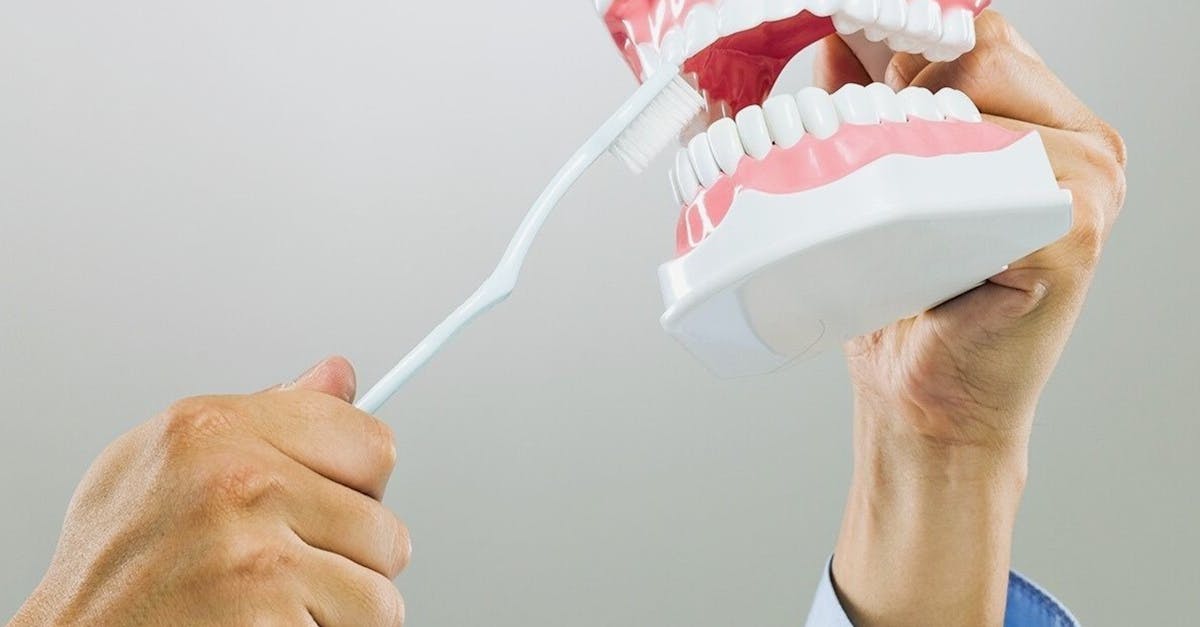
Frida Fluoride Bubble Mint is a prophylactic dental formulation utilizing sodium fluoride to actively prevent the demineralization of dental structures. The active ion aggressively interacts with the enamel matrix to form a permanent structural barrier against acidogenic bacterial decay, with its primary side effect being the potential for mild localized mucosal irritation or systemic toxicity upon excessive ingestion.
1. Introduction and Mechanism of Action for Frida Fluoride Bubble Mint
The prophylactic power of this specialized dental paste relies exclusively on the highly targeted, topical administration of elemental fluoride derived from sodium fluoride. The external layer of human dentition, the enamel, is primarily composed of hydroxyapatite crystals. This intricate crystalline lattice is constantly degraded by the highly acidic excretions of oral bacteria that aggressively metabolize simple carbohydrates.
During the mechanical act of brushing, the highly reactive free fluoride ions saturate the localized oral environment. These ions immediately penetrate the porous, demineralized sections of the enamel lattice, forcefully displacing the weaker hydroxyl molecules. This rapid ionic exchange chemically transforms the matrix into fluorapatite. The newly integrated fluorapatite possesses a vastly superior structural density and requires a significantly lower pH environment to dissolve, thereby creating an impenetrable barrier against future acid attacks.
Concurrently, the sustained presence of ambient fluoride within the salivary film aggressively targets the cariogenic bacteria themselves. The fluoride ions breach the bacterial cell walls and severely inhibit enolase, a critical enzyme required for bacterial glycolysis. By completely shutting down this metabolic pathway, the fluoride physically starves the bacteria and sharply halts the production of the destructive lactic acid at its source.
2. Warnings and Before Taking Frida Fluoride Bubble Mint
Prior to implementing a daily prophylactic routine with this specific formulation, a rigid clinical assessment of the patient’s age and expectoration capability must be conducted. This paste is strictly indicated as a topical agent. If prescribed for a pediatric patient, it necessitates absolute, undivided adult supervision to guarantee the child forcefully spits the product out, as the immature physiological system is exceptionally vulnerable to systemic fluoride toxicity.
The most critical clinical warning surrounding this product is the irreversible risk of developing dental fluorosis. If excessive volumes of fluoride are systemically absorbed while the permanent dentition is still actively mineralizing within the jawbone, it profoundly disrupts the amelogenesis process. This systemic interference manifests as permanent structural defects on the erupted teeth, ranging from stark, opaque white mottling to severe, structurally compromised brown pitting.
Furthermore, patients with a verified clinical history of hypersensitivity to elemental sodium fluoride, specific synthetic flavoring agents, or the abrasive silica bases utilized within the paste must abstain from application. Applying these agents to a hypersensitive mucosa can instantly provoke severe contact stomatitis, widespread epithelial desquamation, and intensely painful oral ulcerations.
3. Indications and Dosage Guide for Frida Fluoride Bubble Mint
The primary clinical indication for this active formulation is the rigorous, localized prevention of dental caries and the chemical remineralization of early, microscopic enamel lesions. It functions as the absolute prophylactic standard in maintaining optimal, lifelong dental structural integrity against bacterial pathogenesis.
Dosage parameters are rigorously topical and strictly dictated by the patient’s developmental age. For pediatric patients aged three to six years, a precise, pea-sized amount is the absolute maximum clinical dosage. For adults and mature adolescents, a standard ribbon approximately one inch in length is indicated. The mechanical action of brushing must be sustained for exactly two minutes to ensure comprehensive coverage across all dental planes.
This application protocol must be executed strictly twice daily, preferably following the first morning meal and immediately prior to nocturnal sleep. It is absolutely imperative that the patient forcefully expectorates all residual slurry following the brushing cycle. Immediate aqueous rinsing of the oral cavity is highly discouraged, as the concentrated fluoride demands an undisturbed contact interval to thoroughly diffuse into the deeper enamel micro-pores.
4. In-Depth Side Effects Analysis of Frida Fluoride Bubble Mint
When precisely utilized as an expectorated topical agent, sodium fluoride maintains a superior and extensively validated safety profile. Significant adverse clinical events are almost exclusively tied to unauthorized, massive systemic ingestion or highly rare, localized immunological reactions.
Common Side Effects
When minute, residual amounts of the paste are accidentally swallowed during the normal brushing process, the most standard adverse reaction is mild, transient gastrointestinal irritation. Within the highly acidic gastric lumen, the ingested sodium fluoride rapidly converts into trace hydrofluoric acid. This acts as an acute chemical irritant directly on the gastric mucosa, precipitating sudden nausea, mild pyrosis, or brief abdominal cramping.
Serious Side Effects You Should Report
Immediate clinical intervention is mandatory if the patient presents with symptoms indicating an acute, localized allergic reaction within the oral cavity. Diagnostic red flags include the sudden, aggressive onset of severe perioral erythema, acute edematous swelling of the buccal mucosa or tongue, and the rapid formation of widespread, painful aphthous lesions. These symptoms define severe contact stomatitis.
Rare Side Effects
The most profound rare systemic side effect stemming from chronic, low-level ingestion over several developmental years is permanent dental fluorosis. In extraordinarily rare scenarios of a massive, acute systemic overdose, extreme hypocalcemia can rapidly manifest. The massive influx of circulating fluoride aggressively sequesters serum calcium, physically pulling it from the blood and triggering severe muscular tetany and catastrophic cardiac arrhythmias.
Side Effects That Usually Do Not Require Medical Attention
A sudden, brief sensation of localized mucosal tingling or slight thermal thermal variations during active brushing is a completely expected physiological response to the specialized foaming surfactants and flavoring compounds. Minor, transient alterations in taste perception following the brushing routine are highly standard and do not require any clinical intervention.
| Side Effect Category | Specific Symptoms |
|---|---|
| Common | Transient nausea, acute gastric irritation, mild abdominal cramping |
| Serious | Severe contact stomatitis, widespread aphthous lesions, severe mucosal edema |
| Rare | Permanent dental fluorosis, severe systemic hypocalcemia, muscular tetany |
5. Overdose Symptoms of Frida Fluoride Bubble Mint and What to Do
A purely localized topical overdose on the dental enamel is not a physiologically recognized event. However, acute systemic toxicity resulting from the massive oral ingestion of the paste represents a dire medical emergency. The toxic threshold of elemental fluoride is strictly correlated with the patient’s total lean body mass.
Initial clinical manifestations of an acute systemic overdose present violently within the gastrointestinal tract. The patient will rapidly suffer from explosive, intractable emesis, severe hematemesis, acute abdominal rigidity, and profound diarrhea. As the fluoride massively infiltrates the systemic circulation, it aggressively binds to serum calcium and magnesium, inducing a state of rapid, life-threatening hypocalcemia.
If an acute, massive oral overdose is suspected, emergency medical services must be immediately dispatched. While awaiting emergency personnel, the critical first-aid intervention is the immediate oral administration of a high-calcium fluid, such as cold milk or a heavily concentrated calcium carbonate antacid. The introduced calcium actively binds to the free fluoride remaining in the gastric lumen, generating an insoluble complex that drastically curtails further systemic absorption.
6. Missed Dose and What to Avoid While Using Frida Fluoride Bubble Mint
Because this specific formulation acts exclusively as a prophylactic surface protectant rather than a systemically metabolized drug, the concept of a missed dose simply equates to a temporary vulnerability in localized enamel defense. The patient should immediately resume the standard twice-daily brushing regimen at the next scheduled interval without ever attempting to double the volume of paste applied.
While actively utilizing this concentrated fluoridated paste, patients and guardians must strictly avoid the concurrent administration of systemic oral fluoride supplements unless explicitly ordered by a specialized dental professional. Combining fluoridated dentifrice, artificially fluoridated municipal water systems, and prescription oral tablets dangerously elevates the total daily systemic intake, exponentially increasing the risk of chronic developmental fluorosis.
Furthermore, patients must strictly avoid the immediate consumption of highly acidic or heavily abrasive dietary items following the brushing routine. Highly acidic compounds chemically erode the newly deposited, unhardened fluorapatite layer from the dental surface before it fully solidifies, entirely negating the profound prophylactic benefits of the application.
7. Drug and Alcohol Interactions with Frida Fluoride Bubble Mint
When strictly utilized as a topical surface agent and forcefully expectorated, sodium fluoride exhibits zero pharmacokinetic interactions with systemically administered prescription medications. Patients actively undergoing aggressive systemic treatments, such as prolonged courses of oral antibiotics or localized treatments with lidocaine gels, can safely utilize this toothpaste without any risk of chemical interference or diminished therapeutic efficacy.
However, in the event of accidental massive systemic ingestion, profound chemical interactions immediately occur within the gastric tract. If a patient concurrently ingests oral calcium supplements, magnesium-based antacids, or heavy iron preparations, these highly reactive metallic ions will instantly bind to the ingested fluoride. This chemical precipitation fundamentally neutralizes the physiological absorption of both the toxic fluoride and the concurrent therapeutic medication.
Systemic consumption of alcohol does not biochemically interact with the localized topical actions of sodium fluoride. Nevertheless, patients should exercise extreme caution regarding commercial oral rinses containing high volumes of denatured ethanol. The concurrent application of highly alcoholic mouthwashes alongside this concentrated paste can induce severe mucosal desiccation, vastly increasing the risk of painful, localized contact stomatitis.
8. Precautions, Safety, and Duration of Action for Frida Fluoride Bubble Mint
The paramount clinical precaution involves the strict, uncompromising prevention of systemic ingestion, specifically in pediatric demographics. This mandates rigorous supervision to ensure the patient consistently expectorates the residual product. Patients suffering from clinically diagnosed xerostomia must proceed with caution; lacking adequate salivary flow to properly dilute the potent flavoring agents and synthetic surfactants drastically increases the risk of localized mucosal trauma.
The pharmacological onset of action is immediate upon mucosal contact, as the highly reactive free fluoride ions instantly diffuse into the porous micro-channels of the enamel matrix. The therapeutic duration of action is contingent entirely upon the continuous presence of ambient fluoride within the salivary flow and the structural stability of the newly synthesized fluorapatite, mandating a strict twelve-hour redosing schedule to ensure absolute protection.
The safety profile for pregnant and lactating individuals is thoroughly established, provided the product is utilized strictly as a topical agent. Because the active fluoride ions are physically locked within the dense enamel matrix and all residual ambient amounts are expectorated, clinically significant systemic absorption is completely bypassed, posing absolutely zero pharmacological risk to fetal development or delicate mammary tissues.
9. How to Stop Taking Frida Fluoride Bubble Mint and Storage Guidelines
Cessation of this specific fluoridated dentifrice can occur instantly without requiring any physiological tapering protocol. The human body does not develop any form of addiction or cellular reliance on topical fluoride. However, abrupt cessation without immediately introducing a highly effective alternative prophylactic measure will instantly revert the dental enamel to a state highly vulnerable to aggressive bacterial demineralization and rapid decay.
The product tube must be stored at a stable, controlled room temperature, strictly shielded from direct ultraviolet radiation and intense thermal sources. Excessive ambient heat will physically disrupt the intricate emulsion matrix of the paste, causing an inconsistent distribution of the sodium fluoride salt throughout the tube and ultimately destroying the clinical efficacy of the application.
The product must be stored securely out of the physical reach of pediatric patients to strictly prevent unauthorized access and the catastrophic risk of massive accidental ingestion. Disposal of the empty tube must align with standard municipal household waste guidelines, ensuring the container is entirely depleted to strictly mitigate environmental fluoride accumulation.
10. When to See a Doctor Regarding Frida Fluoride Bubble Mint
Immediate, emergency medical intervention is absolutely critical if a patient ingests a massive, unsanctioned volume of the toothpaste. The abrupt, violent onset of intractable emesis, severe abdominal rigidity, or localized muscular fasciculations following ingestion strongly indicates acute systemic fluoride toxicity and impending, life-threatening hypocalcemia, requiring urgent intravenous medical stabilization.
Patients must also urgently secure a specialized dental or medical consultation if they develop clinical signs of severe, localized hypersensitivity within the oral cavity. Symptoms such as rapidly spreading, painful erythema across the gingival margins, the rapid formation of widespread oral ulcerations, or sudden edematous swelling of the lips and throat demand the immediate cessation of the product.
Finally, a comprehensive professional dental assessment is required if the patient or guardian begins to visually observe the gradual development of stark white opacities, chalky surface striations, or aggressive brown structural pitting on newly erupted permanent dentition. These visual markers are the cardinal diagnostic indicators of chronic systemic overexposure to fluoride, necessitating an immediate review of the patient’s entire environmental fluoride intake.
Frequently Asked Questions (FAQ)
1. How exactly does this bubble mint paste prevent the formation of aggressive cavities?
The active agent, sodium fluoride, physically infiltrates the microscopic, demineralized pores of your teeth. It bonds directly with the natural minerals to synthesize an entirely new, incredibly hard crystalline structure called fluorapatite, which is exceptionally resistant to the acid attacks initiated by oral bacteria.
2. What will happen if my child accidentally swallows a small amount of the foam?
Accidentally swallowing a tiny, minute amount during routine brushing is generally harmless. The concentrated acid in the stomach may react slightly with the fluoride, potentially causing minor, very temporary nausea or mild stomach upset, but it will not induce acute systemic toxicity.
3. Why do clinical dentists recommend spitting but absolutely not rinsing with water?
Rinsing your mouth with large volumes of water immediately washes away all the highly active fluoride ions left in your ambient saliva. For the absolute maximum strengthening effect, the fluoride requires an undisturbed interval of several minutes to fully diffuse into the deep enamel matrix.
4. Can this highly concentrated product reverse a severe cavity that is already causing pain?
No. It can definitively reverse the very earliest microscopic stages of decay by aggressively remineralizing the weakened enamel surface. However, once a physical hole or severe cavitation has structurally formed in the tooth, it strictly requires professional dental drilling and mechanical filling.
5. Is it dangerous to use this paste if our local municipal tap water is heavily fluoridated?
No, utilizing both is the absolute clinical standard of prophylactic care. The municipal water provides vital baseline systemic protection during development, while the highly concentrated toothpaste provides intense, localized topical protection exactly where it is needed on the external tooth surface.
6. Are the synthetic flavoring agents completely safe to use on a daily basis?
Yes, the specific synthetic flavoring agents utilized are thoroughly non-toxic and strictly integrated to ensure high patient compliance. They carry absolutely no pharmacological risk when the paste is expectorated properly following the brushing routine.
7. What exactly are the chalky white spots forming on my child’s new adult teeth?
White, opaque spots or severe structural striations on newly erupting permanent teeth are cardinal diagnostic signs of dental fluorosis. This exclusively occurs when a child chronically swallows excessive, unauthorized amounts of fluoride while the teeth are actively growing under the gum line.
8. Can I utilize this product if I have a severe clinical history of highly sensitive teeth?
Yes. In fact, by aggressively strengthening the superficial enamel and physically occluding the microscopic tubules that lead directly to the sensitive tooth nerve, regular daily application of sodium fluoride is highly effective at structurally reducing chronic dental hypersensitivity.
9. How much paste should an individual actually apply to the bristles?
For optimal prophylactic efficacy, a child requires a minimal pea-sized amount, while adults only require an application approximately one inch in length across the bristles. Using massive volumes does not increase the localized benefit but significantly increases the catastrophic risk of accidental systemic ingestion.
10. What should I immediately do if a young child eats the entire tube of bubble mint paste?
This constitutes a severe, life-threatening pediatric medical emergency. Immediately administer a large volume of cold milk to the child, as the calcium aggressively binds to the toxic fluoride to halt further systemic absorption, and instantly contact emergency medical services for rapid hospital transport.
Bibliography
Disclaimer: The content is for informational purposes only and does not replace medical advice. Always consult your doctor or pharmacist for personalized treatment.

