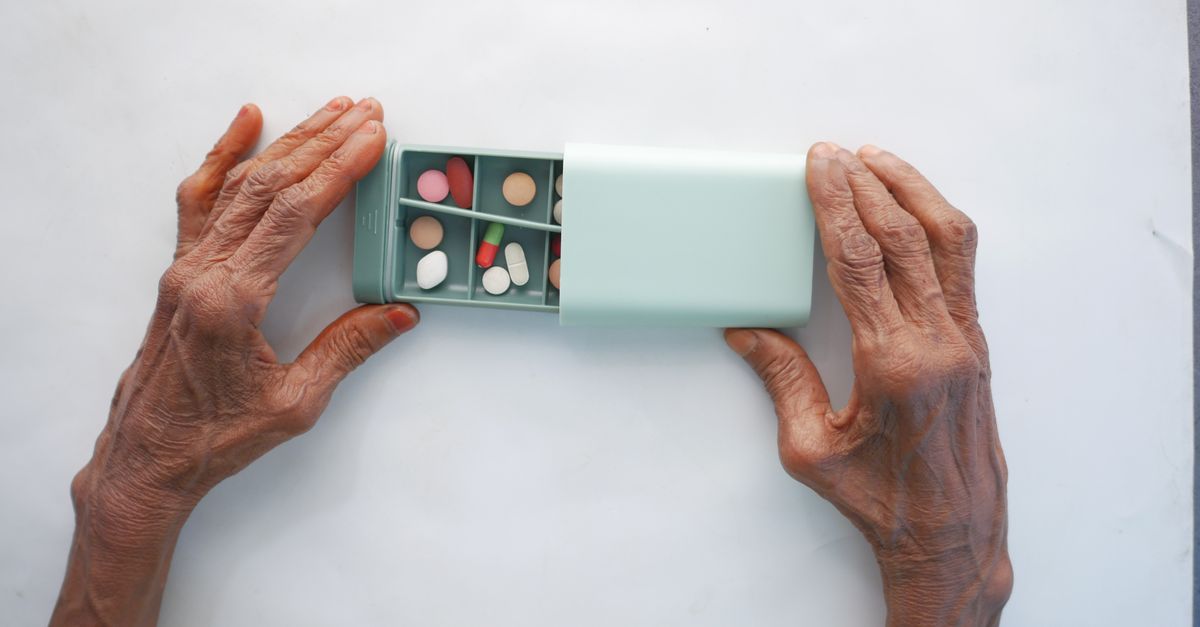
Inflatherm is a prescription combination kit incorporating an oral delayed-release diclofenac sodium tablet and a topical menthol gel to aggressively manage severe musculoskeletal pain and inflammation. The most significant adverse events are related to the systemic absorption of the diclofenac, carrying high risks of severe gastrointestinal ulceration and potentially fatal cardiovascular thrombotic events.
1. How Inflatherm Works in the Body
Inflatherm utilizes a dual-modality pharmacological approach to address both the deep structural drivers of inflammation and the immediate sensory perception of pain. The primary therapeutic component is the oral diclofenac sodium delayed-release tablet. Once ingested and absorbed through the small intestine, this highly potent nonsteroidal anti-inflammatory drug (NSAID) enters the systemic circulation. It functions by aggressively and non-selectively inhibiting the cyclooxygenase enzyme system (COX-1 and COX-2). This massive systemic inhibition entirely halts the synthesis of inflammatory prostaglandins throughout the body, directly reducing severe tissue swelling, deep joint stiffness, and systemic inflammatory pain.
The secondary component of the kit is the topical menthol gel. Menthol acts as a rapid-onset, localized counter-irritant. When rubbed into the skin overlying the painful joint or muscle, menthol directly targets TRPM8 receptors on peripheral sensory nerve endings. These are the primary molecular transducers for cold somatosensation. By chemically activating these receptors, menthol triggers a profound cooling sensation that immediately overrides and masks the deeper, aching pain signals traveling to the central nervous system.
By combining powerful systemic structural inflammation reduction with immediate localized sensory distraction, Inflatherm provides comprehensive, multi-tiered pain relief for severe arthritic flares.
2. Critical Warnings Before Using Inflatherm
CRITICAL WARNING: CARDIOVASCULAR AND GASTROINTESTINAL RISKS
The oral diclofenac component carries the severe black box warnings standard for all systemic NSAIDs. Patients face a heavily elevated risk of serious cardiovascular thrombotic events, including myocardial infarction and stroke, which can be fatal. This risk increases significantly with prolonged use and higher doses. It is strictly contraindicated for the treatment of perioperative pain in the setting of coronary artery bypass graft surgery.
Furthermore, systemic diclofenac induces a severe risk of gastrointestinal adverse events. These include deep mucosal bleeding, ulceration, and fatal perforation of the stomach or intestines. These catastrophic events can occur at any time during use and without any prior warning symptoms. Elderly patients and those with a documented history of peptic ulcer disease or gastrointestinal bleeding are at the highest risk.
Patients with severe renal or hepatic impairment must utilize this medication with extreme clinical caution. Systemic NSAIDs inhibit prostaglandins required to maintain adequate renal blood flow, frequently precipitating acute renal failure in vulnerable patients.
3. Indications and Proper Dosage for Inflatherm
Inflatherm is formally indicated for the acute and chronic management of the signs and symptoms of osteoarthritis and rheumatoid arthritis, as well as severe musculoskeletal injuries.
Proper dosage requires meticulous adherence to the oral protocol. The standard adult dosage for the diclofenac delayed-release tablets is 75 milligrams taken orally twice daily. To prevent the premature degradation of the protective enteric coating in the stomach, the tablets must be swallowed entirely intact with a full glass of water. They must never be crushed, chewed, or divided.
The topical menthol gel is applied purely as needed for immediate sensory relief. A thin film of the gel should be rubbed directly into the intact skin over the most painful joints or muscles, no more than three to four times daily. The treated area must remain uncovered. The gel must never be applied to open wounds or mucosal membranes.
4. In-Depth Side Effects Analysis of Inflatherm
Because Inflatherm relies heavily on a potent systemic NSAID, the side effect profile is dominated by severe internal risks, coupled with minor localized reactions from the topical gel.
| Side Effect Category | Specific Symptoms |
|---|---|
| Gastrointestinal (Systemic) | Severe dyspepsia, abdominal pain, GI hemorrhage, nausea |
| Cardiovascular (Systemic) | Hypertension, fluid retention, myocardial infarction, stroke |
| Renal & Hepatic (Systemic) | Acute kidney injury, elevated liver transaminases, jaundice |
| Dermatological (Topical) | Localized burning, erythema from menthol application |
Common Side Effects
The absolute most frequently reported side effects are gastrointestinal in nature. Patients regularly experience significant dyspepsia, nausea, mild abdominal cramping, and persistent diarrhea while taking oral diclofenac. Fluid retention presenting as mild peripheral edema in the ankles is also common. At the site of the menthol gel application, transient redness and a strong cooling or burning sensation are standard.
Serious Side Effects You Should Report
Any signs pointing to systemic cardiovascular or gastrointestinal toxicity require immediate discontinuation of the medication and emergency assessment. Symptoms including sudden, crushing chest pain, shortness of breath, slurred speech, or profound weakness indicate a catastrophic cardiovascular event. Vomiting material resembling coffee grounds or passing black, tarry stools strongly indicates a massive gastrointestinal hemorrhage.
Rare Side Effects
In rare clinical instances, systemic diclofenac can trigger severe, potentially fatal hepatic failure. Patients may present with sudden, profound jaundice, severe right upper quadrant abdominal pain, and intractable lethargy. Severe anaphylactic reactions or Stevens-Johnson syndrome are exceptionally rare but possible in patients with underlying aspirin-sensitive asthma.
Side Effects That Usually Do Not Require Medical Attention
The initial intense cooling or tingling sensation from the topical menthol gel is an expected physiological reaction. Mild, fleeting nausea that occurs immediately after taking the pill and resolves with food typically requires no clinical intervention.
5. Symptoms of Inflatherm Overdose and Necessary Actions
An acute overdose of the oral diclofenac component presents with profound gastrointestinal, neurological, and renal toxicity. The patient will experience intense nausea, intractable vomiting, severe epigastric pain, and potential massive gastrointestinal bleeding. This can rapidly progress to severe lethargy, profound hypertension, acute renal failure, massive seizures, and deep coma. Overdose of the topical menthol is highly unlikely unless massively ingested orally.
Emergency medical intervention is strictly mandatory for a suspected systemic overdose. Treatment is supportive and symptomatic. If the overdose is detected rapidly, gastric lavage or the administration of activated charcoal may be employed to prevent further intestinal absorption of the delayed-release tablets. In a hospital setting, intravenous fluids are aggressively utilized to maintain renal perfusion, and cardiovascular status is heavily monitored. Dialysis is completely ineffective for removing highly protein-bound diclofenac from the blood.
6. Managing a Missed Dose of Inflatherm and What to Avoid
If a scheduled dose of the oral diclofenac tablet is missed, the patient should take it as soon as they remember, provided it is not close to the next scheduled dose. If the next dose is imminent, the missed dose must be skipped entirely. Taking two 75mg tablets simultaneously will aggressively spike systemic drug levels, significantly elevating the risk of a fatal gastrointestinal hemorrhage.
Patients must actively avoid the consumption of alcohol while taking oral diclofenac. Alcohol acts as a severe, synergistic gastric irritant and drastically multiplies the risk of bleeding ulcers. Furthermore, patients must actively avoid taking other over-the-counter NSAIDs (like ibuprofen) simultaneously to prevent toxic cumulative dosing.
7. What Drugs Interact with Inflatherm?
Systemic drug interactions are a critical clinical concern due to the inherent cardiovascular, renal, and gastrointestinal risks of systemic diclofenac.
Concurrent use of Inflatherm with any systemic anticoagulants, such as warfarin or novel oral anticoagulants, must be monitored meticulously. Systemic NSAIDs heavily inhibit platelet aggregation and promote mucosal damage, significantly increasing the risk of catastrophic, life-threatening internal bleeding when combined with blood thinners.
Co-administration with angiotensin-converting enzyme (ACE) inhibitors, angiotensin receptor blockers, or diuretics is highly problematic. Diclofenac profoundly diminishes the antihypertensive efficacy of these cardiovascular medications and, when combined, can precipitate acute and irreversible renal failure due to severe disruptions in renal hemodynamics. Furthermore, diclofenac can rapidly elevate serum lithium and methotrexate levels to highly toxic ranges by inhibiting their renal clearance.
8. Safety Precautions and Duration of Action for Inflatherm
A vital safety precaution requires regular clinical monitoring for patients on chronic therapy. Complete blood counts, renal function panels, and liver transaminase tests should be conducted periodically to detect silent bleeding or organ toxicity early.
The duration of action of the oral diclofenac delayed-release tablets is designed to provide sustained anti-inflammatory coverage across a twelve-hour period, necessitating the strict twice-daily dosing regimen. The topical menthol gel acts rapidly, usually achieving peak localized sensory distraction within five to ten minutes, but its effects typically wear off entirely within one to two hours.
9. How to Discontinue and Store Inflatherm Safely
The medication can be discontinued safely without any physiological tapering protocol. However, the patient must understand that the underlying structural inflammation and severe mechanical joint pain will predictably return within a few days of halting the systemic therapy.
Proper storage is critical to preserve the stability of the tablets and the gel. The components must be stored tightly closed at controlled room temperature, strictly avoiding excessive heat, moisture, or freezing temperatures. The entire kit must be kept completely out of reach of young children, as accidental oral ingestion of concentrated NSAIDs is rapidly fatal.
10. When to Seek Medical Attention for Diclofenac Sodium Side Effects
Immediate, emergency medical attention is mandatory if the patient exhibits any systemic symptoms of cardiovascular distress, including sudden crushing chest pain radiating to the jaw, sudden difficulty breathing, or severe, unexplained swelling of the lower extremities indicating new heart failure.
Emergency care is also strictly required if the patient exhibits signs of severe hepatic injury, such as sudden yellowing of the sclera, profound dark urine, or unyielding nausea. A physician must be consulted immediately if the patient develops painful blistering, deep necrotic tissue changes, or a widespread, intensely itchy rash indicating severe hypersensitivity.
Frequently Asked Questions (FAQ)
1. Why can’t I crush the diclofenac pill if it is too big to swallow?
The pill has a special delayed-release coating designed to protect your stomach lining from direct chemical burns. Crushing the pill destroys this coating, causing severe, immediate stomach pain and ulcers.
2. Can I use a heating pad on my knee after applying the menthol gel?
Absolutely not. Applying heat over a counter-irritant like menthol will heavily dilate the blood vessels and cause severe, agonizing chemical burns to the skin.
3. Can I take over-the-counter ibuprofen if I am still in pain?
No. Combining the prescription diclofenac pills in this kit with over-the-counter NSAIDs like ibuprofen or naproxen is highly dangerous and will severely increase your risk of fatal stomach bleeding.
4. Why are my ankles swelling after taking these pills for a week?
Systemic NSAIDs like diclofenac cause your kidneys to retain salt and water, which can lead to fluid buildup (edema) in your legs. You must report this to your doctor, as it can strain your heart.
5. Is it safe to drink a glass of wine with dinner while on this medication?
No, consuming alcohol while taking high-dose systemic diclofenac aggressively increases your risk of developing a bleeding stomach ulcer.
6. How long does it take for the pills to start reducing the swelling?
While the gel provides instant sensory relief, the systemic diclofenac typically requires several days of consistent dosing to fully saturate the tissues and visibly reduce structural joint swelling.
7. Can I apply the gel to a scraped knee?
No, you must never apply the menthol gel to broken, bleeding, or infected skin, as it will cause excruciating pain and immediate tissue irritation.
Bibliography
Disclaimer: The content is for informational purposes only and does not replace medical advice. Always consult your doctor or pharmacist for personalized treatment.