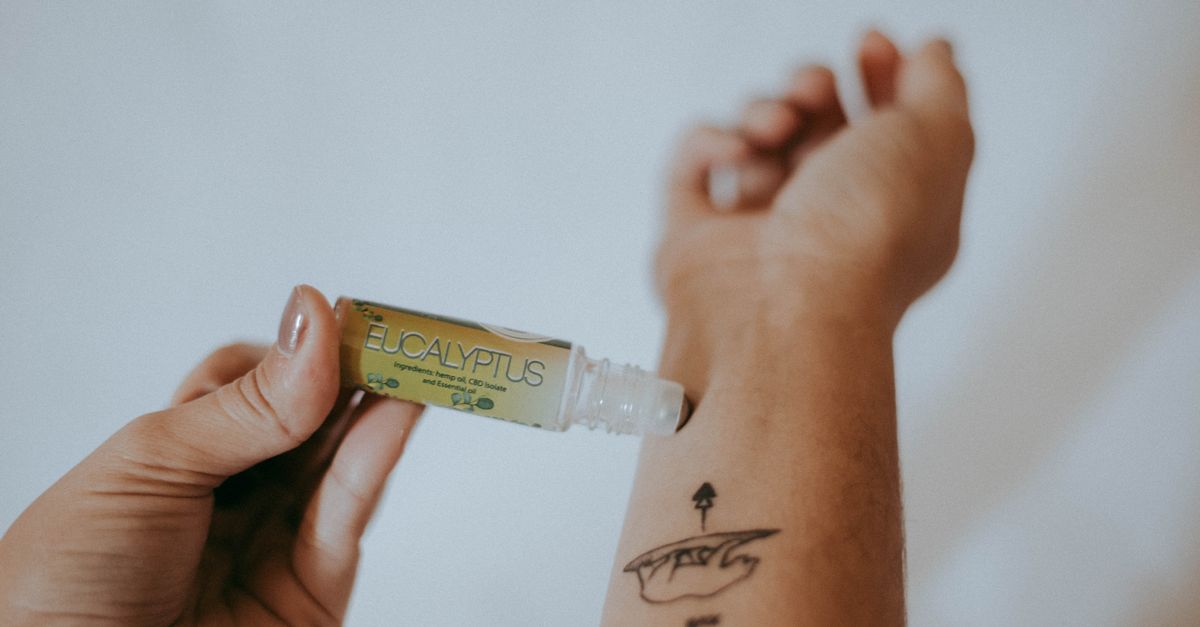
DCH Arthritis Pain Relief Roll-On is a topical neuropathic and musculoskeletal analgesic utilizing capsaicin to manage chronic joint pain. The hallmark side effect is a pronounced and intensely localized burning or stinging sensation upon initial application that typically diminishes significantly with repeated and consistent use.
1. How DCH Arthritis Pain Relief Roll-On Works in the Body
Capsaicin is a highly active botanical alkaloid derived exclusively from chili peppers. Its pharmacological action in pain management is entirely unique compared to traditional local anesthetics or anti-inflammatory drugs. When this roll-on is applied to the skin, the capsaicin molecules penetrate the epidermis and bind specifically to the transient receptor potential vanilloid 1 receptors located directly on the sensory nerve endings.
These unmyelinated C-fibers are responsible for transmitting pain and heat signals from the peripheral tissues to the brain. Upon initial binding, capsaicin aggressively stimulates these receptors. This chemical stimulation causes an immediate and intense localized burning sensation and forces the rapid release of Substance P. Substance P is a vital neuropeptide required to transmit pain signals from the peripheral nerves to the central nervous system.
The profound therapeutic benefit of capsaicin relies on prolonged and consistent application. By continuously stimulating the nerve endings, the capsaicin eventually completely exhausts the neuron’s intracellular supply of Substance P. Once Substance P is depleted, the nerve physically cannot transmit pain signals to the brain. This creates a powerful localized analgesic effect that persists as long as the medication is applied regularly to keep the neuropeptide stores entirely depleted.
2. Critical Warnings Before Using DCH Arthritis Pain Relief Roll-On
Patients must treat capsaicin with the exact same respect as a potent chemical irritant. It must never be applied to broken, deeply abraded, or severely inflamed skin. Applying capsaicin to compromised epidermal barriers will result in excruciating and unbearable pain alongside severe localized chemical burns.
Extreme clinical caution is mandated regarding the eyes and mucosal membranes. Capsaicin is a severe ocular irritant. If even microscopic traces of the liquid are transferred from the hands to the eyes, it will cause intense and blinding pain, massive tearing, and severe mechanical irritation. Patients must meticulously wash their hands with heavy soap and cold water immediately after every single application.
Patients with a known hypersensitivity to capsaicin or hot peppers must strictly avoid this medication. Furthermore, asthmatic patients should be cautious, as accidental inhalation of dried capsaicin residue from the skin can trigger severe bronchospasm and prolonged coughing fits.
3. Indications and Proper Dosage for DCH Arthritis Pain Relief Roll-On
DCH Arthritis Pain Relief Roll-On is clinically indicated for the management of severe musculoskeletal pain associated with osteoarthritis and rheumatoid arthritis. It is also highly effective for managing severe neuropathic pain, most notably postherpetic neuralgia following a shingles outbreak, and painful diabetic peripheral neuropathy.
Proper dosage requires the application of a thin film of the liquid to the affected area exactly three to four times daily. The roll-on applicator allows for deep massage into the skin without contaminating the hands. Consistency is the most critical factor in capsaicin therapy. The medication must be applied regularly to maintain the depletion of Substance P. Applying it only once a day or randomly will completely fail to provide pain relief and will only repeatedly subject the patient to the initial agonizing burning sensation.
Patients treating arthritis in their hands should wait exactly thirty minutes after application before washing their hands, allowing the active ingredient sufficient time to penetrate the thick joint capsule.
4. In-Depth Side Effects Analysis of DCH Arthritis Pain Relief Roll-On
The side effect profile of topical capsaicin is almost entirely localized to the application site and relates directly to its intense mechanism of action on heat and pain receptors.
| Side Effect Category | Specific Symptoms |
|---|---|
| Sensory & Dermatological | Intense localized burning, stinging, severe erythema |
| Ophthalmic Accidental | Excruciating eye pain, tearing, conjunctival injection |
| Respiratory Accidental | Severe coughing, sneezing, bronchospasm if residue is inhaled |
Common Side Effects
The absolute most common side effect is a transient burning, stinging, or intense sensation of warmth exactly at the application site. This occurs in the vast majority of patients during the first week of therapy. Localized and bright red erythema is also a standard physiological response due to the localized vasodilation induced by the rapid massive release of Substance P.
Serious Side Effects You Should Report
Any signs of severe chemical burns require immediate medical intervention. If the application site develops painful weeping blisters, deep skin ulcerations, or intractable pain that radiates beyond the application area, the patient must discontinue use and consult a dermatologist. Severe respiratory distress from inhaling dried capsaicin residue demands emergency medical care.
Rare Side Effects
In rare clinical scenarios, patients may develop true allergic contact dermatitis to the capsaicin or the inactive liquid base, presenting as a widespread and intensely itchy vesicular rash that persists for days after the medication is washed off.
Side Effects That Usually Do Not Require Medical Attention
The initial intense burning sensation is an expected and mandatory physiological reaction to the drug. This burning typically subsides dramatically after the first three to five days of consistent, multiple-daily applications as the nerve endings become exhausted.
5. Symptoms of Capsaicin Overdose and Necessary Actions
Topical overdose of capsaicin will not cause systemic internal toxicity, but it will cause severe and agonizing localized pain alongside intense chemical burns on the epidermis. If a massive amount is applied, or if the treated area is wrapped tightly in athletic tape, the burning sensation will escalate to an unbearable level, accompanied by severe localized swelling and blistering.
If a severe topical overexposure occurs, water alone is entirely ineffective for removal because capsaicin is highly lipophilic. The patient must aggressively wipe the skin with a cloth soaked in vegetable oil, mineral oil, or high-fat milk to dissolve and lift the capsaicin molecules off the skin. Following the oil cleanse, wash the area with heavy dish soap and cold water. Warm water must be strictly avoided, as heat drastically amplifies the burning sensation.
6. Managing a Missed Dose of DCH Arthritis Pain Relief Roll-On and What to Avoid
Because capsaicin requires continuous application to maintain Substance P depletion, missing a dose can momentarily allow the neuropeptide to replenish, leading to a temporary return of structural joint pain and a slight resurgence of the burning sensation upon the next application. The patient should simply apply the roll-on as soon as they remember and resume their normal rigid schedule.
Patients must aggressively avoid exposing the treated area to external heat sources. Applying a heating pad, taking a hot shower, or sitting in direct intense sunlight immediately after applying this medication will radically amplify the burning sensation to intolerable levels. Furthermore, patients must actively avoid touching their face, nose, eyes, or genitals after handling the roll-on bottle.
7. What Drugs Interact with DCH Arthritis Pain Relief Roll-On?
Systemic drug interactions with topical capsaicin are remarkably rare due to the localized nature of the application and minimal systemic absorption.
However, patients concurrently taking systemic angiotensin-converting enzyme inhibitors for hypertension may experience an unexpected and severe interaction. Capsaicin can heavily exacerbate the chronic dry cough frequently associated with these blood pressure medications, particularly if dried capsaicin residue is accidentally inhaled from the skin.
Topically, patients should never mix capsaicin liquid with other potent topical analgesics or highly irritating topical medications. Using capsaicin alongside topical diclofenac sodium solutions or aggressive chemical exfoliants will severely traumatize the epidermal barrier and guarantee severe chemical burns.
8. Safety Precautions and Duration of Action for DCH Arthritis Pain Relief Roll-On
The most vital safety precaution is the careful use of the roll-on applicator to avoid contaminating the hands. Caregivers applying the liquid to a patient must wear disposable nitrile gloves to prevent their own hands from absorbing the capsaicin and suffering severe burning sensations throughout the day.
The onset of true analgesic action is notoriously slow. Patients must be counseled that it typically requires two to four weeks of strict and consistent application to achieve meaningful pain relief. The duration of action persists only as long as the medication is applied regularly. If therapy is halted, Substance P will gradually replenish over several days, and the underlying neuropathic or arthritic pain will return in full force.
9. Discontinuing and Storing DCH Arthritis Pain Relief Roll-On Safely
Therapy can be discontinued at any time without physical withdrawal symptoms, though patients must expect their baseline pain to return within a week. When deciding to stop, patients should wash the treated area thoroughly with oil and soap to remove any lingering residue from the skin.
Proper storage is critical to maintain the potency of the alkaloid. The roll-on bottle must be securely closed and stored at room temperature, absolutely out of reach of children and household pets. A pet chewing on a bottle of capsaicin will suffer excruciating and potentially life-threatening oral and gastrointestinal burns.
10. When to Seek Medical Attention for Capsaicin Side Effects
Immediate and emergency medical attention is mandatory if the capsaicin liquid is accidentally transferred to the eyes and intense flushing with water fails to resolve the agonizing pain and severe tearing within thirty minutes. Ocular exposure can cause severe corneal abrasions requiring emergency ophthalmic evaluation.
A clinical consultation is also necessary if the skin at the application site develops severe weeping blisters, deep fissures, or signs of a secondary bacterial infection, such as golden crusting or purulent discharge. If the patient inhales residue and suffers a severe unyielding asthma attack, emergency services must be contacted immediately.
Frequently Asked Questions (FAQ)
1. Why does this roll-on burn so badly when I put it on my knee?
The active ingredient comes from hot chili peppers and directly stimulates your heat and pain receptors. This initial burning is normal and entirely necessary for the drug to eventually block the deep pain signals.
2. How long will the burning sensation last?
The intense burning usually subsides within thirty minutes of application, and the overall frequency of the burning diminishes significantly after three to five days of consistent daily use.
3. Can I use a heating pad to help with the joint pain after applying this?
Absolutely not. Heat activates the capsaicin drastically and will cause unbearable agonizing pain and severe chemical burns.
4. Will washing it off with warm water help if it burns too much?
No, warm water opens your pores and amplifies the heat receptors, making it burn much worse. You must use cold water and dish soap, or vegetable oil, to remove it safely.
5. Why isn’t my nerve pain going away after using it for three days?
Capsaicin is not a fast-acting painkiller. It typically takes two to four weeks of applying it three to four times every single day to completely deplete the nerve chemicals and stop the pain.
6. Can I apply this liquid to my face for jaw pain?
You should never apply capsaicin to the face unless explicitly directed and supervised by a doctor, due to the extreme risk of getting it into your eyes, nose, or mouth.
7. Is it safe to exercise after putting the medication on?
Vigorous exercise increases body heat and induces sweating, which will reactivate the capsaicin and cause a sudden and severe burning sensation on the treated skin.
Bibliography
Disclaimer: The content is for informational purposes only and does not replace medical advice. Always consult your doctor or pharmacist for personalized treatment.