
1. Introduction
The fastest way to alleviate an earache and clear trapped fluid is to utilize a systemic oral decongestant to reduce swelling in the Eustachian tube, allowing the middle ear to drain into the nasopharynx. Concurrently, applying a warm compress to the affected ear provides localized analgesic relief and stimulates vasodilation to aid fluid mobilization. Over-the-counter anti-inflammatory medications suppress the pain signals and reduce pressure against the tympanic membrane.
Otitis media with effusion, commonly referred to as fluid in the ear, occurs when non-infected fluid accumulates behind the eardrum. This condition frequently follows a viral upper respiratory infection, an acute allergy attack, or sudden barometric pressure changes during air travel. The trapped fluid creates a sensation of immense fullness, muffled hearing, and severe, throbbing pain caused by the mechanical stretching of the highly innervated tympanic membrane.
The key to rapid resolution lies not in addressing the ear itself, but rather in opening the anatomical drainage pathway connecting the ear to the back of the throat. When this pathway becomes blocked by inflamed mucosal tissue, a vacuum forms in the middle ear space, drawing fluid from the surrounding tissues. Re-establishing ventilation to this cavity equalizes the pressure and allows gravity to drain the accumulated liquid.
Treating this painful condition requires interventions that target mucosal inflammation and physical fluid dynamics. By combining pharmacological decongestants with specific physical maneuvers and positional drainage techniques, the anatomical pathways can be forced open, providing swift relief from the auditory muffling and pressure-induced pain.
2. Anatomy of the Middle Ear
To understand how fluid becomes trapped, it is necessary to examine the architecture of the middle ear. The middle ear is a small, air-filled cavity located directly behind the tympanic membrane, or eardrum. It houses three tiny bones called ossicles, which vibrate to transmit sound waves from the eardrum to the inner ear.
For these bones to vibrate freely, the air pressure inside the middle ear must exactly match the atmospheric pressure outside. This equalization is governed by the Eustachian tube, a narrow cartilaginous canal that connects the floor of the middle ear directly to the nasopharynx, the space behind the nasal cavity.
Under normal physiological conditions, the Eustachian tube remains closed to prevent nasal secretions from entering the ear. It opens briefly during swallowing, yawning, or chewing, allowing a small bubble of air to enter the middle ear to equalize pressure and allowing any normal mucosal secretions to drain downward.
When the mucosal lining of the nasopharynx becomes inflamed due to a virus or allergens, the swelling aggressively closes the opening of the Eustachian tube. This mechanical blockage isolates the middle ear cavity, initiating the pathological cascade that results in fluid accumulation and severe pain.
3. Eustachian Tube Dysfunction
When the Eustachian tube is obstructed, the mucosal cells lining the middle ear continue to absorb the trapped air. Because no new air can enter to replace it, a negative pressure gradient, or vacuum, develops behind the eardrum. This vacuum physically pulls the flexible eardrum inward, restricting its ability to vibrate and causing immediate muffled hearing.
If the vacuum persists, the negative pressure becomes strong enough to draw serous fluid out of the mucosal blood vessels and into the middle ear space. This fluid fills the cavity, creating a heavy, sloshing sensation when the patient moves their head. The presence of this fluid further impairs the movement of the ossicles, resulting in conductive hearing loss.
The resulting pain stems from the immense tension placed on the tympanic membrane. The eardrum is supplied by branches of the trigeminal and glossopharyngeal nerves, making it exquisitely sensitive to stretch and pressure.
Resolving the pain permanently requires breaking the vacuum. Until the Eustachian tube is forced open to allow air to rush in and fluid to drain out, topical treatments applied to the outer ear canal will provide minimal, if any, benefit. The focus must remain on the nasal passages and the throat.
4. Decongestants and Mucolytics
Pharmacological intervention aims to rapidly shrink the swollen tissues blocking the Eustachian tube. Oral decongestants containing pseudoephedrine are highly effective for this purpose. Pseudoephedrine is a sympathomimetic amine that stimulates alpha-adrenergic receptors in the blood vessels of the respiratory mucosa.
This stimulation causes profound vasoconstriction, squeezing the blood out of the swollen tissues in the nasal cavity and the nasopharynx. As the swelling subsides, the opening of the Eustachian tube is unblocked, restoring the critical ventilation pathway. Nasal decongestant sprays containing oxymetazoline act much faster, providing localized vasoconstriction within minutes, but they must not be used for more than three days to avoid severe rebound congestion.
For thick, stubborn fluid, incorporating a mucolytic agent like guaifenesin is beneficial. Mucolytics work by increasing the hydration of respiratory secretions, effectively thinning the mucus. Thinner fluid is significantly easier for the delicate cilia of the Eustachian tube to sweep down into the throat.
Patients utilizing these systemic medications must remain highly hydrated. Decongestants can have a drying effect on the body, and mucolytics require ample water to effectively thin the secretions. The combination of these two agents creates the optimal pharmacological environment for rapid drainage.
5. The Valsalva Maneuver
Physical maneuvers can forcibly open a stubborn Eustachian tube when medications alone are insufficient. The Valsalva maneuver is a classic technique used by divers and pilots to equalize middle ear pressure against a blocked tube. It involves gently forcing air from the lungs into the nasal cavity.
To perform the maneuver safely, the patient pinches their nostrils tightly shut and closes their mouth. They then bear down gently, as if attempting to blow their nose, forcing air into the back of the throat. Because the mouth and nose are sealed, the air is forced up the Eustachian tubes, popping them open.
A successful maneuver results in an audible clicking or popping sound in the ear, followed immediately by a rush of air and a sudden improvement in hearing. It is critical to perform this technique with extreme gentleness. Blowing too forcefully can rupture the tympanic membrane or drive infected nasal mucus deeper into the middle ear space.
If the Valsalva maneuver is painful or unsuccessful, an alternative is the Toynbee maneuver. The patient pinches their nose shut and repeatedly swallows water. The act of swallowing contracts the palatal muscles that physically pull the Eustachian tube open, allowing the pressure to equalize more naturally.
6. Thermal Therapy for Pain Relief
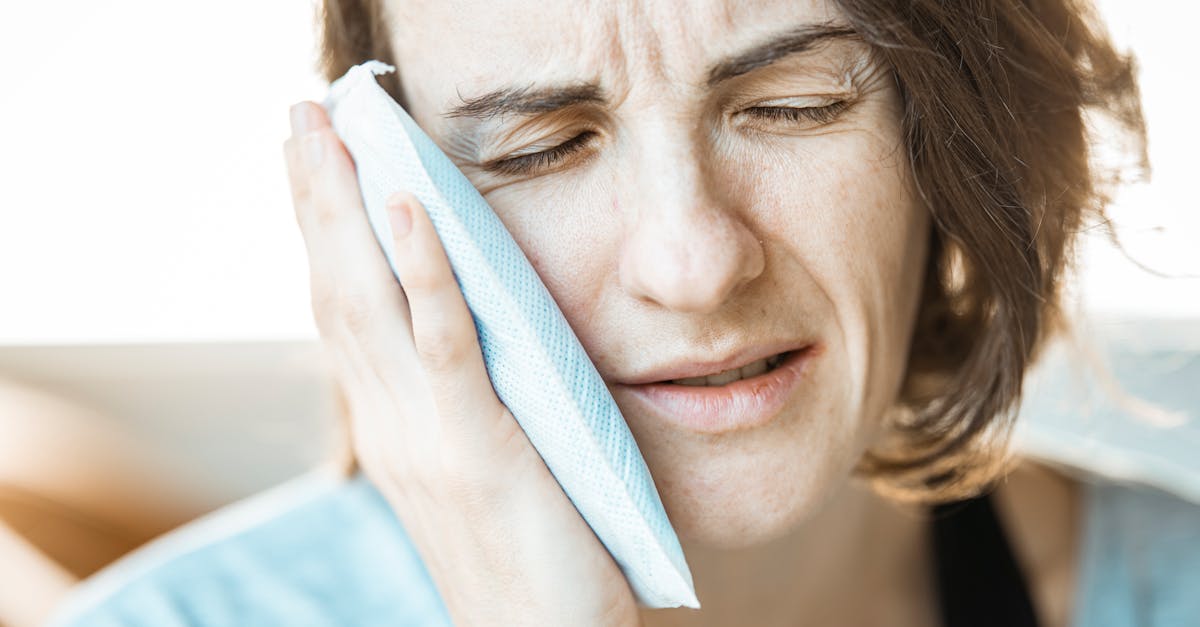
While awaiting the pharmacological unblocking of the Eustachian tube, managing the acute pain is paramount. Thermal therapy provides excellent localized, non-pharmacological relief. Applying a warm compress directly over the affected ear and the surrounding mastoid bone soothes the irritated nerve endings.
The heat stimulates localized vasodilation in the outer tissues and promotes muscular relaxation of the jaw and neck, which often tense up in response to severe ear pain. A warm, damp washcloth or a commercial microwaveable gel pack wrapped in a towel should be applied for fifteen to twenty minutes at a time.
Care must be taken to ensure the compress is not excessively hot to avoid thermal injury to the delicate skin of the auricle. The warmth also gently warms the trapped fluid within the middle ear, slightly altering its viscosity and making it marginally easier to drain once the tube opens.
Conversely, some patients find better relief with cold therapy, which numbs the superficial nerves and reduces localized swelling. Experimenting with both modalities safely helps determine which temperature provides the most profound analgesic effect for the individual.
7. Analgesic Interventions
The physical stretching of the eardrum generates significant, throbbing pain that requires systemic suppression. Over-the-counter nonsteroidal anti-inflammatory drugs, such as ibuprofen or naproxen, are the preferred pharmacological agents. They inhibit the synthesis of prostaglandins, dampening the chemical pain signals at the source of the inflammation.
Acetaminophen may be used concurrently to elevate the central pain threshold, providing robust relief during the crucial night hours when pain typically worsens. Strict adherence to the dosing schedule ensures a continuous blockade of the pain receptors.
Topical analgesic ear drops, containing benzocaine or lidocaine, can numb the exterior surface of the tympanic membrane, providing rapid but brief relief. However, these drops are strictly contraindicated if there is any suspicion that the eardrum has ruptured.
If a perforation exists, the numbing chemicals will bypass the eardrum and enter the middle ear, potentially causing severe damage to the delicate ossicles and the inner ear structures. They should only be utilized if a physician has confirmed the tympanic membrane is fully intact.
8. Sleep Positioning for Drainage
Gravity plays a significant role in the clearance of middle ear fluid. When a patient lies flat on their back, the anatomical angle of the Eustachian tube becomes horizontal. This eliminates any gravitational assistance and allows fluid to pool heavily against the tympanic membrane, dramatically increasing pain and pressure during the night.
To facilitate nocturnal drainage, the head must remain elevated. Utilizing multiple firm pillows or sleeping in a recliner keeps the head above the level of the heart. This elevation alters the angle of the Eustachian tube, creating a downward slope that encourages the fluid to flow naturally into the nasopharynx.
Furthermore, sleeping with the affected ear facing upward can reduce the hydrostatic pressure exerted on the eardrum. If both ears are affected, maintaining a strict upright posture is the most effective mechanical strategy for minimizing nighttime discomfort.
These positional adjustments prevent the agonizing morning earaches caused by fluid stagnation and ensure that the decongestant medications administered before bed can work optimally alongside physical gravity.
9. Hydration and Mucus Viscosity
The consistency of the fluid trapped in the ear dictates the speed at which it can drain. When the body is dehydrated, all mucosal secretions become thick, sticky, and highly viscous. This thick fluid cannot flow through the narrow, microscopic opening of the Eustachian tube.
Aggressive systemic hydration is required to thin these secretions. Patients must consume copious amounts of clear, non-caffeinated fluids throughout the day. Warm liquids, such as herbal teas or clear broths, provide the added benefit of generating steam in the back of the throat.
This steam physically warms and hydrates the mucosa of the nasopharynx directly surrounding the Eustachian tube opening. Avoiding diuretics like alcohol and high amounts of caffeine ensures that the ingested water is utilized for cellular hydration rather than being immediately excreted.
Maintaining a moist environment in the bedroom using a cool-mist humidifier prevents the respiratory tract from desiccating overnight. Inhaling humidified air keeps the nasal passages lubricated and prevents the mucosal tissues from cracking and further swelling.
10. Allergy Management
If the Eustachian tube dysfunction is triggered by an allergic reaction rather than a viral infection, decongestants alone will not provide a permanent cure. When allergens such as pollen, pet dander, or dust mites contact the nasal mucosa, local immune cells release massive amounts of histamine.
Histamine causes extreme vasodilation and vascular permeability, leading to rapid, severe swelling of the entire respiratory tract. To halt this cascade, systemic antihistamines must be administered. Second-generation oral antihistamines block the histamine receptors without causing the profound sedation associated with older medications.
For chronic allergic rhinitis, an intranasal corticosteroid spray is the most effective long-term intervention. These sprays deliver a potent anti-inflammatory directly to the swollen nasal tissues, shutting down the localized immune response and keeping the Eustachian tubes patent.
Identifying and eliminating the environmental triggers through proper air filtration and environmental hygiene is crucial for preventing recurrent episodes of fluid accumulation linked to seasonal or indoor allergies.
11. Identifying Bacterial vs Viral Etiologies
It is imperative to distinguish between sterile fluid accumulation and an active bacterial infection. Otitis media with effusion, the trapping of sterile fluid, usually resolves without antibiotics. The fluid acts as a mechanical nuisance rather than an infectious threat.
However, if bacteria from the throat migrate up the Eustachian tube and colonize the trapped fluid, the condition progresses to acute otitis media. This is a severe bacterial infection characterized by a rapidly worsening, localized earache, a high fever, and the presence of pus behind the eardrum.
An active bacterial infection will not respond to decongestants or physical maneuvers alone. It requires a targeted course of oral antibiotics to eradicate the pathogens and prevent the infection from spreading into the porous mastoid bone situated behind the ear.
If the patient experiences a sudden relief of pressure followed immediately by a discharge of bloody or foul-smelling fluid from the ear canal, it indicates that the eardrum has ruptured under the pressure of the infection. This requires prompt medical evaluation to ensure proper healing and appropriate antimicrobial coverage.
12. Dangers of Cotton Swabs and Foreign Objects
A common, yet highly dangerous, reaction to the sensation of a blocked ear is the insertion of cotton swabs, hairpins, or other foreign objects into the ear canal. Patients mistakenly believe the blockage is caused by cerumen, or earwax, and attempt to physically dig it out.
When the fluid is trapped behind the eardrum, nothing inserted into the outer canal will provide relief. Instead, cotton swabs push existing, healthy earwax deeper into the canal, compacting it against the already stretched and vulnerable tympanic membrane.
This impaction drastically worsens the conductive hearing loss and significantly increases the mechanical pressure on the eardrum, amplifying the pain. Furthermore, a sudden slip of the hand can drive the swab straight through the eardrum, causing immediate deafness and requiring surgical repair.
The outer ear canal is entirely self-cleaning. If wax impaction is genuinely suspected, it must be removed utilizing gentle, warm water irrigation by a medical professional or with safe, over-the-counter cerumenolytic drops that dissolve the wax chemically.
13. Summary of Treatment Modalities
To provide clarity on the immediate management of this condition, the following table summarizes the primary interventions and their specific physiological goals during an acute episode.
| Treatment Modality | Physiological Purpose |
|---|---|
| Oral Decongestants | Shrinks swollen mucosal tissue to mechanically open the Eustachian tube. |
| Valsalva Maneuver | Utilizes positive air pressure to forcibly pop the blocked tube open. |
| Warm Compresses | Provides localized vasodilation and soothes irritated sensory nerves. |
| Head Elevation | Uses gravity to encourage fluid drainage away from the middle ear. |
| Systemic Hydration | Thins mucosal secretions to allow them to flow through narrow passages. |
14. When to Seek Otolaryngology Evaluation
While most cases of trapped fluid resolve within a few weeks using conservative measures, persistent fluid requires evaluation by an Ear, Nose, and Throat specialist. Fluid that remains trapped for more than three months is classified as chronic otitis media with effusion.
Prolonged fluid exposure thickens the tympanic membrane and can lead to the erosion of the delicate ossicles, causing permanent conductive hearing loss. In children, this chronic hearing impairment severely delays speech and language development.
An otolaryngologist may recommend a myringotomy, a minor surgical procedure where a tiny incision is made in the eardrum to suction the fluid out immediately. Often, a small tympanostomy tube is inserted into the incision to keep the hole open, providing artificial ventilation until the Eustachian tube recovers its natural function.
Additionally, recurrent fluid accumulation in an adult without an obvious viral or allergic trigger mandates a thorough endoscopic examination of the nasopharynx to rule out structural masses or tumors obstructing the Eustachian tube orifice.
15. Frequently Asked Questions (FAQ)
1. Will hydrogen peroxide drops clear the fluid from my ear?
No, hydrogen peroxide only works in the outer ear canal to break down earwax. The fluid is trapped behind the waterproof eardrum, so outer ear drops cannot reach it or provide relief.
2. Why does my ear hurt worse when I lie down at night?
Lying flat removes the effect of gravity, allowing the trapped fluid to pool heavily against the sensitive eardrum, which increases the pressure and the pain.
3. Can I fly on an airplane with fluid in my ear?
Flying with a blocked Eustachian tube is highly discouraged. The rapid changes in cabin pressure cannot be equalized, which can cause excruciating pain and potentially rupture your eardrum.
4. How long does it take for the fluid to drain completely?
With the use of decongestants, the acute pain may subside in a few days, but it is normal for the actual fluid to take two to four weeks to completely drain from the middle ear cavity.
5. Are ear candles safe to draw out the fluid?
Ear candling is medically proven to be completely ineffective and highly dangerous. It cannot pull fluid from behind the eardrum and carries a severe risk of burning the ear canal or depositing hot wax onto the eardrum.
16. Bibliography
Disclaimer: The content is for informational purposes only and does not replace medical advice. Always consult your doctor for personalized treatment.


