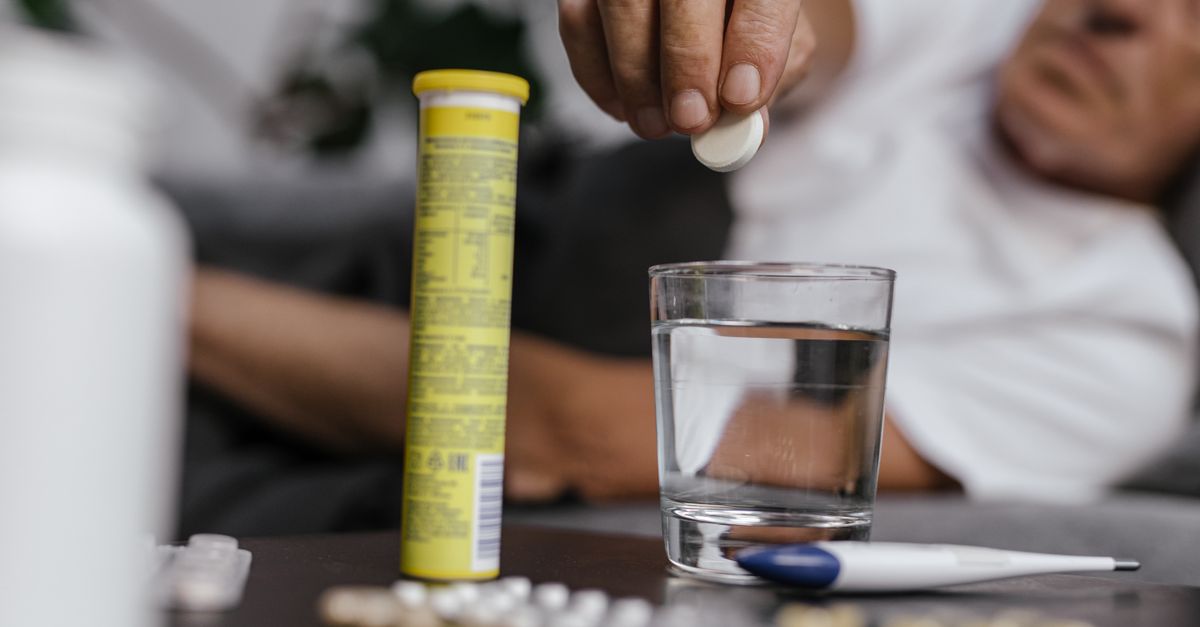
1. Introduction & Mechanism of Action of Acetaminophen Caplets
Acetaminophen Caplets contain the highly ubiquitous pharmacological agent acetaminophen, utilized globally as a primary analgesic and antipyretic. The most notable side effect of this profound central nervous system acting medication is a severe, dose-dependent risk of acute hepatic necrosis, which can rapidly culminate in fatal liver failure if dosing guidelines are ignored.
The exact mechanism of action for acetaminophen remains highly distinct from traditional nonsteroidal anti-inflammatory drugs. While standard NSAIDs block cyclooxygenase enzymes in the peripheral tissues to reduce inflammation, acetaminophen is believed to operate primarily within the central nervous system. It weakly inhibits the cyclooxygenase-1 and cyclooxygenase-2 enzymes, specifically blocking the synthesis of prostaglandins in the brain and spinal cord.
By halting the central production of these pain-signaling molecules, the medication effectively elevates the pain threshold, providing robust analgesia. Furthermore, its antipyretic action results from direct inhibition of the hypothalamic heat-regulating center. By blocking the action of endogenous pyrogens on this central thermostat, the medication forces the body to rapidly dissipate heat through profound peripheral vasodilation and sweating, effectively breaking severe fevers without providing significant peripheral anti-inflammatory effects.
2. Warnings & Before Taking Acetaminophen
The administration of acetaminophen requires strict adherence to daily dosing limits due to a critical black box warning regarding severe hepatotoxicity. Patients must meticulously track their total daily intake, ensuring they absolutely never exceed four thousand milligrams in a single twenty-four-hour period. Individuals with underlying severe hepatic impairment, chronic alcoholism, or active hepatitis must consult a physician prior to use, as their liver clearance capacity is severely compromised, lowering the threshold for fatal toxicity.
Furthermore, a significant warning exists regarding unintentional overdosing. Acetaminophen is a primary ingredient in hundreds of over-the-counter cold, flu, and sleep formulations. Patients must rigorously inspect the labels of all concurrent medications to avoid taking multiple products containing acetaminophen simultaneously. A documented history of severe hypersensitivity to acetaminophen completely contraindicates its use.
3. Indications & Dosage Guide for Acetaminophen Caplets
This medication is clinically indicated for the temporary palliation of mild to moderate somatic pain, including tension headaches, minor musculoskeletal aches, dysmenorrhea, and the symptomatic relief of acute fevers. It serves as a highly effective first-line analgesic for patients who cannot tolerate the gastrointestinal or cardiovascular risks associated with nonsteroidal anti-inflammatory drugs like ibuprofen.
The standard therapeutic dosage for adults is typically three hundred and twenty-five to one thousand milligrams taken orally every four to six hours while symptoms persist. The caplets should be swallowed whole with a full glass of water. It is absolutely imperative that patients adhere to the maximum daily limit of four thousand milligrams, though many hepatologists now recommend capping daily intake at three thousand milligrams for prolonged, consecutive days of use to preserve long-term hepatic integrity.
4. In-Depth Side Effects Analysis of Central Analgesics
When utilized strictly within the recommended dosing parameters, acetaminophen possesses an exceptionally favorable safety profile. The overwhelming majority of serious adverse reactions occur precisely when the hepatic metabolic pathways are overwhelmed by excessive doses.
Common Side Effects
At standard therapeutic doses, side effects are incredibly minimal. Some patients occasionally report mild gastrointestinal distress, including transient nausea or a slight upset stomach if the medication is taken completely fasted. Mild, temporary skin rashes have been reported but are generally infrequent and benign.
Serious Side Effects You Should Report
Immediate emergency evaluation is absolutely mandatory if the patient develops signs of acute liver injury. Early symptoms of hepatic toxicity include profound, unexplained nausea, severe right upper quadrant abdominal pain, dark brown urine, and prominent yellowing of the skin or sclera. Additionally, the sudden onset of widespread skin peeling, severe facial swelling, or severe blistering of the mucous membranes strongly indicates a catastrophic hypersensitivity reaction, such as toxic epidermal necrolysis, requiring immediate hospital intervention.
Rare Side Effects
In rare clinical instances, chronic high-dose administration has been loosely associated with minor hematological anomalies, including mild thrombocytopenia, leaving the patient slightly more susceptible to bruising. Rare cases of severe, unexpected renal tubular necrosis have been documented following massive acute overdoses, though the liver remains the primary target of toxicity.
Side Effects That Usually Do Not Require Medical Attention
A mild, transient increase in sweating as a high fever breaks, temporary minor fatigue following the resolution of acute pain, and brief, completely painless gastrointestinal gurgling are expected physiological responses to the medication and the underlying illness. These minor issues generally remain stable and demand zero emergency clinical concern.
| Side Effect Category | Specific Symptoms |
|---|---|
| Expected & Mild | Mild nausea, transient sweating, temporary fatigue |
| Severe Hepatic | Jaundice, dark urine, severe upper right abdominal pain |
| Dermatological Emergency | Widespread skin blistering, severe facial swelling, skin peeling |
5. Overdose or Ingestion Symptoms of Acetaminophen
Ingesting a massive supratherapeutic dose of this medication results in a severe, delayed metabolic crisis. In the liver, excessive acetaminophen saturates the primary safe metabolic pathways, forcing the drug down a secondary pathway that produces N-acetyl-p-benzoquinone imine, a highly toxic, destructive metabolite that rapidly destroys liver cells.
Symptoms of systemic overdose are deceptively mild during the first twenty-four hours, often limited to vague nausea and lethargy. However, irreversible liver necrosis proceeds silently, leading to acute liver failure, hepatic encephalopathy, coma, and death within several days. If an overdose is suspected, the patient must be transported to an emergency department immediately, even if they feel perfectly fine. The administration of the precise pharmacological antidote, acetylcysteine, must begin rapidly to neutralize the toxic metabolite and save the liver.
6. Missed Dose & What to Avoid
If a patient completely forgets a scheduled dose for pain or fever, they should simply take it as soon as they remember, provided the symptoms remain present. If it is already time for the next scheduled dose, they must skip the missed dose entirely. Patients must absolutely never take a double dose to catch up, as this directly triggers an acute spike in toxic metabolites.
Patients utilizing this profound central analgesic must rigorously avoid heavy or regular alcohol consumption. Alcohol actively induces the specific liver enzymes responsible for converting acetaminophen into its toxic metabolite, while simultaneously depleting the liver of the antioxidant glutathione needed to neutralize it. Combining alcohol with acetaminophen exponentially increases the risk of triggering fatal acute liver failure.
7. Drug & Skincare Interactions with Acetaminophen Caplets
Acetaminophen exhibits highly dangerous pharmacological interactions with medications that heavily induce hepatic cytochrome P450 enzymes. Concomitant use with systemic anticonvulsants or the tuberculosis drug rifampin drastically accelerates the production of the toxic liver metabolite, significantly increasing the risk of severe hepatotoxicity even at standard therapeutic doses.
Furthermore, chronic, high-dose administration of acetaminophen can enhance the anticoagulant effect of warfarin. The exact mechanism remains unclear, but patients taking both medications require highly vigilant monitoring of their international normalized ratio to prevent spontaneous, severe internal hemorrhage. There are no known severe interactions with standard over-the-counter topical skincare products.
8. Precautions, Safety & Duration of Action for Acetaminophen
The biological duration of action for acetaminophen typically ranges from four to six hours, necessitating repeated dosing for sustained relief of severe symptoms. Because the medication does not provide peripheral anti-inflammatory effects, it should not be relied upon as a primary monotherapy for severe inflammatory conditions like acute rheumatoid arthritis flares.
To guarantee maximum clinical safety and chemical stability, the caplets must be stored strictly at room temperature, entirely protected from excess ambient moisture and heat. The medication must remain entirely inaccessible to young children. Flavored pediatric liquid suspensions of acetaminophen are the leading cause of accidental, life-threatening pediatric poisonings worldwide.
9. How to Stop Taking the Drug & Storage/Disposal
Discontinuing this medication does not pose a physiological withdrawal risk. Patients simply cease taking the caplets once the acute fever has broken or the underlying somatic pain has resolved. It is not intended for chronic, daily use exceeding ten days without explicit supervision by a medical professional.
Unneeded or expired medication must be returned to a specialized pharmacy disposal program. Flushing highly ubiquitous pharmaceutical agents down a municipal drain poses severe, cumulative toxicological threats to local water supplies and the surrounding aquatic ecosystem.
10. When to See a Doctor
Immediate medical intervention is absolutely mandated if the patient experiences sudden, severe, and unrelenting pain in the upper right side of the abdomen, accompanied by violent vomiting or severe yellowing of the eyes. This indicates acute drug-induced liver injury, a life-threatening emergency requiring urgent hospital admission and massive intravenous antidote administration.
Patients must also seek emergency clinical assessment if their high fever persists for more than three consecutive days despite taking the medication, or if their acute pain progressively worsens over a seven-day period. These parameters strongly indicate that the underlying infection or structural injury requires targeted medical intervention rather than simple symptomatic suppression.
Frequently Asked Questions (FAQ)
1. Does acetaminophen reduce severe swelling and inflammation?
No, unlike medications such as ibuprofen or naproxen, acetaminophen works primarily in the brain and spinal cord to block pain signals. It possesses virtually no ability to reduce peripheral tissue swelling or severe inflammation.
2. Why is taking this with alcohol so dangerous?
Alcohol completely alters how your liver processes the drug. It increases the production of a highly toxic byproduct while simultaneously draining your liver’s ability to neutralize it, leading rapidly to severe liver damage.
3. Can I take acetaminophen if I am already taking a multi-symptom cold medicine?
You must carefully read the label of the cold medicine. Hundreds of over-the-counter cold and flu products already contain high doses of acetaminophen. Taking both will cause a severe, accidental overdose.
4. Is it safe to take this medication on an empty stomach?
Yes, acetaminophen is generally very gentle on the stomach lining and does not cause the severe bleeding ulcers associated with nonsteroidal anti-inflammatory drugs. It can be safely taken without food.
5. How much acetaminophen is strictly too much in one day?
Medical guidelines strictly state you must never exceed four thousand milligrams in a single twenty-four-hour period. Many liver specialists now recommend staying below three thousand milligrams for added safety.
6. What should I do if I accidentally take way too much at once?
You must proceed to a hospital emergency room immediately, even if you feel perfectly fine. An overdose destroys your liver silently over several days, and the antidote must be given quickly to work.
7. Why did my doctor tell me to watch my bleeding while on this and warfarin?
Taking high doses of acetaminophen for several days can unexpectedly increase the blood-thinning effect of warfarin, putting you at a significant risk for unexpected internal bleeding.
8. Can pregnant women safely take this medication?
Acetaminophen is currently considered one of the safest pain and fever reducers available for use during pregnancy, but you must always consult your obstetrician before taking any medication while pregnant.
Bibliography
Disclaimer: The content is for informational purposes only and does not replace medical advice. Always consult your doctor or pharmacist for personalized treatment.