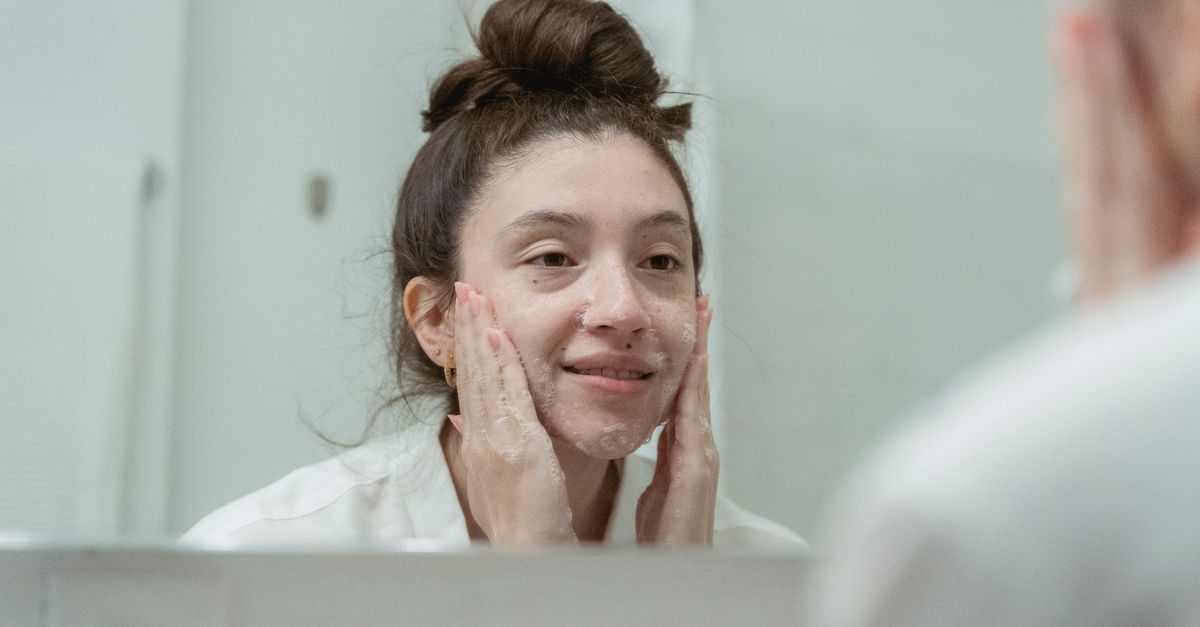
Acne Therapy products utilizing benzoyl peroxide are potent, over-the-counter antimicrobial treatments for mild to moderate acne vulgaris. The most prominent side effect is severe localized skin desiccation, peeling, and erythema, coupled with a well-documented chemical capacity to permanently bleach hair and dyed fabrics.
1. Introduction & How Benzoyl Peroxide Works in the Body
Benzoyl peroxide operates as a highly effective topical bactericidal and mild keratolytic agent. Upon contact with the skin, the compound decomposes to release highly reactive free radical oxygen species.
The primary target of these free radicals is Cutibacterium acnes, the anaerobic bacterium primarily responsible for inflammatory acne lesions. Because this specific bacterium thrives in oxygen-depleted environments deep within the sebaceous follicles, the sudden influx of oxygen free radicals aggressively oxidizes bacterial proteins, rapidly destroying the bacterial cell walls and leading to massive bacterial eradication.
Beyond its antimicrobial action, benzoyl peroxide exhibits mild keratolytic and comedolytic properties. It actively breaks down the keratin bonds holding dead skin cells together. This gentle peeling action helps to unclog impacted pores, allowing trapped sebum to escape and preventing the formation of future microcomedones. Because it destroys bacteria via oxidation rather than metabolic interference, Cutibacterium acnes cannot mutate or develop bacterial resistance to this therapy.
2. Critical Warnings & Prerequisites Before Using Benzoyl Peroxide
While universally available without a prescription, benzoyl peroxide requires cautious application. Patients must never apply this medication to severely sunburned skin, active eczema patches, or open lacerations. Applying a potent oxidizing agent to compromised skin will precipitate agonizing chemical burns and severely delayed wound healing.
A critical lifestyle warning involves the potent bleaching properties of the compound. Benzoyl peroxide will permanently remove the color from hair, towels, pillowcases, and clothing. Patients must ensure the product is completely washed off or fully dried, and should exclusively use white towels and white bed linens while undergoing continuous daily treatment.
Individuals with highly sensitive skin or those suffering from severe rosacea must approach this therapy cautiously. The drug is a known irritant, and an excessively strong formulation can rapidly trigger severe irritant contact dermatitis, causing the face to become intensely red, swollen, and painful to the touch.
3. Indications & Dosage Guidelines for Benzoyl Peroxide
This topical therapy is indicated for the acute and prophylactic treatment of mild to moderate acne vulgaris. It is available in various forms, including facial washes, leave-on gels, and spot treatments, with concentrations typically ranging from two point five percent to ten percent.
Clinical dermatological guidelines strongly recommend starting with the lowest available concentration, usually two point five percent, applied exactly once daily. Clinical evidence proves that higher concentrations often provide zero additional acne-clearing benefits but drastically multiply the severity of skin peeling and irritation.
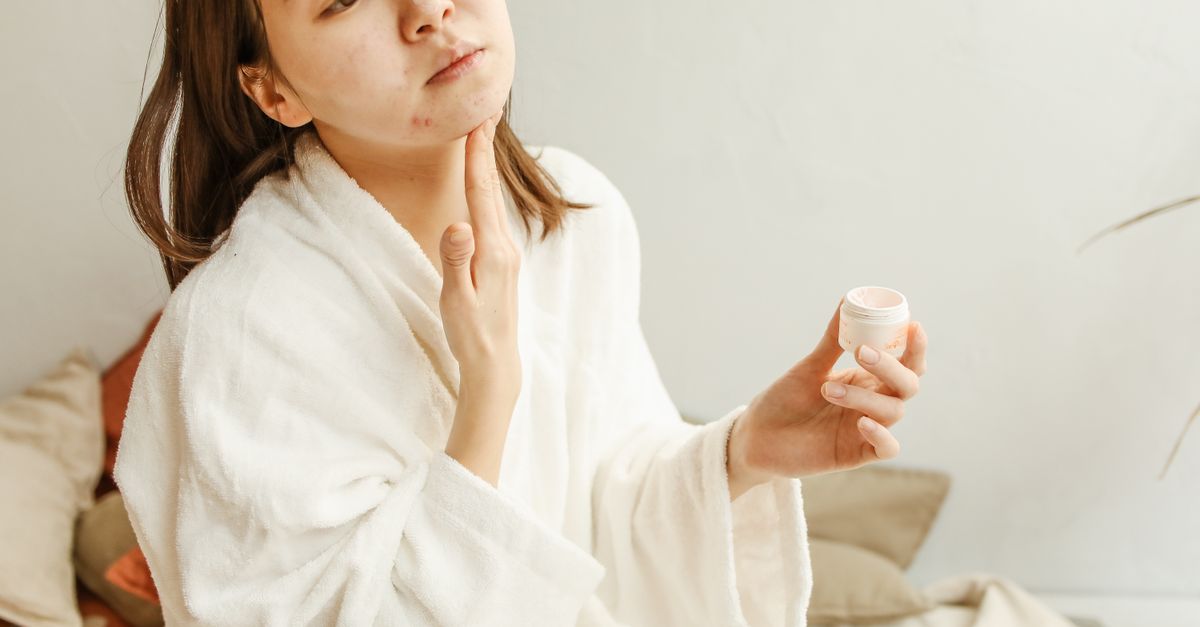
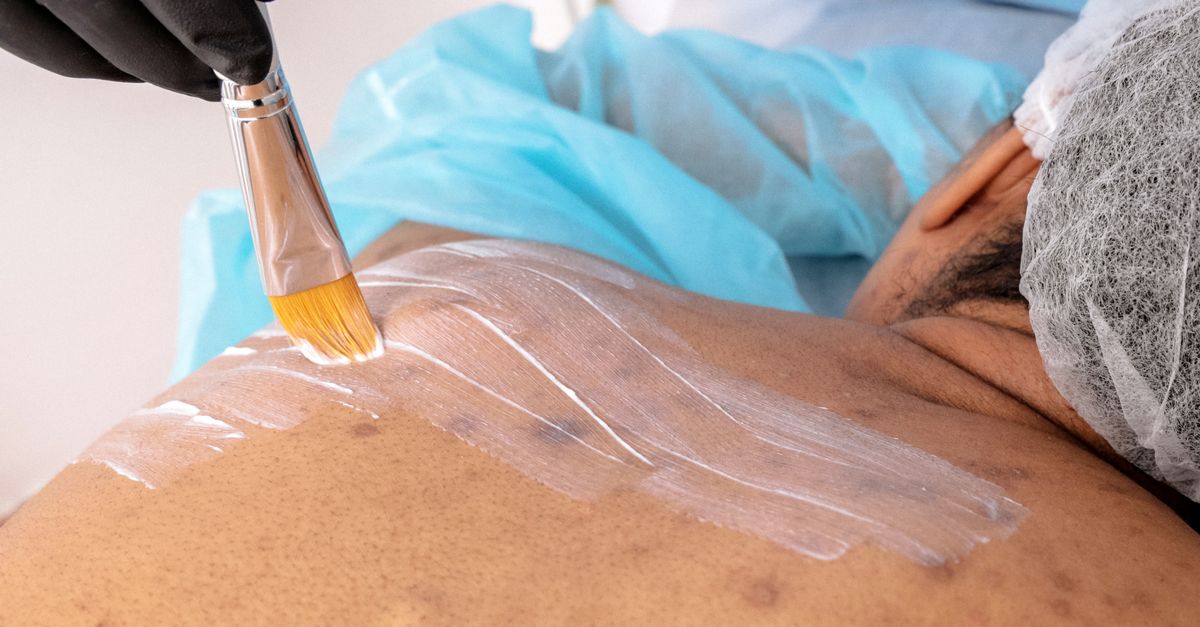
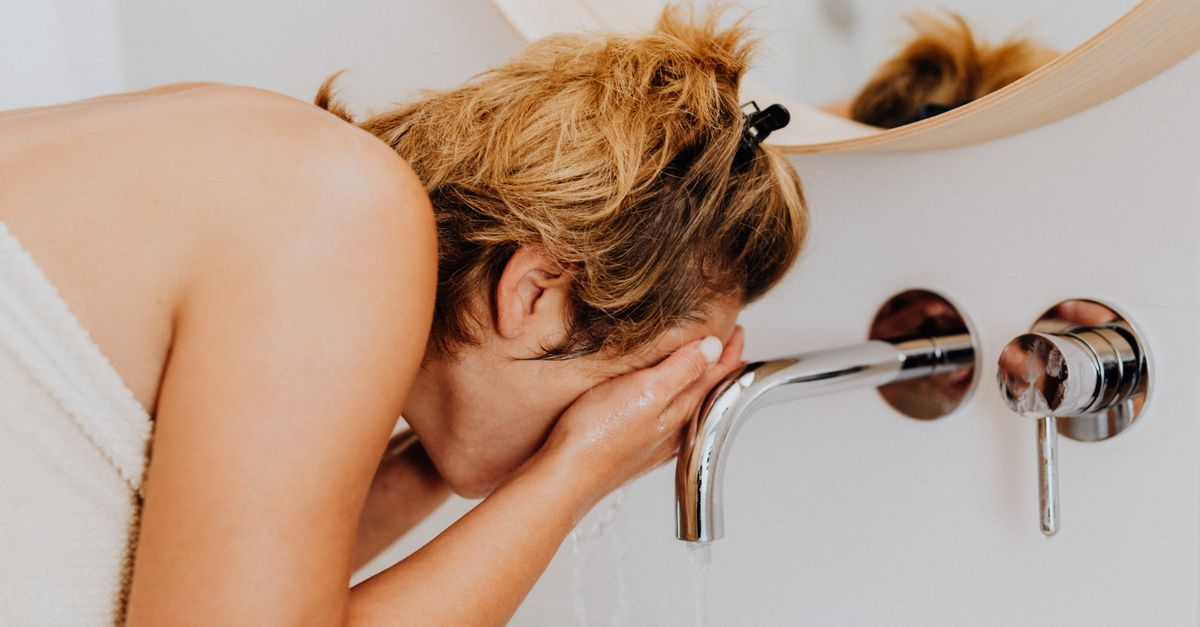
The skin must be gently washed and completely dried before application. The user should apply a very thin layer exclusively to the acne-prone areas, not just the active pimples. If the skin tolerates the treatment well after a week, usage may be gradually titrated up to twice daily.
4. In-Depth Side Effects Analysis of Benzoyl Peroxide
Adverse reactions are entirely restricted to the epidermis. The severity of the side effects is directly proportional to the concentration used and the frequency of application.
Common Side Effects
Virtually all patients will experience a mild adjustment phase during the first two weeks of therapy. Expected physiological responses include mild to moderate skin peeling, localized dryness, a slight sensation of tightness, and mild transient erythema. A mild tingling sensation immediately upon application is highly common.
Serious Side Effects You Should Report
Seek immediate medical assessment if you develop severe, burning redness, massive facial swelling, or fluid-filled blisters across the treated areas. These symptoms strongly indicate an acute allergic contact dermatitis or a severe chemical burn resulting from excessive application. Sudden, intense swelling of the eyelids and lips points toward a severe systemic hypersensitivity reaction requiring emergency care.
Rare Side Effects
In highly isolated instances of prolonged misuse, patients may develop severe post-inflammatory hyperpigmentation. This occurs when the skin becomes so severely irritated and inflamed by the peroxide that the localized melanocytes overproduce pigment, leaving dark brown marks long after the acne has cleared.
Side Effects That Usually Do not Require Medical Attention
Minor scaling around the nose and mouth, or a temporary increase in microscopic skin flaking, is the intended keratolytic action of the medication. This typically resolves as the skin builds tolerance and can be easily managed with a non-comedogenic facial moisturizer.
| Side Effect Category | Specific Symptoms |
|---|---|
| Dermatological Irritation | Severe dryness, scaling, peeling, erythema |
| Chemical Properties | Permanent bleaching of hair and dyed fabrics |
| Immunological | Allergic contact dermatitis, severe facial swelling |
| Pigmentary (Rare) | Post-inflammatory hyperpigmentation from severe burns |
5. Overdose Symptoms & Emergency Response for Benzoyl Peroxide
An overdose of benzoyl peroxide via topical application manifests as a severe dermatological crisis rather than systemic toxicity. Applying excessively thick layers of ten percent gel multiple times a day will rapidly induce severe irritant contact dermatitis, characterized by deep, painful cracking of the skin, intense burning, and severe crusting.
Emergency management for a topical overdose involves immediate cessation of the product. The face must be washed gently with cold water to remove any active chemical. The patient should apply a bland, occlusive healing ointment, such as pure petroleum jelly, to protect the destroyed skin barrier, and seek dermatological care if severe blistering occurs.
6. Missed Dose & What to Avoid While Using Benzoyl Peroxide
Because acne therapy requires consistency, a missed dose should simply be skipped. The patient must resume the normal application schedule the following day. Applying a double layer of the gel to compensate for a missed day will absolutely trigger a severe burning reaction.
Patients must strictly avoid using harsh physical scrubs, abrasive facial brushes, or alcohol-based astringent toners while using this medication. The skin barrier is heavily compromised by the peroxide, and adding physical friction will cause severe micro-tearing. Furthermore, excessive sun exposure must be avoided, as the thinned, peeling skin is highly susceptible to severe, rapid sunburns.
7. What Drugs Interact With Benzoyl Peroxide?
Systemic pharmacokinetic interactions do not occur because the medication is not absorbed into the bloodstream. Clinical concerns revolve entirely around concurrent topical dermatological agents.
The most critical interaction occurs with prescription tretinoin. Benzoyl peroxide is a potent oxidizing agent that will instantly chemically degrade and destroy tretinoin molecules if they are applied simultaneously, rendering the prescription retinoid completely useless. They must be applied at entirely different times of the day. Furthermore, applying benzoyl peroxide concurrently with topical dapsone gel causes a harmless but highly alarming chemical reaction that temporarily stains the skin and facial hair bright yellow or orange.
8. Precautions, Safety & Duration of Action
The bactericidal action begins immediately upon application, but visible clinical improvements in severe acne take a minimum of four to six weeks. The patient must demonstrate extreme patience and not increase the dosage prematurely, as the primary barrier to successful treatment is a lack of compliance due to early skin irritation.
To mitigate severe dryness, patients must proactively implement a robust hydration routine. Applying a high-quality, oil-free moisturizer immediately after the benzoyl peroxide has fully dried will significantly repair the epidermal barrier and heavily reduce the incidence of severe peeling without compromising the medication’s efficacy.
9. How to Stop Using Benzoyl Peroxide & Proper Storage
Discontinuing the medication requires no tapering protocol. However, acne vulgaris is a chronic condition driven by internal hormones. Stopping the medication abruptly will almost certainly result in a massive resurgence of inflammatory acne within a few weeks as the bacterial populations recover. Maintenance therapy is highly recommended even after the skin clears.
The tubes or bottles must be stored securely at room temperature. Extreme heat will rapidly destabilize the peroxide molecules, completely destroying their ability to release the necessary oxygen free radicals. Ensure the cap is secured tightly to prevent the product from drying out and crusting inside the nozzle.
10. When to See a Doctor
Routine dermatological evaluation is recommended if over-the-counter therapy fails to control the acne after eight weeks of consistent use. Immediate medical care is mandatory if the patient develops severe, oozing sores on the face, profound unexplainable facial swelling, or extreme pain, indicating a severe chemical injury or dangerous secondary bacterial infection.
11. Frequently Asked Questions
1. Why did this medication bleach my favorite shirt?
Benzoyl peroxide is a highly potent oxidizing agent, chemically similar to the bleach used in laundry. If the cream touches colored fabrics, towels, or even your eyebrows, it will permanently strip the color away.
2. Does a ten percent cream work faster than a two point five percent cream?
Clinical studies show that a two point five percent concentration kills exactly the same amount of acne-causing bacteria as a ten percent concentration, but the higher strength causes significantly more severe peeling, redness, and burning.
3. Why is my face peeling so badly after three days of use?
The medication forces your skin cells to shed rapidly to unclog your pores. This severe peeling is a highly common adjustment phase. Using a strong moisturizer and reducing your application to every other day will help your skin adapt.
4. Can I use this at exactly the same time as my prescription retinoid?
No. The chemical structure of benzoyl peroxide destroys most prescription retinoids on contact. You must apply the peroxide in the morning and your retinoid at night to ensure both medications work properly.
5. Will this medication cause me to become resistant to antibiotics?
No. Unlike topical antibiotic creams, benzoyl peroxide kills bacteria by blowing apart their cell walls with oxygen. Bacteria physically cannot mutate to develop resistance to this specific chemical attack.
6. Is it safe to spot-treat a single large pimple?
Yes, it is highly effective as a spot treatment. However, applying a massive glob of the cream to one spot will likely cause a localized chemical burn, leaving a dark, flaky scab. Always use a very thin layer.
7. Why did my skin turn orange when I used this with my other acne cream?
If you use benzoyl peroxide at the same time as a prescription acne gel called dapsone, the two chemicals react instantly on your skin, creating a temporary bright yellow or orange stain.
12. Bibliography
Disclaimer: The content is for informational purposes only and does not replace medical advice. Always consult your doctor or pharmacist for personalized treatment.