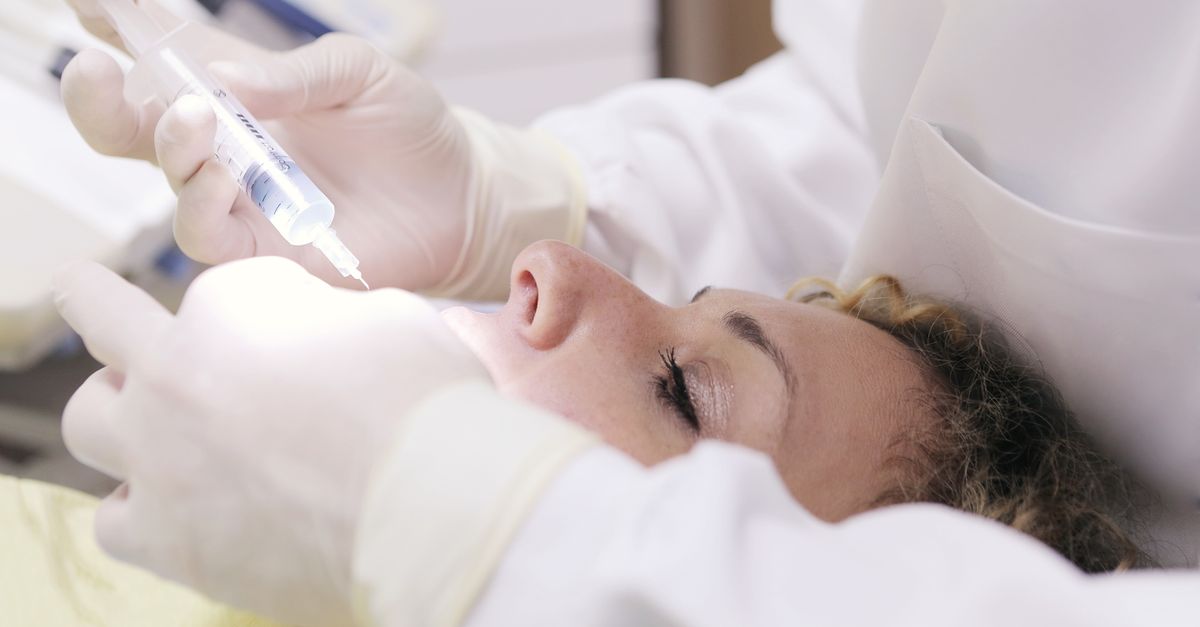
1. Introduction and Mechanism of Action for Advanced Numb Topical Anesthetic
Advanced Numb Topical Anesthetic is a highly effective, localized pharmacological preparation utilized to temporarily desensitize the epidermal layers. The most notable side effect involves localized dermal irritation, though severe systemic toxicity can occur with massive misapplication. It is a vital asset for mitigating acute pain during superficial cutaneous procedures.
The active compound driving this formulation is lidocaine hydrochloride, a well-established amide local anesthetic. Upon topical application, the active molecules permeate the stratum corneum and diffuse down to the sensory nerve endings situated in the dermis. The drug specifically targets and binds to voltage-gated sodium channels on the neuronal membrane.
This direct binding effectively plugs the channel, entirely preventing the influx of sodium ions that are essential for neuronal depolarization. By arresting this electrical cascade, the medication completely halts the propagation of action potentials, effectively silencing the localized pain receptors and preventing the central nervous system from registering discomfort.
2. Warnings and Before Taking Advanced Numb Topical Anesthetic
A critical clinical warning is issued against applying this potent formulation over vast, continuous surface areas of the body. When applied too broadly, especially under an occlusive dressing, the sheer volume of anesthetic absorbed into the systemic circulation can precipitate catastrophic central nervous system and cardiovascular toxicity.
Patients with severe, pre-existing cardiac arrhythmias or profound hepatic insufficiency must exercise extreme caution. Because the liver is entirely responsible for metabolizing amide anesthetics, hepatic impairment drastically slows the clearance rate. This allows the drug to dangerously accumulate in the bloodstream, severely increasing the risk of systemic cardiac depression.
This product is strictly contraindicated for individuals with a documented hypersensitivity to amide-type local anesthetics. Exposure in these highly sensitized patients can rapidly trigger severe allergic contact dermatitis or, in extraordinarily rare instances, a systemic anaphylactic response.
3. Indications and Dosage Guide for Advanced Numb Topical Anesthetic
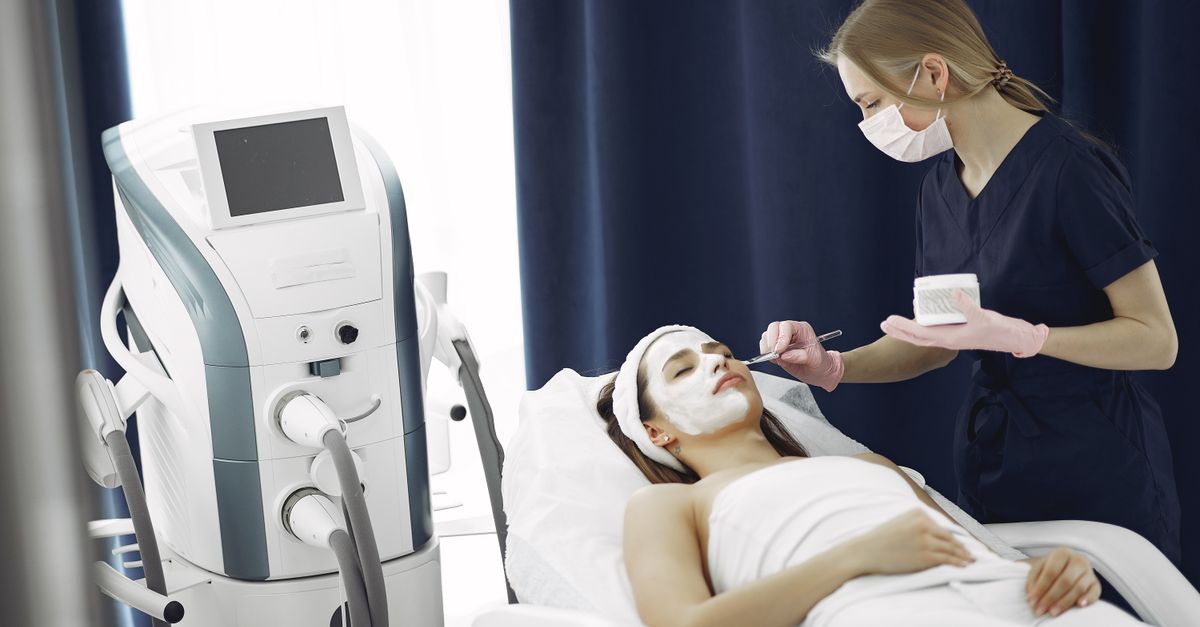
The cream is explicitly indicated for the temporary desensitization of intact skin prior to painful dermatological procedures, including laser hair removal, tattooing, microdermabrasion, and minor needle insertions. It is also utilized for the temporary relief of pain from minor abrasions and severe sunburns.
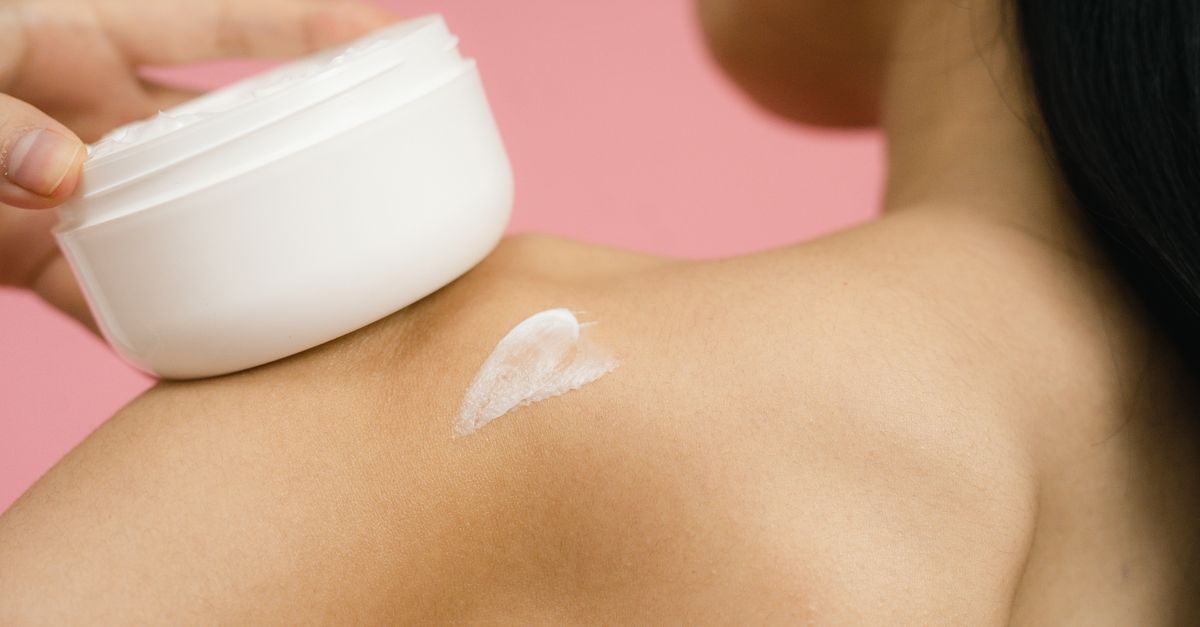
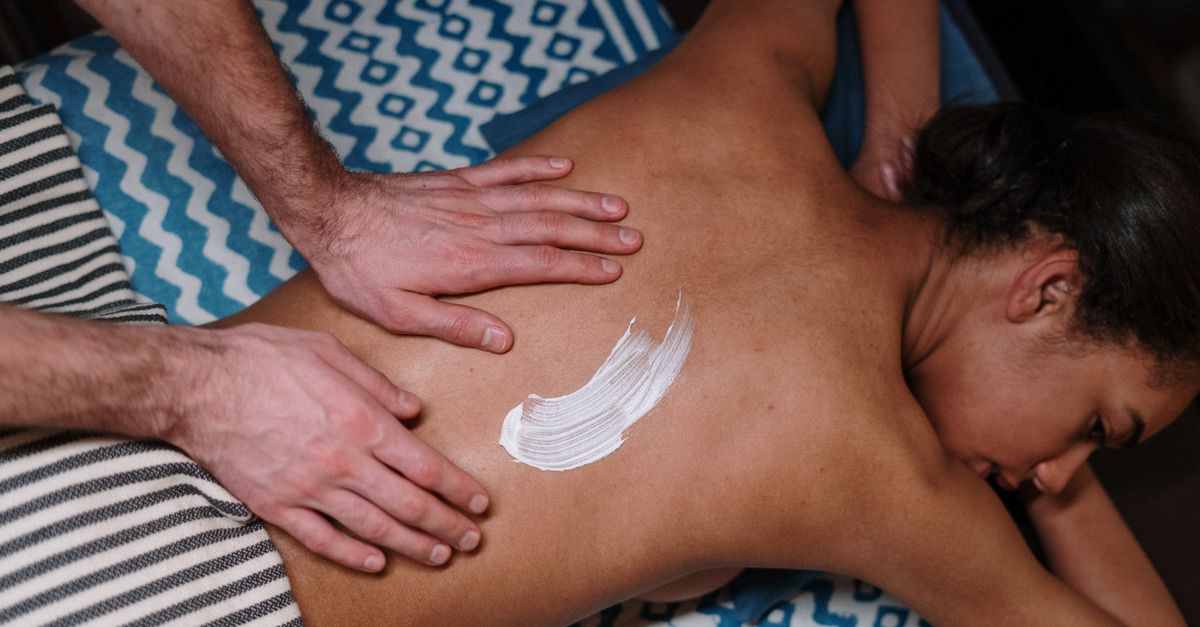
Clinical application requires spreading a uniform, moderate layer of the cream directly onto the targeted, intact skin. The preparation should remain undisturbed on the skin surface for a period of twenty to forty-five minutes prior to the planned procedure to ensure optimal dermal penetration and subsequent numbness.
Crucially, all residual cream must be completely wiped away from the skin surface before beginning any procedure that breaks the skin barrier. Application should be limited to the smallest possible surface area necessary, and patients must never exceed the maximum daily application limits specified by the manufacturer.
4. In-Depth Side Effects Analysis of Advanced Numb Topical Anesthetic
While generally safe when utilized on small areas of intact skin, understanding the spectrum of potential localized and systemic adverse reactions is vital for safe utilization.
Common Side Effects
The most prevalent side effects remain confined entirely to the site of application. Patients frequently note a transient, mild blanching of the skin, caused by the localized vasoconstrictive properties of the drug. A brief sensation of mild stinging, warmth, or localized itching often occurs immediately upon application before the numbing effect fully engages.
Serious Side Effects You Should Report
Immediate medical intervention is required if symptoms of systemic absorption manifest. These critical neurological signs include profound confusion, severe dizziness, auditory ringing, blurred vision, or generalized muscle twitching. These symptoms dictate that a toxic volume of the anesthetic has breached the systemic circulation.
Patients must also urgently report signs of a severe localized allergic response. If the application site develops severe, painful, weeping blisters or significant localized swelling that radiates beyond the initial area, the medication must be discontinued immediately.
Rare Side Effects
In highly isolated, severe overdoses, the central nervous system excitation can progress rapidly into generalized seizures, eventually leading to profound respiratory depression. The development of clinical methemoglobinemia, a condition severely impairing blood oxygenation, is a very rare but documented risk associated with topical amides.
Side Effects That Usually Do not Require Medical Attention
A fleeting sensation of coldness as the cream evaporates and slight, temporary erythema that resolves rapidly upon removal of the cream are standard physiological responses. Provided these minor reactions do not worsen, clinical follow-up is not required.
| Side Effect Category | Specific Symptoms |
|---|---|
| Common | Mild stinging, transient blanching, localized warmth |
| Serious | Auditory ringing, muscle twitching, severe dizziness |
| Allergic | Severe weeping blisters, expanding swelling |
| Rare | Respiratory depression, seizures |
5. Overdose Symptoms and Management for Advanced Numb Topical Anesthetic
A systemic overdose is a life-threatening medical emergency. It almost exclusively results from catastrophic patient error, such as slathering thick layers of the medication over large portions of the body and sealing it under plastic wrap to artificially force rapid absorption.
The clinical presentation of lidocaine toxicity is distinctly biphasic. The initial stage is highly excitatory, presenting with severe anxiety, visual hallucinations, profound tremors, and generalized convulsions. As the central nervous system rapidly exhausts itself, the patient crashes into the depressive phase, characterized by acute respiratory failure and catastrophic cardiovascular collapse.
Emergency management requires immediate, advanced life support. Treatment focuses on securing the airway, administering aggressive anticonvulsant therapy, and providing robust cardiovascular support. In instances of refractory cardiac arrest, intravenous lipid emulsion therapy must be initiated to rapidly extract the lipid-soluble anesthetic from the myocardial tissues.
6. Missed Dose and What to Avoid While on Advanced Numb Topical Anesthetic
Given that this formulation is utilized entirely on an as-needed, prophylactic basis prior to procedures, a strict dosing schedule does not apply. If the targeted area requires further desensitization, the patient must strictly adhere to the designated time intervals between applications to prevent dangerous systemic accumulation.
Patients must absolutely avoid applying this potent cream to any mucous membranes, particularly the eyes, inner nose, or oral cavity. Introduction to these highly vascular tissues results in exceptionally rapid, uncontrolled systemic absorption and severe localized chemical burning.
Furthermore, avoid engaging in strenuous physical activity or exposing the treated skin to high heat immediately after application. Elevated body temperature and increased localized blood flow drastically accelerate the systemic uptake of the active compound, bypassing the intended localized effect.
7. Drug and Alcohol Interactions with Advanced Numb Topical Anesthetic
Systemic drug interactions are generally avoided through proper, localized application. However, patients prescribed systemic Class I antiarrhythmic drugs must exercise profound caution. If significant amounts of the topical anesthetic are absorbed, the additive cardiovascular effects can precipitate unpredictable and severe cardiac arrhythmias.
Concurrent utilization of other over-the-counter topical anesthetics, such as tetracaine or prilocaine creams, is strictly contraindicated. Combining multiple local anesthetics offers no superior localized pain relief but dangerously compounds the risk of reaching a toxic threshold in the central nervous system.
Dietary alcohol consumption possesses no direct chemical interaction with the active compound on the skin. However, alcohol significantly impairs judgment, rendering a patient much more susceptible to misinterpreting dosing instructions and accidentally inducing a fatal systemic overdose through gross misapplication.
8. Precautions, Safety, and Duration of Action for Advanced Numb Topical Anesthetic
The medication provides a rapid onset of action, typically achieving profound localized anesthesia within thirty to forty-five minutes of a continuous application. The resultant numbing effect generally persists for one to two hours following the complete removal of the residual cream.
Extreme caution must be exercised when utilizing this formulation on pediatric patients. The pediatric epidermal layer is remarkably thin, and their high surface-area-to-mass ratio ensures they absorb topical medications at a dangerously accelerated rate compared to healthy adults, making them highly vulnerable to toxicity.
Following application, the desensitized skin must be rigorously protected from physical injury. Because the sensory nerves are temporarily paralyzed, the patient is entirely incapable of feeling secondary thermal burns or mechanical trauma, which can lead to severe, inadvertently inflicted tissue damage.
9. How to Stop Taking Advanced Numb Topical Anesthetic and Storage Guidelines
Therapy is halted immediately once the painful procedure is finalized or the acute dermal pain has resolved. The drug interacts solely with peripheral nerves and completely spares the central nervous system reward pathways, eliminating any risk of physiological dependency or withdrawal.
The cream must be stored securely at a stable room temperature, away from extreme heat sources and direct sunlight. Exposing the product to high ambient temperatures will irreversibly degrade the active chemical molecule and cause the emulsion base to permanently separate.
Prompt, secure disposal of the container is necessary once the product is no longer required. Leaving partially used tubes of potent anesthetic cream in accessible locations creates a massive hazard for accidental, lethal ingestion by young children or domestic pets.
10. When to See a Doctor Regarding Advanced Numb Topical Anesthetic
Medical evaluation is critical if the application site develops a severe, painful, and expanding red rash that persists long after the medication has been washed off. This presentation suggests a severe allergic contact dermatitis that requires targeted topical corticosteroid intervention.
Seek emergency assistance immediately if the patient displays any signs of systemic neurological toxicity, including sudden confusion, inability to articulate words, slurred speech, or profound, unexplained drowsiness following the application of the cream.
Consult a physician urgently if the numbing sensation completely fails to resolve after several hours, or if you experience a persistent tingling or loss of motor function in the treated area. This indicates potential, localized nerve damage requiring specialized neurological assessment.
Frequently Asked Questions (FAQ)
1. How does this medication block the pain of a tattoo?
It temporarily shuts down the specific electrical channels in your skin nerves, completely preventing the pain signals from reaching your brain during the procedure.
2. Can I use this cream on a large burn across my back?
No. Applying this potent cream to a massive surface area, especially broken skin, allows dangerous amounts of the chemical to enter your bloodstream rapidly.
3. Why do I need to wipe the cream off before the procedure begins?
The cream must be removed to prevent the active chemicals from being pushed directly into the deeper tissues or bloodstream by needles or lasers.
4. Is it safe to use this inside my mouth for a canker sore?
Absolutely not. This specific formulation is highly toxic if applied to the mucous membranes of the mouth or accidentally swallowed.
5. How long should I leave the cream on before my procedure?
For maximum effect, it generally needs to remain on the skin for twenty to forty-five minutes, but you must adhere to the specific instructions provided by your practitioner.
6. Can I wrap the area in plastic to make it work better?
You should never use plastic wrap unless explicitly instructed and monitored by a doctor, as it forces rapid absorption that can easily cause a fatal overdose.
7. Will this cream interact with my daily vitamins?
No, because it is applied topically and minimally absorbed, it does not interact with standard oral vitamins or supplements.
8. Why does my skin feel slightly warm when I first apply it?
The cream base can briefly stimulate the skin surface before the active numbing agent fully engages and shuts down the sensory nerves.
9. Can I use a heating pad over the numbed skin later that day?
It is highly dangerous. Your skin is numb and cannot feel heat, making it incredibly easy to accidentally give yourself a severe third-degree burn.
10. Is it safe to use on my child’s skin before a shot?
You must consult a pediatrician first. Children absorb topical chemicals very quickly, and adult formulations can easily cause a toxic overdose in a small child.
Bibliography
Disclaimer: The content is for informational purposes only and does not replace medical advice. Always consult your doctor or pharmacist for personalized treatment.