
1. Introduction and Mechanism of Action for Aipatch Numbing Pain Relief
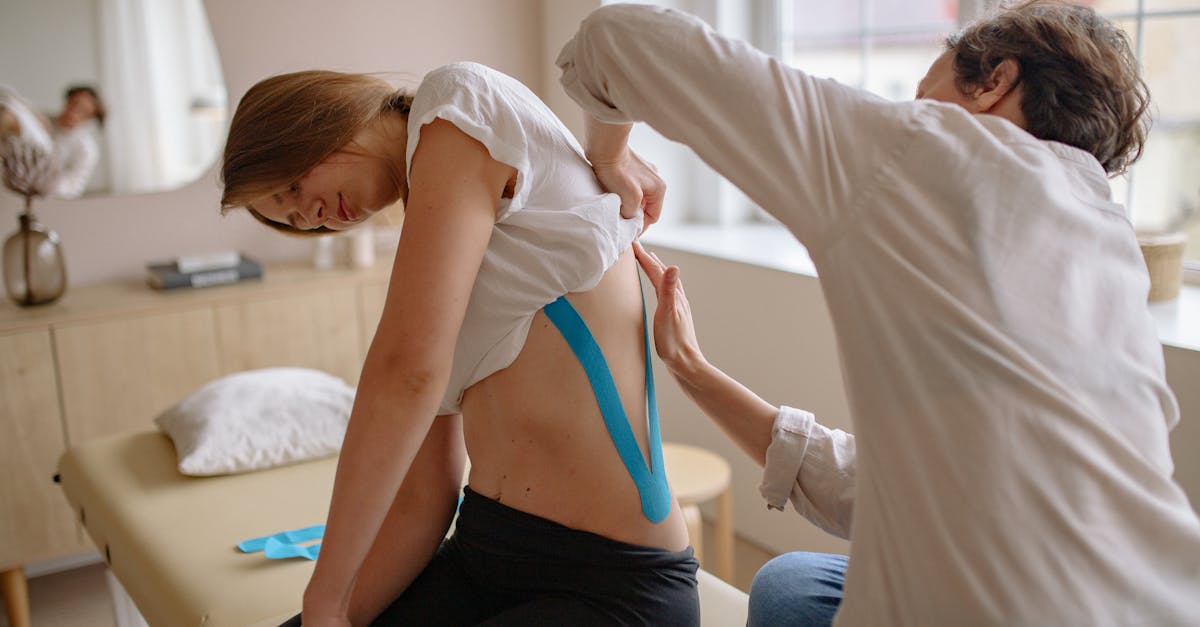
Aipatch Numbing Pain Relief is a medicated topical patch utilizing lidocaine to manage localized musculoskeletal or neuropathic pain. The most common side effect is application site erythema, while excessive use carries a risk of systemic anesthetic toxicity. This transdermal delivery system provides targeted, sustained pain relief directly at the site of injury without the systemic cognitive side effects associated with oral analgesics.
Lidocaine functions as a potent amide-type local anesthetic. Once the patch adheres to the skin, the medication slowly diffuses through the stratum corneum and into the underlying epidermal and dermal layers. Upon reaching the peripheral nerve endings, lidocaine reversibly binds to voltage-gated sodium channels located on the inner neuronal membrane.
By physically blocking the influx of sodium ions, lidocaine prevents the depolarization of the nerve cell. This targeted blockade halts the propagation of the action potential required to transmit pain signals to the central nervous system. Consequently, the localized tissue becomes temporarily numb, breaking the cycle of acute pain and muscle spasm, allowing the patient to maintain mobility and comfort during the healing process.
2. Warnings and Prerequisites Before Applying Lidocaine Patches
Before applying the Aipatch, patients must critically evaluate the structural integrity of the skin at the application site. This medicated patch must absolutely never be applied to deeply ulcerated tissue, severe thermal burns, or actively weeping and excoriated wounds. The intact stratum corneum acts as a natural rate-limiting barrier. Applying a high-concentration lidocaine patch to raw, highly vascularized tissue allows rapid systemic absorption, dramatically elevating the risk of cardiovascular collapse.
Individuals with severe hepatic impairment must exercise extreme caution. Lidocaine is extensively metabolized by the liver. While systemic absorption from a single patch is typically low, using multiple patches or using them continuously can lead to dangerous systemic accumulation in patients with compromised metabolic function.
Patients with a documented hypersensitivity to amide-type local anesthetics must entirely avoid this product. Anaphylactic reactions, though clinically rare, can occur. Furthermore, individuals managing severe, undiagnosed pain must consult a physician prior to continuously suppressing symptoms, as masking severe pain can delay the diagnosis of a critical underlying condition such as a fracture or severe infection.
3. Indications and Dosage Guide for Aipatch
Aipatch Numbing Pain Relief is clinically indicated for the temporary relief of minor localized aches and pains of muscles and joints associated with arthritis, simple backaches, strains, and sprains. Proper dosing relies on adhering strictly to the wear-time limits rather than the physical volume of the medication.
Adults and children over twelve years of age should apply one patch directly to the clean, dry skin covering the most painful area. The patch must be pressed firmly in place to ensure complete adhesion. A critical dosing parameter is that the patch should be worn for no more than twelve hours within a 24-hour period.
The mandatory twelve-hour “patch-off” period allows the systemic levels of lidocaine to safely clear from the bloodstream, preventing toxic accumulation. Patients must never apply multiple patches simultaneously over large areas of the body unless explicitly directed and closely monitored by a pain management specialist.
4. In-Depth Side Effects Analysis of Lidocaine
While transdermal lidocaine effectively isolates the pharmacological action to the peripheral tissue, the localized delivery system presents a specific profile of potential adverse reactions.
Common Side Effects
Most patients experience highly effective relief, noting only minor localized physical reactions to the adhesive or the medication itself.
– Mild redness or erythema at the application site upon removal
– A transient, localized cooling or burning sensation when first applied
– Minor skin irritation or pruritus underneath the patch
Serious Side Effects to Report
Severe reactions mandate the immediate removal of the patch and urgent clinical evaluation to prevent systemic toxicity.
– Development of severe, painful blistering or hives underneath the adhesive
– Extreme, escalating burning pain that replaces the numbing effect
– Noticeable swelling of the application site indicating an allergic response
Rare Side Effects
Systemic absorption through heavily damaged skin or excessive patch application can trigger profound neurological or cardiovascular events.
– Unexplained dizziness, severe drowsiness, or profound confusion
– Ringing in the ears, metallic taste, or blurred vision
– Noticeable changes in heart rhythm or severe bradycardia
Side Effects That Usually Do Not Require Medical Attention
Minor physiological responses usually dissipate rapidly following the removal of the patch.
– A temporary sensation of heaviness in the treated limb
– Painless peeling of the superficial skin layer when removing a highly adhesive patch
| Side Effect Category | Specific Symptoms |
|---|---|
| Dermatological | Erythema, pruritus, blistering under the adhesive |
| Neurological (Systemic) | Dizziness, tinnitus, perioral numbness, confusion (rare) |
| Cardiovascular (Systemic) | Bradycardia, hypotension (rare) |
5. Recognizing and Managing Lidocaine Toxicity
Lidocaine toxicity is a critical medical event that occurs when systemic blood levels of the anesthetic rise to dangerous concentrations. This typically happens through gross misuse, such as wearing multiple patches simultaneously for days, applying patches to deeply broken skin, or actively heating the patch with external sources.
The clinical presentation of a lidocaine overdose follows a specific trajectory. Initial symptoms manifest within the central nervous system, including extreme anxiety, tremors, perioral numbness, and a distinct metallic taste. Without immediate intervention, these symptoms can rapidly escalate to generalized convulsions, profound respiratory depression, and severe cardiac arrhythmias.
If systemic toxicity is suspected, the patient or caregiver must immediately peel off all patches. The treated skin must be washed thoroughly with cool water and mild soap to halt any further absorption from residual medication. Emergency medical services must be contacted immediately to manage the potential neurological or cardiovascular collapse.
6. Missed Dose Guidelines and What to Avoid
Because the Aipatch is administered purely for symptomatic pain management, a missed application requires no specific medical protocol. The user should simply apply a new patch during their next instance of discomfort, strictly ensuring they adhere to the maximum limit of twelve hours on, and twelve hours off.
A critical behavioral restriction involves avoiding external heat sources. Patients must absolutely never apply heating pads, hot water bottles, or electric blankets over a lidocaine patch. Heat causes massive superficial vasodilation, drastically accelerating the systemic absorption of the drug from the patch matrix directly into the bloodstream, precipitating a dangerous overdose.
Furthermore, patients must never cut the patch into smaller pieces unless the specific manufacturer guidelines explicitly state the matrix design allows for cutting. Cutting certain types of reservoir patches destroys the rate-limiting membrane, causing an immediate, massive release of the medication onto the skin, leading to severe chemical burns and systemic toxicity.
7. Drug and Alcohol Interactions with Aipatch
Clinically significant pharmacological interactions are rare when a single lidocaine patch is utilized correctly due to the controlled systemic absorption. Nevertheless, patients currently prescribed Class I antiarrhythmic drugs, such as mexiletine, must proceed with extreme caution. The systemic addition of even a small amount of transdermal lidocaine can compound the cardiac effects, potentially inducing dangerous arrhythmias.
Patients must strictly avoid layering multiple topical medications. Applying a lidocaine patch over skin that has recently been treated with topical benzocaine, capsaicin, or prescription steroid creams creates a highly unpredictable absorption profile and drastically increases the risk of local tissue necrosis and systemic anesthetic burden. Similar precautions apply to the concurrent use of strong systemic pain relievers like tramadol, which can compound central nervous system depression if an overdose occurs.
Alcohol consumption poses no direct chemical interaction with the active lidocaine matrix. However, alcohol-induced cognitive impairment can lead to reckless application, such as forgetting to remove the patch after twelve hours or ignoring the early neurological warning signs of systemic toxicity.
8. Precautions, Safety, and Duration of Action
The analgesic action of the Aipatch begins steadily, typically establishing significant nerve blockade within thirty minutes to an hour of application. The continuous diffusion provides steady pain relief for the entire twelve hours it remains on the skin.
Safety during physical activity requires vigilance. Because the patch intentionally numbs the superficial tissue and dulls underlying muscle pain, the body’s natural physiological feedback mechanism is impaired. Individuals performing heavy lifting must be acutely aware that they may overexert or further injure a treated joint because the warning signal of acute pain has been chemically suppressed.
Safe disposal of used patches is a critical precaution. Even after twelve hours of wear, a significant amount of active lidocaine remains within the patch matrix. Used patches must be folded in half so the adhesive sides stick firmly together, and then discarded securely in a trash receptacle entirely inaccessible to children and household pets.
9. Discontinuation and Storage Protocols
Discontinuation of the Aipatch is completely safe and straightforward. Patients can cease applying the product at any time without enduring physiological withdrawal effects. If chronic pain persists unabated beyond seven days of treatment, the patient should cease application and consult a physician for a comprehensive diagnostic evaluation.
The unapplied patches must be stored correctly to maintain chemical stability. Keep the patches securely sealed in their original foil packaging at standard room temperature. Avoiding environments with extreme heat and high humidity prevents the degradation of the adhesive and the crystallization of the lidocaine base.
If a patient discovers expired patches in their medical supplies, they must be discarded safely by folding them in half and disposing of them in household waste. Expired adhesives lose their structural integrity, causing the patch to fall off prematurely or deliver inconsistent dosing.
10. When to Seek Immediate Medical Attention
Immediate clinical evaluation is absolutely required if the patient exhibits any signs of a systemic allergic reaction. Swelling of the throat, extreme difficulty breathing, and a rapid, weak pulse are hallmarks of anaphylaxis and require the emergency administration of epinephrine.
Medical attention is mandatory if neurological symptoms arise while wearing the patch. Unexplained dizziness, sudden confusion, visual changes, ringing in the ears, or severe drowsiness strongly suggest excessive lidocaine absorption. The patch must be removed immediately, the skin washed, and emergency services contacted.
Finally, users should consult a physician if the skin beneath the patch develops severe blistering, sloughing, or dark discoloration upon removal. While rare, high concentrations of lidocaine trapped under an occlusive adhesive for too long can cause severe epidermal necrosis requiring professional dermatological wound care.
Frequently Asked Questions (FAQ)
1. How does the Aipatch actually stop my back pain?
The patch contains lidocaine, a numbing medication. It slowly absorbs into your skin and temporarily blocks the local nerves from sending pain signals to your brain, allowing the muscle to relax.
2. Can I wear the patch for a full 24 hours if the pain is severe?
No. You must absolutely follow the “12 hours on, 12 hours off” rule. Wearing the patch continuously will cause the numbing medication to build up to toxic levels in your bloodstream.
3. Is it safe to cut the patch in half to fit my elbow?
Unless the package explicitly states the patch is designed to be cut, you should never cut it. Cutting certain patches destroys the mechanism that controls the release of the medicine, causing a massive overdose.
4. Can I use a heating pad over the patch to loosen the muscle?
Absolutely not. Applying heat opens your blood vessels and forces dangerous amounts of lidocaine into your heart and brain very rapidly, potentially causing a fatal overdose.
5. Is it normal for my skin to be red when I take the patch off?
Mild redness is very common and is usually a simple reaction to the strong adhesive tape. However, if the skin is blistered, intensely burning, or weeping fluid, you should consult a doctor.
6. Can I wear the patch while taking a shower?
Most medicated patches will lose their adhesion and fall off if exposed to heavy water. It is best to remove the patch before showering and apply a fresh one to clean, completely dry skin afterward.
7. What should I do if my dog eats a used patch out of the trash?
Contact an emergency veterinarian or animal poison control immediately. Used patches still contain high amounts of lidocaine, which is highly toxic and frequently fatal to pets if swallowed.
8. Can I apply the patch directly over a large, open scrape?
No. You must only apply lidocaine patches to intact, unbroken skin. Applying them to an open wound allows the medicine to enter your bloodstream too quickly, causing dangerous side effects.
Bibliography
Disclaimer: The content is for informational purposes only and does not replace medical advice. Always consult your doctor or pharmacist for personalized treatment.
