
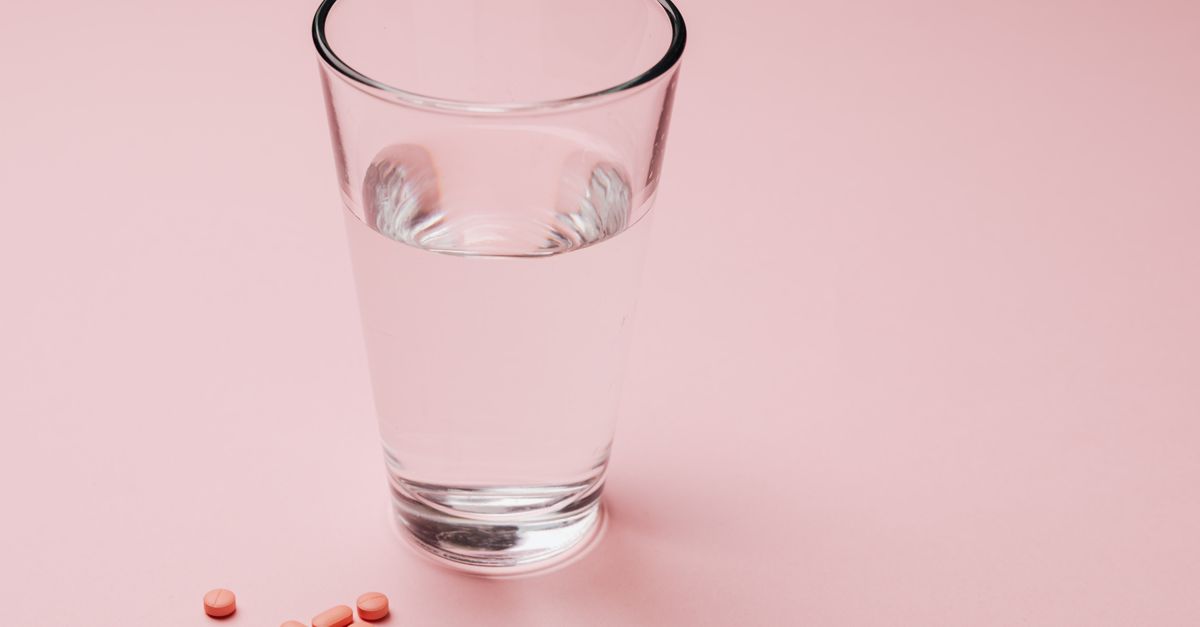
Amazon Calcium Polycarbophil acts as a highly effective bulk-forming laxative designed to safely and mechanically relieve occasional constipation. The most notable side effect is abdominal bloating and increased flatulence, while the most significant clinical risk is esophageal obstruction if the caplets are swallowed without an adequate volume of liquid.
1. Introduction & Mechanism of Action of Calcium Polycarbophil
Calcium polycarbophil is a synthetic, high-molecular-weight polymer that functions precisely as a bulk-forming laxative. Unlike aggressive stimulant laxatives that chemically irritate the colonic nerve plexus to force unnatural contractions, this medication operates entirely through a benign, mechanical process within the lumen of the gastrointestinal tract. The human digestive system completely lacks the necessary enzymes to break down this complex polymer, ensuring it passes through the gut entirely unabsorbed by the systemic circulation.
Upon ingestion and entry into the fluid-rich environment of the small intestine and colon, the hydrophilic polycarbophil acts as an aggressive physical sponge. It possesses an immense capacity to bind with water, absorbing up to sixty times its own weight in fluid. This rapid absorption causes the polymer to swell significantly, forming a highly viscous, gel-like mass.
When this hydrated gel incorporates into the hardened, desiccated fecal matter, it vastly increases the overall bulk and moisture content of the stool. The sudden physical distension of the colonic walls by the enlarged stool mass triggers the stretch receptors in the bowel. This natural physiological trigger reliably initiates normal, gentle peristaltic contractions, facilitating a highly predictable and comfortable bowel movement without causing sudden, painful colonic spasms.
2. Warnings & Before Taking Amazon Calcium Polycarbophil
The most critical clinical warning regarding calcium polycarbophil involves the absolute necessity of adequate hydration during administration. The caplets possess an immense, rapid capacity to absorb ambient moisture. If a patient attempts to swallow the caplet without water, or consumes it with only a tiny sip of liquid, the polymer will immediately swell and solidify within the narrow esophagus. This causes a life-threatening, solid physical obstruction requiring emergency medical extraction.
Patients presenting with a known history of severe difficulty swallowing, known clinically as dysphagia, or those with diagnosed esophageal strictures, must absolutely avoid this medication. The mechanical risk of the swelling caplet lodging in a narrowed esophagus is unacceptably high. These patients require entirely different laxative modalities managed by a gastroenterologist.
Furthermore, individuals experiencing sudden, acute abdominal pain accompanied by nausea and vomiting must strictly avoid any laxative, including bulk-forming agents. These symptoms strongly indicate an existing mechanical bowel obstruction or an intestinal perforation. Administering a massive, expanding bulk agent into a blocked bowel will rapidly cause catastrophic colonic rupture and potentially fatal sepsis.
3. Indications & Dosage Guide for Bulk-Forming Laxatives
Amazon Calcium Polycarbophil is clinically indicated for the safe, gentle relief of occasional constipation and to assist in restoring natural bowel regularity. Because it acts purely mechanically and does not cause severe chemical dependency, it is frequently recommended by physicians as a safe, first-line management strategy for chronic idiopathic constipation. For patients requiring rapid bowel clearance within hours, a physician might evaluate the use of a targeted stimulant like bisacodyl.
For adults and adolescents over twelve years of age, the standard therapeutic dosage is typically two caplets taken once to four times daily, depending strictly on the severity of the constipation. A maximum of eight caplets may be consumed within a strict twenty-four-hour period.
The absolute most critical dosage instruction is the fluid requirement. Each dose of two caplets must be swallowed whole with an absolute minimum of eight full ounces of cool water or another non-alcoholic liquid. Consuming less fluid severely compromises the efficacy of the medication and drastically increases the risk of dangerous intestinal blockage.
4. In-Depth Side Effects Analysis of Calcium Polycarbophil
Because the massive polymer is completely chemically inert and entirely unabsorbed by the systemic bloodstream, the side effect profile is strictly localized to the physical expansion occurring within the gastrointestinal tract.
Common Side Effects
The most prevalent adverse reactions relate directly to the sudden increase in colonic volume. Patients frequently report a noticeable sensation of abdominal fullness, mild to moderate bloating, and a significant increase in flatulence during the first few days of therapy. Mild abdominal cramping may also occur as the colon distends and natural peristalsis begins to increase in response to the added water volume.
Serious Side Effects You Should Report
Patients must immediately report the onset of severe, unremitting abdominal pain or a complete inability to pass gas or stool for several days. These symptoms strongly suggest the formation of a severe fecal impaction or a mechanical bowel obstruction. Furthermore, if a patient experiences sudden, severe chest pain, extreme difficulty breathing, or immediate vomiting right after swallowing the caplet, they must seek emergency care for an acute esophageal obstruction.
Rare Side Effects
Allergic hypersensitivity reactions to the synthetic polymer are exceedingly rare. Symptoms of systemic anaphylaxis include severe facial angioedema, generalized widespread hives, and acute respiratory distress. These reactions demand immediate emergency medical intervention.
Side Effects That Usually Do Not Require Medical Attention
Transient episodes of minor stomach rumbling or very mild nausea immediately after consuming the large fluid volume are common physical reactions to the distended stomach and typically resolve quickly without requiring medical management.
| Side Effect Category | Specific Symptoms |
|---|---|
| Gastrointestinal | Bloating, mild cramping, increased flatulence |
| Esophageal/Bowel (Severe) | Chest pain, difficulty swallowing, severe abdominal pain |
| Allergic (Rare) | Hives, facial swelling, severe breathing difficulty |
5. Overdose Risks with Calcium Polycarbophil
An acute overdose of calcium polycarbophil does not result in systemic chemical toxicity, as the molecule cannot enter the bloodstream. However, a massive mechanical overdose is a severe and highly dangerous clinical event. Ingesting immense quantities of the highly absorbent caplets rapidly creates a massive, solid, immovable cast within the colon.
The primary clinical danger of this mechanical overdose is a complete, profound bowel obstruction. Symptoms of this dangerous state include extreme, unremitting abdominal distension, severe agonizing colicky pain, intractable vomiting, and a complete cessation of all bowel movements.
If a massive overdose occurs and the patient experiences severe abdominal pain and distension, emergency medical care is absolutely necessary. There is no specific pharmacological antagonist to dissolve the synthetic polymer. Clinical treatment consists entirely of aggressive intravenous hydration, physical enemas, and in severe cases, emergency surgical laparotomy to physically extract the solidified mass and save the bowel from necrotic rupture.
6. Missed Dose & What to Avoid
Because this medication is utilized entirely to restore bowel regularity on a flexible schedule, missing a scheduled dose is not a critical medical event. If a patient forgets to take their daily dose, they should simply resume the standard regimen the following day. Patients must never double the caplet dose in a single sitting to compensate, as this massively increases the risk of choking and severe intestinal blockage.
While utilizing this bulk-forming agent, patients must strictly avoid consuming the caplets without the mandatory eight ounces of fluid. The danger of acute, lethal esophageal choking cannot be overstated. Patients must also swallow the caplets whole; they must not chew or crush them, as the polymer will begin to swell unpleasantly in the oral cavity.
Furthermore, patients must strictly avoid taking this massive physical sponge concurrently with oral prescription medications. The polycarbophil gel will physically trap and severely bind to the tiny prescription pills within the gut, completely preventing their vital absorption into the bloodstream, leading directly to the therapeutic failure of essential prescription drugs.
7. Drug & Alcohol Interactions with Amazon Calcium Polycarbophil
Calcium polycarbophil possesses unique interaction risks. While the polymer itself is not absorbed, the calcium component can detach and interact chemically within the gut. The calcium acts as a physical binder in the gastrointestinal tract, forming an insoluble complex with certain drugs through a process called chelation.
This chelation completely nullifies the clinical efficacy of tetracycline and fluoroquinolone antibiotics, leading directly to the therapeutic failure of severe systemic infections. Furthermore, the massive physical bulk of the gel drastically decreases the gastrointestinal absorption of other oral prescription drugs, including vital cardiac medications and oral contraceptives.
As a strict, non-negotiable clinical rule, patients must administer all other necessary oral medications at least two full hours before or two full hours after consuming the laxative caplets. Additionally, concurrent alcohol consumption must be strictly avoided. Alcohol is a potent systemic diuretic that aggressively dehydrates the body, entirely robbing the bowel of the critical water the polycarbophil absolutely requires to function safely.
8. Precautions, Safety & Duration of Action
Special populations require distinct clinical guidance regarding hydration. Elderly patients naturally possess a diminished thirst reflex and frequently exist in a state of chronic mild dehydration. Close monitoring of total daily fluid intake is absolutely mandatory when geriatric patients utilize bulk-forming laxatives to prevent the severe complication of a fecal impaction.
The onset of action for this medication is distinctly delayed and highly gradual. Unlike aggressive stimulant laxatives that operate violently within hours, calcium polycarbophil typically requires twelve to seventy-two hours of continuous daily use to successfully accumulate enough bulk and water in the colon to trigger a comfortable, natural bowel movement. Patients must exercise patience and not escalate the dose prematurely.
For pregnant and breastfeeding women, this medication is widely considered an exceptionally safe first-line treatment for gestational constipation. Because the polymer is entirely unabsorbed, it poses strictly zero risk of crossing the placental barrier or entering the breast milk supply.
9. How to Stop Taking Calcium Polycarbophil & Storage/Disposal
Discontinuation of this medication is completely safe and requires no complex tapering protocol. Patients should cease taking the caplets immediately once normal, unassisted bowel regularity is robustly achieved and dietary fiber intake has been properly adjusted to maintain health. Unlike chemical stimulants, the colon does not become physically addicted to bulk-forming agents.
The medication caplets must be stored at a strictly controlled room temperature. The bottle must be tightly secured after every single use to prevent ambient environmental moisture from entering the packaging, which will rapidly cause the caplets to swell and degrade mechanically.
Disposal of the unused caplets must be handled carefully. They must absolutely never be flushed into the toilet in any quantity. The highly absorbent polymer will rapidly solidify in the plumbing, causing severe blockages. The caplets should be sealed tightly in a disposable container and placed securely in the regular household trash.
10. When to See a Doctor
Self-management of severe constipation should be strictly limited in duration. If a patient utilizes the maximum recommended daily dose for seven consecutive days without producing a single successful bowel movement, they must stop the medication instantly and consult a physician. This complete lack of response strongly indicates a severe, refractory physical blockage that requires advanced medical or surgical intervention.
Immediate emergency care is required if the patient develops signs of an acute esophageal obstruction immediately following a dose. These terrifying symptoms include a sudden, agonizing inability to swallow saliva, severe crushing chest pain, or explosive vomiting directly after attempting to swallow the caplet.
Furthermore, if the patient observes bright red blood in their stool, passes black tarry feces, or experiences severe, sharp, stabbing abdominal pain rather than mild expected cramping, they must seek immediate emergency diagnostic evaluation to rule out a severe gastrointestinal hemorrhage or a bowel perforation.
Frequently Asked Questions (FAQ)
1. Can I swallow the caplets dry and just chase them with a sip of water?
You must absolutely never swallow these caplets without a full glass of water. They will rapidly swell inside your throat, causing a severe, life-threatening choking emergency. You must drink at least eight ounces of water with every dose.
2. How fast will this laxative work after I swallow the caplets?
This is not an instant-relief emergency medication. It typically takes between twelve to seventy-two hours for the massive gel to travel through your digestive system and trigger a natural bowel movement.
3. Will this medicine cause the painful stomach cramps I get from other laxatives?
Because it works gently by adding physical bulk rather than chemically irritating the severe bowel nerves, it very rarely causes the painful abdominal cramps associated with harsh stimulant laxatives.
4. Can I chew the caplets if I have trouble swallowing pills?
You must swallow the caplets whole. Chewing them will cause the highly absorbent polymer to immediately begin swelling unpleasantly in your mouth and throat.
5. Can I take my vital prescription antibiotics at the exact same time as these caplets?
You must never take prescription medications at the same time. The calcium in this medication actively binds to antibiotics, completely destroying their effectiveness. You must separate the doses by at least two hours.
6. What happens if I do not drink enough extra water throughout the entire day?
If you are severely dehydrated, the medication cannot pull enough water into the colon to form a soft gel. Instead, it will form a hard, solid mass that severely blocks your intestines.
7. Does this medication help with significant weight loss?
Absolutely not. Bulk-forming laxatives simply and safely expand your stool size. Misusing them for weight loss is incredibly dangerous and leads to severe intestinal blockages and dehydration.
8. Is it completely normal to feel significantly bloated the first three days I take it?
Yes, feeling significantly bloated or excessively full is a very common expected side effect. The medication is actively distending your digestive tract to safely trigger the natural bowel movement process.
Bibliography
Disclaimer: The content is for informational purposes only and does not replace medical advice. Always consult your doctor or pharmacist for personalized treatment.


